

Carbon Farming Companies: 7 Key Projects for 2026
“By 2026, seven leading carbon farming companies aim to sequester over 10 million tons of CO2 annually.”
What Constitutes Carbon Farming?
Carbon farming, also called carbin farming, care farming, or car farming in some contexts, represents a suite of agricultural, forestry, and land-management practices that remove CO2 from the atmosphere and store it in soil, vegetation, and agroforestry systems. In 2026, these practices play a pivotal role across agriculture, forestry, mining-related land, and even infrastructure sectors, with carbon farming companies leading the way in project design, monitoring, and market access. This section explores the practices, scope, and scientific basis behind these innovative climate strategies.
Defining Carbon Farming Practices
- ✔ Soil carbon enhancement: Includes no-till/reduced-till practices, cover crops, diversified crop rotations, and additions of compost or biochar to increase soil organic carbon stocks and boost soil health and fertility.
- ✔ Agroforestry and woodland management: Integrating trees with crops or pasture (e.g., alley farming, silvopasture), sequestering carbon while providing shade, windbreaks, and additional revenue streams for landholders.
- ✔ Reforestation and afforestation: Planting trees on degraded or marginal farmland and implementing wildfire and erosion control to restore carbon stocks and ecosystem function.
- ✔ Managed grazing: Holistic planned grazing practices that increase root mass, boost soil carbon, and enhance pasture productivity.
- ✔ Bioenergy with carbon capture and storage (BECCS): Less common in conventional farms but increasingly explored in integrated projects.
- ✔ Land-use optimization in mining and infrastructure: Rehabilitating disturbed lands and tailings with restoration systems that set and achieve soil carbon targets.
The Science: How Carbon Farming Works
- 📊 Photosynthesis in crops and trees captures CO2.
- 📊 Carbon sequestration stores this atmospheric CO2 in roots, vegetation, and soil organic matter—with permanence shaped by management practices and site conditions.
- 📊 Advanced carbon farming projects quantify, monitor, and verify (MRV) CO2 removals using standardized methods, satellite imagery, and in some cases, AI-powered analytics.

Applications: Where Carbon Farming Projects Make an Impact
- ✔ Farmland (row crops, orchards, grasslands): Soil restoration, cover cropping, biochar application, regenerative tillage.
- ✔ Woodlands & rangelands: Agroforestry, managed grazing, improved fire management.
- ✔ Mining & infrastructure lands: Rehabilitating disturbed soils and setting post-operational carbon sequestration targets.
Why Carbon Farming Matters in 2025 & 2026
In 2025 and beyond, carbon farming and the involvement of carbon farming companies span environmental, economic, and regulatory dimensions. Here are the major driving factors for expanding projects and market participation:
- ✔ Climate targets and incentives: Governments and international bodies offer incentives, compliance markets, and subsidies for projects that remove CO2 from the atmosphere and store it in soil and vegetation.
- ✔ Corporate demand: Industries seeking verified credits partner with carbon farming companies to bundle practices into compliant and voluntary carbon credits.
- ✔ Food security and resilience: Improving soil health enhances yields, supports drought resilience, and ensures more sustainable food systems.
- ✔ Biodiversity and ecosystem services: Agroforestry and regenerative agriculture benefit pollinators, wildlife, and overall ecosystem health.
- ✔ Regulation and standards: Verified soil carbon methodologies and permanence protocols guide project design, MRV, and reporting for credibility.
“Agroforestry practices can increase farm revenue by up to 30% while improving soil health and climate resilience by 2025.”
Broader Scope
- ✔ Land-use optimization: Carbon farming practices increasingly extend to rehabilitation for mining, tailings cover, and infrastructure restoration.
- ✔ Expanding methodologies: New MRV systems and satellite-enabled analytics expand access and improve measurement accuracy.
- ✔ Growing involvement: More companies and cooperatives facilitate participation for smallholders and large enterprises alike.

Key Practices & Optimization for Carbon Farming Projects
Baseline Assessment & MRV
- 📊 Baseline measurement is vital—start by establishing soil organic carbon, above- and below-ground pools, and clear project boundaries.
- 📊 Use standardized methods for sampling depth, frequency, and laboratory analysis. Remote sensing and advanced geospatial tools improve accuracy and monitoring.
- 📊 Transparent reporting and verification provide credibility in both compliance and voluntary carbon markets.
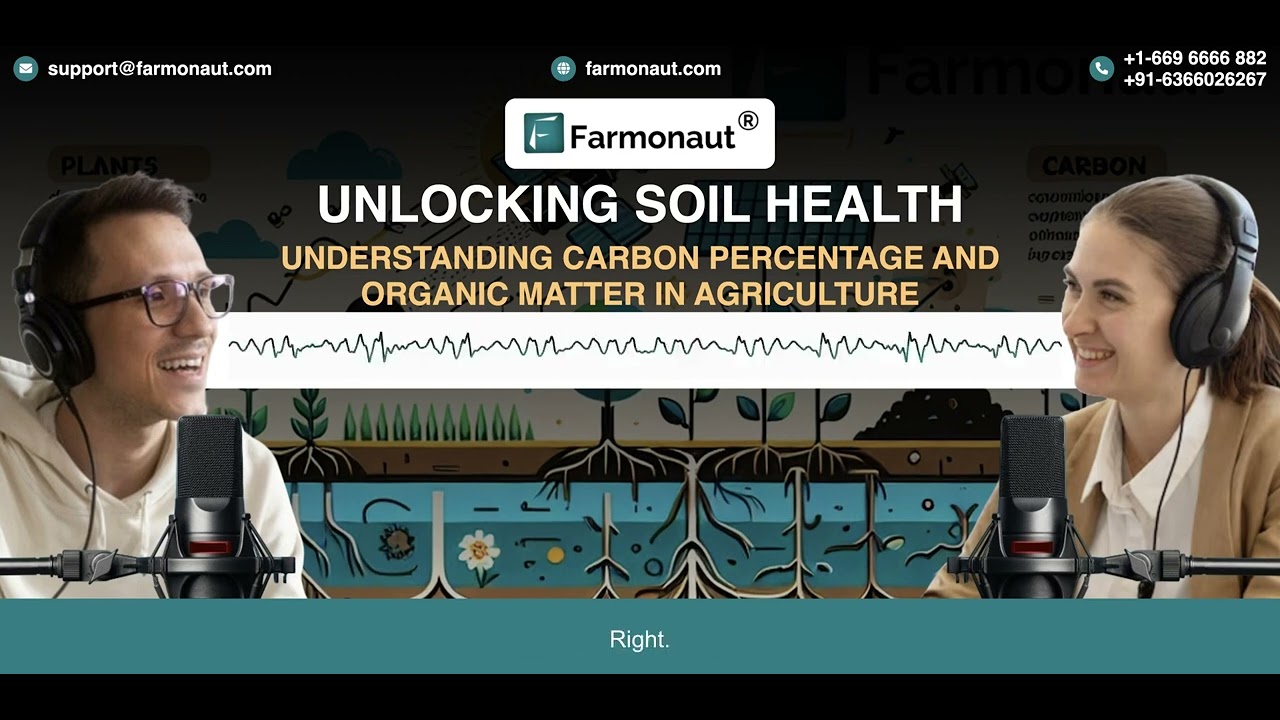
— Monitor carbon emissions and track sequestration progress in agriculture, mining, and infrastructure using Farmonaut’s real-time satellite data, AI dashboards, and reporting tools. Ensuring accuracy and transparent impact for your projects.
Crucial Practices for 2026 Projects
- 🌳 Agroforestry systems: Integrate trees for shade, windbreaks, and higher carbon stocks.
- 🌾 Cover crop and rotation diversity: Use multiple cover crops and long rotations to bolster soil health and resilience.
- 🔥 Improved wildfire control and active erosion management for longevity and permanence of carbon gains.
- 🐄 Managed grazing for root boost: Plan grazing to increase organic matter in grasslands and rangelands.
- 🏭 Biochar additions: Add biochar from crop residues or other biomass to both sequester carbon and enhance nutrient cycling.
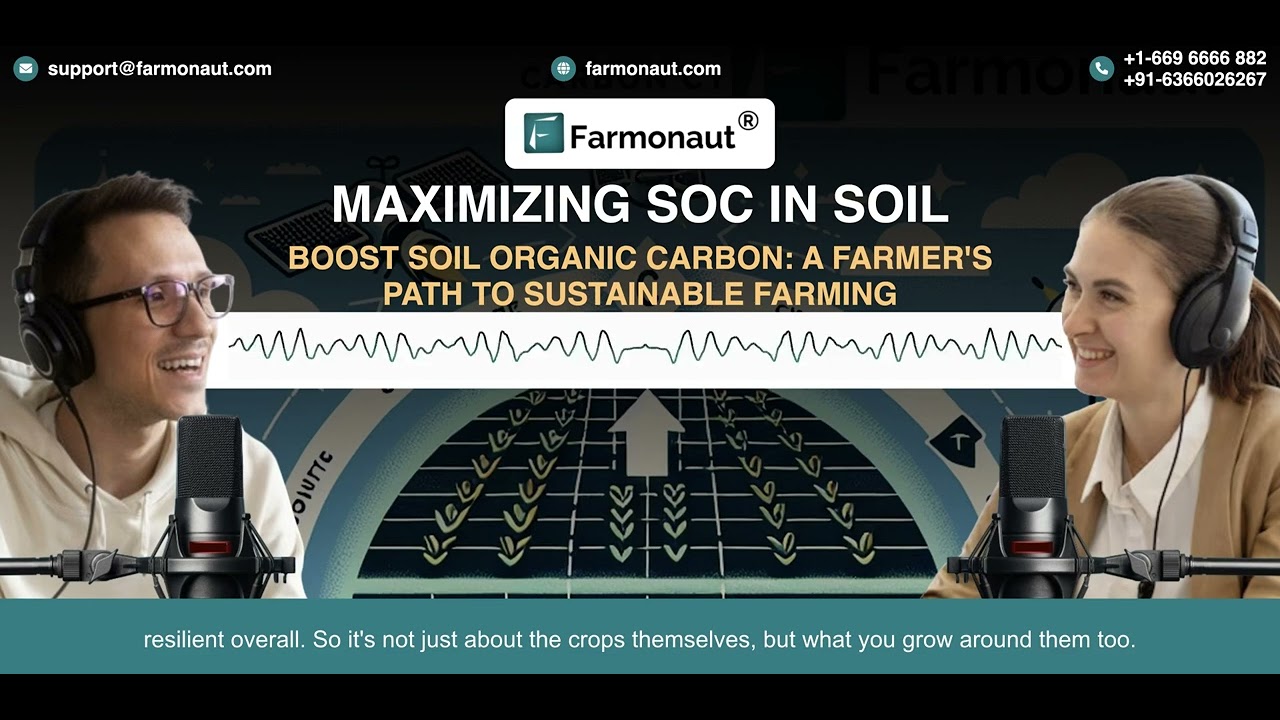
Optimization Strategies
- ✔ Design for permanence: Blend practices to sustain carbon gains for decades; utilize AI-powered risk assessment (e.g., for wildfire, leakage).
- ✔ Stacked revenue streams: Generate carbon credits, payments for ecosystem services, and income from non-timber forest products (e.g., nuts, honey, timber thinning).
- ✔ Community engagement: Engage local communities, secure tenure, and incentivize stewardship to avoid land grabs and ensure social sustainability.
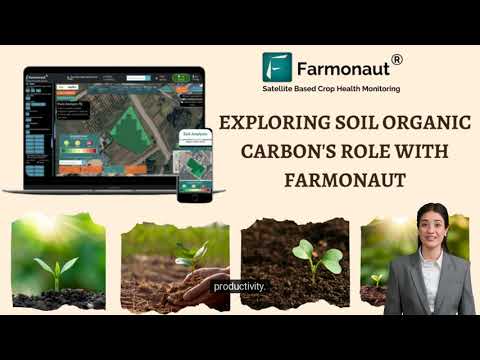
Economic Implications of Carbon Farming for 2026
Cost Structures & Revenue Streams
- ✔ Measurement, registration, and monitoring: Baseline soil sampling, project design, technology (e.g., satellite subscriptions), validator or registry fees.
- ✔ Ongoing MRV: Use of geospatial data, satellite imagery, and remote reporting reduces manual monitoring costs & increases accuracy.
- ✔ Revenue: Earn from carbon credits (through marketing, verified contracts), ecosystem service payments, sale of sustainable agricultural products, and in some cases, increased yields due to better soil health.
- ✔ Market volatility: Carbon pricing is subject to market dynamics, policy changes, and verification integrity. Diversifying revenue streams is critical.
- ✔ Financing: Grants, low-interest loans, and public-private partnerships are increasingly available for well-documented carbon farming projects with clear co-benefits.
—Our satellite verification supports accurate carbon project claims and simplifies insurance applications for agriculture and land-based industries.
- ✔ Buffer pools guard against permanence risk, safeguarding project economics.
- ✔ Stacked ecosystem payments (water, biodiversity) can add 10–40% to project returns.
- ✔ Blockchain traceability increases market trust and transparency for sustainable agriculture supply chains.
- ✔ Blended finance models reduce risk for early project adopters.

Challenges & Opportunities in Carbon Farming Companies
Understanding the Risks
- ⚠ Measurement uncertainty: Soil carbon is dynamic; requires standardized methodologies, advanced MRV, and periodic recalibration.
- ⚠ Permanence risk: Natural disasters (wildfire, drought), land-use change, and management lapses can jeopardize stored carbon. Buffer pools and resilient project design help mitigate.
- ⚠ Market fragmentation: Multiple standards and registries lead to complexity—selecting credible partners and clear verification remains essential.
- ⚠ Land-use trade-offs: Overly intensive projects without proper planning may reduce food yields or trigger off-site leakage.
—Deploy, monitor, and schedule field staff and machinery efficiently for project implementation across continents.
Implementation Roadmap: From Feasibility to Scaling
Step-Wise Planning for Successful Carbon Farming Projects
- 🟢 Assess feasibility: Analyze soil, climate, water availability, existing tree/pasture cover, and market demand for credits or products.
- 🌱 Select optimal practices: Choose from soil carbon enhancement, agroforestry, and improved grazing systems suited to the local context.
- 🏭 Pilot & establish MRV: Start with a pilot plot; establish clear boundaries, measurement protocols, and monitoring (satellite data, field samples, mobile MRV tools).
- 🏘️ Engage the community & secure tenure: Ensure all stakeholders have clear rights and incentives. Prevent conflicts and land-grabbing through participatory design.
- 🔗 Scale-up with diversified incomes: Expand the project, introduce multiple revenue streams (ecosystem services, timber/non-timber products, verified credits). Continually monitor, report, and optimize for permanence and leakage.
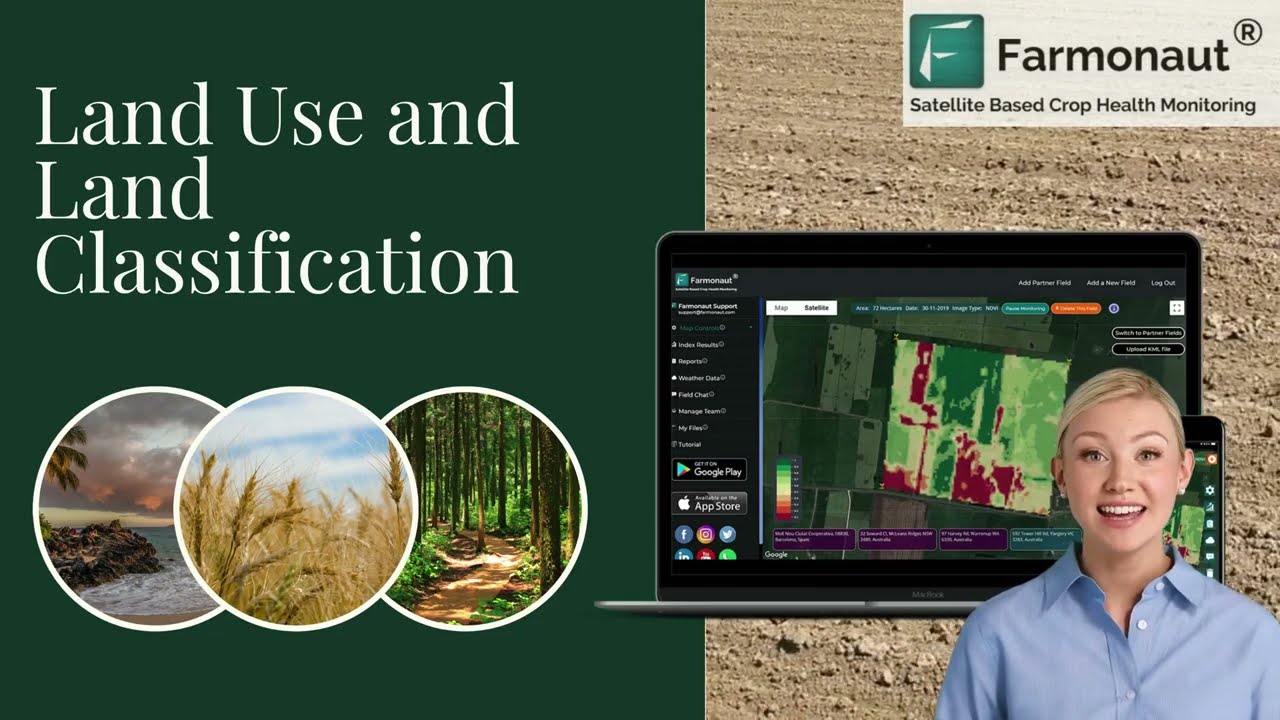
Comparative Projects Overview Table: 7 Key Carbon Farming Projects for 2026
The landscape in 2026 includes several high-impact carbon farming projects. Our table allows you to compare data-driven metrics across project type, carbon sequestration, and revenue outcomes—reinforcing tangible values for landholders and investors evaluating carbon farming companies.
| Project Name | Location/Region | Core Practice | Estimated Carbon Sequestration (tons CO2e/year) |
Sustainability Impact | Estimated Revenue Increase | Partnership/Technology Used |
|---|---|---|---|---|---|---|
| RegeneraAg Carbon Landscape | North America | Agroforestry and diversified crop rotations | 1,200,000 | Soil Health, Biodiversity, Water Retention | +20-28% | Satellite-based MRV, AI Advisory, Blockchain Traceability |
| Africa Savannah Soil Revival | Sub-Saharan Africa | Holistic managed grazing, biochar addition | 1,000,000 | Pasture Productivity, Erosion Control | +18-25% | Geospatial Sensing, Mobile MRV, Farmer Co-ops |
| Amazon Restoration Front | South America (Brazil & Andean region) | Reforestation (native species), silvopasture | 2,700,000 | Biodiversity, Water Quality, Wildfire Mitigation | +22-29% | Remote Sensing, Forest Monitoring APIs |
| Asia Rice-Paddy Blue Carbon | Southeast Asia | Water management, cover cropping, methane capture | 850,000 | Soil Carbon, GHG Reduction, Water Conservation | +14-21% | Satellite Methane Analytics, Blockchain MRV |
| EU Regenerative Grains Hub | Northern & Western Europe | No-till, multi-species cover crops, woodland buffer | 950,000 | Soil Fertility, Pollinator Habitat, Flood Mitigation | +19-26% | Satellite Analytics, Custom MRV App |
| Australia Outback Restoration | Northern Australia | Large-scale afforestation, managed wildfire | 2,100,000 | Water Retention, Biodiversity, Fire Risk Reduction | +21-32% | Drone-based Monitoring, Weather AI System |
| India Integrated Agrofront | India (Central, West, South) | Alley cropping, regulated irrigation, biochar | 1,300,000 | Soil Resilience, Crop Yield, Water Efficiency | +18-24% | Satellite Crop Monitoring | Blockchain Traceability |
Future Outlook: The Path Ahead for Carbon Farming Companies
- ✔ Expanding Scope: Carbon farming is moving beyond fields to mining restoration, infrastructure, and even urban landscapes by 2026.
- ✔ Digital Transformation: Use of remote sensing, AI, and blockchain is increasing accuracy and transparency for measurement, reporting, and verification (MRV).
- ✔ Stacked Revenue: Bundling credits with ecosystem service payments, sustainable product certifications, and water rights adds value.
- ✔ Resilience & Ecosystems: Biodiversity, water retention, soil health, and resilience gains continue to draw attention from investors and policymakers.
- ✔ Policy and Standards: Harmonization of standards, growing clarity around permanence and leakage, and official backing for credible carbon farming companies accelerate mainstream adoption.
FAQ on Carbon Farming, Companies, and Projects
Frequently Asked Questions
Carbon farming companies specialize in developing, managing, and verifying land-based projects that sequester atmospheric CO2 in soils, trees, and perennial vegetation. Unlike traditional agtech, these companies focus on carbon measurement, permanence, leakage management, and access to carbon markets—they often package projects for carbon credits or compliance with climate policy.
Benefits include direct revenue from carbon credits, improved soil health, drought resilience, water retention, and sometimes, premium pricing for crops under sustainability certifications. Sophisticated measurement and reporting (often using satellites and AI) ensure transparency and market acceptance.
Main risks are measurement accuracy (especially for soil carbon), permanence loss (from drought, fire, or management change), and market fluctuations. Choosing reputable projects with robust methodologies and diversified revenue streams helps mitigate these risks.
Permanence relies on project design (blended practices, buffer areas), monitoring (continuous satellite and in-field), and sometimes, insurance mechanisms. Many carbon farming companies use buffer pools and periodic re-verification to deliver on long-term commitments.
Remote sensing, AI-powered analytics, blockchain traceability, and automated mobile MRV tools top the list. For example, Farmonaut’s platform combines satellite crop, soil, and forestry monitoring with API and app-based reporting—cutting monitoring costs and increasing access for small and large landholders.
Get Started: Satellite Tools, Apps, and API Access
As carbon farming projects grow in scope and complexity, robust technology platforms are vital for ongoing monitoring, verification, and efficiency. We at Farmonaut deliver a modular, scalable, satellite-based solution suite—making industry-standard MRV, environmental impact, and supply-chain traceability accessible worldwide.
- ✔ Carbon Footprinting Solutions: Satellite-powered carbon and GHG monitoring for agriculture, mining, and infrastructure—track CO2 removals, validate projects, and meet market requirements.
- ✔ Blockchain Traceability: Authenticate your sustainable supply chain in agriculture or mining.
- ✔ Fleet Management: Optimize logistics and reduce carbon project operational costs.
- ✔ Large-Scale Farm & Forest Advisory Platform: Centralized monitoring and reporting for multi-site, multi-practice projects.
- ✔ Farm, Plantation & Forest Management Apps: Integrated mobile and web solutions for landholders and cooperatives.



Integrate satellite MRV, climate, crop, and carbon analytics using the Farmonaut API for your digital platforms or chain-of-custody needs (developer documentation).
Summary: Driving Sustainability with Carbon Farming in 2026 and Beyond
As the climate emergency intensifies and global carbon markets continue to mature, carbon farming stands as both an environmental imperative and an economic opportunity for agriculture, forestry, and land restoration. Through science-driven practices, digital MRV, and credible partnerships, the sector aims to balance carbon sequestration, soil productivity, biodiversity conservation, and resilient business models. Farmonaut remains dedicated to expanding access to affordable, cutting-edge platforms for carbon measurement, project monitoring, and supply chain traceability—empowering landholders, project developers, and governments to drive verified, impactful outcomes across industries in 2026 and beyond.

 LACOS Geoinformation
 Pulsar Supernova
 Magrifly
 LatConnect 60
 Disease Free Life
 WebsEdge
 Blickwinkel
 Agricultural Credit Policy Council
 MCSOD
MCSOD Marei Nursery
 eKGIS
eKGIS Mostas Tech
 Andex
Andex FCF India
 Unifrutti Gulf
 Deluxe Conseil
 WICO
WICO
