

Cedar Tree, Red Cedar Tree & More: 7 Top Benefits 2026
Cedar tree species—such as the red cedar tree, western red cedar tree, eastern red cedar tree, and white cedar tree—have long been pillars of environmental sustainability, biodiversity, and robust forestry and agricultural practices throughout North America and beyond. As we look to 2026, their importance in supporting ecological balance, sustainable land management, and economic growth has only increased.
“Cedar forests boost biodiversity, supporting over 200 wildlife species in North America alone.”
Introduction to Cedar Trees & Their Importance (2026 Update)
The cedar tree stands at the heart of sustainable forestry and agriculture, with red cedar tree varieties like the western red cedar tree (Thuja plicata), eastern red cedar tree (Juniperus virginiana), and white cedar tree (Thuja occidentalis) playing crucial roles in ecosystems across North America. These species are highly valued—not only for their timber, adaptability, and resilience, but also for their vital environmental and economic impact.
In 2026 and beyond, as climate change challenges forestry management and agricultural practices, understanding the full significance and benefits of cedar trees becomes even more important. Let’s discover how different cedar varieties sustain forests, enhance biodiversity, and contribute to modern farming systems.
Key Varieties: Red Cedar, Western Red Cedar, Eastern Red Cedar, White Cedar
When discussing the importance of cedar trees, it’s essential to distinguish between the major varieties that make up North America’s forests. Each species offers unique advantages, ecological roles, and practical uses.
- Western Red Cedar Tree (Thuja plicata): Native to the Pacific Northwest, this variety thrives in moist, temperate forests and is prized for its durability, lightweight nature, and ecological contributions as a keystone species.
- Eastern Red Cedar Tree (Juniperus virginiana): Found throughout the central and eastern United States, this species excels in drier climates, offering resilience and adaptability with exceptional value in windbreaks and soil stabilization.
- White Cedar Tree (Thuja occidentalis): Common in northern climates and wetlands, it’s favored for landscaping, habitat creation, and supporting wetland conservation.
- Other Cedar Varieties: Additional species, including incense cedar and Atlantic white cedar, expand the diversity and utility of cedar in North America and beyond.
All these varieties collectively contribute to the health and sustainability of our forests and farmlands, making them indispensable for modern forestry and agricultural practices.
7 Top Benefits of Cedar Trees for Sustainable Forestry & Agriculture
- Enhanced Biodiversity – Provides vital habitat for wildlife, supports a diverse range of plant and animal species, and acts as a keystone in forest ecosystems.
- Carbon Sequestration & Climate Change Mitigation – Cedar trees absorb and store significant amounts of carbon dioxide, helping to combat climate change and improve air quality.
- Soil Stabilization & Erosion Control – Dense cedar foliage and deep roots prevent soil erosion, regulate soil moisture, and protect valuable farmland.
- Economic Value Through Timber & Wood Products – Western red cedar wood is lightweight, durable, aromatic, and naturally rot-resistant, making it highly valued for construction, outdoor furniture, and fencing. Eastern red cedar and white cedar provide additional timber and rural economic benefits.
- Agroforestry and Shelterbelts – Cedar trees are often integrated into agricultural systems as windbreaks and living fences, improving microclimates for crops and shelter for livestock.
- Wetland & Water Quality Improvement – White cedar thrives in wetlands, filtering water, reducing agricultural runoff, and supporting conservation efforts.
- Resistance and Adaptability – Cedar species exhibit exceptional resilience to pests, diseases, and harsh weather conditions, ensuring forestry and agricultural stability in changing climates.
“Western red cedar trees can store up to 3,200 kg of carbon per hectare annually, aiding climate resilience.”
Comparative Benefits Table of Cedar Tree Varieties
| Cedar Variety | Geographic Region | Estimated Growth Rate (yrs to maturity) | Carbon Sequestration (kg CO₂/year) | Biodiversity Support (est. no. of species) | Common Agricultural Uses | Sustainability Rating |
|---|---|---|---|---|---|---|
| Western Red Cedar | Pacific Northwest (USA & Canada) | 50–70 years | 3,200 (per hectare, annually) | Over 180 | Shelterbelts, timber, landscaping |
★★★★★ |
| Eastern Red Cedar | Central & Eastern United States | 30–50 years | 2,400 | 160+ | Windbreaks, posts, biodiversity | ★★★★½ |
| White Cedar | Northeastern US & Canada | 20–40 years | 2,200 | 140+ | Wetlands, landscaping, water quality | ★★★★ |
| Atlantic White Cedar | Eastern US (Atlantic Coast) | 30–50 years | 2,500 | 150+ | Wetland stabilization, conservation | ★★★★½ |
Ecological Importance: Cedar Trees in Modern Forests
The ecological significance of cedar trees cannot be overstated in 2026. As keystone species, western red cedar trees in the Pacific Northwest help maintain the health of temperate forests, providing habitat and shelter to countless birds, insects, and small mammals. Their dense, aromatic foliage regulates soil moisture—an essential factor for understory biodiversity and forest resilience.
In the drier central and eastern United States, the eastern red cedar tree protects farmland from harsh wind and weather, while contributing to soil stabilization. White cedar trees in northern climates and wetlands are vital for water quality, reducing runoff and acting as natural filters.
These trees collectively contribute to:
- Maintaining healthy ecosystems
- Enhancing overall biodiversity
- Promoting natural balance between plant and animal species
- Regulating local microclimates and supporting climate adaptation strategies

Watch: How regenerative agriculture powered by modern technology is promoting climate-smart solutions—an approach where cedar trees play a direct and synergistic role.
Economic Value of Cedar Trees in 2026
The economic value of cedar cannot be separated from its ecological contributions. Throughout 2026 and beyond, western red cedar wood remains the preferred choice for construction, fencing, decking, and outdoor furniture due to its renowned durability, lightweight structure, attractive grain patterns, and natural resistance to rot and insects.
Eastern red cedar tree wood is especially popular for fence posts, cedar chests, and rural economic products such as pencils. Many farmers harvest it from managed woodlots, turning otherwise underused land into alternative income sources. White cedar tree has a niche in landscaping and ornamental horticulture, prized for its appearance and slow growth.
Some further highlights of the economic benefits across cedar species:
- Timber Versatility – High-quality wood suitable for a wide range of industries
- Low Maintenance – Reduced need for chemical treatments or replacements, lowering long-term costs
- Added Value for Farmers – Windbreaks and shelterbelts improve farm resilience and can be selectively harvested in managed systems
- Opportunities in Agroforestry – Cedar’s role in mixed-use systems offers new avenues for diversified income
How Cedar Supports Modern Eco-Conscious Construction
As sustainable building practices gain ground in 2026, cedar’s aromatic, lightweight, and durable wood is more valuable than ever. Due to its natural properties, cedar timber reduces the reliance on chemical preservatives and treatments, aligning with modern green building standards and environmental certifications.

See circular economy in action: Sustainable forestry practices, like cedar replanting and recycling, complement efforts for a greener agriculture sector in Ontario and beyond.
Cedar Trees in Agriculture & Land Management
Cedar tree species have become integral to modern agricultural practices and permaculture systems. Their use in windbreaks, shelterbelts, and living fences protects crops from wind damage, reduces soil erosion, and creates microclimates conducive to increased farm productivity. This is especially vital in regions with fluctuating climates and frequent storms.
For livestock farms, cedar trees offer natural shelter, reducing stress on animals and improving overall herd health. Their ability to thrive in marginal soils makes them a resilient choice for landscaping degraded agricultural land and improving biodiversity.
- Windbreaks: Reduce wind speed over fields, preventing wind erosion and crop loss
- Improved Microclimates: Lower temperature extremes near crops, promoting stable growth
- Livestock Shelter: Minimize exposure to harsh winter winds and summer sun
- Enhancing Biodiversity: Provide nesting sites and habitat corridors for beneficial wildlife

Explore on Farmonaut: Our platform allows landowners and farmers to monitor the health of windbreaks and shelterbelts, including cedar trees, via cutting-edge satellite imagery and AI.
Access the Farmonaut App Here



For automating and integrating cedar tree monitoring and forestry resource management into larger systems, explore Farmonaut’s API and developer documentation for forestry and agriculture applications.
Cedar for Wetland Health & Conservation
White cedar trees in particular are essential for wetland conservation in the northern US and Canada. They enhance water quality by serving as riparian buffers, filtering agricultural runoff, and stabilizing banks—making them especially important as the demand for wetland restoration grows through 2026.
The involvement of cedar trees in conservation supports broader efforts in carbon footprinting and environmental impact management—our systems empower farmers and land managers to track and optimize ecological benefits in real time.

Precision Agriculture: Satellite-based crop and forest monitoring advances ecological stewardship—see how precision monitoring is shaping cedar plantation management.
Cedar Trees for Sale: Reforestation, Conservation & Modern Nurseries
As awareness about sustainability and responsible land stewardship grows, so does demand for cedar trees for sale—from nurseries catering to reforestation efforts to landowners seeking improved agricultural productivity. In 2026, nurseries across North America provide genetically diverse cedar saplings, ensuring robust propagation for large-scale restoration and small-scale landscaping alike.
- Western red cedar seedlings: Suited for reforestation in Pacific Northwest projects targeting carbon sequestration and biodiversity enhancement
- Eastern red cedar: Popular in central and eastern U.S. for windbreak establishment, farm fencing, and habitat corridors
- White cedar plants: Favored for wetland buffers and ornamental landscaping
- Certified nurseries prioritize conservation genetics, pest resistance, and adaptability for future climate resilience
Reforestation programs often utilize large scale farm and forest management tools to plan, monitor, and administer cedar tree planting. These digital solutions help track survival rates, measure carbon capture, and ensure healthy, thriving forests.

Learn more: Use Farmonaut® to monitor sapling growth, predict survival rates, and apply real-time insights for successful cedar reforestation projects.
Future Outlook: Cedar Trees in 2026 & Beyond
With global focus on mitigating climate change, cedar trees will remain critical to sustainable forestry and resilient ecosystems. Advances in silviculture, genetics, and remote satellite monitoring enable more effective protection, propagation, and adaptive management of cedar tree populations.
Research into pest resistance and growth optimization continues to progress, ensuring these \truly adaptable\ species will thrive even as environmental conditions evolve. The cultural and historical importance of cedar—especially to Indigenous communities—continues to shape conservation and stewardship initiatives, keeping this heritage species at the center of environmental planning for North America.
By integrating new technologies and sustainable forestry policy, the future is bright for cedar trees—serving as natural carbon sinks, biodiversity champions, and economic resources supporting rural communities and growing cities alike.
The Smart Farming Future: Precision tech and AI—like those leveraged by Farmonaut—will empower the next era of cedar forestry, enhancing sustainability while meeting economic needs.
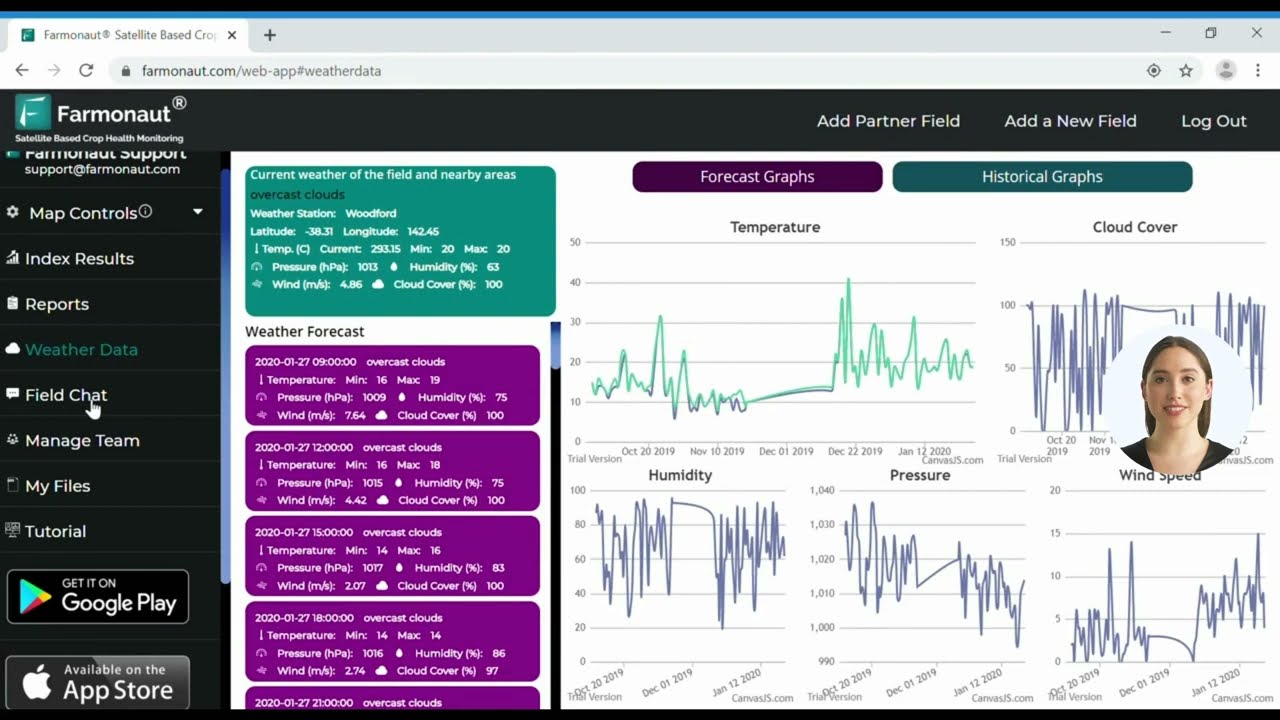
Our web app streamlines satellite-based crop and forest health monitoring—ideal for managing cedar plantations, tracking growth, and optimizing carbon footprinting projects as you scale.
Water Management: Even alternate wet and dry farm phase detection is possible with our AI—helping farmers make the most of wetlands and buffer zones planted with white cedar trees for conservation or flood control.
In 2026, blockchain-based traceability solutions are becoming vital for forestry and sustainable wood products. These systems guarantee supply chain authenticity and boost consumer trust in cedar timber origins.
For those looking to secure financing for large cedar planting projects, satellite-driven crop loan and insurance verification tools are now crucial to lower fraud and speed up sustainable agriculture finance.
As forestry expands, effective fleet management – tracking machinery and vehicle resources for planting and harvesting cedar trees – is key for operational efficiency.
Farmonaut Satellite Solutions for Agriculture & Forestry
As a pioneering satellite technology company, Farmonaut offers advanced tools for satellite-based monitoring, environmental impact tracking, blockchain traceability, and resource management. Our solutions empower farmers, forestry professionals, and land managers to:
- Remotely monitor cedar tree plantations and forest health via NDVI, vegetation, and soil analytics
- Access real-time, AI-driven advisory systems for silviculture and land management
- Leverage blockchain for transparent supply chain traceability of timber and forest products
- Track carbon footprint and environmental impact for compliance and sustainability best practices
- Integrate via API for large-scale farm, forestry, or fleet management
The Farmonaut platform supports individual users, businesses, and government agencies in managing and scaling operations sustainably—using affordable satellite data and innovative technology.
Frequently Asked Questions (FAQ)
1. What are the top benefits of cedar trees in 2026?
Cedar trees—in all major varieties—offer enhanced biodiversity, carbon sequestration, erosion control, valuable timber, improved agricultural microclimates, wetland and water quality enhancement, and unmatched resilience to climate extremes.
2. Which cedar species are best for sustainable forestry?
The western red cedar tree (Thuja plicata) and eastern red cedar tree (Juniperus virginiana) are most commonly cultivated due to their adaptability, timber quality, and strong ecological benefits.
3. Can I buy cedar trees for reforestation projects?
Yes, in 2026, there are many certified nurseries and providers offering cedar trees for sale, suited for restoration, windbreak planting, and wetland conservation across North America. It’s best to source genetically diverse seedlings for climate resilience.
4. How do cedar trees store carbon and help with climate change?
Cedar trees store carbon in both their wood and soil. For example, western red cedar can store up to 3,200 kg of carbon per hectare annually, making them key assets in climate action plans.
5. How does Farmonaut help with cedar forestry and agriculture?
We provide satellite and AI-based insights, resource management, blockchain supply chain verification, and real-time carbon footprint tracking—empowering users to optimize cedar plantation health and sustainability.
6. What is the difference between red, white, eastern, and western cedar?
Red cedar often refers to eastern red cedar (Juniperus virginiana), common in central and eastern US; western red cedar (Thuja plicata) dominates the Pacific Northwest; white cedar (Thuja occidentalis) is found in northern climates and wetland habitats. Each has unique ecological and economic uses.
7. Are cedar trees suitable for agroforestry and permaculture?
Absolutely! Cedar species are often integrated into windbreaks, shelterbelts, and mixed-use agroforestry designs to reduce erosion, improve biodiversity, and protect crops and livestock across a range of climates.
Conclusion: The Enduring Significance and Modern Uses of Cedar Trees
To conclude, cedar trees—including red cedar, western red cedar, eastern red cedar, and white cedar tree—have long held a place of importance in sustainable forestry, climate-adaptive agriculture, and environmental conservation across North America and globally. Their vital ecological roles, economic value, and unique adaptability make them foundational to our efforts in maintaining healthy, resilient forests—and securing a sustainable future through 2026 and beyond.
As technology advances and the need for climate-smart land management grows, integrating innovative solutions from providers like Farmonaut will only strengthen the impact cedar trees have on our ecosystems, economies, and the well-being of future generations.

 Global Agrifood
 Cazlv
Cazlv HIPSAC
 ZOL Zimbabwe
 Juligerm
 AdBio
AdBio MISE Maroc
 Drift-Sense
 NWNS
NWNS Red August Group
 Farm Inc
 WeMe Global
 Agrotoken
 Blue BearX
 Insignito
 Croptimum
 DnCubed
 Field Capacity
 Indosistim Teknologi
