

Chicken Poop Compost: Top Benefits for Sustainable Farming (2026 Guide)
Introduction: Chicken Poop Compost for Sustainable Farming in 2026
Chicken poop compost has emerged as an invaluable resource for enhancing soil fertility and promoting healthy crop production in modern agriculture. As we look to 2026 and beyond, the demand for organic fertilizers that align with sustainable farming practices has never been higher. Chicken poop, long regarded as mere waste in poultry operations, is now recognized for its richness in essential nutrients such as nitrogen, phosphorus, potassium, and a host of vital micronutrients.
The composting process transforms raw chicken poop—originally packed with ammonia and potential pathogens—into a safe, balanced organic fertilizer suitable for a wide range of applications. Whether in vegetable fields, orchards, forestry projects, urban gardens, or commercial farms, chicken compost aids in soil structure improvement, water retention, and microbial activity, all critical for resilient and productive food systems.
The Science Behind Chicken Poop Compost
Why is chicken poop compost so beneficial to modern agriculture and soil health? The answer lies in how its nutrient profile interacts with soil biology:
- Rich Nutrients: Chicken poop contains high levels of nitrogen (1.5–2.5%), phosphorus (1.0–2.0%), and potassium (0.5–1.5%), making it a potent source of the primary macronutrients for plant growth.
- Vital Micronutrients: Micronutrients like copper, zinc, and magnesium are also present, addressing trace element deficiencies in many soils.
- High Organic Matter: The organic fraction improves soil structure, promotes microbial activity, and increases water retention.
However, it’s crucial to realize that raw chicken manure is unsuitable for direct application due to high ammonia content and harmful pathogens (including Salmonella and E. coli). Left uncomposted, it can damage crops and contaminate the environment. That’s where proper composting makes all the difference.
What Makes Chicken Poop Compost Superior?
Composting transforms poultry waste into a balanced, slow-release fertilizer. During aerobic decomposition, organic matter breaks down, neutralizing ammonia and destroying pathogens. The resulting chicken compost is well-suited for:
- Improving soil fertility in annual and perennial crops
- Cutting synthetic fertilizer use and input costs
- Supporting regenerative agriculture and healthy soil ecosystems

The science is clear: Composted chicken manure not only enriches soils, it also plays a vital role in reducing environmental impact by converting agricultural waste into a precious farming input.
How Chicken Coop Composting Works
Chicken poop composting is an integrated process that blends efficient waste management with sustainable nutrient cycling. Let’s break down the essentials of this practice as it matures into a cornerstone of modern sustainable agriculture by 2026:
Step-by-Step: Composting Chicken Poop Safely
- Waste Collection: Manure from chicken coops is collected, often mixed with bedding materials such as wood shavings or straw. This provides an important carbon source.
- Carbon-to-Nitrogen Balance: A C:N ratio between 25:1 and 30:1 optimizes decomposition. Bedding absorbs moisture and helps neutralize odors.
- Controlled Aeration: Piles are turned regularly to ensure oxygen reaches all layers. This favors aerobic microbes and prevents production of foul-smelling anaerobic gases.
- Temperature Monitoring: Compost piles heat up to 55–70°C (131–158°F), killing off harmful pathogens and weed seeds.
- Moisture Control: Maintaining ~50% moisture ensures efficient microbial activity.
- Maturation: Over 6-12 weeks (depending on conditions), the pile cools and the finished chicken compost develops a pleasant, earthy smell, indicating stability and safety.
Integrated chicken coop composting systems—ranging from simple backyard piles to automated turners for large farms—are increasingly invested in, as they:
- Facilitate the efficient collection of manure and bedding
- Minimize odor and fly populations
- Produce a nutrient-enriched, balanced fertilizer

Timeframe and Safety
Typically, chicken poop composting takes 6 to 12 weeks for safe, stable fertilizer production. The key is ensuring:
- High enough temperatures for pathogen kill-off
- Regular turning for even decomposition
- Proper moisture and carbon balance
By adhering to these best practices, farmers ensure the availability of a beneficial product—one that’s both safe and potent for soils, crops, and the wider environment.
Key Benefits of Chicken Poop Compost for Sustainable Farming
Below, we compare chicken poop compost with traditional plant-based compost and synthetic chemical fertilizers. This table clarifies why chicken compost stands out for modern and future-oriented sustainable agriculture.
| Benefit/Parameter | Chicken Poop Compost (Estimated Value) | Traditional Compost (Estimated Value) | Chemical Fertilizers (Estimated Value) |
|---|---|---|---|
| Nitrogen Content (%) | 1.5–2.5% | 0.5–1% | 5–46% (synthetic) |
| Phosphorus Content (%) | 1.0–2.0% | 0.2–0.5% | 5–20% (synthetic) |
| Improvement in Soil Organic Matter (%) | Up to 12% | 6–8% | Negative/None |
| Cost (per ton, estimated) | $40–$80 | $25–$60 | $200–$300 |
| Contribution to Soil Microbial Activity | Significantly enhances | Moderately enhances | No direct benefit; may suppress |
| Environmental Impact | Low (circular, low runoff) | Very low | High runoff, pollution, emissions |

Enhancing Soil Fertility & Microbial Life with Chicken Manure Compost
The addition of chicken poop compost to soils does more than just feed your crops. Over the years, repeated application creates a vibrant soil ecosystem by:
- Increasing soil organic matter and carbon—key to water retention and structure
- Boosting microbial activity, which transforms nutrients into plant-available forms
- Supporting nutrient cycling and reducing disease pressure through beneficial organisms
Unlike synthetic fertilizers, which can degrade soil over time,
chicken compost restores and sustains the soil’s natural fertility. Its organic acids chelate nutrients, making them available yet less prone to leaching. This leads to:
- Richer, healthier soils year after year
- Improved crop yields with reduced fertilizer inputs
- Groundwater protection from nitrate and phosphate runoff

Chicken Poop Compost Application in Agriculture, Horticulture & Forestry
Chicken poop manure has wide-ranging applications across the agricultural sector:
- Cereal Crops: Corn, wheat, and rice fields benefit from improved nitrogen release and water retention.
- Vegetable Farms: Tomatoes, potatoes, root crops, and leafy greens see higher yields and better flavor with chicken compost amendments.
- Fruit Orchards: Chicken compost provides slow-release phosphorus for deep-root nutrition in apples, citrus, and more.
- Forestry & Tree Nurseries: The gentle, steady supply of nutrients aids sapling establishment and reforestation projects even in poor soils.
- Horticulture & Urban Gardens: Professional landscapers and home gardeners use chicken compost for everything from lawns to flower beds for lusher, more resilient plantings.
Additionally, chicken coop composting systems make on-farm or community-based composting practical and scalable, especially when integrated with bedding recycling. By using locally produced manure, communities reduce waste, lower transportation emissions, and foster circular economies.

Chicken Poop Compost in Modern Forestry
In forestry and tree plantation, the slow-release nutrients of composted chicken manure ensure high survival rates in saplings and accelerate early growth phases. This effect is particularly beneficial in reforestation projects focused on restoring degraded soils. For more info on optimized forestry and plantation monitoring for sustainability, explore our Crop Plantation & Forest Advisory services.
Chicken Poop for Sale: Market Trends, Availability, and Demand in 2026
With growing awareness and adoption of organic, regenerative agriculture, the market for chicken poop for sale is expanding rapidly as we approach 2026. Both industrial suppliers and farmer cooperatives are responding to the growing demand for high-quality, safe, and affordable organic fertilizer.
How the Market Works
- Compost Manufacturers: Many agribusinesses now process, pelletize, and bag chicken compost—available online, at garden centers, and through agricultural distributors.
- Farm Co-ops: Poultry farms collaborate with crop growers to recycle chicken manure, allowing small-mid scale farmers reliable access without the need to raise poultry themselves.
- Local Blends: Custom organic soil blends are emerging, often using chicken compost alongside other amendments for a ‘sustainably enriched’ selling point.
- Packaging & Storage: Innovations in pelletization and storage mean chicken poop compost is clean, easy to spread, and convenient for users of all scales.
As environmental regulations become stricter in 2026, the market for processed chicken poop manure is poised to outpace many traditional fertilizer segments. This supports a global shift toward environmental stewardship and resilient, healthy food systems.

Sustainability, Environmental Impact, and Regenerative Agriculture
One of the greatest benefits of chicken poop compost is how perfectly it fits the ethos of circular, sustainable agriculture:
- Reduces Waste: Diverts tons of poultry litter away from landfills and water contamination.
- Carbon Sequestration: Builds soil organic matter and locks atmospheric carbon underground, mitigating climate change impacts.
- Reduces Agrochemical Use: Stable nutrients reduce the need for manufactured fertilizers, slashing fossil fuel use and environmental harm.
- Improves Ecosystems: Healthier soils mean stronger plants, increased biodiversity, and year-round soil cover.
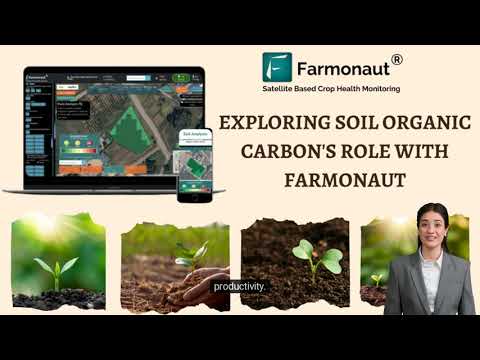
Chicken Compost: Solutions That Align with Agricultural Sustainability Goals
As we advance into 2026, organic waste management is no longer optional—it’s essential for resilient, climate-smart agriculture. Chicken poop compost is at the forefront, providing tangible solutions to the sustainability puzzle by:
- Minimizing pollutant runoff into surface water
- Improving farm profitability via lower input costs
- Supporting governmental and international environmental targets
Our Carbon Footprinting solutions help users track the impact of switching to compost-based fertilizers and make data-driven sustainability choices.
Farmonaut: Satellite-Driven Insights for Sustainable Agriculture
At Farmonaut, we are committed to empowering farmers, agribusinesses, and governments to adopt sustainable, science-backed farming practices—including optimized organic fertilizer use and soil health management.
- Satellite-Based Monitoring: Our platform uses advanced satellite imagery to assess crop health, soil conditions, and the effects of different fertilization strategies. With precise NDVI vegetation indices, water stress, and soil carbon maps, efficient chicken compost application becomes data-driven and tailored to each field’s needs.
- AI Advisory: The Farmonaut Jeevn AI System delivers real-time insights for sustainable resource management—covering everything from crop nutrition requirements to weather-driven compost scheduling.
- Blockchain Traceability: Using blockchain technology, we ensure complete traceability of farm products, including those produced with organic chicken fertilizers, building trust in supply chains. Learn more about Product Traceability.
- Environmental Impact Tracking: We enable farms to quantify and reduce their carbon footprint, monitor the adoption of regenerative practices, and report their positive impact using dedicated satellite tools.
- Large-Scale Farm Management: For commercial farms and agri-businesses, our Large-Scale Farm Management Tools help streamline operations, track compost application, and analyze long-term soil health data—ensuring continued improvement and profitability.
- API & App Access: Whether you’re a grower, consultant, or agtech developer, our API (API Access | API Docs) and app ecosystem make advanced satellite insight affordable and accessible worldwide.
Start leveraging Farmonaut’s innovative technology for next-generation sustainable agriculture:




Best Practices for Chicken Poop Compost Application
To extract the maximum benefit from chicken poop compost while minimizing risks, consider these implementation tips for 2026 and beyond:
- Ensure Full Composting: Only apply chicken manure that has been actively composted to eliminate pathogens and stabilize nutrients.
- Timing Matters: Apply compost several weeks prior to planting—especially on food crops—so nutrients are available when seedlings need them, but not lost to runoff.
- Incorporation: Mix the compost thoroughly into the root zone rather than applying it as a surface mulch for best nutrient availability and odor control.
- Appropriate Rates: Follow soil test recommendations, but as a guideline: 2–4 tons/acre annually for vegetables, 1–2 tons/acre for grass/hay, and lower rates for tree crops or sandy soils.
- Crop Rotation: Leverage compost in a rotation system—legumes, followed by heavy feeders—for balanced fertility and pest/disease suppression.
- Water Management: Pair with efficient irrigation to unlock the full water retention benefits of increased soil organic matter.
- Environmental Considerations: Avoid application on frozen or saturated ground to minimize nutrient losses and runoff.
For precision agriculture and sustainability reporting, utilize advanced satellite-based monitoring like Farmonaut’s Carbon Footprinting and crop loan & insurance verification tools to track improvements and support your transition to eco-friendly practices.
FAQ: Chicken Poop Compost in Sustainable Farming
1. Is raw chicken manure safe for direct application in gardens and fields?
No, raw chicken manure contains high ammonia levels and pathogens, making it unsuitable for direct use. It must be fully composted to ensure safety for crops, humans, and the environment.
2. How long does composting chicken poop take?
Under ideal conditions, chicken coop composting requires 6 to 12 weeks for the manure to fully decompose and stabilize, destroying pathogens and neutralizing ammonia.
3. What makes chicken compost better than plant-based compost or chemical fertilizers?
Chicken poop compost provides more nitrogen and phosphorous than most plant-derived composts, while improving soil organic matter—something chemical fertilizers don’t do. It also builds long-term soil health and reduces environmental impact.
4. Can I buy chicken poop compost if I don’t raise chickens?
Yes, chicken poop for sale is available from commercial compost manufacturers and many farm co-ops. Look for processed, pelletized products for convenience and safety.
5. Does chicken hide composting reduce greenhouse gas emissions?
Yes, composting chicken manure minimizes methane and nitrous oxide emissions compared to unmanaged poultry waste, contributing significantly to climate strategy in agriculture.
6. What soil and crop types benefit most from chicken poop compost?
Almost all crops—including corn, grains, vegetables, fruits, and even tree plantations—benefit greatly from chicken compost, especially where soils are depleted or organic matter is low.
7. How does Farmonaut support the adoption of sustainable fertilizer practices?
At Farmonaut, we offer satellite-driven insights, AI-based advisories, environmental impact tracking, and transparency solutions to help farms optimize organic amendments and monitor soil and crop health efficiently and affordably.
Conclusion: Chicken Poop Compost—A Cornerstone of Sustainable Farming in 2026 and Beyond
As we approach 2026, chicken poop compost is rapidly becoming a cornerstone resource in the movement toward sustainable, regenerative, and organic agriculture. By offering a practical solution to nutrient management, waste reduction, climate mitigation, and soil health improvement, chicken manure compost transforms what was once an agricultural byproduct into a critical input for healthy crops and resilient food systems.
Whether you’re a small-scale organic grower, a commercial producer, or a forester, integrating chicken poop compost into your farming system promises increased yields, healthier soils, and a lighter footprint on the planet. As the market for chicken-based organic fertilizers and data-driven sustainable agriculture practices continues to grow, now is the perfect time to embrace proven, science-backed solutions for a thriving agricultural future.
Ready to harness the full power of precision sustainability? Get started with Farmonaut—your partner for satellite monitoring, AI-driven advice, traceability, and environmental impact tracking for today’s and tomorrow’s farms.
Sow the seeds of sustainability with chicken poop compost—nature’s most powerful fertilizer for farming that cares for the future. For intelligent, affordable, and scalable solutions, Farmonaut brings the future of digital, eco-friendly agriculture to your fingertips.
Discussion
Questions, corrections or field experience? Share them below. First-time comments are reviewed before they appear, and your email is never published.
No comments yet. Be the first to add a question or your experience.

 JJM Farms
 WeMe Global
 Pixxel
 Agrotoken
 Blue BearX
 Insignito
 Croptimum
 DnCubed
 Field Capacity
 Indosistim Teknologi
 Liquify Digital
 CU Foods
 BeyondTech Global
 Rouge VC
 AgroGreen Dynamics
 AgroRisk
 Oath Inc
 Reddane Farming
 Esri North East Africa
 Licence holder · Niger · Gold










