

Chlorosis Due to Deficiency of Iron: 7 Top Solutions
Table of Contents
- Introduction
- Understanding Chlorosis Due to Deficiency of Iron
- Chlorosis in Agriculture: Context & Crop Impact
- Diagnosis and Detection of Iron Chlorosis
- Comparison Table of Iron Chlorosis Management Solutions
- Top 7 Solutions for Iron Deficiency Chlorosis
- 1. Adjusting Soil pH to Enhance Iron Availability
- 2. Chelated Iron Fertilizers
- 3. Organic Matter & Compost Additions
- 4. Nano-Iron and Advanced Formulations
- 5. Crop Breeding and Selection for Iron Efficiency
- 6. Precision Soil and Water Management
- 7. Rhizosphere Microbiome Optimization
- Innovative Detection & Monitoring with Farmonaut
- Future Perspectives: Research & Technology for 2025 & Beyond
- Frequently Asked Questions (FAQ)
- Conclusion
“Up to 30% of global crops may suffer yield losses annually due to iron chlorosis from soil pH imbalance.”
Introduction
Chlorosis due to deficiency of iron is recognized as one of the most common physiological disorders affecting plant growth in agricultural systems globally. Characterized by the yellowing of young leaves, this condition can severely reduce crop quality and yield, especially in key staples like maize, wheat, soybeans, and fruit crops such as citrus and apples. In this comprehensive guide, we’ll explore the science behind iron chlorosis, its agricultural implications, modern diagnosis, and the seven top management solutions—all grounded in the latest research, technology, and sustainability trends for 2025 and beyond.
Incorporating advances in detection and management, this post is tailored to farmers, agronomists, agri-businesses, and technical advisors aiming for not only higher productivity but also environmental sustainability in modern agriculture.



Understanding Chlorosis Due to Deficiency of Iron
What is Iron Chlorosis?
Iron chlorosis is a physiological disorder in plants characterized by the yellowing of leaf tissue due to insufficient chlorophyll synthesis. While iron (Fe) is essential for chlorophyll production, electron transport during photosynthesis, and various enzymatic processes, its bioavailability in soil is often highly limited. This makes iron deficiency an especially common cause of chlorosis, often impacting young leaves first.
Iron, despite its abundance in the earth’s crust, commonly exists in insoluble ferric (Fe³⁺) forms—particularly in calcareous or alkaline soils, which are widespread in many major agricultural regions worldwide. Iron deficiency may also be exacerbated by high soil pH, excessive bicarbonates, poor aeration, or excessive phosphorus levels, further limiting iron uptake in plants.

Symptoms of Iron Deficiency Chlorosis (IDC)
- Interveinal yellowing: Leaves, particularly young ones, develop yellow areas between green veins—a classic IDC symptom.
- Stunted growth: Severe deficiency causes dwarfism and reduced new tissue development.
- Poor yield & quality: Lower photosynthetic capability reduces overall plant productivity, affecting both quantity and quality of crops.
Why are Calcareous and Alkaline Soils Prone to Iron Chlorosis?
Calcareous (lime-rich) and alkaline soils have high pH that converts iron into insoluble forms, significantly limiting uptake by plant roots even if total iron content is high. Such soils are common in the US Midwest, Australia, and around the Mediterranean, affecting vast regions with otherwise fertile land.
Additionally, excessive irrigation can lead to poor aeration, and high phosphorus fertilization can hinder Fe absorption, making IDC management a multi-factorial challenge.
“Precision diagnosis technology can detect iron chlorosis 40% faster, promoting sustainable and targeted nutrient management.”
Chlorosis in Agriculture: Context & Crop Impact
Chlorosis due to deficiency of iron is a major concern in the cultivation of staple crops and fruits. Let’s explore its impact:
- Soybeans (US Midwest, Australia): High-pH soils often induce IDC, causing yield losses of up to 50% in severe cases.
- Maize and Wheat: These cereals are frequently affected in alkaline soils, leading to decreased food security where these are staple food sources.
- Fruit crops (Citrus, Apple): Symptoms include poor fruit set, reduced sugar content, and marketability issues.
- Forestry and Plantation Trees: Young trees on marginal or disturbed soils may show chlorosis and stunted growth, threatening both reforestation sustainability and timber economics.
The economic implications are clear: IDC threatens not just quantity and quality of agricultural produce but also long-term soil health, land value, and food supply resilience.
Why is Early Diagnosis Critical?
- Early Yellowing Signals Trouble: Initial interveinal chlorosis in new leaves is your first defense for timely management.
- Economics & Sustainability: Speedy identification prevents over-application of fertilizers and targets interventions—key to sustainable agricultural practices for 2025 and beyond.
Diagnosis and Detection of Iron Chlorosis in Crops
Detecting chlorosis due to deficiency of iron starts with symptom recognition but is most effective when combined with modern technology and analytics. Here’s how diagnosis has evolved:
Visual Identification
- Young leaves turn yellow while veins remain green (interveinal chlorosis)
- In advanced cases, entire leaf tissues may become pale or even necrotic.
Laboratory & On-Farm Analysis
- Leaf tissue analysis: Accurately measures Fe concentrations (typically, less than 50 ppm signals deficiency).
- Soil testing: Assesses pH, available and total Fe fractions, alongside other elements like phosphorus, zinc, manganese.
High-Tech Approaches for 2025
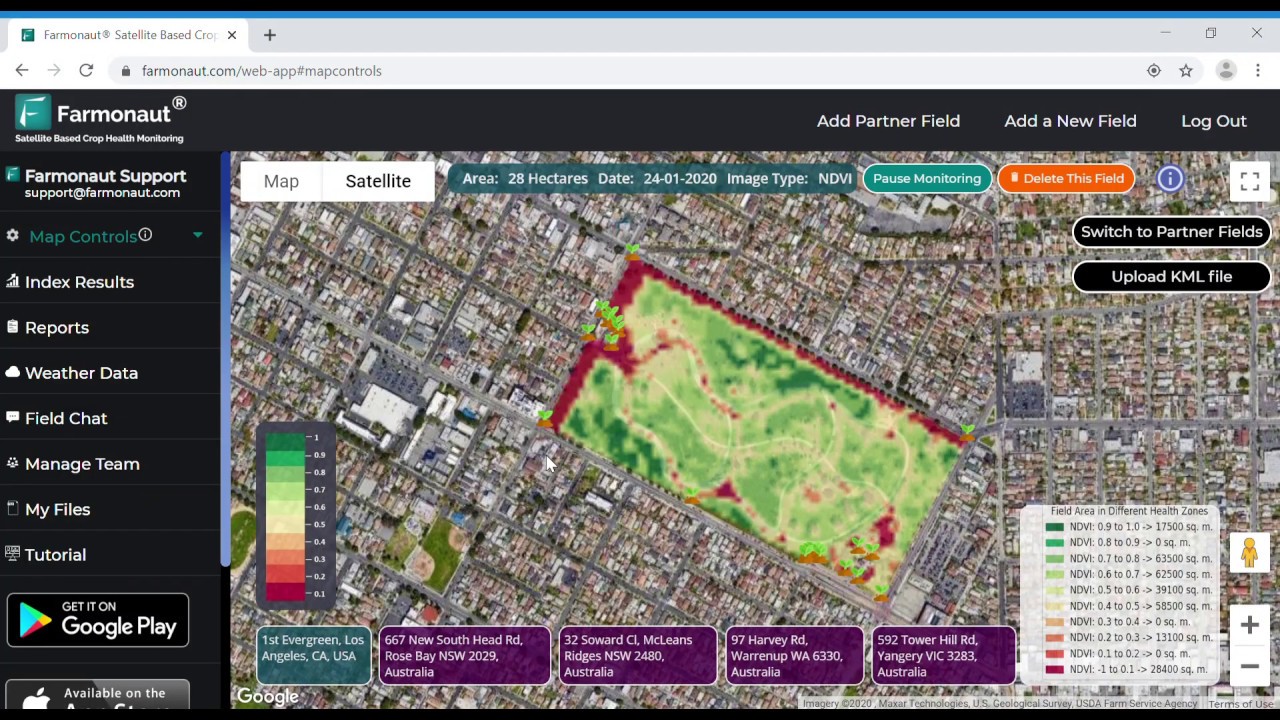
- Drone & Satellite Monitoring: Multispectral and hyperspectral imagery pinpoints chlorotic zones with high accuracy and speed.
- AI-based Detection: Algorithms automatically identify chlorosis patterns for targeted advisories and interventions (see how Farmonaut’s Jeevn AI can help).

- Remote Sensing for Large-Scale Farms: Satellite tools (Farmonaut’s Large Farm Management Suite) facilitate continuous, remote assessment for inaccessible or big land parcels—enabling rapid, site-specific management while conserving both time and resources.
Blockchain Traceability for Sustainable Nutrient Management
Trace fertilizer application and field interventions using blockchain solutions (Farmonaut Product Traceability Platform)—providing full transparency and supporting eco-certification programs.
API Integration for Digital Agronomy & Custom Applications
Integrate chlorosis and crop health monitoring into your own agri-platforms using the Farmonaut API. For technical integration, see the API Developer Docs.

Comparison Table of Iron Chlorosis Management Solutions
| Solution Name | Method of Application | Estimated Effectiveness (% Improvement) | Cost Estimate (per hectare) |
Sustainability Score (1-5) |
Speed of Results (weeks) |
Environmental Impact |
|---|---|---|---|---|---|---|
| Soil pH Acidification | Soil amendment (elemental sulfur) | 40–75% | $150–$400 | 4 | 2–12 weeks | Low |
| Chelated Iron Fertilizers | Foliar spray/soil drench | 60–95% | $120–$250 | 3 | 1–3 weeks | Moderate |
| Organic Matter Addition | Soil incorporation | 35–65% | $80–$220 | 5 | 3–8 weeks | Low |
| Nano-Iron Formulations | Foliar/soil application | 70–98% | $250–$500 | 4 | 1–2 weeks | Low |
| Iron-Efficient Crop Varieties | Crop selection/breeding | 30–90% | $0 (seed cost diff.) | 5 | Varies (seasonal) | Low |
| Water & Irrigation Management | Irrigation adjustment/drainage | 10–45% | $30–$100 | 4 | 2–6 weeks | Low |
| Soil Microbiome Enhancement | Bioinoculants addition | 30–70% | $90–$200 | 5 | 2–8 weeks | Low |
*Effectiveness and costs are indicative and may vary by crop, region, and farm management practices. Sustainability scores consider long-term environmental and agronomic impacts.
Top 7 Solutions for Iron Deficiency Chlorosis
1. Adjusting Soil pH to Enhance Iron Availability
Soil pH plays the most crucial role in iron solubility for plant uptake. In calcareous and alkaline soils, iron exists as insoluble ferric compounds unavailable for root absorption. The core management strategy is to reduce soil pH and promote iron accessibility.
- Soil Amendments: Elemental Sulfur—application of sulfur leads to the biological production of sulfuric acid, slowly lowering soil pH over time and improving iron solubility.
- Acidifying Fertilizers (e.g., ammonium sulfate)—can aid in localized pH lowering around roots.
- Target pH: For most crops, a soil pH of 6.0–6.5 is optimal for iron uptake.
Monthly soil testing is recommended to monitor adjustments and prevent over-acidification, which could disrupt other nutrient balances.
2. Chelated Iron Fertilizers: Direct Correction for IDC
Chelated iron fertilizers are highly effective for rapid correction of chlorosis due to deficiency of iron, especially when applied as foliar sprays.
- What are Chelates?—Organic molecules (e.g., EDDHA, EDTA) wrap around Fe ions, protecting them from rapid oxidation and precipitation in alkaline conditions.
- Application—Foliar spraying is best for immediate symptom relief, while soil application is possible but less persistent in highly alkaline soils.
- Recommended Products: Fe-EDDHA is the most stable chelate for calcareous soils.
- Effectiveness: Visible green-up within 1–3 weeks.
Careful calibration and dilution are essential to avoid phytotoxicity. Repeat applications may be necessary for high-value fruit crops throughout the season.

3. Organic Matter & Compost Additions
Enhancing organic matter in soils not only improves structure and water retention but also stimulates soil microbial activity, indirectly boosting iron bioavailability.
- Mechanism: Decomposition of organic residues releases organic acids that help solubilize ferric iron.
- Materials: Compost, manure, biochar, and cover crops are suitable amendments.
- Benefits: Increases soil fertility, water retention, microbial diversity, and resilience to environmental stresses (drought, salinity).
Sustainability impact is high, making this approach central to modern, regenerative agricultural strategies.
4. Nano-Iron & Advanced Formulations
Nano-iron fertilizers represent the technological frontier for chlorosis management. The extremely small particle size and surface chemistry of nano-iron formulations allow for:
- Better foliar and root absorption
- Reduced leaching and loss
- High efficiency at lower application rates, minimizing environmental impact
While cost remains higher than traditional chelates, continued 2025 research in nano-fertilizers is driving adoption in high-value fruit and export crops, with sustainability scoring well due to potentially lower dosing requirements.
5. Crop Breeding & Selection for Iron Efficiency
The most sustainable solution for iron deficiency in agriculture is the adoption of iron-efficient crop varieties developed via molecular breeding and gene editing.
- How It Works: Varieties are bred or edited to have:
- Enhanced Fe uptake mechanisms
- Tolerance to high soil pH and low Fe conditions
- Current Focus: Soybeans, wheat, maize, citrus, and apples. Global breeding initiatives are developing IDC-tolerant cultivars, offering built-in resilience for regions like the US Midwest and Australia.
- Advantages: Once established, requires no special input, and supports organic and low-input farming systems.
Monitor future seed catalogues and ask local extension agents about newly released, iron-efficient varieties.

6. Precision Soil & Water Management
IDC is often worsened by excessive or poorly managed irrigation, leading to waterlogging, which impairs root function. Precision water management includes:
- Installing drainage systems or using raised beds in susceptible fields.
- Avoiding excessive irrigation, particularly during early crop establishment.
- Monitoring phosphorus levels, as both excess water and phosphorus may exacerbate iron deficiency via root stress and nutrient antagonism.
Smart management prevents additional stressors, resulting in healthier, more resilient crops, and aligns with climate adaptation practices.
7. Rhizosphere Microbiome Optimization
Beneficial rhizosphere bacteria and fungi play a significant role in the biological solubilization of iron. They release siderophores and organic acids—making previously insoluble Fe bioavailable to plants.
- Bioinoculant products based on Bacillus or Pseudomonas species are being increasingly used for IDC management.
- Field application is simple, and impacts are noticeable within several weeks in supportive soil conditions.
While still an emerging solution, microbiome strategies score very well on sustainability and long-term soil health improvement.
For forestry or plantation crop management, our satellite-driven Crop Plantation and Forest Advisory platform offers integrated monitoring, early disorder detection, and customized recommendations for maximizing plantation health and sustainability.
If you need advanced fleet management for agricultural logistics, from tractors to irrigation pumps, our Fleet Management Tool enables optimization combining geo-tracking and predictive maintenance—lowers fuel use and aligns with climate-smart farming.
Our carbon footprinting service (Farmonaut Carbon Footprinting Solution) helps growers monitor, manage, and reduce greenhouse gas emissions from fertilizer and water use—enhancing environmental compliance and boosting crop marketability for 2025 and beyond.
Explore how you can secure agricultural financing with confidence through our Satellite-based Crop Loan & Insurance Verification—ensuring both lender and farmer benefit from full satellite evidence for better access, lower fraud, and sustainable agri-economics.
Subscribe for Advanced Chlorosis Detection and Crop Monitoring
Innovative Detection & Monitoring with Farmonaut
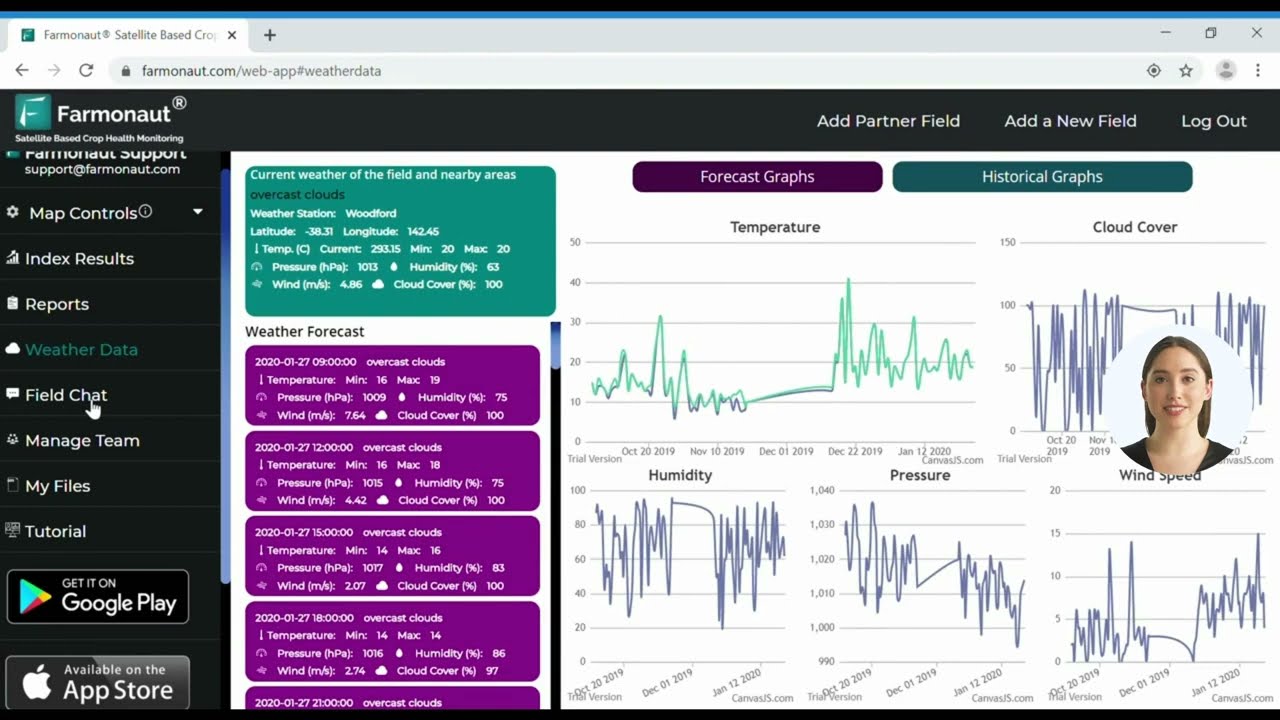
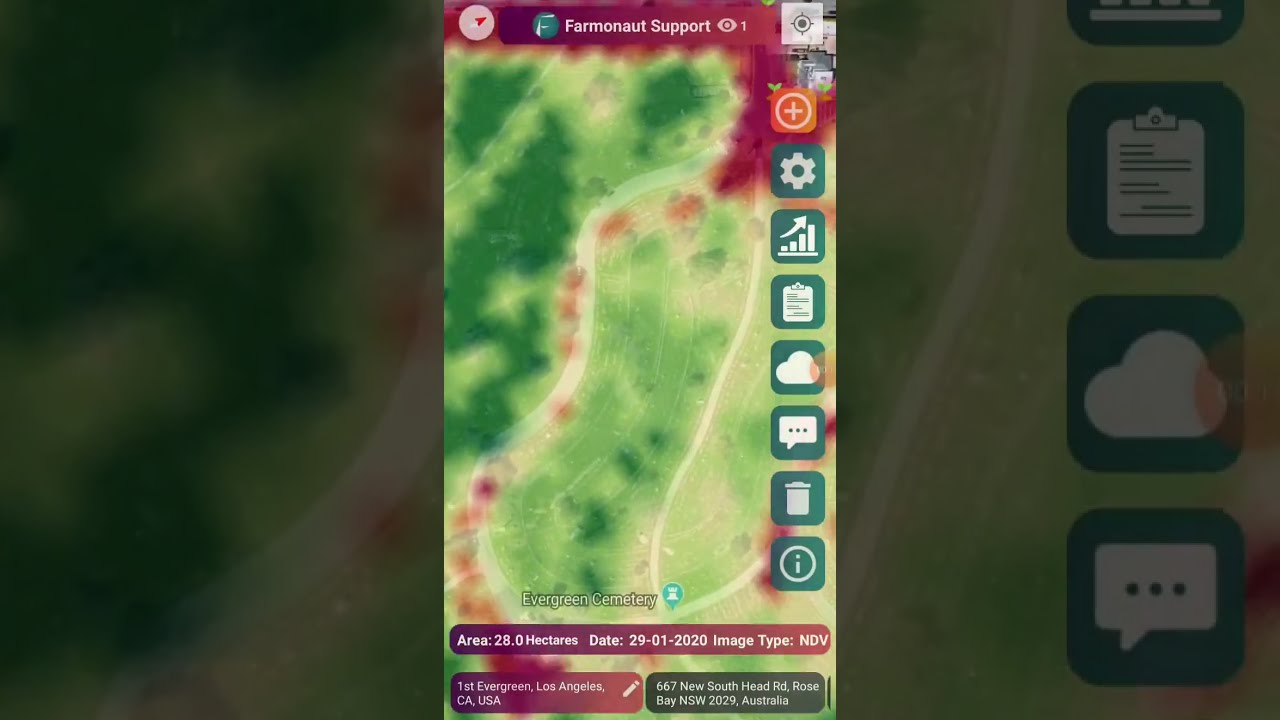
At Farmonaut, we leverage satellite technology, AI, and machine learning to bring unparalleled, affordable insights into field and crop health. Our multispectral satellite imagery can identify chlorosis, track its progression, and enable remote, data-driven decision-making at any scale—from small farms to nationwide agricultural monitoring programs. Our Jeevn AI system delivers tailored advisories, while our blockchain tools ensure traceability and transparency for sustainable agriculture.
With our solutions, you can:
- Detect IDC 40% faster—thanks to advanced, cloud-based analytics
- Target fertilizer and soil amendments where they’re needed most
- Monitor crop health, environmental impact, and compliance at the plot, farm, or regional level
- Integrate with your existing digital systems using our comprehensive Farmonaut API—see the developer docs here
These technologies are future-proof and adapt to new regulations, market standards, and climate variables, supporting both economic and environmental sustainability for food systems worldwide.
Future Perspectives: Research & Technology for 2025 & Beyond
The next generation of chlorosis due to deficiency of iron management will be defined by further integration of high-resolution imagery, automation, and smart recommendations:
- AI & Satellites: Deeper field diagnosis and prediction of IDC based on weather, soil data, and plant development phenology.
- Precision Genetics: Wider adoption of gene-edited, iron-efficient crop varieties (especially for challenging regions like the Midwest US and southern Australia).
- Rhizosphere Engineering: Microbiome management for both iron and multi-nutrient efficiency will be mainstream by 2025, aided by smart inoculant delivery systems.
- Carbon & Resource Monitoring: Carbon footprint audits and resource optimization will be integrated into every commercial farm’s tech stack. (Try Farmonaut Carbon Footprinting).
Sustainability will remain at the heart of agricultural innovation, from reducing excess fertilizer use and environmental run-off to achieving food security and lowering the carbon impact of global supply chains.
Frequently Asked Questions (FAQ) — Iron Chlorosis in Agriculture
1. What triggers chlorosis due to deficiency of iron in plants?
Chlorosis due to deficiency of iron is usually triggered by high soil pH (>7.5–8.5), calcareous/alkaline soils, excessive irrigation (leading to poor aeration), or excessive phosphorus fertilization that blocks iron uptake. Even if iron is present in the soil, these factors may render it insoluble and unavailable to roots.
2. Which crops are most sensitive to iron chlorosis?
Soybeans, wheat, maize, citrus, apple, and many fruit trees are especially prone, particularly on calcareous and alkaline soils, such as those commonly found in the US Midwest, Australia, the Mediterranean, and parts of Asia.
3. How can I quickly and accurately diagnose IDC?
Begin with visual identification (yellow interveinal chlorosis in young leaves), but confirm with leaf tissue and soil analysis. For larger fields or remote locations, leverage satellite or drone imagery—or try Farmonaut’s AI-powered crop health monitoring tools for rapid, targeted diagnosis.
4. Is foliar iron spray better than soil application?
Foliar sprays of chelated iron (especially Fe-EDDHA) deliver fast symptom relief, particularly in high pH soils where soil-applied iron is rapidly rendered insoluble. Both methods may be used in tandem for persistent problems or sensitive crops.
5. Can improving irrigation or reducing phosphorus really help?
Yes, waterlogging diminishes root health and nutrient uptake, exacerbating IDC. Similarly, excessive phosphorus creates antagonism at the root interface. Balancing water and nutrient management is critical for sustainable yields—precision approaches are best.
6. How do nano-iron fertilizers compare in real-world results?
Nano-iron fertilizers are rapidly absorbed and highly efficient, often outperforming standard chelates in foliar applications with reduced environmental footprint. Research in 2025 is accelerating their mainstream agricultural uptake, especially in fruit crops.
7. Why does Farmonaut emphasize satellite monitoring for chlorosis?
Because satellite-driven insights enable cost-effective, field-scale monitoring, pinpointing chlorosis zones and supporting custom, site-specific interventions—improving yield, reducing costs, and minimizing environmental harm over time.
Conclusion: Sustainable Management of Iron Chlorosis for a Productive Agricultural Future
Chlorosis due to deficiency of iron—a widely prevalent physiological disorder—continues to compromise crop yields and food quality worldwide. With growing climatic, environmental, and economic pressures, adopting a holistic, technology-driven, and sustainable approach is essential.
Key takeaways for farmers, agronomists, and agri-businesses as we move into 2025 and beyond:
- Understand the chemistry: Soil pH, organic matter, and microbiology are at the heart of iron availability.
- Diagnose early using technology: Satellite and AI-powered monitoring (Farmonaut App) support precise, timely interventions for both small and large farms.
- Choose the best solution for your context: From acidification, chelated iron, and nano-iron to efficient crop breeding and microbiome engineering—tailor your strategy for maximum sustainability.
- Integrate traceability and carbon footprint monitoring: Leverage digital tools and blockchain for transparency, market access, and environmental stewardship (Traceability Solutions | Carbon Monitoring).
- Support sustainable, resilient food systems: Maintain productivity while protecting soil health and climate resilience for farmers and communities worldwide.
For the next generation of chlorosis management and crop monitoring, Farmonaut offers you access, affordability, and actionable insights—empowering you to act fast, farm sustainably, and thrive in a changing world.
Need enterprise-level monitoring, weather prediction, or custom API access?
Explore the Farmonaut Large Scale Farm Management Platform or connect via our API (Developer Docs).
Let’s build the foundations for climate-resilient, productive, and sustainable food systems—starting by tackling chlorosis due to deficiency of iron today!

 Unnati Agri
 Geno
Geno Hayleys Agriculture
 Linx Agritech
 Adinet
 Save Your Soils
 Grandstream Algérie
 XOS Realty
 Geospatial Lab Africa
 Agro La Gándara
 HIPSAC
 ZOL Zimbabwe
 Juligerm
 AdBio
AdBio MISE Maroc
 NWNS
NWNS Red August Group
 Farm Inc
