

Cost to Clear Land: 2025 Clearing Land Cost & Savings
Introduction: Why Clearing Land Matters
Clearing land is a fundamental step in agriculture, forestry, infrastructure development, mining, and defense projects. The cost to clear land is not just a line item—it’s a strategic investment that shapes how efficiently and sustainably a site can be used for its intended purpose. As technology advances and environmental regulations evolve, understanding the nuances of clearing land cost is essential for anyone planning large-scale land development in 2025 and beyond.
In this comprehensive article, we explore all aspects of land clearing costs—particularly in the agricultural and forestry contexts where such activity is the most intensive and recurrent. We’ll examine the factors influencing costs, innovative equipment and technologies that optimize expenditures, regulatory impacts, and actionable strategies for cost savings. If you’re budgeting or planning a land clearing project in 2025, this exploration offers real-world data, cutting-edge techniques, and forward-thinking insights to help you make the right decisions.
Understanding the Cost to Clear Land: Core Concepts & Definitions
Cost to clear land refers to the total expenditure required to prepare a parcel of land by removing natural obstacles such as trees, brush, roots, rocks, and sometimes stumps. In the worlds of agriculture and forestry, this phase is often the most time-consuming and intensive, but it’s vital: properly cleared land improves planting efficiency, boosts productivity, and helps ensure the sustainability of future operations.
This initial investment directly affects long-term costs associated with planting, irrigation, soil management, and even compliance with environmental measures. Whether your focus is commercial farming, forest management, or developing land for infrastructure or mining, a clear understanding of the cost for land clearing is crucial to building effective work plans and realistic budgets.
Key Focus Keywords in Context:
Agricultural land and forestry land clearing cost trends, influencing factors, modern technology and equipment, labor, disposal, erosion, soil, sustainability, budgeting, and compliance with 2025 regulations.

Key Factors Affecting Clearing Land Cost in 2025
What drives the clearing land cost in 2025? Here, we break down the primary variables influencing cost estimates for agricultural and forestry projects when clearing a new site.
-
Size of the Land (Largest Influence)
- The larger the land tract, the higher the overall cost. However, economies of scale may apply: equipment and labor mobilization becomes optimized over bigger projects, sometimes reducing the average cost per acre.
-
Vegetation Type & Density
-
Thick forest canopies with mature trees, dense brush, and tangled root systems require vastly more effort (and higher costs) to clear compared to sparse grasslands.
Hardwoods (oak, maple) take longer and are more expensive to remove than softwoods (pine), while dense underbrush increases labor and equipment usage.
Example: a stand of pine is usually quicker to clear than mixed hardwoods with thick undergrowth.
-
Thick forest canopies with mature trees, dense brush, and tangled root systems require vastly more effort (and higher costs) to clear compared to sparse grasslands.
-
Terrain and Soil Conditions
- Rocky, uneven, or steeply sloping sites elevate clearing costs. These conditions often require specialized equipment (excavators, rock-breakers), adding significant expense. Flat, sandy, or clay soils are generally faster and easier to clear.
-
Debris Removal & Disposal
- Disposal is a cost that is easy to underestimate. Clearing activities generate a large amount of debris: stumps , brush , cut trees , rocks, and roots, all of which require either hauling, burning, or mulching . Environmental compliance may restrict burning or landfill disposal, leading to higher costs for recycling or mulching on site.
-
Equipment and Modern Technology
- The use of modern equipment like laser-guided bulldozers, advanced mulching mowers, and remote-operated machines can dramatically increase efficiency—and may raise upfront costs (purchase/rental). However, these investments are offset by labor savings and higher efficiency. Cutting-edge options like drone-based land analysis can further reduce unexpected costs.
-
Labor and Regional Wage Differences
- Skilled operators command premium rates in most regions. Regional labor markets also affect costs—wages in rural areas may be lower than in urbanizing regions, but experienced crews (especially those operating specialized equipment) cost more across the board.
-
Permits, Compliance, & Regulatory Requirements
- Most land clearing—particularly for large-scale agricultural or forestry operations—requires permits, environmental reviews, or zoning compliance. These not only require application fees but may mandate extra measures like buffer zones, sediment barriers, or reforestation plans. Noncompliance often results in costly delays or legal penalties.

How contractors price a land clearing job
There is no single national price for clearing land, because two acres can mean a morning with a mulcher or a week of stump pulling. Quotes usually come in one of three forms:
- Per acre: common for open or lightly wooded ground where the work is predictable.
- Per machine hour: common for mulching and dense or mixed cover. The total depends on how fast the crew moves, so ask for an hours estimate.
- Lump sum: a fixed price for a defined scope. It is easiest to compare, but only if the scope is written down.
To compare quotes fairly, check that each one says what happens to:
- mobilization (moving machines to and from the site);
- stumps: ground down, pulled out, or left;
- debris: mulched on site, piled and burned (which may need a local permit), or hauled away;
- rocks, grading and root raking to leave a plantable or buildable surface;
- erosion control such as silt fence or seeding, and any permits.
Get at least three written quotes for the same scope, walk the site with each contractor, and mark the trees you want kept. Aerial or satellite imagery of the parcel helps each bidder judge tree cover before the site visit, which narrows the spread between quotes.
Typical Clearing Land Cost in 2025
(Agriculture & Forestry Cost per Acre, Upfront Expenditure, & Industry Trends)
Cost per acre varies more with the site than with anything else: tree density, stump count, terrain, how debris is handled and what permits apply. Get written quotes for your own parcel rather than relying on a national average.
- Clearing lightly wooded or brush-covered land: $500 – $1,500 per acre
- Clearing heavily forested tracts (dense trees, stumps, rocks): $2,000 – $5,600+ per acre
- Forestry management with selective logging and reforestation: Costs can exceed $5,600 per acre with compliance, biodiversity, or soil protection obligations
Why the variation? Factors like biome type, local labor rates, regulatory costs, and your choice of method (bulldozers, excavators, mulchers, manual labor) all play substantial roles. Debris removal, especially stump and rock clearing, adds cost quickly.
For infrastructure, mining, and defense projects, final grades and environmental compliance can drive costs even higher.
Key Considerations:
- Fuel prices, new equipment technology, and regional laws impact estimates for 2025 and beyond.
- Permits and buffer zone requirements are stricter in regions facing deforestation risks and erosion control emergencies.
- Government incentives may reward carbon footprint reductions in land-clearing operations with financial offsets.

Modern Equipment and Technology: Efficiency & Cost Savings in Clearing Land
The landscape of land clearing is changing rapidly with advances in modern equipment and technology. In 2025, a successful and sustainable approach to clearing land—whether for agriculture, forestry, or large-scale infrastructure—demands the integration of new methods, satellite intelligence, and advanced machinery.
Types of Land Clearing Equipment in 2025
- Bulldozers – Best for rapid clearing of large areas; equipped with GPS and laser-guidance for precision and safety.
- Forestry Mulchers – Shred trees and brush in-place, returning organic matter to the soil and minimizing disposal costs. Newer models have higher throughput, lower emissions, and AI-powered auto-controls.
- Excavators with Specialized Attachments – Effective for steep, rocky, or uneven terrain; attachments allow selective tree, stump, and rock removal.
Example: Rock-breaker-equipped excavators are essential for rugged parcels where bulldozers are unsuitable. - Remote-Operated & Autonomous Machines – Reduce labor costs, increase safety, and work in hazardous locations where manual labor is impractical.
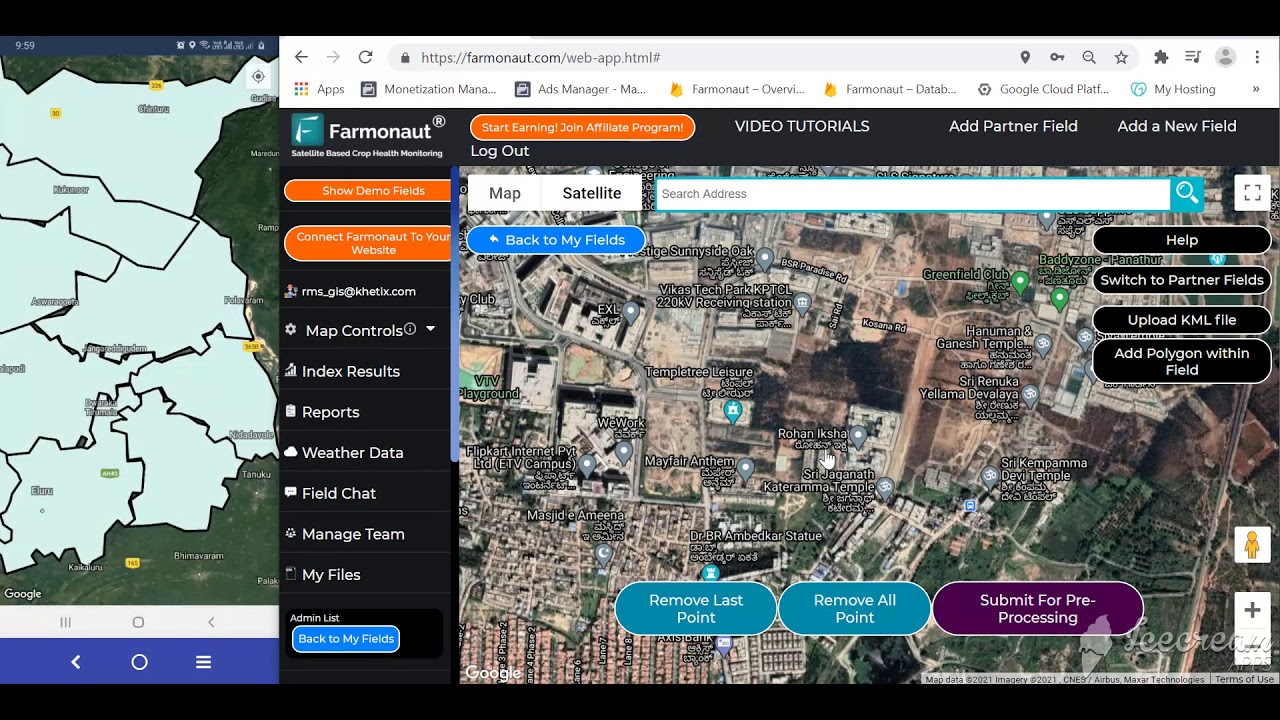
- Drone-Based Surveillance & Planning – Drones provide high-resolution maps for pre-clearing assessment and real-time progress monitoring, limiting idle time and reducing unexpected expenses.

Advantages of Modern Clearing Techniques
- Higher Efficiency: Modern machines accomplish in a day what manual crews do in a week, drastically reducing labor hours and the total project timeframe.
- Reduced Environmental Impact: Selective mulching, in-place processing, and cutting-edge mapping reduce soil disruption and erosion.
- Labor Safety and Availability: Autonomous and remote-operated tools reduce dangerous labor needs, crucial as skilled operator shortages continue in 2025.
- Data-driven Decision Making: Satellite and drone imagery enable precise planning, leading to fewer surprises, lower rework costs, and higher long-run ROI.

Cost Implications of Equipment Choices (2025)
- Upfront equipment costs might be higher, but reductions in labor, fuel, and disposal often lead to lower overall clearing land cost per acre.
- Maintaining or renting the latest machinery can be offset by shorter timelines—less rental time and fewer labor hours per site.
Smart tip: Site pre-analysis with satellite/drone data can uncover hidden terrain issues, helping teams pre-select the right equipment for the land, reducing mid-project delays and expenses.
Clearing Land Cost Savings: Proven Strategies and Innovations
With the cost for land clearing continuing to rise due to regulatory requirements and labor constraints, effective cost-saving strategies are more crucial than ever.
Top Ways to Reduce the Cost to Clear Land
-
Selective Clearing
Only remove what’s necessary for the intended project—leaving non-invasive trees, natural windbreaks, and undisturbed soil where possible.- This retains ecological benefits, lowers disposal needs, and often reduces permitting costs.
-
Phased Clearing
Break large projects into manageable phases, spreading costs and allowing time to assess how the first phase impacts terrain, erosion, and budget.- Reduces cash flow stress and allows adaptation if unforeseen issues arise.
-
Mulching Instead of Full Removal
Advanced mulchers process brush and small trees on the spot, depositing organic matter back into the soil.- Eliminates disposal charges, increases soil nutrients, and reduces site preparation time.
-
Leverage Government Incentives
In 2025, many regions (especially with reforestation or carbon offset programs) reward sustainable clearing and carbon tracking.- For a comprehensive solution, see Farmonaut’s Carbon Footprinting service for agricultural, mining, and forestry operations.
-
Use Technology for Site Assessment & Compliance
Large-scale farm management platforms offer satellite-based mapping, soil analysis, and operational tracking. These minimize costly surprises and support timely regulatory reporting, ultimately reducing overruns and fines.

Environmental & Regulatory Impacts on Land Clearing Costs in 2025
Environmental rules on land clearing aim to address habitat loss, soil erosion, water pollution and emissions tied to clearing. They vary by state and county, and compliance can be a real share of the cost.
Major Compliance-Driven Cost Additions
- Erosion Control & Sediment Barriers: Required for most projects, particularly on sloped or river-adjacent lands.
- Buffer Zones: Many areas now demand undisturbed buffer strips to protect habitat and water courses.
- Reforestation, Revegetation & Site Restoration: Obligations to replant trees or stabilize soils after clearing—especially in forestry management.
-
Carbon Emissions Tracking: Emerging regulations may require documentation and caps on emissions resulting from clearing operations.
See Farmonaut’s Carbon Footprinting for automated, satellite-based environmental impact tracking in compliance projects.
All these measures add expense that must be factored into the cost to clear land for agriculture, forestry, infrastructure, mining, and defense.
Failure to adhere to regulations can lead to project shutdowns, large penalties, or debarment from government contracts.

Comparative Cost Table: Land Clearing Methods, Types, & Savings (2025)
To make budgeting and decision-making easier, the table below compares estimated land clearing costs by popular method and land type for 2025. This snapshot shows the powerful benefits of innovative technology and modern equipment in reducing both timelines and total expenditures in the clearing process.
Innovative Satellite Solutions for Land Clearing and Management with Farmonaut
With land clearing projects becoming increasingly technology-driven, satellite-based intelligence is transforming how clearing, compliance, and ongoing land management are conducted.
At Farmonaut, we specialize in delivering real-time, multispectral satellite imagery and AI-powered analytics to empower farmers, foresters, infrastructure developers, and mining operators. Here’s how our solutions can help optimize costs and improve sustainability in your clearing land projects:
- Pre-Project Terrain Analysis: Satellite monitoring helps you assess vegetation density, slope, soil type, and hidden obstacles before mobilizing equipment. This ensures selected machinery—whether bulldozers, mulchers, or excavators—is best matched to site conditions, minimizing wasted effort and reducing per-acre costs.
- On-Going Site Monitoring: Our platform enables continual tracking of cleared and uncleared areas, equipment movement, and compliance measures (e.g., erosion controls), all mapped in real-time for data-driven decisions.
- Environmental Compliance & Impact Tracking: With carbon emission and environmental monitoring features, regulatory compliance and sustainability reporting become seamless and affordable.
- Resource, Fleet & Project Management: Via our fleet and resource management tools, land managers can deploy, monitor, and optimize the usage of equipment, ensuring optimal productivity and reduced operational costs.
- Seamless Integration & Accessibility: Access satellite insights, environmental data, and management tools via web, iOS, or Android with affordable subscriptions or easily customizable APIs (API, API Developer Docs).
If you are a large-plot farmer or land development administrator, check out our Large Scale Farm Management solution—a go-to platform for satellite monitoring, resource allocation, and compliance tracking at the field or organizational level.



When clearing land in 2025 and beyond, harnessing data and satellite technology isn’t just a competitive advantage—it’s the new baseline for efficiency, compliance, and sustainability.
Want to see pricing? Explore our hassle-free subscriptions below:
For highly regulated, export-focused, or specialty crop plantations, our Traceability solution is ideal for cost-efficient compliance and ensuring transparency from clearing to harvest.
Looking for satellite-enabled input for agri-loans or insurance after clearing? Discover Crop Loan & Insurance Verification based on remote best-in-class monitoring, saving you time and money.
Crop Plantation and Forest Advisory is our app-driven solution for forest owners or those converting land to managed tree plantations.
Frequently Asked Questions: Clearing Land Cost in 2025
How much does it cost to clear land per acre in 2025?
There is no reliable single figure. The price depends on vegetation, terrain, stumps, debris disposal, method and required compliance measures, so get written quotes for your parcel.
What is the least expensive way to clear land?
For light brush on a small plot, clearing it yourself with chainsaws and hand tools costs least in cash, but it is slow. For midsize parcels, a forestry mulcher or bulldozer crew is usually more cost-effective once labor time is counted.
Does technology really reduce clearing land cost?
It can. Mulching in place avoids hauling costs, and checking the site from imagery before bidding helps match the machine to the job and avoid surprises.
How do regulations and environmental measures impact cost?
Environmental regulations require erosion controls, debris management, buffer zones, and documentation (sometimes including emissions tracking). These add cost, especially in forestry or near sensitive habitats.
Are there ways to save on the cost to clear land?
Yes. Key strategies include selective clearing, phased approaches, use of mulching, leveraging government grants, and harnessing satellite-based management for proactive compliance tracking and site assessment.
Can Farmonaut help determine the most cost-efficient clearing approach?
Yes, we offer satellite-based vegetation and terrain analysis, operational monitoring, and project management—helping you select optimal equipment and minimize unexpected costs. Plus, we provide real-time compliance and environmental tracking, supporting efficient and responsible land management.
What about rocks, stumps, and hard-to-clear obstacles?
Sites with large rocks or deep-rooted stumps cost more to clear; specialized excavators or rock-breakers may be needed, increasing time and labor. Pre-clearance assessment with satellite imagery can accurately gauge obstacle densities and help plan the most suitable equipment.
Are there specific apps or APIs for remote site clearing management?
Farmonaut provides full access via web, iOS, Android, and API, making remote project, equipment, and compliance management seamless for users and businesses anywhere. See our tool suite for Fleet Management and Large-Scale Land Management.
Conclusion: Optimizing Land Clearing Cost for the Future
The cost to clear land in 2025 and beyond remains a major consideration across agriculture, forestry, infrastructure, mining, and defense projects. As this article has explored, careful examination of land type, vegetation, terrain, debris, equipment selection, and regulatory requirements is essential before clearing starts.
Leveraging modern equipment (bulldozers, forestry mulchers, specialized excavators), data-driven planning (drones, satellite imagery), and innovative digital management tools can drastically reduce costs and improve sustainability. Factoring in environmental compliance and leveraging government incentives or technological tools (like those from Farmonaut) further streamline the planning and budgeting process.
Smart planning and investment in technology allow for optimized expenses and project performance—helping stakeholders achieve their desired outcomes without compromising regulatory compliance, productivity, or the health of the land.
For real-time monitoring, environmental impact tracking, operational optimization, and compliance support in your next land clearing or management project, we recommend exploring our full satellite-driven suite on web or mobile.
Ready to take control of your clearing land cost in 2025? Start with cutting-edge satellite-based land management from Farmonaut!
Discussion (1)
Questions, corrections or field experience? Share them below. First-time comments are reviewed before they appear, and your email is never published.
Wade Sellers Helpful breakdown of land clearing costs and the different methods available. I especially like the comparison between forestry mulching and traditional cut-and-haul clearing, since debris disposal can significantly affect the total project cost. Property owners should also consider stump removal, site access, and future construction plans before choosing a method. Getting a few detailed, site-specific quotes is a smart way to avoid unexpected expenses.
No comments yet. Be the first to add a question or your experience.

 Consulthink Global
 Rouge VC
 Yutz Automation
 AgroGreen Dynamics
 AgroRisk
 Oath Inc
 Reddane Farming
 Esri North East Africa
 Cresol
 Atur Kuliner
 MDCV UK
 Zerella Group
 Etech Consulting Madagascar
 Vestlandsforsking
 Delicio
 WB Dev
 Sama Premium
 Prochecker
 Tres Valles
 LACOS Geoinformation
 Magrifly
 LatConnect 60
 Blickwinkel
 Exploration consultancy · South Africa · Gold
 Licence holder · Niger · Gold










