

Curriculum for Agricultural Science: Jobs & College Guide
Empowering Future Leaders in Sustainable Farming, Environmental Stewardship & Innovation
“Over 60% of agricultural science graduates pursue careers in sustainable farming and environmental management worldwide.”
“Sustainable agriculture courses have increased by 40% in college curriculums over the past decade.”
What is Agricultural Science and Its Importance?
Agricultural science is a multidisciplinary field that sits at the heart of sustainable farming, forestry, and natural-resource management. At its core, it seeks to equip students with the knowledge and practical skills needed for innovation, conservation, and optimizing production systems—be they crops, animals, forestry, or land management. The importance of agricultural science education lies in its power to enable society to improve food security, environmental stewardship, and community development, especially in regions like Australia where agricultural output is vital to the economy and sustainability efforts.
- ✔ Multidisciplinary Approach: Combines concepts from biology, chemistry, engineering, economics, ecology, and technology for a holistic understanding of food and fiber systems.
- 📊 Real-World Relevance: Directly addresses issues faced by modern farmers, agribusinesses, and regulatory bodies, such as climate adaptation, disease control, and efficient resource use.
- 🌱 Driving Innovation: Advances in genetics, breeding, AI-driven management, and sustainable practices are fostering the next generation of resilient agricultural systems.
- 🌏 Environmental & Ethical Dimensions: Focus on conserving resources, reducing emissions, and maintaining biodiversity—all underpinned by sound science and ethical consideration.
- ⚠ Societal Impact: Prepares students to address food security, rural livelihoods, and global policy challenges.
Agricultural science education does not just focus on yields—it emphasizes resource stewardship, environmental conservation, and technology adoption that underpin long-term sustainability.
Curriculum for Agricultural Science Education: Core Areas
The curriculum for agricultural science education is structured around the key themes of sustainability, environmental stewardship, and multidimensional learning. Let’s explore the most critical areas embedded in most curricula from high school to advanced college/university programs. These components ensure that students graduate with the skills, knowledge, and competencies needed to innovate, manage, and optimize production systems across agricultural sectors.
1. Soil Science & Management
- Topics: Soil structure, classification, organic matter, micro- & macro-nutrients, soil fertility, water holding capacity, microbial activity.
- Applications: Maximizing crop productivity, conserving soil, and employing practices like no-till farming and cover cropping for carbon sequestration.
- Importance: A sound understanding of soil health is central to all sustainable farming systems—see how soil monitoring can be conducted using advanced technologies below.

2. Crop Science & Plant Health
- Topics: Plant physiology, breeding strategies, nutrient uptake, pest and disease control, climate resilience, crop rotation.
- Applications: Adaptive crop choices, high-yielding varieties, and precision agriculture for resource efficiency.
- Importance: Enabling students to translate theory into improved disease resistance, yield optimization, and water use efficiency.
3. Animal Science & Welfare
- Topics: Animal nutrition, genetics, physiology, welfare, husbandry systems, ethical considerations, regulatory compliance.
- Applications: Enhancing milk, meat, and wool production while managing animal welfare and ethical practices.
- Skills: Balancing productivity, welfare, and environmental impact in modern animal agriculture.
4. Agricultural Technology & Innovation
- Topics: Satellite monitoring, AI & machine learning, geospatial mapping, farm management software, blockchain traceability.
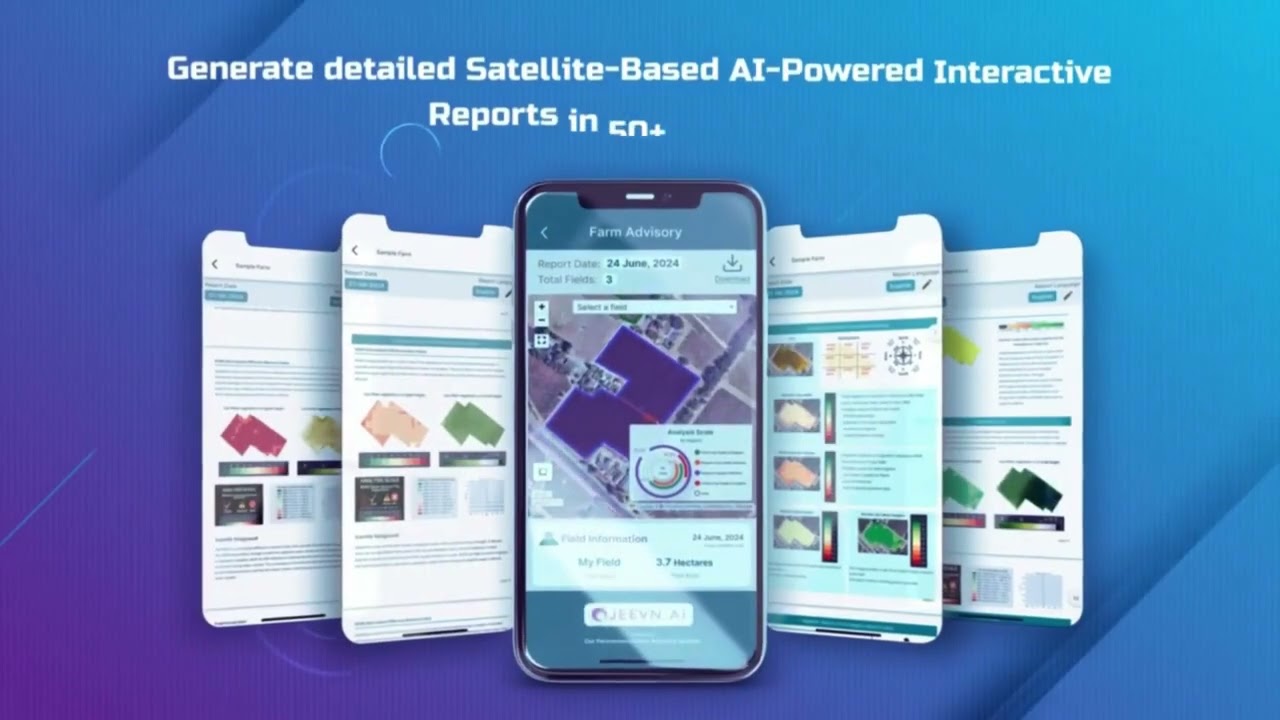
- Real-World Link: Students can use satellite technology, such as Farmonaut’s platform, to monitor crops and optimize resources. Learn how carbon footprinting tools work for environmental assessment.
- Tools: Drones, IoT sensors, automated irrigation, weather analytics, and predictive modeling.

5. Sustainable Farming & Environmental Management
- Topics: Agroecology, integrated pest management (IPM), nutrient budgeting, climate adaptation, water conservation.
- Applications: Designing systems resilient to climate variability, restoring disturbed lands, and supporting ecosystem services.
- Relevance: Courses increasingly focus on regenerative practices, carbon sequestration, and biodiversity support.

6. Agribusiness, Economics & Resource Management
- Topics: Farm management, agricultural economics, finance, supply chain, marketing, entrepreneurship, regulatory frameworks.
- Real-World Applications: Building business acumen for agribusiness and farm management roles in the Australian agriculture sector.
- Tools: Farm budgeting, market analysis, value chain optimization, insurance, and financial risk management.
7. Forestry and Conservation
- Topics: Sustainable timber production, reforestation, habitat conservation, biodiversity, carbon sequestration, post-mining land use.
- Applications: Supporting ecosystem services, timber industries, and the rehabilitation of disturbed lands.
Integrate AI monitoring tools early in the curriculum through practical projects—platforms like Farmonaut allow students to analyze satellite data for real-time insights into plant health, water use, and soil conditions across diverse environments.
Hands-On Learning: Laboratories, Fieldwork, and Projects
A distinctive feature of effective curriculum for agricultural science education is the integration of practical and immersive learning experiences. These hands-on elements ensure that learners can bridge the gap between theoretical concepts and real-world practice on farms, research stations, laboratories, or within agricultural businesses.
- Laboratory Work: Analysis of soil samples, plant pathology, nutrient assessments, animal physiology, and microbiology.
- Field Trials: Crop variety performance testing, irrigation scheduling, pest scouting, and trialing adaptive management strategies.
- Community-Based Projects: Partnering with local farms for sustainability assessments, waste management, or resource planning exercises.
- Farm Simulations: Data-driven modeling for optimizing inputs, yields, and profitability in various climatic and economic contexts.
- Capstone Projects: Tackling real agricultural challenges such as nutrient budgeting, biodiversity enhancement, or technology adoption for a client.
Fieldwork in the Australian Context
For Australian students, field placements often involve working with indigenous land management groups, precision agriculture firms, or supporting rehabilitation on post-mining landscapes—core aspects of stewardship in the modern curriculum.
Underestimating the importance of practical experience in agricultural science—field and lab work are not add-ons but are central to building problem-solving competencies vital for success in the agricultural industry.
“Over 60% of agricultural science graduates pursue careers in sustainable farming and environmental management worldwide.”
“Sustainable agriculture courses have increased by 40% in college curriculums over the past decade.”
Technology & Data in Agriculture: Shaping Modern Curriculums
The curriculum for agricultural science education is rapidly evolving to reflect a global shift toward digital agriculture, automation, and precision farming. Australian agricultural science programs are at the forefront of integrating AI, remote sensing, IoT sensors, and blockchain to solve real-world problems across production, resource planning, environmental compliance, and supply chain management.
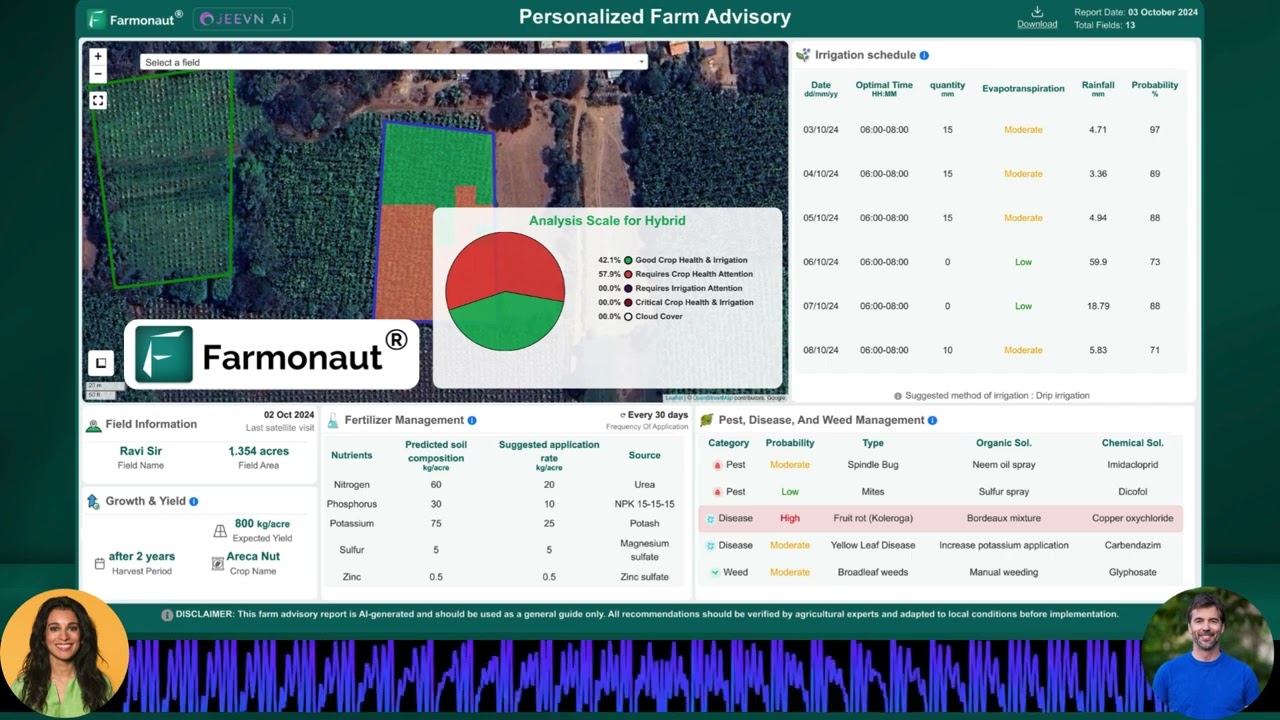
- 🤖 AI & Advanced Analytics: From yield prediction to personalized farm advisory, AI is helping students learn how to analyze big data for actionable insights.
- 🌏 Satellite Monitoring: Platforms like Farmonaut’s app offer real-time imagery and data, supporting efficient farm management and regulatory compliance.
- ✔ Farm Management Software: Enables students to simulate decision making—from resource allocation to fleet management—using tools built for real conditions.
- 🔗 Blockchain for Traceability: Ensures transparency in food, mining, and fiber supply chains. Find out how agricultural product traceability works.
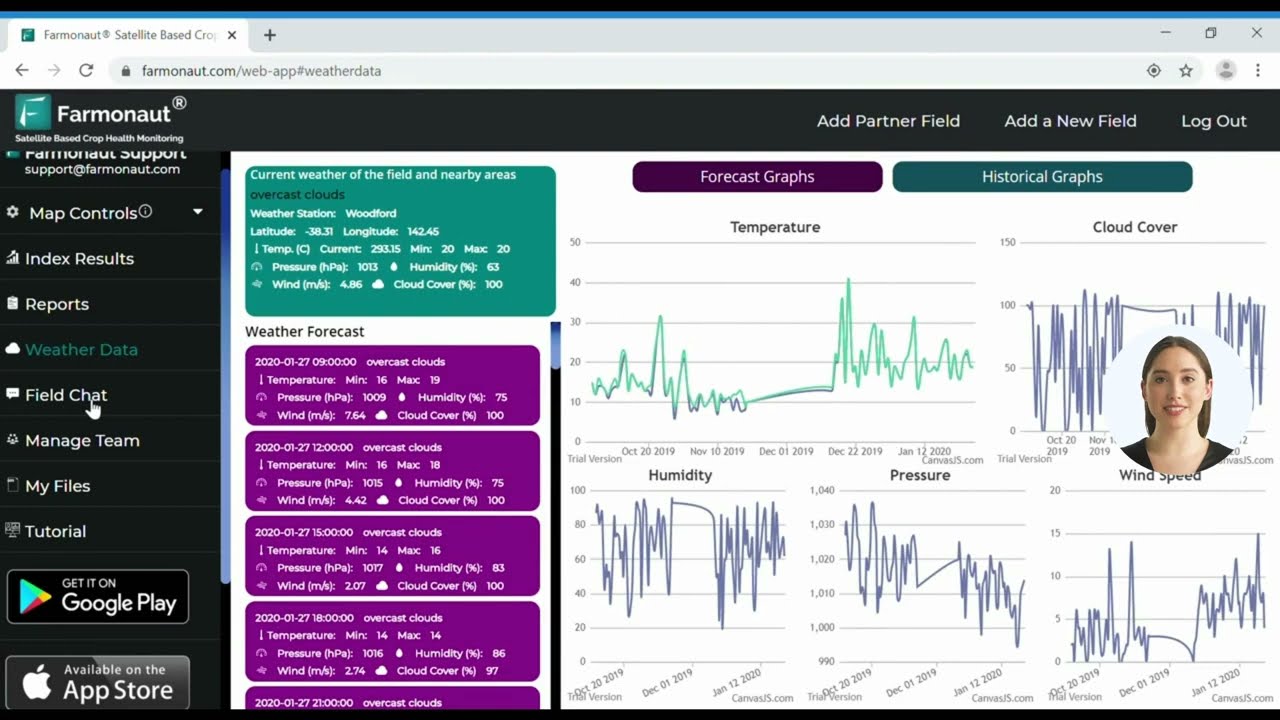
- 📱 Mobile & Web Apps: Students develop digital literacy through apps for remote sensing, crop advisory, and weather forecasting.

The integration of satellite data and AI-driven resource management is accelerating the demand for highly skilled professionals in analytics and farm technology roles. Early exposure to these tools in college curricula makes graduates more competitive in the job market and future-proofs their careers.
Integrating Sustainability and Stewardship in Education
Modern curriculum for agricultural science education universally emphasizes the need to balance productivity with environmental and social responsibility. This reflects the need for future professionals who understand:
- 🌱 Sustainability Frameworks: Including regenerative farming, climate-smart agriculture, and water-use optimization.
- 🌳 Biodiversity & Conservation: Designing farming and forestry systems that support natural habitats and carbon sequestration.
- 🏭 Mining and Land Rehabilitation: Rehabilitation of disturbed lands and integration of ecosystem services in post-mining contexts.
Practical Examples
- ✔ Nutrient Management Planning: Developing nutrient budgets to reduce runoff and maintain long-term soil health.
- ✔ Integrated Pest Management (IPM): Encouraging biological controls and reducing pesticide reliance.
- ✔ Community Engagement: Participating in rural development projects and conservation initiatives.

Courses now routinely include modules on carbon accounting, organic agriculture, and climate risk assessments, skill areas supported by real-world tools such as Farmonaut’s Carbon Footprinting platform.
- 🧬 Scientific Literacy
- 🔬 Lab & Fieldwork Techniques
- 💧 Resource Management
- 🦠 Disease & Pest Control
- 🌍 Environmental Ethics
- 📈 Data & Technology Skills
Agricultural Science Jobs Australia: Career Pathways
Graduates from a college of agricultural sciences or university degree in agricultural science are prepared for diverse job roles. The career landscape in Agricultural Science Jobs Australia is robust, reflecting the importance of the sector for the nation’s economic and environmental well-being.
- 🌾 Farm Manager: Oversees operational management, crop/livestock production, and sustainability planning.
- 🧑🔬 Agronomist: Advises on soil, crop, and plant health for improved productivity and environmental compliance.
- 💻 Precision Agriculture Specialist: Implements digital and data-driven solutions for optimizing inputs and boosting efficiency; often uses tools like Farmonaut’s satellite platform.
- 🌱 Environmental Consultant: Offers advice on land rehabilitation, carbon sequestration, and biodiversity for farms and mining-adjacent projects.
- 🏭 Resource Manager: Manages water, soil, and waste streams for compliance and efficient use within agricultural contexts.
- 🍎 Horticulturist: Designs and operates specialty crop and protected cropping systems with an eye on sustainability and innovation.
- 🚜 Research Scientist: Conducts field and lab trials to research best practices, new technologies, genetics, and adaptive climate strategies.
- 🌲 Forestry Analyst: Plans sustainable timber production, conservation, and ecosystem management projects.
- 🪙 Agribusiness Manager: Leads supply chain operations, entrepreneurship, and financial management within agricultural companies.
Agricultural science jobs in Australia are projected to grow significantly, especially in precision agriculture, sustainability consulting, and regenerative farming sectors. Critical thinking, collaborative, and digital skills stand out as the most sought-after competencies.
Choosing a College of Agricultural Sciences: A Guide
The choice of college of agricultural sciences or university program can have a significant impact on your career pathway. These institutions strive to deliver a curriculum for agricultural science education that is aligned with current industry needs, ensures employability, and supports ongoing professional development.
- Accreditation: Seek colleges with accredited and regularly updated programs.
- Industry Connections: Look for established partnerships with farms, industry groups, agribusinesses, and regulatory bodies for practical placements.
- Technology Integration: Courses should offer access to modern laboratories, digital farm management platforms, and opportunities to use AI, satellite, and remote sensing technologies.
- Research & Innovation: Access to field stations, research projects, and industry-driven capstone opportunities.
- Career Services: Robust career counseling, job placement programs, and pathways for postgraduate study or professional certification.
- 🏫 Modern Labs & Facilities
- 🤝 Industry Internships
- 📚 Diverse Curriculum
- 🌐 Study Abroad/Exchange Options
Ensure your chosen program covers national and regional compliance requirements, food safety regulations, and environmental legislation. Understanding the regulatory context is essential for professional readiness.
Curriculum and Career Pathways in Agricultural Science
| Course/Subject | Key Skills Taught | Duration/Credits | Real-World Applications | Potential Job Roles | Estimated Job Growth (2024–2030) |
|---|---|---|---|---|---|
| Sustainable Farming & Agroecology | Systems thinking, regenerative practices, climate adaptation | One semester (6–12 credits) | Resource optimization, farm planning, habitat protection | Sustainability Advisor, Farm Manager | 27% |
| Soil Science & Management | Soil analysis, fertility, conservation, lab techniques | One semester (6–12 credits) | Soil remediation, fertilizer management, carbon accounting | Soil Scientist, Environmental Consultant | 15% |
| Environmental Management | Impact assessments, water quality, biodiversity conservation | One semester (6–12 credits) | Land rehabilitation, compliance audits | Environmental Officer, Compliance Manager | 20% |
| Agribusiness & Economics | Budgeting, market analysis, entrepreneurship | One semester (6–12 credits) | Farm business planning, startup operations | Agribusiness Manager, Financial Analyst | 12% |
| Crop Science & Production | Plant genetics, breeding, disease management | One semester (6–12 credits) | Variety selection, pest management, yield maximization | Crop Advisor, Plant Breeder | 18% |
| Precision Agriculture & Technology | GIS, sensors, AI analytics, app development | One semester (6–12 credits) | Satellite monitoring, remote field management | Precision Ag Specialist, Data Analyst | 39% |
Estimated job growth rates are indicative and vary by role and region.
The Agricultural Science App for Grade 12 Students
Grade 12 students are at a pivotal point—transitioning from foundational agricultural knowledge to advanced, industry-relevant skills. The agricultural science app grade 12 bridges this gap by offering interactive learning experiences, real-time data analysis, and access to the latest research and technology tools.
- ✔ Interactive Modules: Simulate crop cycles, water use, soil health, and disease management in a controlled digital environment.
- 🌱 Practical Resources: Step-by-step guidance for laboratory work, field reporting, and scientific literacy assignments.
- 🛰 Technology Exposure: Experience remote sensing and digital monitoring using platforms like Farmonaut, preparing learners for higher education and entry-level roles.
- 🎓 Career Insights: Access career pathways, industry news, and regulatory updates tailored to regional markets like Australia.
- 📝 Assessment Tools: Quizzes, simulations, and grading aligned to curriculum standards for effective outcomes.
Students leveraging the Agricultural Science App for Grade 12 enter university programs with demonstrable digital and analytical competencies.
Farmonaut: Advanced Satellite Technology for Agricultural Management
At Farmonaut, we are dedicated to making satellite-driven agricultural insights accessible and affordable for all. Our technology empowers students, educators, farms, businesses, and policymakers to harness real-time data for smarter, more sustainable decision-making within agriculture and allied sectors including mining, infrastructure, and environmental management.
How Farmonaut Equips the Next Generation
- 🌐 Satellite-Based Monitoring: Observe crop health (NDVI), soil variability, and land use changes across farms, forests, and mining sites.
- 🔥 AI-Driven Advisory: Leverage Jeevn AI to generate custom recommendations for nutrient management, irrigation scheduling, and pest/disease alerts.
- 🔒 Blockchain Traceability: Ensure transparency and compliance within the agricultural value chain—critical for future-ready agribusiness professionals.
- 🔗 Fleet & Resource Optimization: Manage farm and mining logistics efficiently with real-time reports and alerts for vehicles, equipment, and resource deployment.
- 🌍 Environmental Impact Tracking: Monitor carbon emissions, assess ecological footprints, and enable compliance with environmental standards in agriculture and mining.
Our tools are available via Android, iOS, web, and API; all designed to support the latest curriculum for agricultural science education and drive digital agriculture forward.



For educators and curriculum designers: You can integrate Farmonaut’s data and insights into your own apps or software by accessing our developer API at sat.farmonaut.com/api and API developer documentation.
Looking to manage large farms, forests, or mining operations? Explore our Large-Scale Farm Management App for complete operational oversight.
To incorporate satellite-based verification for crop loans and insurance in your curriculum, check our Crop Loan & Insurance Product page.
Interested in learning about our environmental solutions? Visit our page on carbon footprinting for agriculture.
For blockchain-driven traceability as seen in sustainable supply chain curriculum modules, see our traceability solution.
Useful Links & Further Resources
- 🌐 Try Farmonaut for Real-Time Agricultural Data
- 👨💼 API: Build your own agricultural apps
- 📚 Carbon Footprinting: Environmental Impact Solutions
- 🔗 Traceability: Blockchain for Sustainable Supply Chains
- 📱 Farmonaut on Google Play
- 📱 Farmonaut on App Store (iOS)
- 📈 Large-Scale Farm Management Solution
FAQs
-
What is agricultural science and its importance?
Agricultural science is the study and management of soil, crops, animals, and natural resources to optimize food production, environmental stewardship, and sustainable rural development. Its importance lies in supporting food security, resource conservation, and resilience amid global changes like climate variability.
-
What skills will I gain in a college of agricultural sciences?
You’ll develop scientific literacy, practical laboratory and field skills, data analysis, resource management, animal and crop production, environmental conservation, and digital technology competence, all essential for roles in sustainable agriculture and related industries.
-
What jobs can I get after studying agricultural science in Australia?
Career options include agronomist, farm manager, sustainability consultant, precision agriculture specialist, resource manager, agricultural researcher, forestry analyst, and agribusiness entrepreneur, among many others.
-
How does practical learning feature in the curriculum?
The curriculum integrates laboratory work, field trials, capstone projects, community engagement, and farm simulations, ensuring students apply theoretical knowledge to real-world conditions across a variety of agricultural systems.
-
Can technology and apps really make a difference in farming education?
Yes, integrating satellite tech, AI, blockchain traceability, and mobile/web apps provides hands-on exposure to digital agriculture, improves decision-making, and prepares students for evolving job roles in modern, data-driven food systems.
In summary, a thoughtfully designed curriculum for agricultural science education—anchored by sustainability, real-world practice, and the latest technologies—prepares students to be innovators, stewards, and leaders in the evolving landscape of global agriculture, forestry, and environmental management.
Use platforms like Farmonaut for real-time monitoring, data-driven advisory, blockchain-based traceability, and comprehensive resource management—empowering educational institutions, farms, and businesses to thrive in a sustainable, digitized future.

 Godrej Agrovet
 Hayleys Agriculture
 Linx Agritech
 Adinet
 Save Your Soils
 GalaxEye Space
 Grandstream Algérie
 XOS Realty
 Geospatial Lab Africa
 Agro La Gándara
 HIPSAC
 ZOL Zimbabwe
 Juligerm
 AdBio
AdBio MISE Maroc
 NWNS
NWNS Red August Group
 Farm Inc
 WeMe Global
 Agrotoken
 Blue BearX
 Insignito
 DnCubed
 Indosistim Teknologi
 Liquify Digital
 CU Foods
 BeyondTech Global
 Rouge VC
 AgroRisk
 Oath Inc
 Esri North East Africa
 MDCV UK
 Etech Consulting Madagascar
 Vestlandsforsking
 WB Dev
 Sama Premium
 Tres Valles
 Blickwinkel
 Agricultural Credit Policy Council
 eKGIS
eKGIS Mostas Tech
 Andex
Andex Deluxe Conseil
 WICO
WICO Chimera Innovation
 SkyHarvest
 Teledarbas
 Exurbia Geospatial
 FieldZero
