

Dadant Beekeeping & Urban Innovations: Top 5 Trends for 2026
Meta Description: Beekeeping in 2025 and beyond: Explore top Dadant beekeeping & hive innovations, urban beekeeping, and sustainable practices shaping agriculture and biodiversity.
Beekeeping continues evolving as sustainability, pollination, and biodiversity become crucial in 2026.
Explore the powerful synergy of traditional practices like Dadant beekeeping with modern urban beekeeping innovations for a sustainable future.
“Urban beekeeping is projected to increase by 40% in major cities by 2026, enhancing local pollination and biodiversity.”
Table of Contents
- Summary: Beekeeping Innovations Shaping 2025 and Beyond
- Why Dadant Beekeeping Remains the Cornerstone of Hive Management
- Top Bar Beekeeping: A Sustainable and Eco-Friendly Choice
- Urban Beekeeping: Transforming Cities into Biodiversity Hubs
- Modern Beekeeping Year: Adaptive Management Strategies
- Beekeeping Companies & Industry: Driving Sustainable Change
- Farmonaut’s Tech-Driven Solutions for Beekeeping and Agriculture
- Comparison Table: Beekeeping Innovations for 2026
- Key Insights, Pro Tips, and FAQs



Beekeeping in 2025: Innovations and Practices Shaping Agriculture and Environment
Beekeeping, as an ancient practice, is integral to today’s agricultural ecosystems, food supply, and environmental health. As 2026 approaches, the combination of Dadant beekeeping, top bar systems, and urban hive innovations is redefining approaches to honey production, pollination services, and biodiversity restoration on a global scale. This comprehensive guide provides clear insights into the trending methods, the latest technologies, and the powerful impact of beekeeping innovations on sustainability, ecology, and the agriculture sector.
- 🐝 Enhancing pollination services for higher agricultural yields.
- 🌱 Supporting global biodiversity by maintaining wild bee populations.
- 🏙 Making urban spaces greener and more ecologically productive with urban beekeeping.
- ⚡ Integrating smart technology for improved hive inspections, disease management, and honey harvesting.
- 🪨 Reducing the risk of colony collapse disorder through sustainable management and material innovations.
Why Dadant Beekeeping Remains the Cornerstone of Hive Management
Dadant beekeeping still stands as a fundamental practice—both for commercial honey enterprises and hobbyist beekeepers since its establishment over a century ago. With its large brood chamber and effective ventilation, the Dadant hive remains crucial for supporting strong colony growth, efficient apiary inspections, high honey yields, and reducing the risk of colony collapse disorder (CCD).
- 🛒 Favored globally by commercial and serious hobbyist beekeepers.
- 🛡️ Praised for enhanced durability—new biodegradable composites offer sustainability.
- 🍯 Efficient for large-scale honey production & supply chains.
- 🔬 Improved hive health with enhanced ventilation systems and material refinements.
- 🌍 Cornerstone for modern commercial beekeeping companies.
The Dadant hive design remains one of the most efficient, sustainable, and scalable systems for apiaries in any region—whether supporting urban beekeeping in the concrete jungle or traditional agricultural practices in rural landscapes.

Differentiating factors in Dadant beekeeping today include:
- Biodegradable hive materials—environment-friendly without compromising durability.
- Smart sensors—for instant monitoring of temperature, humidity, and bee health indices.
- Modular brood and honey supers—facilitating flexible management as colony populations change.
These innovations make Dadant hives the foundation for robust honey and beekeeping services, efficiently supporting pollination contracts and the growing needs of agricultural sectors worldwide.
Top Bar Beekeeping: A Sustainable and Eco-Friendly Choice
The top bar beekeeping method has quickly gained traction, especially among environmentally conscious producers, rural farming communities, and permaculture advocates. Compared to traditional fixed-frame systems, top bar hives are characterized by a simple, horizontal design—minimalist, less invasive, and cost-effective, without compromising honey yield or beeswax harvest.
- 📈 Low start-up costs & structural simplicity—ideal for small-scale, diversified farms.
- ⚡ Gained favor in agroforestry, permaculture, and rural communities.
- 🔄 Promotes natural comb building—mimicking wild bee habitats and lifecycle rhythms.
- 🥇 Preferred choice among sustainable beekeepers for 2026 and beyond.
“Top bar hive adoption is expected to grow by 28% among sustainable beekeepers between 2024 and 2026.”

- 🌿 Minimal disturbance—less disruption to colonies during inspections/harvesting.
- 👩🌾 Supporting local biodiversity through low-impact management practices.
- 🏆 High adaptability to rural, mixed farms, and regions with minimal resources.
Assuming top bar hives cannot support commercial honey yields is misleading. With careful management and local adaptation, they often outperform traditional hives in sustainability and colony health.
- ✔️ Natural comb formation powers bee health and lifecycle stability.
- 💸 Lower capital investment—perfect for new, eco-forward beekeepers.
- 🐝 Reduced chemical exposure owing to integrated pest techniques.
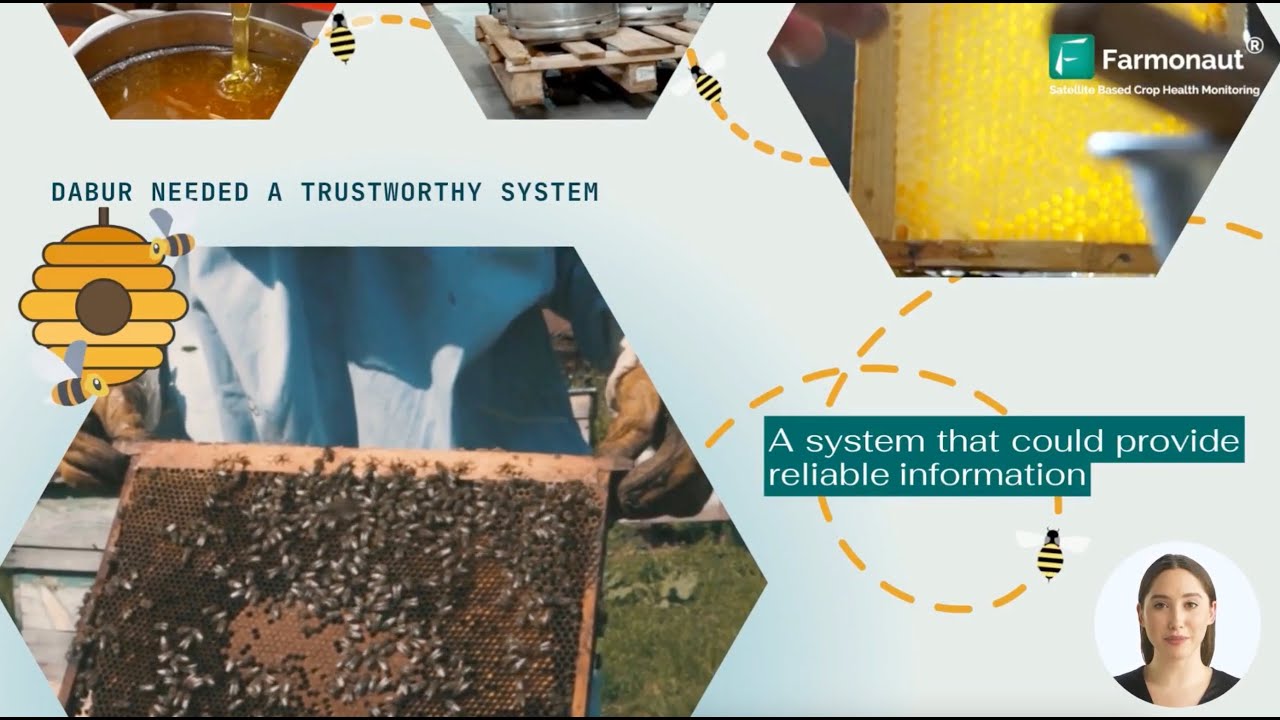
Pairing top bar beekeeping with pollinator-friendly planting and precision agriculture tools—like remote monitoring—maximizes sustainability while boosting honey yield and biodiversity on diversified farms.
Urban Beekeeping: Transforming Cities into Biodiversity Hubs
Rooftop apiaries and garden hives have rapidly become a backbone of urban beekeeping—a movement at the center of the green infrastructure revolution in global cities. By harnessing available urban spaces, beekeepers contribute to enhancing pollination for food-growing initiatives, gardens, and parks while supporting urban biodiversity and public awareness of ecosystem health.
- 🏙️ Pollinating urban farms and gardens—driving food production in the “concrete jungle.”
- 🌻 Mitigating wild pollinator decline caused by green habitat loss.
- 🔔 Enhancing community engagement in sustainable agriculture and biodiversity appreciation.

Advancements since 2025 see urban beekeeping companies increasingly deploying:
- 👾 IoT sensors for real-time tracking of hive health and colony activities.
- 🛰️ Satellite-assisted ecological monitoring (see Farmonaut’s carbon footprinting platform for urban landscapes)— measuring environmental gains.
- 🔄 Integration with public green networks and city pollinator pathways.
- 🌳 Drastically increases local pollination rates, benefiting urban food systems and biodiversity.
- 📊 Urban apiaries empower data-driven ecological planning for resilient cities.
- 💡 Showcases the convergence of agriculture and smart infrastructure in metropolitan settings.
With urban beekeeping projected to expand by 40% in megacities by 2026, sustainability-driven urban agriculture and green infrastructure investments offer high returns on ecological and social capital.
In summary, urban beekeeping not only supports city food systems and biodiversity but also raises community awareness on environmental issues, paving the way for a greener, more resilient urban ecosystem in the years ahead.
Modern Beekeeping Year: Adaptive Management Strategies
The beekeeping year remains pivotal for effective colony management—and in 2026, adaptive scheduling underpins success. Climate-induced changes in flowering patterns are making traditional calendars obsolete, requiring data-driven adjustments in hive feeding, swarm control, and disease management throughout the year.
- 🕒 Early/erratic flowering patterns require responsive hive intervention.
- 🚀 Drone-based floral mapping and AI analytics enable timely foraging and harvesting schedules.
- 🧬 Genetic bee health insights—for robust resilience against future disease outbreaks.
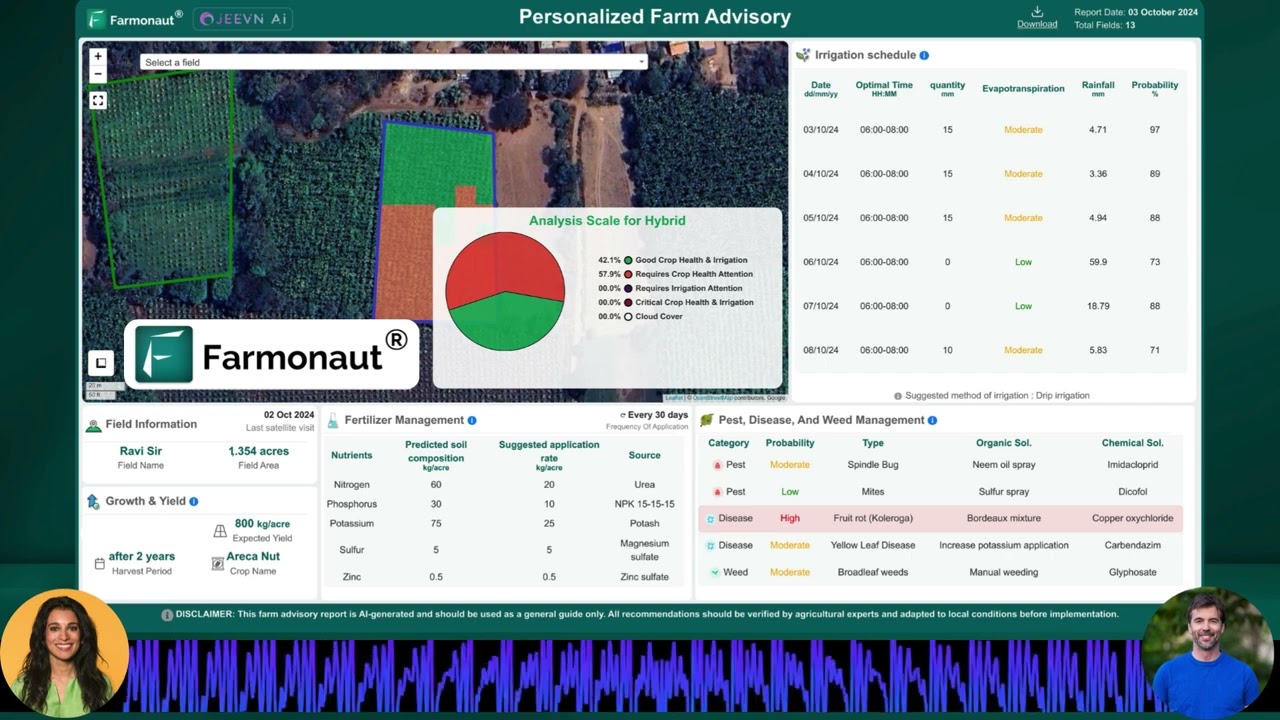
Today’s beekeepers and beekeeping companies are leveraging tools such as Farmonaut’s Large Scale Farm Management platform to:
- 📊 Remotely monitor ecological data and optimize on-the-ground activities.
- 📦 Integrate fleet and hive logistics at scale with effortless cloud-based control.
- 🗺️ Predict optimal bee movement windows using satellite-aided environmental models (NDVI, soil, weather).
AI-driven satellite data is now integral to precision hive management, reducing guesswork and helping beekeepers harness maximum yield, minimize disruptions, and support ecosystem stability.
Beekeeping Companies & Industry: Driving Sustainable Change
The global honey industry in 2026 is dominated by beekeeping companies, which combine traditional hive management knowledge with R&D, technology, and professionalism. Modern enterprises increasingly take responsibility for ecosystem services, integrating sustainable honey and beekeeping practices, pollinator-friendly forage planning, and advanced disease prevention techniques.
- 🏭 Commercial apiaries invest in AI, satellite monitoring, and blockchain solutions for transparency.
- 🌳 Public-private partnerships fund pollinator habitat restoration and sustainable forage planting.
- 🔗 Blockchain traceability guarantees authenticity and trust across honey supply chains — see Farmonaut’s Traceability Solution.
- 🔬 Bee genetics research —for disease resistance and colony health improvement.
- 🌏 Global awareness campaigns—inspire eco-conscious honey consumption and biodiversity support.
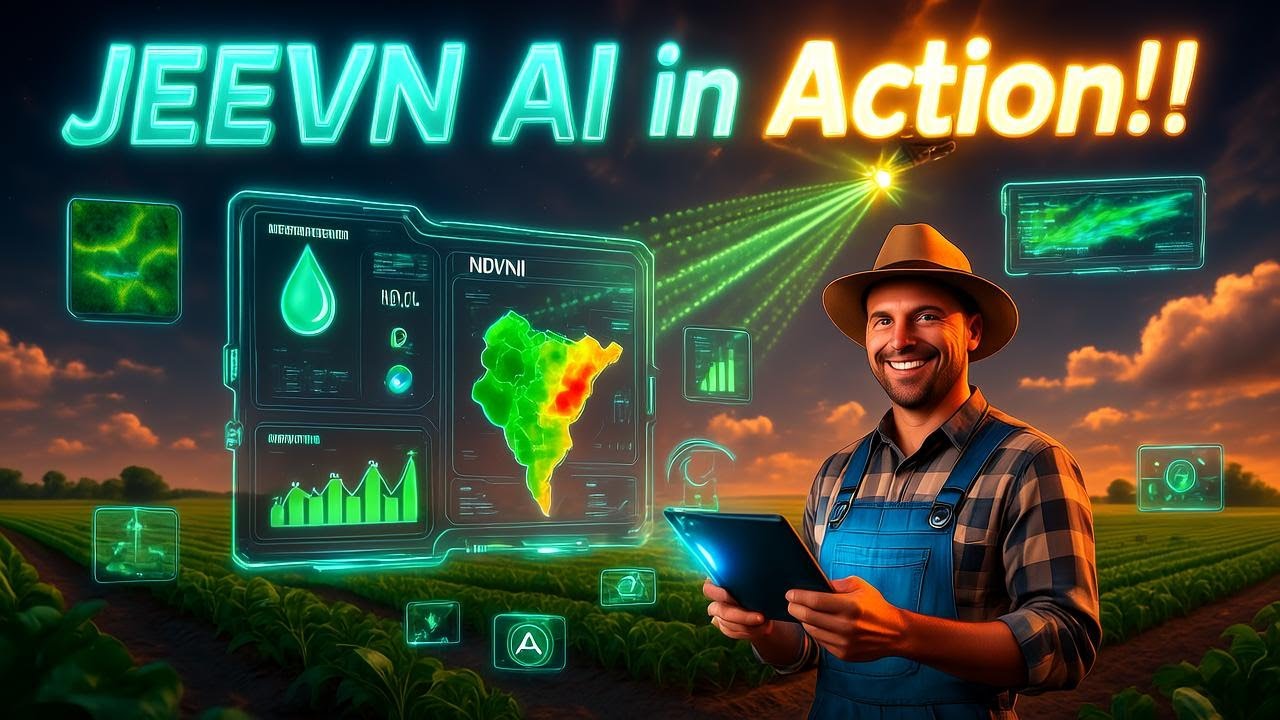
💡 Leverage satellite insights for commercial or urban apiary management with our Farmonaut API. For integration, see the API Developer Docs.
In 2026, modern beekeeping companies lead sustainability efforts by implementing end-to-end traceability and environmental monitoring — enhancing honey product value, consumer trust, and ecological legacy.
Farmonaut’s Tech-Driven Solutions for Beekeeping and Agriculture
Farmonaut provides satellite-driven insights, AI-based advisory, and blockchain-enabled traceability for agriculture and environmental monitoring. Our platform democratizes access to precision data—helping beekeepers, crop managers, and sustainability champions enhance productivity, reduce risk, and support biodiversity at scale.
- 🛰️ Satellite crop and vegetation health monitoring (NDVI, crop mapping, soil analysis) — critical for timing bee foraging and honey harvesting cycles.
Learn more about our crop plantation and forest advisory solution. - 🧠 Jeevn AI provides real-time, actionable insights for disease management, weather, and resource efficiency—useful during each phase of the beekeeping year.
- 🔗 Blockchain-powered traceability ensures honey authenticity and transparent supply chains (See our product traceability offering).
- 🌱 Carbon footprint tracking to support environmental reporting and habitat-friendly farming (Explore Farmonaut’s carbon footprinting tools).
- 🦺 Fleet and resource management increases efficiency for commercial beekeeping operations (See fleet management solutions).
- 🏦 Satellite-based verification for crop loans/insurance—reducing risk for farmers and financial institutions (Learn more).
Farmonaut subscription packages scale from individual farm to large enterprises—making satellite insights accessible and affordable for all.
Try our plans today for your beekeeping and agricultural operations:
Comparison Table of Beekeeping Innovations for 2026
| Innovation Name | Estimated Adoption Rate (% by 2026) |
Key Sustainability Benefits | Urban Suitability | Estimated Impact on Honey Yield (kg/hive/year) |
Biodiversity Support Level |
|---|---|---|---|---|---|
| Dadant Hives | 44% | High yield, scalable, use of biodegradable materials | Moderate | 30–45 | Medium |
| Top Bar Hives | 28% | Eco-friendly, minimal disturbance, high adaptability | Low | 18–25 | High |
| Urban Rooftop Beekeeping | 40% | Enhances urban biodiversity, improves pollination for city crops | Yes | 12–28 | High |
| Smart Sensor Hives | 25% | Real-time health monitoring, early warnings, reduced losses | Yes | 30–50 | Medium |
| Pollinator-Friendly Planting | 32% | Restores bee habitats, supports a wide variety of pollinators | Yes | Variable | High |
Key Insights, Pro Tips, and FAQs
- 🕵️♂️ Dadant hive systems remain the gold standard for efficient, scalable, and sustainable honey production in both rural and urban environments.
- 🌱 Pursuing top bar beekeeping fosters greater biodiversity and natural bee behaviors—crucial for supporting ecosystems under stress.
- 🏙 Urban beekeeping will play an active role in green infrastructure developments for metropolitan areas through 2026 and beyond.
- 📈 Tech-driven management platforms, such as those by us at Farmonaut, deliver actionable insights at scale for efficient hive, disease, and fleet operations.
- 🧬 Integrating blockchain and AI enhances supply chain trust, traceability, and honey quality for consumers and enterprises alike.
To future-proof your beekeeping or agricultural operations, combine multi-hive systems with digital monitoring and pollinator-friendly planting—delivering resilience, yield, and ecological value.
Frequently Asked Questions (FAQ)
1. What sets Dadant beekeeping apart from other hive systems in 2026?
Dadant hives feature a large brood chamber, modern ventilation, and scalability that allows for both commercial and hobbyist beekeeping. They’re durable, eco-friendly, and optimized for large honey yields—making them a sustainable cornerstone for the coming years.
2. How is urban beekeeping supporting biodiversity and local food production?
Urban beekeeping pollinates rooftop gardens, community plots, and city parks—directly enhancing green infrastructure, supporting city food systems, and improving urban biodiversity by attracting wild and managed pollinators.
3. Are top bar hives suitable for commercial honey production?
Yes, with careful management, top bar beekeeping is effective for sustainable, small-to-medium scale honey and beeswax production—especially in agroforestry or permaculture systems focused on biodiversity and eco-friendly practices.
4. How can satellite and AI tech help beekeepers in 2026?
Platforms like those offered by Farmonaut deliver real-time satellite monitoring, AI-driven advisory, and traceability solutions. These technologies track hive health, predict flowering, optimize logistics, and build supply chain trust for both individual and enterprise-level beekeepers.
5. What is the environmental impact of beekeeping innovations?
Modern beekeeping innovations—ranging from biodegradable Dadant hives to pollinator-friendly planting—increase ecosystem resilience, restore habitats, and facilitate the recovery of declining wild and managed pollinator populations globally.
Conclusion: The Future of Honey and Beekeeping is Smart, Sustainable, and Inclusive
As we progress through 2025 and look to 2026 and beyond, it is clear that beekeeping remains a vital pillar of global agriculture, biodiversity, and environmental sustainability. Whether through traditional Dadant practices, low-impact top bar hives, the innovative rise of urban beekeeping, or tech-centric management platforms provided by companies like us at Farmonaut, the sector is adapting and thriving.
- • Sustainable honey production and pollination are now data-enabled and eco-driven.
- • Urban landscapes are being reshaped as pollinator-friendly hubs.
- • Resilience and biodiversity enhancement are central to every hive innovation.
- • Stakeholders, from beekeepers to ag-tech firms and city planners, play a vital role in sustaining this legacy.
Whether you manage a rural farm or an apiary in the heart of the urban jungle, adopting the latest beekeeping practices and leveraging innovative platforms is key to enhancing food security, restoring habitats, and shaping a more sustainable future for our planet’s bee populations and human communities alike.
Discussion
Questions, corrections or field experience? Share them below. First-time comments are reviewed before they appear, and your email is never published.
No comments yet. Be the first to add a question or your experience.

 Cazlv
Cazlv HIPSAC
 ZOL Zimbabwe
 Juligerm
 AdBio
AdBio MISE Maroc
 Drift-Sense
 NWNS
NWNS Red August Group
 Farm Inc
 WeMe Global
 Agrotoken
 Blue BearX
 Insignito
 Croptimum
 DnCubed
 Field Capacity
 Indosistim Teknologi
 Licence holder · Niger · Gold
 Licence holder · Nigeria · Gold + lithium










