

Bee Keeping Apiculture & Apiary Trends for 2026: Advancements in Sustainable, Smart & Efficient Beekeeping
Beekeeping in 2025: Advancements and Sustainable Practices in Modern Apiculture
“By 2026, smart apiary tools are projected to increase hive monitoring efficiency by up to 40%.”
Table of Contents
- Introduction: Apiculture’s Essential Role in 2026
- Modern Apiary Beekeeping: Tools, Technologies & Trends
- Honeybee Health: Smart Monitoring & Advanced Management
- Bumble Bee Keeping: Expanding Crop Pollination in Modern Agriculture
- Tree Beekeeping: Forestry, Conservation & Ecosystem Restoration
- Synergy of Keeping Sheep & Beekeeping
- Bee Keeping Jackets & Protective Innovations
- Comparison Table: Smart Apiary Tools & Technologies (2025 vs. 2026)
- Farmonaut: Advancing Smart, Sustainable Apiculture Practices
- FAQ: Bee Keeping Apiculture, Apiaries, Bee Health & Future Trends
- Conclusion: The Future of Apiculture and Beekeeping
Introduction: Apiculture’s Essential Role in 2026
Bee keeping apiculture, encompassing both traditional and modern apiary beekeeping, remains an essential agricultural and forestry practice worldwide as we head into 2026. With growing global awareness of environmental challenges, advanced technologies and sustainable practices are shaping the industry, directly impacting crop yields, biodiversity, and economic livelihoods. In this article, we explore how modern apiculture innovations are making a difference—from the adoption of smart hive tools to bio-diverse conservation practices, tracing every aspect of bee and pollinator management.
“Over 60% of modern beekeepers plan to adopt sustainable practices and advanced tech by 2025.”
Modern Apiary Beekeeping: Tools, Technologies & Trends
The apiary—a controlled environment for maintaining honeybee colonies—is at the heart of bee keeping apiculture and apiary beekeeping. Advancements by 2026 will see apiaries embrace smart technologies for monitoring, health management, and hive optimization. Innovative tools now monitor temperature, humidity, and bee activity remotely, enabling better protection of colonies and rapid response to threats like colony collapse disorder (CCD), pests, and diseases.
Smart hive technologies, including IoT sensors and AI-based analytics, are changing how beekeepers interact with their hive—improving efficiency, reducing risk, and maximizing honey production while boosting pollination efficiency. Customizable hive designs in 2026 promote ventilation, protection from predators, and minimizing stress on bee populations.
- Remote monitoring via mobile/web/IoT systems
- Automated feeders to supplement during forage gaps
- Integrated climate control systems for temp/humidity regulation
- Pesticide detection sensors for early mitigation
These advancements are set to continually transform both small and large-scale agricultural operations and forestry projects.
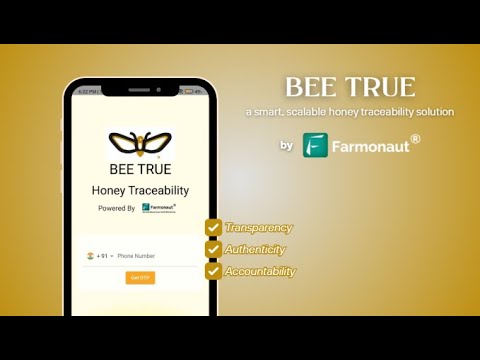
Traditional Apiary Beekeeping: Enduring Practices Meet Modern Efficiency
Traditional bee keeping remains crucial to produce honey, beeswax, propolis, royal jelly, and other by-products, offering valuable revenue streams for beekeepers. The availability of these by-products supports local economies and strengthens the industry.
- Honeybees remain instrumental in pollination—cultivating fruits, nuts, and vegetables.
- Improved hive designs minimize stress on bee populations and enhance survival rates.
- Modern apiaries promote biodiversity by integrating diverse plant species and habitats.
With sustainability at the forefront, numerous traditional practices are being retrofitted with contemporary tools, smart monitoring, and environmentally conscious management strategies.

Honeybee Health: Smart Monitoring & Advanced Management
In 2026, tracking honeybee health is not just about regular hive checks. Smart technologies collect real-time data on temperature, humidity, activity levels, and sound frequencies, enabling beekeepers to preemptively address potential issues. This improves survival rates and protects populations from pests, disease, and environmental stresses.
- IoT Sensors track hive climate, brood patterns, and queen presence
- AI-based tools detect anomalous colony behavior and early signs of collapse
- Data integration with sat-based ag platforms (like those provided by Farmonaut) for environmental correlation and rapid decision-making
Enhance your operation with real-time satellite-driven insights—explore our Farmonaut Satellite Data API and API Developer Documentation for integrating environment health analytics into modern apiculture and remote hive management.
Satellite insights are increasingly used to correlate landscape-level vegetation health (NDVI), crop bloom stages, and broader environmental conditions with hive wellbeing. Smart management of hives using weather predictions, forage mapping, and disease risk analysis is revolutionizing how beekeepers operate.
Bumble Bee Keeping: Expanding Crop Pollination in Modern Agriculture
Bumble bee keeping is a rapidly expanding option within modern apiculture, especially for greenhouses and crops where optimal pollination is crucial. Unlike honeybees, bumblebees thrive in cooler settings and are exceptionally efficient pollinators for crops like tomatoes, peppers, berries, and certain greenhouse plants. In 2026, the industry has gained traction for bumble bee rearing in controlled environments, helping reduce the spread of diseases and mitigating risks to wild pollinator populations.
- Greenhouse pollination: Bumble bee colonies are introduced in high-value settings for quicker, more reliable fruit set
- Controlled breeding: Minimizes pathogen transmission to wild bees and improves colony strength
- Complementarity: Expanding pollinator diversity to ensure resilience in face of environmental shifts
Not only does bumble bee keeping boost crop yields, but it also reduces dependence on chemical inducers and supports more natural, sustainable agriculture systems.
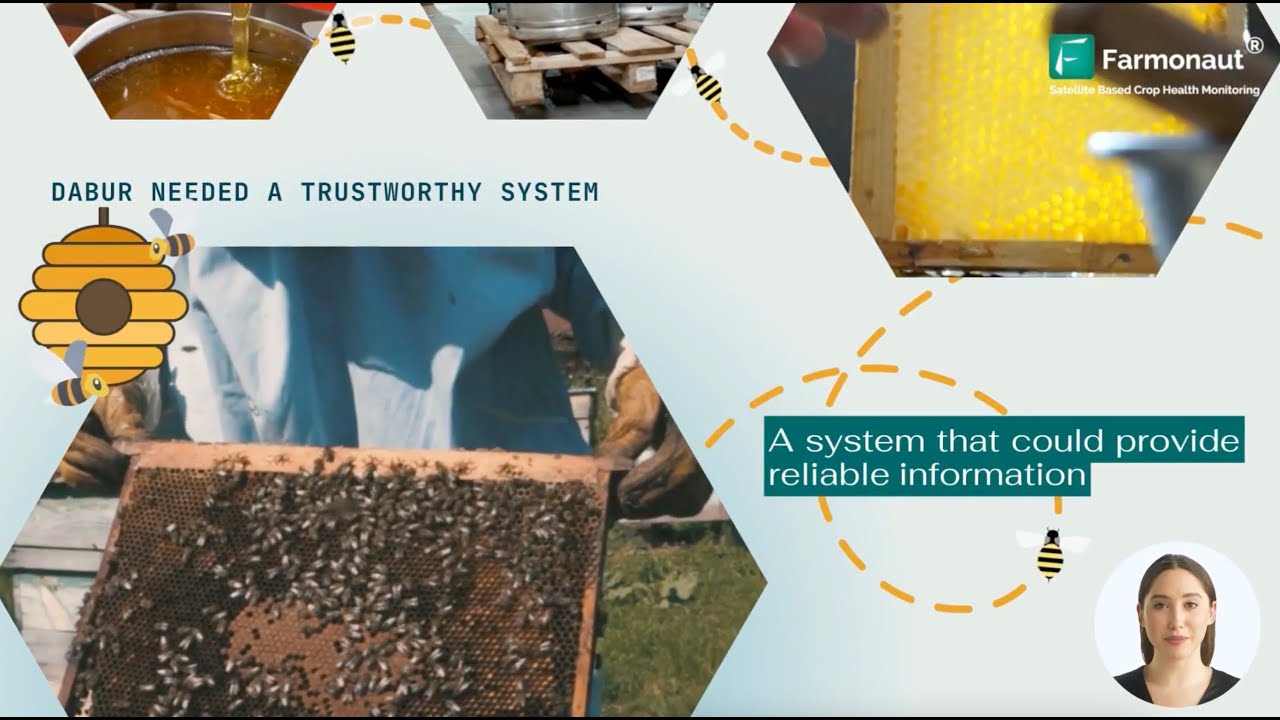
Want end-to-end traceability in your honey supply chain? Discover Farmonaut’s Blockchain-Based Honey Traceability Solution—maximize transparency, reduce fraud, and empower consumer trust across modern bee keeping apiculture operations.
Tree Beekeeping: Forestry, Conservation & Ecosystem Restoration
Tree beekeeping continues to play a critical role in connecting apiculture with forest ecosystems and sustainable forestry. This method—in which hives are placed in trees or natural cavities—minimizes disturbance to wild habitats, promotes biodiversity, and supports the overall health of ecosystems.
- Forest tree bee keeping is increasingly integrated with agroforestry for carbon sequestration, regeneration, and pollination support.
- Eco-conscious farmers and foresters are combining tree hives with crop production and conservation corridors.
- Wild and semi-wild colonies boost pollinator diversity and resilience against environmental threats.
This sustainable practice is now bolstered by data-driven management, allowing mapping of tree resources, assessing biodiversity, and planning hive placements for optimal yield and pollination services.

Empower your forest and tree-based beekeeping with Farmonaut Plantation & Forest Advisory Tools—plan smarter landscapes, monitor at scale, and drive sustainability in every plot or woodland apiary.
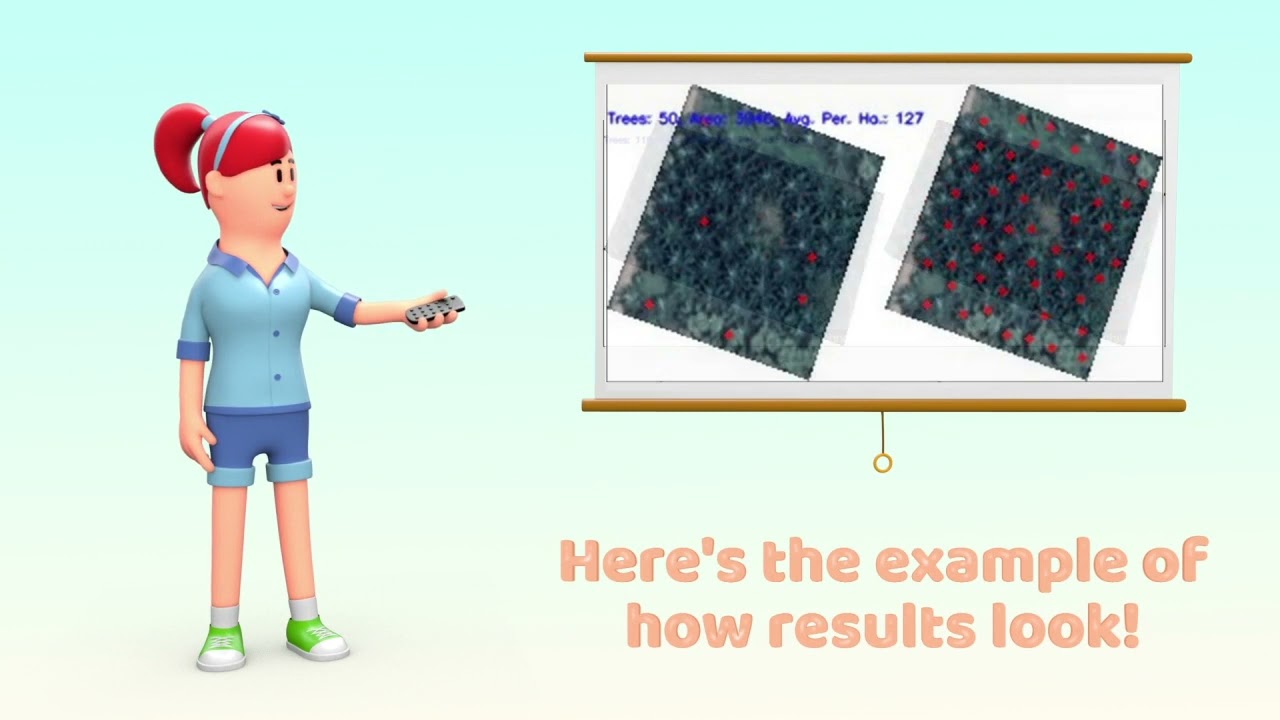
Tree beekeeping is also crucial for maintaining ecosystem services: supporting wildflowers, stabilizing pollinator populations, and reducing habitat risks—especially as global urbanization and deforestation grows.
Synergy of Keeping Sheep & Beekeeping
The integration of sheep farming and bee keeping apiculture is a modern agricultural trend unlocking multi-level sustainability:
- Sheep grazing enhances forage habitats for bees by managing grass and brush, reducing fire risk in apiaries.
- Beekeepers position hives in environments where pollinator plants flourish under sustainable grazing management.
- Integrated farm layouts yield better land use efficiency, enhanced crop production, and robust livestock health.
Effective management balances livestock, crop, and pollinator needs, enhancing biodiversity and economic stability for farms.
Take your diversified operations to the next level with Farmonaut Large Scale Farm Management Platform—get data-driven tools for livestock, apiaries, crops, and efficient enterprise reporting anywhere, anytime.
Bee Keeping Jackets & Protective Innovations
Protective bee keeping jackets and modern gear are foundational to work safety for beekeepers. Innovative designs for 2026 ensure protection against stings, high ventilation for longer hours, and mobility needed for complex operations. Technologically advanced jackets now provide:
- Reinforced fabric layers for added protection in high-risk or aggressive hive settings
- Breathable mesh panels for temperature regulation
- Adjustable hoods/veils maximizing safety and vision
- Pocket system integration for handy sensor/phone tools
Proper gear minimizes fatigue, reduces accident risks, and allows improved efficiency during hive management, queen rearing, or honey harvesting.

Complementing protective gear with smart hive monitoring elevates safety standards for professional and hobbyist beekeepers alike.
Comparison Table: Smart Apiary Tools & Technologies (2025 vs. 2026 Projections)
Farmonaut: Advancing Smart, Sustainable Apiculture Practices
Our journey toward next-generation bee keeping apiculture is powered by technology. At Farmonaut, we are dedicated to making satellite-driven solutions accessible and actionable for modern apiary beekeeping, forestry, and agricultural industries, achieving sustainable yield and healthy pollinator populations.
- Real-time environmental monitoring: Actionable insights for hive health, plant bloom, and pest migration using multispectral satellite images.
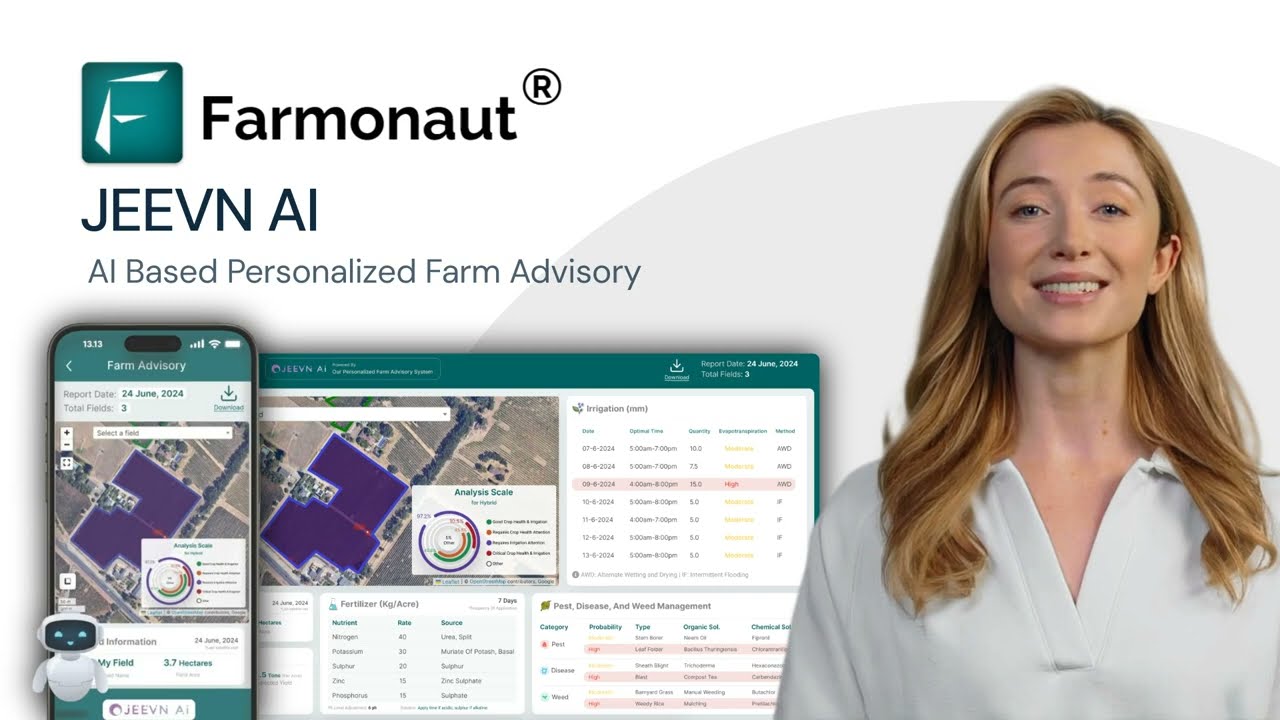
- AI-based advisory: The Jeevn AI platform analyzes satellite and farm data to recommend pollination timing, disease risk interventions, and hive placement for maximum productivity.
- Blockchain traceability: Secure, transparent tracking of honey and other bee products, protecting consumer trust and supporting market value.
- Resource and fleet management: Optimize vehicle use, reduce costs, and ensure field staff safety in large-scale operations.
- Environmental impact tracking: Integrated Carbon Footprinting to monitor emissions from beekeeping logistics and promote greener operations.
Join the movement for sustainable, data-driven beekeeping—from pollinator conservation to digital record-keeping, unlocking possibilities for apiaries and farmers worldwide.



Flexible Subscriptions for Every Apiary Size & Need
Farmonaut offers flexible, affordable subscriptions for solo beekeepers, commercial operators, and enterprise agri-organizations. Get instant access to remote monitoring, AI-driven advisories, and blockchain traceability as you scale—from a few hives to thousand-acre operations.
FAQ: Bee Keeping Apiculture, Apiaries, Bee Health & Future Trends
What is the difference between traditional apiary beekeeping and bumble bee keeping?
Traditional apiary beekeeping involves maintaining honeybee colonies in managed hives for honey production, pollination, and by-products like wax. Bumble bee keeping focuses on breeding bumblebees, especially for efficient pollination of greenhouse crops (like tomatoes and berries) in controlled settings, expanding pollinator options and supporting higher yields in specific environments.
Why is bee keeping apiculture so important for agriculture and forestry in 2026?
Bees, including honeybees and bumblebees, are essential for crop pollination. This boosts agricultural productivity, supports biodiversity, maintains food security, and strengthens ecosystem health. Modern practices and sustainable management help protect wild populations and adapt to environmental changes.
What are the main technological advancements influencing beekeeping right now?
Key trends include remote hive monitoring, automated feeders, climate control systems, IoT and AI-driven advisories, and blockchain traceability. Protective innovations, like advanced bee keeping jackets, also play a big role in enhancing safety and efficiency for today’s beekeepers.
How do I get started with satellite-based monitoring for my apiary?
If you’re looking to optimize your apiary, Farmonaut provides user-friendly apps for web, Android, and iOS, and offers a robust API solution for integrating satellite data and AI analysis to monitor vegetation, weather, and hive surroundings—making sustainable and smart management easier for all.
How are sustainable practices in apiculture reducing environmental impact?
Sustainable beekeeping means reducing pesticide exposure, integrating tree and forest hives, supporting diversified landscapes, utilizing smart resource management (like carbon footprinting), and ensuring transparent traceability—each lowering the ecological footprint and sustaining pollinator health.
Can I use modern tools even if I have just a few hives?
Absolutely! With scalable subscriptions and user-friendly platforms, individual and smallholder beekeepers can access the same technological benefits as large operators, from real-time monitoring to traceability and AI-driven advisories.
Conclusion: The Future of Apiculture and Beekeeping
As we journey through 2026 and beyond, bee keeping apiculture stands at the intersection of innovation and sustainability. Smart apiaries, advanced bee keeping jackets, intelligent advisory tools, and sustainable management practices are improving hive health, pollination, safety, and yields—all while aligning apiculture with vital conservation and food security goals.
Whether you’re a commercial operator or a passionate hobbyist, leveraging modern technologies and sustainable practices will ensure your apiary thrives in a changing world—driving value, transparency, and resilience from every hive and harvest.
Let’s continue harnessing the power of innovation, tradition, and sustainability—ensuring our bees, forests, crops, and global agriculture remain healthy and prosperous for generations to come.
Discussion
Questions, corrections or field experience? Share them below. First-time comments are reviewed before they appear, and your email is never published.
No comments yet. Be the first to add a question or your experience.

 Mobitech Wireless
 FCF India
 Unifrutti Gulf
 Deluxe Conseil
 TVS Electronics
 BW Pipelines
 WICO
WICO Gen Chayat
 Chimera Innovation
 SkyHarvest
 Polaris Digitech
 Teledarbas
 Wild Oak Farm
 SFX
SFX Doodlakine
 Exurbia Geospatial
 Licence holder · Niger · Gold










