

Stingless Bee Honey & Types of Honey Bee: Top Trends (2025–2026 & Beyond)
Meta Description: Stingless bee honey and diverse types of honey bee are reshaping sustainable beekeeping in 2025. Explore top trends in apiculture, honey harvesting, and the benefits for pollination, biodiversity, and rural development. Learn how modern practices boost environmental health and future-ready agriculture.
Table of Contents
- Introduction
- Why Stingless Bee Honey Is Gaining Prominence
- Understanding Honey Bees: Types & Diversity
- Table: Comparison of Honey Bee Species & Sustainability Impact
- Beekeeping and Harvesting Honey: Modern Innovations (2025 & Beyond)
- Honey Bee Pollen: Nutritional & Agricultural Significance
- Stingless Bee Honey Farms: Economic & Environmental Impact
- Technology: Satellite & Traceability for Sustainable Beekeeping
- How Farmonaut Empowers Sustainable Apiculture
- Frequently Asked Questions
- Conclusion: The Future of Beekeeping (2026+)
“Stingless bee honey production is projected to increase by 30% globally by 2025, promoting eco-friendly beekeeping.”
Stingless Bee Honey and Modern Beekeeping: A Sustainable Approach to Apiculture in 2025–2026
Beekeeping, or apiculture, has remained an essential practice worldwide, contributing more than just honey production. As we look to the years ahead—2025, 2026, and beyond—sustainable methods in agriculture and environmental conservation have ascended in priority. Interest in stingless bee honey is at an all-time high, and the diversification of types of honey bee being raised is bringing new ecological and economic benefits to farms.
This comprehensive guide explores recent top trends, including responsible beekeeping harvesting honey, advances in honey bee pollen collection, and how these country bee honey farm systems are transforming agricultural production, improving biodiversity, and securing the future of sustainable beekeeping.
The fusion of traditional knowledge with scientific innovation is the leading driver behind the growing success and sustainability of modern apiculture.
Why Stingless Bee Honey Is Gaining Prominence in 2025
Stingless bee honey is rapidly gaining popularity worldwide as we move through 2025 and into 2026. With changing climate conditions and increased awareness of the importance of sustainability, stingless beekeeping offers impressive ecological and agricultural benefits.
- ✔ Biodiversity Booster: The pollination services of stingless bees elevate crop yield and native ecosystem regeneration.
- ✔ Safer for Beekeepers: With no functional sting, these bees are ideal for small-scale and urban settings.
- ✔ Medicinal Qualities: Studies show stingless bee honey contains higher antioxidant levels and unique bioactive compounds.
- ✔ Traditional Wisdom Meets Modern Science: Integration of local indigenous knowledge with modern hive management techniques results in resilient bee colonies.
- ✔ Rising Consumer Demand: Unique flavors and health claims make stingless honey a premium product in global and local markets alike.
Stingless Bee Honey: Top Properties
- Richer in Antioxidants: Compared to Apis mellifera honey, stingless bee honey often contains higher levels of phenolic compounds.
- Distinct, Tangy Flavor: The unique, sometimes acidic taste is highly valued for specialty food and medicinal products.
- Medicinal Benefits: Tradition and emerging research underscore antiviral, antimicrobial, and wound-healing properties.
- Eco-Friendly Production: Stingless bees require less invasive harvesting techniques and foster increased plant diversity.
If you’re establishing a country bee honey farm, select stingless bee species native to your region for optimized environmental benefits and better hive adaptation.
Understanding Honey Bees: Types & Diversity
The types of honey bee pivotal to apiculture and pollination primarily belong to the genus Apis. While the Western honey bee (Apis mellifera) is the best-known species globally, there are critical native and stingless bee groups with equally important roles.
Diversity among honey bees is a major driver of ecological resilience, climate adaptation, and sustainable crop yields. In 2026, farm management increasingly values diversified apiaries featuring both traditional and modern bee species.
Major Groups & Species:
- 🐝 Apis mellifera (Western Honey Bee) – Backbone of commercial honey production and agricultural pollination worldwide.
- 🐝 Apis cerana (Asian Honey Bee) – Native to Asia, supports traditional practices, better adapted to local climates.
- 🐝 Stingless Bees (Meliponini tribe) – Spread across tropical/subtropical regions in South America, Africa, Asia, Australia. Focus of new sustainability-driven apiculture models.

Honey Bees: Native vs. Introduced
- 🌏 Native Stingless Bees: Integral for local ecosystem health, strongest effect on rainforest regeneration.
- 🌎 Apis mellifera: Highly adaptable, widespread in commercial agriculture for high honey production yields.
- 🌍 Country-Specific Bees: Local species (e.g., Apis cerana in Asia, Tetragonula in Australia) are increasingly favored for sustainable rural development and climate resilience.
More than 80% of the pollination services for major crops rely on a diversity of honey bee species, anchoring global food security and boosting biodiversity.
“Over 80% of pollination for major crops relies on diverse honey bee species, supporting biodiversity and food security.”
Comparison Table: Major Honey Bee Types & Sustainability Impact
| Bee Species | Common Name | Honey Yield (kg/year, est.) |
Pollination Efficiency (%) (Est. Crop Yield Increase) |
Sustainability Rating | Environmental Benefits | Preferred Beekeeping Regions |
|---|---|---|---|---|---|---|
| Apis mellifera | Western Honey Bee | 20–30 | 60–80% | Medium | High honey yield, effective commercial pollination | Worldwide |
| Apis cerana | Asian Honey Bee | 5–10 | 70–85% | High | Adapted to local flora, supports small-scale farming | Asia, South/Southeast Asia |
| Meliponini | Stingless Bees | 1–5 | 80–95% | Very High | Promote biodiversity, best for rainforest/forest restoration | Tropics (South America, Africa, Asia, Australia) |
Sustainable apiculture, especially stingless bee honey farms, is poised for accelerated growth as eco-label demand and consumer awareness of environmental benefits rise across emerging and developed markets.
Beekeeping and Harvesting Honey: Modern Innovations & Practices (2025+)
Modern beekeeping harvesting honey has evolved well beyond traditional methods thanks to investments in technology, remote hive monitoring, and AI-driven hive health assessment systems. As optimum honey yields and sustainable pollination become more crucial by 2026, these innovations enable farmers and beekeepers to adapt to shifting climate and crop needs.
Key Innovations in Beekeeping Practice
- 📱 Remote Hive Monitoring: High-resolution sensors and satellite data track hive temperatures, humidity, and brood health, minimizing disruption to the bees.
- ⚙ AI-Driven Assessment: Automated alerts on Queen loss or unusual foraging activity help optimize colony management and increase survival rates.
- 🌱 Pesticide-Free Pest Control: Environment-friendly solutions replace harmful chemicals, strengthening bee immune systems and lifecycle resilience.
- 📦 Adapted Hive Designs: Stingless bees thrive in boxes or hollow logs that simulate natural nesting sites, ensuring better colony health and easier honey harvesting.
- 🔁 Low-Disruption Harvesting: Stingless bee honey is collected from small, waxy pots. This method is more meticulous but preserves more honey for the colony and causes less stress.
Overharvesting honey, especially from stingless bee hives, threatens both colony health and long-term production. Always leave adequate honey for bee nutrition and hive survival during scarcity.
Visual: Modern Beekeeping Tools in 2026
Continuous hive data collection synced to mobile devices.
Real-time alerts for optimal honey harvesting and pest management.
Natural plant extracts and microbial agents integrated with hive design.
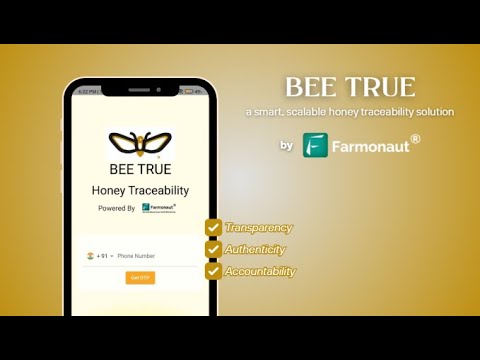
Blockchain and QR codes ensure honey authenticity from hive to market.
Honey Bee Pollen: Nutritional & Agricultural Significance
Honey bee pollen is emerging as a valuable byproduct, gaining importance in the modern agricultural landscape for both human nutrition and ecosystem health.
- ✔ Superfood Status: Bee pollen contains proteins, vitamins, enzymes, and minerals, supporting immunity and vitality.
- ✔ Diversification for Farmers: Beekeepers selling pollen benefit from new, diversified income streams.
- ✔ Vital for Bee Development: Pollen is the key protein and lipid source for bee larvae, essential for robust colony health.
- ✔ Indicator of Floral Diversity: Pollen analysis helps monitor changes in plant populations, guiding crop planning and biodiversity conservation.
- ✔ Circular Farm Economy: Country bee honey farms that integrate responsible pollen collection support both rural livelihoods and environmental services.

Visual List: Benefits of Responsible Honey Bee Pollen Collection
- 🌻 Richer Crop Pollination: Amplifies fruit/seed yield through increased pollinator health.
- 🌱 Enhances Rural Nutrition: Pollen powder and capsules create new food products in local markets.
- 📈 Supports Sustainable Practices: Value addition with minimal ecological footprint.
- 🔬 Guides Biodiversity Assessment: Monitoring pollen variety to design restoration initiatives.
- 🌎 Boosts Livelihoods: Increases agricultural income in farming communities.
🌱 To measure and ensure carbon-neutral apiculture practices, explore
Farmonaut’s Carbon Footprinting service.
This solution uses satellite data for real-time environmental tracking, supporting both pollinator health and climate goals for sustainable farms.
Stingless Bee Honey Farms: Economic & Environmental Impact
As stingless bee honey gains prominence, the economic and environmental impacts of these farm systems become increasingly evident. Small and medium-scale farmers across South America, Africa, Asia, and Australia are seizing the opportunity to participate in diversified, future-ready apiculture.
5 Key Impacts of Stingless Bee Honey Farms
- ✔ Supplemental Rural Income: Honey, bee pollen, and propolis are sold as premium, high-margin products.
- ✔ Eco-Tourism Growth: On-farm learning, tours, and nature experiences attract travelers seeking authentic, sustainable agri-experiences.
- ✔ Biodiversity Restoration: Stingless bees support native flora regeneration, crucial for local climate adaptation and forestry recovery.
- ✔ Community Resilience: Cooperative farming models foster knowledge-exchange and reduce vulnerability to monoculture-related collapses.
- ✔ Government & NGO Support: Policy focus and funding are expected to increase as new research confirms ecological benefits.
Stingless bee honey farms not only mitigate climate change impacts by supporting forest cover and plant diversity, but also drive ecosystem resilience in regions most vulnerable to habitat loss.
🌳 Interested in improving forest and plantation management while running your bee farm? Leverage
Farmonaut’s Crop, Plantation & Forest Advisory platform.
Benefit from satellite-driven habitat analytics for native, diversified farming, and eco-restoration strategies.
Technology: Satellite & Traceability for Sustainable Beekeeping
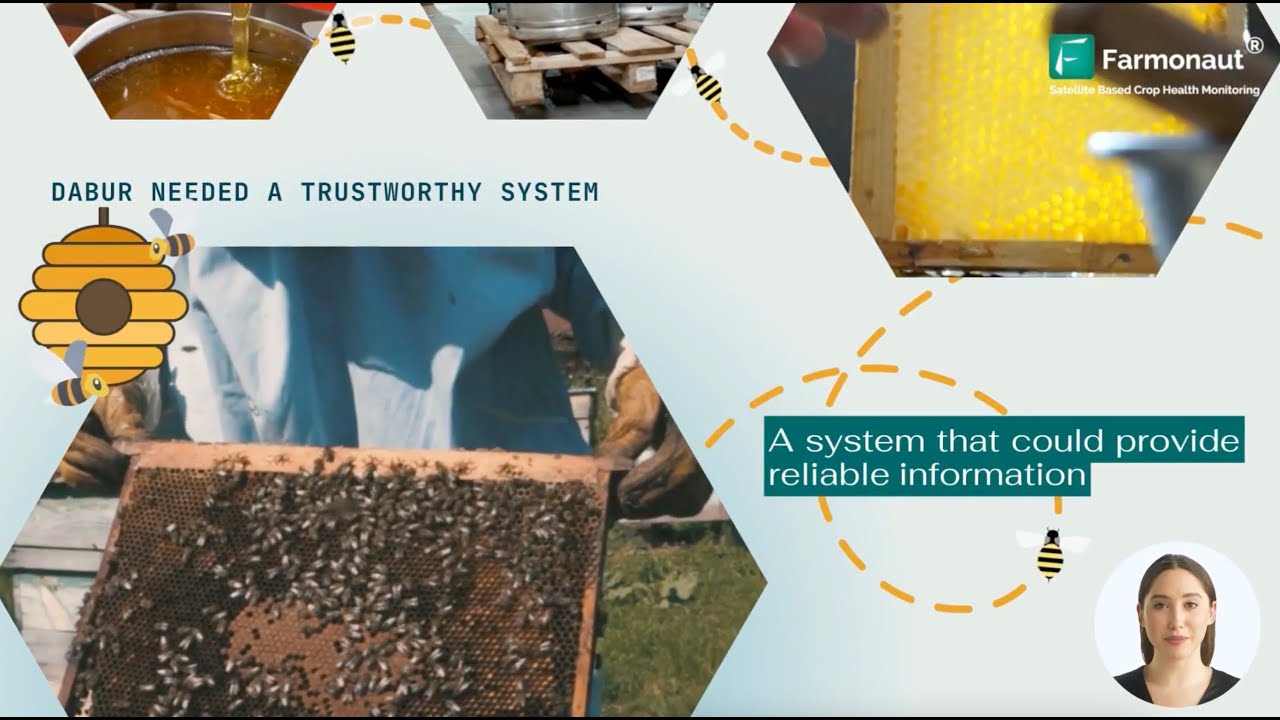
The future of beekeeping is digitally connected. Farmers and beekeepers are adopting satellite monitoring, AI advisory systems, and blockchain-based traceability to support hive health, transparency, and sustainable management.
Digital Tools in Apiculture
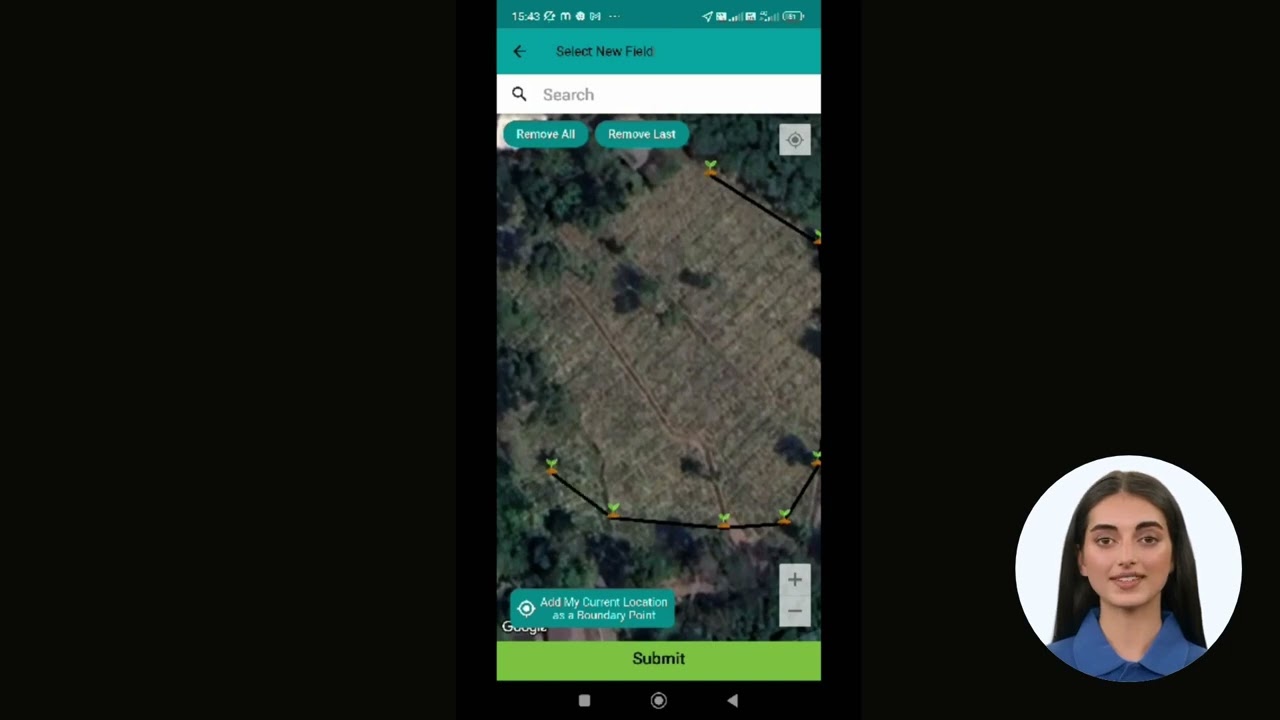
- 📡 Satellite Imagery: Provides real-time data on vegetation health, ideal forage zones, and hive location suitability.
- 🧠 AI Analytics: Predicts colony performance, optimal harvesting times, and identifies areas for yield improvement.
- 🔗 Blockchain Traceability: Ensures the authenticity of honey and bee pollen sold in conscious markets. Helps combat fraud.
- 💡 Environmental Impact Monitoring: Tracks resource use and greenhouse gas footprint for eco-label compliance.
Integrate real-time satellite data and traceability features into your apiculture application with the
Farmonaut API and
API developer docs. These solutions improve monitoring, compliance, and market access for beekeepers.
How Farmonaut Empowers Sustainable Apiculture
At Farmonaut, we believe data-driven insights are essential for advancing sustainable beekeeping and rural development into 2026 and beyond. Our satellite-powered platform delivers actionable intelligence for farmers, beekeepers, and eco-entrepreneurs.
- ✔ Real-Time Monitoring: Satellite and AI systems provide early warnings of floral scarcity, environmental risks, and hive loss to optimize colony health.
- ✔ Environmental Impact Tracking: Our tools monitor carbon footprints and support climate-smart farming for sustainable apiculture and forestry.
- ✔ Blockchain Traceability: Empowering farmers with transparent, authentic supply chains for honey and pollen marketing.
- ✔ Scalable Solutions: From smallholder country bee honey farms to commercial apiaries and cooperative rural businesses.
- ✔ Accessible, Affordable Subscription: Our mobile and web apps put premium satellite insights within reach for everyone.



- 🌐 For large-scale farm management and satellite-based monitoring across your honey farms and plantations, check out
Farmonaut’s Large Scale Farm Management app. - 🔎 To guarantee honey authenticity and ensure market trust,
explore our digital Product Traceability platform for apiculture. - 💳 For crop loan and insurance based on satellite-verified hive productivity and farm health, discover
Farmonaut’s secure verification services.

Frequently Asked Questions: Stingless Bee Honey & Types of Honey Bee (2026+ Outlook)
What is stingless bee honey and how does it differ from regular honey?
Stingless bee honey is produced by the Meliponini tribe of bees, native to tropical and subtropical regions. It is more acidic, often richer in antioxidants, and has unique flavors compared to honey produced by Apis mellifera (Western honey bee). Due to the bees’ anatomy, it is harvested from small waxy pots and in much lower quantities per hive.
Are stingless bees safer for home or urban beekeeping?
Yes, stingless bees lack a functional sting, making them ideal for urban, community, or educational hives—especially in densely populated areas, schools, and small gardens.
Why is bee diversity crucial for sustainable agriculture?
Diverse types of honey bee support different crops, adapt to various climate conditions, and provide insurance against disease or pest outbreaks. Supporting native bees strengthens local ecosystem health and crop yields.
How can I authenticate the source of my honey?
Look for products using blockchain-based traceability platforms such as those offered by Farmonaut, which provide QR codes or digital records tracing honey back to its hive, ensuring transparency and sustainability compliance.
What are the top mistakes in modern apiculture?
Common errors include overharvesting, inappropriate hive placement (e.g., exposure to agrochemicals), neglecting pollinator-friendly flora, and skipping hygiene/sanitation protocols. Leveraging satellite and AI-driven monitoring helps mitigate these risks by providing actionable alerts and guidance.

Conclusion: The Future of Beekeeping in 2026 and Beyond
The future of beekeeping and sustainable honey production hinges on embracing diversity, leveraging technology, and supporting environmentally friendly apiculture methods. Stingless bee honey and diverse native bee species are driving positive change—improving crop yield, conserving biodiversity, and empowering rural economies worldwide.
Advances in hive management, remote monitoring, and traceability ensure beekeeping harvesting honey remains both productive and ecologically sound. As climate challenges intensify, adopting diversified, sustainable, and datadriven practices prepares farmers and beekeepers for a resilient and prosperous 2026.
At Farmonaut, we are committed to supporting this transformation with affordable satellite, AI, and blockchain solutions. Our goal is to help every grower, beekeeper, and land manager make smarter, eco-conscious choices—because the health of our farms, forests, and future depends on it.
Ready to Grow With Sustainable Beekeeping?
- ✔ Explore Farmonaut’s Eco-Solutions for forestry, crop yields, and hive health monitoring.
- ✔ Join the digital apiculture revolution with easy app and API integration for every stage of your bee-farming journey.
- ✔ Enhance product traceability and win consumer trust in competitive honey markets.
- ✔ Drive environmental and rural development as a leader in your community.
- ✔ Secure your future with satellite-powered, climate-smart tools for continuous improvement.
Sustainable apiculture sustains not only our farms but our forests, our food security, and the very biodiversity on which agriculture depends. Join the movement—invest in bees, invest in the future.
Discussion
Questions, corrections or field experience? Share them below. First-time comments are reviewed before they appear, and your email is never published.
No comments yet. Be the first to add a question or your experience.

 WebsEdge
 IRE Soil
 Blickwinkel
 Agricultural Credit Policy Council
 BayWa
BayWa MCSOD
MCSOD Marei Nursery
 eKGIS
eKGIS Mostas Tech
 Native Seeds
 Andex
Andex FCF India
 Unifrutti Gulf
 Deluxe Conseil
 TVS Electronics
 WICO
WICO Chimera Innovation
 Licence holder · Niger · Gold
 Licence holder · Nigeria · Gold + lithium










