

Table of Contents
- Introduction to the Dawn of Agriculture
- Dawn of Agriculture: 7 Powerful Lessons for Sustainable Land
- Historical Practices vs. Sustainable Outcomes Comparison Table
- How Dawn of Agriculture Intersects with Forestry, Mining, Infrastructure, and Defence
- Farmonaut’s Role: Satellite Solutions for Sustainable Land Management
- Key Video Resources on Dawn Agriculture & Sustainable Land
- Key Insights, Tips & Highlight Boxes
- Frequently Asked Questions (FAQs)
- Conclusion: From Dawn Farming to Future Resilience
“Early agriculture increased global cropland by 1,000% over 10,000 years, transforming landscapes and ecosystem services worldwide.”
Dawn of Agriculture: 7 Powerful Lessons for Sustainable Land
Dawn of agriculture, dawn agriculture, and dawn farming: These phrases evoke the pivotal shift in human history when our ancestors transitioned from foraging and subsistence gathering to intentional cultivation of soil, the raising of livestock through animal husbandry, and the emergence of settled communities. This shift reorganized landscapes, gave birth to novel economies, and reshaped cultures.
But the impact of this dawn era didn’t end with agriculture and farming alone. Its enduring lessons laid the groundwork for resource management not only in fields and watersheds, but also in forestry, mining, minerals, gemstones, infrastructure development, and even defence. Whether we are growing crops, extracting fuel or minerals, building road networks, or protecting borders, the dawn of agriculture holds resilient, sustainable strategies crucial to addressing modern environmental and food security challenges.
This comprehensive blog explores the context, lessons, and modern relevance of dawn agriculture. We’ll uncover how early practices around crop selection, irrigation, soil fertility, and landscape planning remain vital for today’s sustainable farming and beyond. We’ll also showcase how satellite technology—like that provided by Farmonaut—can make these lessons actionable in real-time for communities, governments, and businesses worldwide.
Dawn of Agriculture: 7 Powerful Lessons for Sustainable Land
At the heart of the dawn of agriculture are seven enduring lessons that continue to shape resilient, productive, and sustainable land management. Let’s explore each lesson, linking ancient wisdom to today’s best practices and technologies.
1. Soil Stewardship: The Bedrock of Productivity
Soil is more than mere dirt—it’s a living, dynamic system brimming with nutrients and biological life. Early farmers learned to nurture soil fertility with organic matter, crop rotation, and natural mulching. These foundational practices supported reliable harvests, minimized erosion, and ultimately enabled stable population growth.
- ✔ Key benefit: Healthy soil sustains water retention, carbon sequestration, and supports pollinator habitats.
- 💡 Modern application: Techniques like cover cropping, no-till farming, and biochar enrich soils while reducing carbon footprints.
Discover Farmonaut’s Carbon Footprinting Solutions for modern soil and sustainability management.

2. Holistic Crop Planning & Rotation: Diversity Shields Resilience
Early agricultural societies quickly realized that “monocultures” were prone to pests, disease, and rapid nutrient depletion. The dawn of agriculture introduced polyculture, crop rotation, and mixed livestock grazing as risk-mitigation strategies—ensuring that the failure of a single crop wouldn’t devastate a whole community.
- 🌾 Rotational wisdom: By constantly varying what grew in each field, farmers balanced soil nutrient cycles and controlled pests naturally.
- 🌱 Diversification benefits: Integration of legumes, fodder crops, and complementary planting improved productivity.
- 📊 Data insight: Modern spatial planning tools, like Farmonaut’s Large Scale Farm Management Platform, optimize crop rotation and diversification for bigger yields.

3. Integrated Water and Irrigation Systems: Harnessing Watersheds
Water management is perhaps the oldest challenge agriculture faced. The dawn of agriculture saw the invention of irrigation canals, check dams, and contour bunding. These systems captured seasonal rains, reduced run-off and erosion, and distributed water to fields—turning once-barren lands into lush oases.
- 💧 Pro Tip: Even rudimentary watersheds enhanced the regulation and buffering of floods/droughts.
- ✔ Key benefit: Well-managed water systems conserve valuable nutrients and boost soil stability.
- 🚀 Modern advancement: Satellite-driven crop, plantation, and forest advisory solutions now enable real-time irrigation planning and water budgeting.

4. Agroforestry and Landscape Buffering: Forest as Ally
The dawn of agriculture was not about clear-cutting all forested areas, but about learning to integrate trees, shelter belts, and “woodlots” into agricultural management. The inclusion of trees improves microclimates, protects against wind and erosion, and offers additional products like fuel, fruits, timber, and fodder.
- 🌳 Environmental services: Agroforestry supports pollination, nutrient cycling, and increases biodiversity.
- 🌲 Climate resilience: Forest integration buffers fields from temperature extremes and reduces drought impact.
- 🌱 Modern monitoring: Advanced imagery and analytics via Farmonaut’s satellite tech track forest-crop dynamics and carbon sequestration. 📊 More on Farmonaut Carbon Footprinting.

5. Resource Sharing and Storage: Building Stable Economies
Surplus was a direct outcome of intentional cultivation during the dawn farming era. Careful resource management—shared granaries, collective labor, and storage infrastructure—meant that communities could weather seasonal shortages, plan for lean years, and support growing populations.
- 🛡 Buffer against risk: Storage solutions reduce post-harvest loss and price volatility.
- 🌾 Supported trade: Allowed surplus to be exchanged and distributed through expanding networks.
- 📱 Tech application: Farmonaut’s large scale farm management tools facilitate digital monitoring of storage and logistics across geographies.
6. Community Engagement & Labour Specialization: Knowledge as Capital
With the emergence of settled societies, specialized labor and knowledge-sharing became invaluable. Ancient farmers, foresters, and craftspeople developed and transmitted the know-how of seed selection, tools crafting, pest management, and soil restoration.
- 🔎 Knowledge diffusion: Empowered rapid adaptation and evolution of sustainable practices.
- 🧑🌾 Advisory modernized: Today’s AI-based crop plantation, advisory & support systems echo this heritage, offering actionable recommendations for smart, resilient farming.
- 💻 Farmonaut’s fleet and resource management solutions enhance operational efficiency by optimizing labor and logistics.

7. Adaptive Land Use: Resilience Through Spatial Planning
The most vital lesson from the dawn of agriculture—spatial and landscape planning—remains critical today. Early societies adapted land use based on soil type, water access, climate, and social need, creating mosaics of crop fields, pastures, and forest patches. This minimized risk, conserved resources, protected biodiversity, and allowed for expansion and technological innovation.
Our modern agricultural, mining, and infrastructure systems rely on properly planned landscapes with resilient, productive, and sustainable ecosystems.
- 🏞 Ecological integration: Decisions on land allocation improve resilience and sustainability across agriculture, forestry, mining, and infrastructure.
- 👀 Modern visualization: Real-time satellite monitoring, like what Farmonaut offers, enables precise spatial planning and adaptive response to changing conditions.
- 🛠 Actionable data: Incorporate dynamic crop, weather, and biodiversity datasets into planning for optimal outcomes. Explore Farmonaut for adaptive planning.
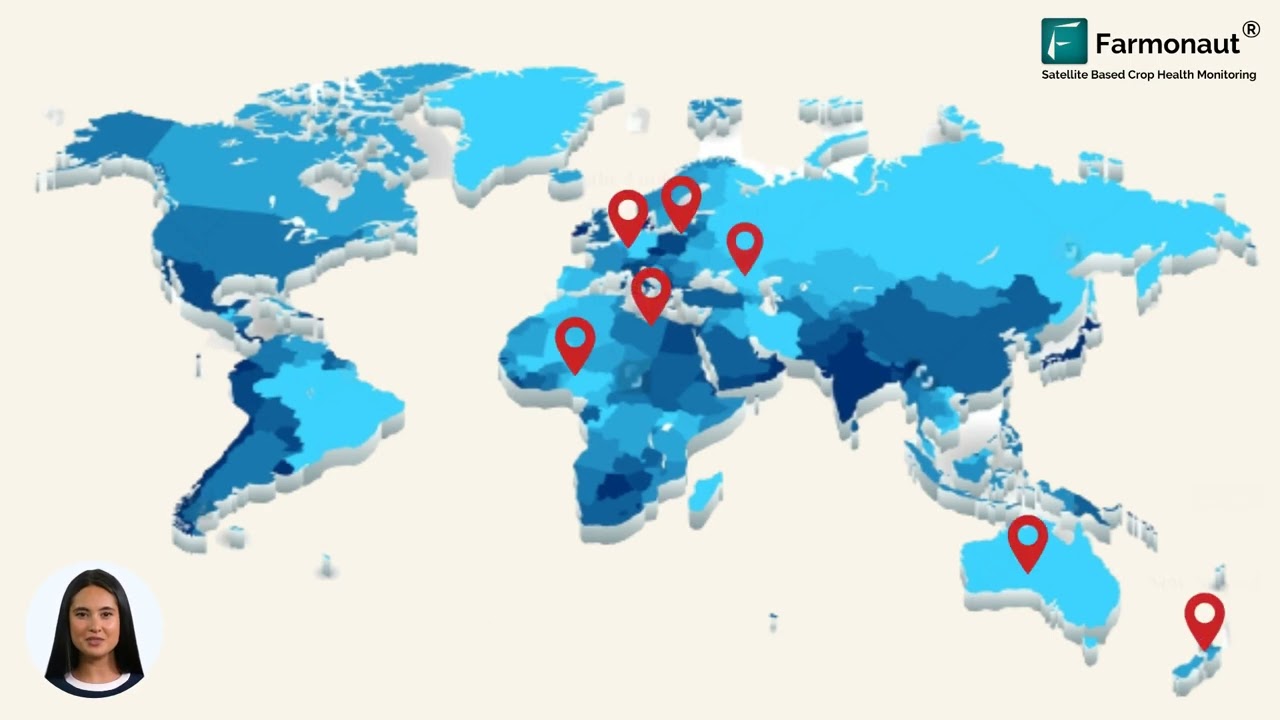
“Sustainable land practices from ancient times preserved up to 80% more biodiversity compared to intensive modern farming.”
Historical Practices vs. Sustainable Outcomes Comparison Table
| Ancient Practice | Description | Modern Sustainable Lesson | Estimated Impact on Ecosystem Services (1–5) | Relevance Today |
|---|---|---|---|---|
| Soil Enrichment (Compost, Manure, Fallow) | Adding organics & resting land to restore fertility. | Soil health management, carbon sequestration | 5 | Essential for sustainable yields & climate goals |
| Crop Rotation, Polyculture | Alternating crops to prevent pest, disease, nutrient loss. | Biological resilience, pest management | 5 | Increases productivity, lowers chemical use |
| Irrigation & Water Harvesting Systems | Channels, tanks, wells for controlled water supply. | Water conservation, drought buffering | 4 | Mitigates water stress; vital for climate resilience |
| Agroforestry & Shelter Belts | Trees with crops/pastures for microclimate, windbreak. | Ecosystem integration, carbon sequestration | 5 | Reduces erosion, boosts biodiversity, supports mixed land-use |
| Collective Storage and Surplus Sharing | Granaries, barns & shared stockpiles. | Reduce food waste; market, price stability | 4 | Prevents hunger, enables trade, supports communities |
| Labor Specialization & Knowledge Transfer | Skill-based division: farmers, toolmakers, watermen. | Boosts productivity, spreads innovations rapidly | 4 | Foundation for modern extension & digital advisory |
| Adaptive Land and Spatial Planning | Zoning, mosaics of crops, woods, grazing. | Dynamic, resilient land-use, ecological buffer zones | 5 | Critical for landscape-scale, cross-sectoral sustainability |
How Dawn of Agriculture Intersects with Forestry, Mining, Infrastructure & Defence
The impact of the dawn of agriculture extends far beyond the farm gate. Its holistic land management templates continue to inform responsible forestry, resource extraction, infrastructure planning, and landscape-level defence. Let’s examine how:
Forestry: Blending Conservation and Productivity
Early societies practiced selective tree cutting, reforestation-like planting, and protection of shelter belts for climate and water regulation. This approach not only stabilized soils and microclimates but also maintained biodiversity and supply of essential fuel, fodder, and medicinal products.
- 🌲 Buffer ecosystems: Agroforestry integrates agriculture and forest for stable yields.
- 🌿 Biodiversity: Multi-layered vegetation protects pollinators and natural pest controls.
- 📈 Data insight: Farmonaut’s advisory supports resilient management of these integrated landscapes.
Mining, Minerals & Gemstones: Ecological Restoration & Reclamation
The dawn of agriculture mindset promoted careful stewardship of land and water during and after extraction of minerals and gemstones. Early mining settlements could not afford to poison their own landscapes. Instead, they utilized local geological knowledge to select mining sites, restore soils post-mining, and balance resource access with future food production.
- ⛏ Restoration first: Modern reclamation strategies align with historical best practices.
- 🌱 Biodiversity rebirth: Regenerating forests and meadows over depleted mines.
- 📜 Traceability: Farmonaut’s blockchain-based traceability secures ethical resource extraction and supply transparency.
Infrastructure: Landscape-Scale Planning for Connectivity
The earliest infrastructure—irrigation canals, terraces, and pathways—was informed by the lay of the land and the need to minimize fragmentation. Modern infrastructure builds on this knowledge by using spatial data and predictive analytics to protect watersheds, pollinators, and agricultural land, even while building out vital roads, water, and energy systems.
- 🛤 Efficient siting: Transport routes avoid valuable cropland, forests, and biodiversity hotspots.
- 🏗 Smart scaling: Farmonaut’s large-scale tools monitor infrastructural changes for ecological impacts.
- 📦 Storage facilities: Tech-enabled hubs reduce post-harvest losses and carbon emissions.
Defence: Security Rooted in Stable Land & Food Systems
Defence strategies since the dawn of agriculture have relied on managing stable, productive landscapes. Buffer zones, strategic land mosaics, and diverse supply networks protect both people and resources during times of strife, natural disaster, and climate extremes.
- 🛡 Security baseline: Continuous supply of food, fuel, and fiber underpins national strength.
- 🌐 Spatial surveillance: Satellite monitoring, as offered by Farmonaut, supports resource allocation and defence planning.
- 🌾 Buffering infrastructures: Hedgerows, shelter belts, and integrated mosaics reduce vulnerability to biotic and abiotic shocks.

Farmonaut’s Role: Satellite Solutions for Sustainable Land Management
Implementing the timeless lessons of dawn farming today requires smart, real-time technology. At Farmonaut, we empower communities, businesses, and governments with advanced satellite, AI, and blockchain solutions for responsible resource management and sustainable productivity.
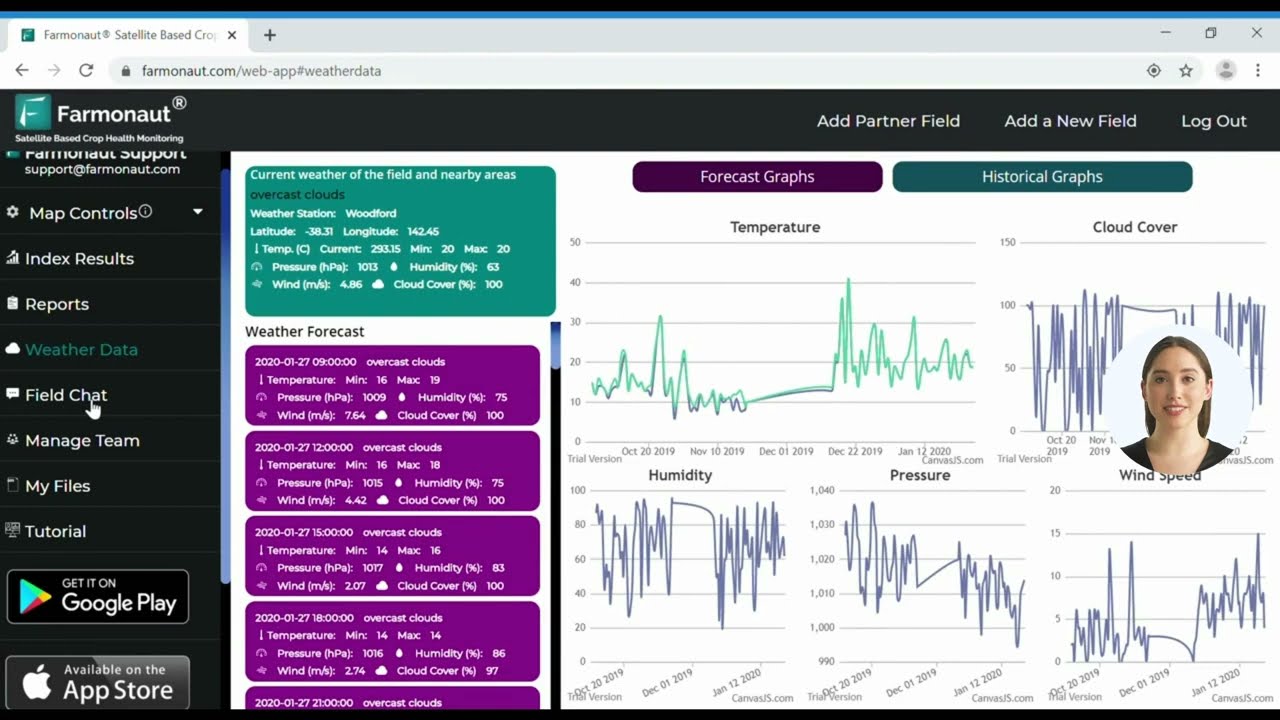
- 🛰 Satellite-Based Monitoring: We leverage multispectral imagery to monitor crop health, soil status, mining sites, forests, and infrastructure—supporting swift, informed decisions for sustainable management.
- 🤖 AI-Driven Advisory: Our Jeevn AI system delivers actionable weather forecasts, crop disease alerts, and customized strategies for farming, forestry, and mining.
- 🔒 Blockchain Traceability: We provide secure traceability systems to guarantee authenticity and transparency for agricultural and mineral supply chains.
- 🚚 Fleet and Resource Tools: Our platform optimizes logistics and fleet usage for maximum efficiency and reduced emissions.
Explore Farmonaut’s fleet management toolkit. - 🌿 Environmental Impact Tracking: Farmonaut enables real-time monitoring of carbon footprints for both agriculture and mining, supporting goal-driven climate action.
Learn about our carbon solutions.
- ✨ Accessible: Affordable subscriptions for every scale—from smallholders to big corporations
- 🌐 Multi-platform: User-friendly apps for web, Android, and iOS
- 🔗 API: Open, robust API for seamless integration into your agri, mining, or infrastructure systems (API access here | API documentation)
- 💡 Scalable: Solutions designed for everyone—from individuals to governments
- 🌱 Sustainable: All tools built with environmental stewardship as a core value



Soil health and diversity are still the most reliable predictors of resilient, long-term productivity—whether in a farm, forest, or mining region.
Combine real-time satellite monitoring with time-tested crop rotation to manage disease risks and optimize yields in any climatic zone.
Verified, traceable supply chains (powered by blockchain) and ecological restoration create premium value for agricultural and mined products, enhancing investor confidence.
Ignoring landscape-scale planning leads to fragmented habitats, eroded soils, and higher climate risk across sectors.
Watershed-driven irrigation and contour farming from the dawn of agriculture are still the most effective ways to combat drought and soil loss.
- 🔔 Early warnings: AI-monitored alerts for weather, pests, or mining anomalies enhance climate resilience.
- 🧬 Blockchain: Transparent, immutable traceability for agricultural and mining products (see product traceability here).
- 🚜 Fleet optimization: Maximize machinery use and lower emissions (explore fleet management).
- 🌾 Real-time crop advice: Leverage season-long insights for better results (plantation & forest advisory).
- 💰 Insurance verified by satellites: Reduce fraud and speed up agricultural or mining loans with our satellite-supported crop & resource insurance.
Farmonaut Subscriptions: Flexible Plans for Every Land Manager
Empower your agriculture, forestry, mining, or infrastructure operation with affordable, scalable satellite solutions. Choose your subscription below for instant access—no hardware required!
Frequently Asked Questions (FAQs)
What is the dawn of agriculture?
The dawn of agriculture refers to the pivotal period, around 10,000 years ago, when human societies shifted from subsistence foraging and gathering to intentional crop cultivation and animal husbandry. This era laid the foundation for modern civilization, reshaping landscapes, economies, and cultures.
How do ancient agricultural lessons shape modern sustainable practices?
Practices such as soil enrichment, crop rotation, irrigation, and integrating forests with farming remain fundamental for balancing productivity, conserving biodiversity, enhancing soil fertility, and ensuring climate resilience today.
How does satellite technology support sustainable land management?
Satellite solutions like those from Farmonaut provide real-time data on vegetation health, soil conditions, water usage, and infrastructure status. This enables data-driven decisions, early warnings, precision irrigation, and optimal resource allocation for agriculture, mining, forestry, and infrastructure.
What role does blockchain play in the agriculture and mining supply chain?
Blockchain technology ensures traceability and transparency, reducing fraud, and validating the authenticity and sustainability of agricultural products, minerals, and gemstones from source to market.
What are the key advantages of Farmonaut’s AI-powered Jeevn System?
Jeevn AI analyzes real-time satellite and weather data, delivers actionable advice for crop and land management, increases yields, mitigates risks, and automates many resource-intensive decision processes for modern land managers.
How do I access Farmonaut’s solutions?
Our services are available via web and mobile apps (web app here, Android, iOS), or by integrating our API into your existing systems (see API).
Key Video Resources on Dawn Agriculture & Sustainable Land
Conclusion: From Dawn Farming to Future Resilience
The dawn of agriculture is not just a historical milestone—it’s the root of all our sustainable land management strategies. By returning to the resilient, diversified, and ecologically integrated practices of our ancestors—and blending them with digital monitoring, AI, and blockchain technology—we can restore degraded lands, sustain communities, and future-proof landscapes against climate and resource shocks.
At Farmonaut, we’re committed to enabling agriculturalists, foresters, miners, infrastructure planners, and defence strategists to learn from the past while harnessing the power of modern satellite data. Together, these time-tested and high-tech approaches can drive a thriving, sustainable future from farm to forest, quarry to urban grid.
Ready to explore satellite-based sustainability? Join the new dawn— monitor and optimize your land with Farmonaut’s platform or API integrations today!

 Agritein
 Delicio
 Payagri
 WB Dev
 Sama Premium
 Prochecker
 Tres Valles
 LACOS Geoinformation
 Pulsar Supernova
 Magrifly
 LatConnect 60
 WebsEdge
 Blickwinkel
 Agricultural Credit Policy Council
 Marei Nursery
 eKGIS
eKGIS Mostas Tech
 Andex
Andex FCF India
 Unifrutti Gulf
