

Delonix regia: 7 Key Benefits for Sustainable Land in 2026
Table of Contents
- What is Delonix regia?
- Botanical & Ecological Characteristics of Delonix regia
- Comparative Matrix: 7 Key Benefits of Delonix regia for Sustainable Land
- Delonix regia in Agroforestry and Sustainable Farming
- Forestry, Land Rehabilitation & Erosion Control
- Economic and Social Importance
- Climate Challenges, Responsible Management, & 2026 Trends
- Integrating Farmonaut’s Tech for Environmental Management
- Frequently Asked Questions
- Conclusion
“In 2026, Delonix regia can boost soil fertility by up to 30% in tropical agroforestry systems.”
What is Delonix regia?
Delonix regia, commonly known as the flame tree or royal poinciana, is a strikingly beautiful deciduous species native to Madagascar. Renowned for its vibrant red-orange flowers and broad, spreading canopy, this tree belongs to the Fabaceae family and is celebrated for its ecological, economic, and visual importance in tropical and subtropical regions worldwide. The relevance of Delonix regia continues to grow, especially given global movements towards sustainable land management, agriculture, and biodiversity conservation, particularly as we move into 2026 and beyond.
The ever-increasing pressure on agroforestry systems, forestry, and soil health brought by climate change, land degradation, and population growth underscores the critical role of species like delonix regia in creating resilient landscapes. Its fast growth, multifaceted benefits, and adaptability make it a vital component in environmental projects—from agroforestry and sustainable farming to land rehabilitation and carbon sequestration.
Let’s discover the seven key benefits of Delonix regia for sustainable land in 2026, supported by both scientific research and practical experience.

Botanical & Ecological Characteristics of Delonix regia
Delonix regia stands out for its impressive botanical characteristics and ecological utility:
- Species Origin: It is native to Madagascar but has achieved widespread presence across tropical and subtropical zones globally.
- Family: It belongs to the Fabaceae (legume) family.
- Growth Habit: The tree exhibits fast development, eventually reaching heights of 12–15 meters, with a broad, expansive crown capable of providing ample shade.
- Leaves: Bipinnate, feathery, and finely divided—boosting solar interception and contributing to its microclimate regulation value.
- Flowers: Inflorescences are renowned worldwide: masses of vibrant red-orange flowers appear in the dry season, making it the centerpiece of landscapes.
- Root System: Its deep, spreading roots allow for moderate drought tolerance and draw nutrients from deeper soils.
- Nitrogen Fixation: The roots host symbiotic bacteria that participate in nitrogen fixation, improving soil fertility especially in degraded lands.
- Drought & Soil Tolerance: Delonix regia flourishes in well-drained soils, withstanding short dry spells, making it highly suitable for climates where agricultural and forestry activities intersect.
- Leaf Litter: Shed leaves build up organic matter, enhancing soil structure, moisture retention, and overall fertility.
These characteristics make Delonix regia a critical function for sustainable land management in 2026, especially as more countries seek resilience and ecological improvement in their farming and forestry systems.
“One Delonix regia tree can sequester approximately 22 kg of atmospheric carbon annually, aiding sustainable land management.”
Comparative Matrix: 7 Key Benefits of Delonix regia for Sustainable Land in 2026
To understand the true benefits of Delonix regia in sustainable land management, agroforestry, and rehabilitation projects, the table below compares each benefit with its estimated environmental impact and 2026 relevance.
| Benefit Description | Estimated Environmental Impact | Application in Agroforestry/Land Management | Relevance for 2026 Sustainability Goals |
|---|---|---|---|
| 1. Natural Soil Fertility Enhancement via Nitrogen Fixation | Up to 30% increase in soil fertility; reduces dependence on synthetic fertilizers by up to 50% in mixed systems | Used as intercropping or on field margins to naturally enrich soils; supports sensitive crops like coffee, cocoa, and spices | Vital for low-input, climate-smart farming; accelerates land rehabilitation after degradation |
| 2. Fast Canopy Growth Providing Ample Shade | Reduces ground temperature by 2°C–4°C under canopy; improves water retention by up to 20% | Protects livestock and crops from extreme sunlight and temperature extremes; vital in heat-prone tropical zones | Promotes yield stability and animal welfare in warming climates (2026 and beyond) |
| 3. Carbon Sequestration & Climate Mitigation | ~22 kg of CO2 sequestered/tree/year; potential for 4–7 tons/ha/year when planted in groves | Essential in carbon farming, carbon footprint assessment, and environmental restoration projects | Addresses 2026 climate action targets; supports participation in carbon credit markets |
| 4. Biodiversity Support & Habitat Creation | Increases pollinator count by 15%–30%; hosts diverse bird and insect species | Acts as a wildlife corridor and pollinator attractor in agroforestry mosaics | Promotes landscape connectivity for enhanced ecological resilience |
| 5. Soil Structure & Moisture Improvement via Leaf Litter | Raises soil organic matter by up to 1.2% per year; boosts crop yields in marginal soils by 10–25% | Leaf litter is left or mulched; builds topsoil and enhances drought tolerance of companion crops | Key to sustainable farming, drought adaptation, and degraded land reclamation |
| 6. Erosion Control & Land Restoration | Reduces annual soil erosion rates by up to 40% in slopes and mining sites | Planted on degraded slopes, old mines, or as windbreaks; initiates vegetation recovery | Counters soil loss in critical regions, helping meet SDGs for land degradation neutrality |
| 7. Social, Cultural, and Economic Value | Enhances urban cooling by creating shade in cities; community well-being increases; provides ~5–15 tons/ha/year of firewood and construction material | Used in parks, roadsides, agriculture-based eco-tourism, and as a source of fuelwood and light timber | Strengthens community ties, supports sustainable urbanization, and adds value to local economies |
Delonix regia in Agroforestry and Sustainable Farming Systems
In 2026, sustainability remains at the forefront of both agriculture and environmental management. Within this context, delonix regia continues to play a multifaceted role across tropical and subtropical regions. Let’s break down how the flame tree delivers unique impacts in agroforestry and farming landscapes.
1. Agroforestry Integration: Shade, Microclimate, and Crop Protection
Delonix regia‘s rapid growth and expansive canopy make it ideal as a shade provider for sensitive crops and livestock. It is often integrated with crops like:
- Coffee (Coffea spp.) – Protects foliage from intense sunlight and heat.
- Cocoa (Theobroma cacao) – Shields against drought stress.
- Spices (e.g., black pepper, vanilla) – Prevents temperature extremes, increases quality and yields.
By regulating the microclimate, Delonix supports animal welfare by providing ample shade for livestock, reducing heat stress and improving overall productivity. This fosters both sustainability and resilience in agricultural practices.
2. Soil Improvement: Nitrogen Fixation and Organic Enhancement
The root system of delonix regia harbors nitrogen-fixing bacteria, which transform atmospheric nitrogen into plant-available forms, enriching soil quality. Combined with the yearly input of leaf litter, this process:
- Decreases reliance on synthetic fertilizers, lowering carbon footprints for farms
- Boosts soil organic matter, enhancing structure and water-holding capacity
- Aids moisture retention and improves crop yields on degraded or marginal soils
3. Biodiversity Promotion in Agricultural Landscapes
The vibrant flowers of delonix attract pollinators and beneficial insects, while the canopy and branching structure offer nesting and habitat sites for birds and small mammals. Integrating delonix regia in diversified farming systems thus increases biodiversity, contributing to ecosystem balance and pest management.

4. Reducing Input Costs and Increasing Farm Profitability
The natural nitrogen contribution by delonix in intercropped plots translates to reduced fertilizer costs, while both crops and livestock benefit from microclimate regulation. Additionally, as the flame tree matures, its wood can provide on-farm resources (fuelwood, craft materials) for local use.
5. Contribution to Drought-Resilient Farming
With moderate drought tolerance, flame trees thrive under periodic dry conditions. This enables sustainable farming in regions experiencing climate variability, ensuring continued productivity and landscape stability, which is crucial for the years leading to and beyond 2026.
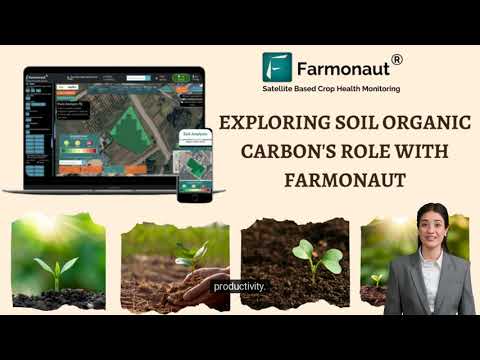



Beyond basic monitoring, Farmonaut’s API (Access here | Developer docs) lets you integrate advanced field and climate data directly into your farm, forestry, and land management software.
For carbon footprinting objectives—as called for by carbon-neutral farming and agroforestry targets in 2026—explore Farmonaut’s carbon footprinting tools, which leverage satellite technology to monitor and report carbon sequestration resulting from species like delonix regia.

Forestry, Land Rehabilitation & Erosion Control: Delonix regia’s Strategic Role
As land degradation and deforestation continue to impact both forestry and agricultural landscapes, delonix regia has proved valuable for reforestation and land rehabilitation projects, especially across:
- Semi-arid and degraded tropical zones
- Areas with significant soil erosion
- Mining reclamation sites—particularly surface or open-pit mines
1. Canopy Establishment and Soil Protection
With fast growth and quick canopy establishment, Delonix shields soils from wind and rain, reducing erosive forces. The root system binds the soil, preventing critical topsoil loss—an essential function for restoration efforts.
2. Kickstarting Ecological Succession
This species can colonize poor soils thanks to its nitrogen-fixing ability and drought tolerance. By stabilizing eroded terrains, it creates a hospitable microhabitat for the natural regrowth of other plants and accelerates ecosystem recovery.
3. Biodiversity Enhancement in Forestry Contexts
Beyond soil and vegetation, the flame tree’s dense foliage supports biodiversity by providing food and shelter for a host of insects, birds, and mammals. Such multifunctional landscapes are more resilient to pest outbreaks and climate extremes, supporting long-term sustainability.

4. Mining Land Reclamation
In mining areas, where soils are degraded and topsoil is lost, delonix regia is used to quickly reestablish vegetation. Its resilience enables initial soil improvement, after which a broader range of native species can be introduced as succession proceeds.
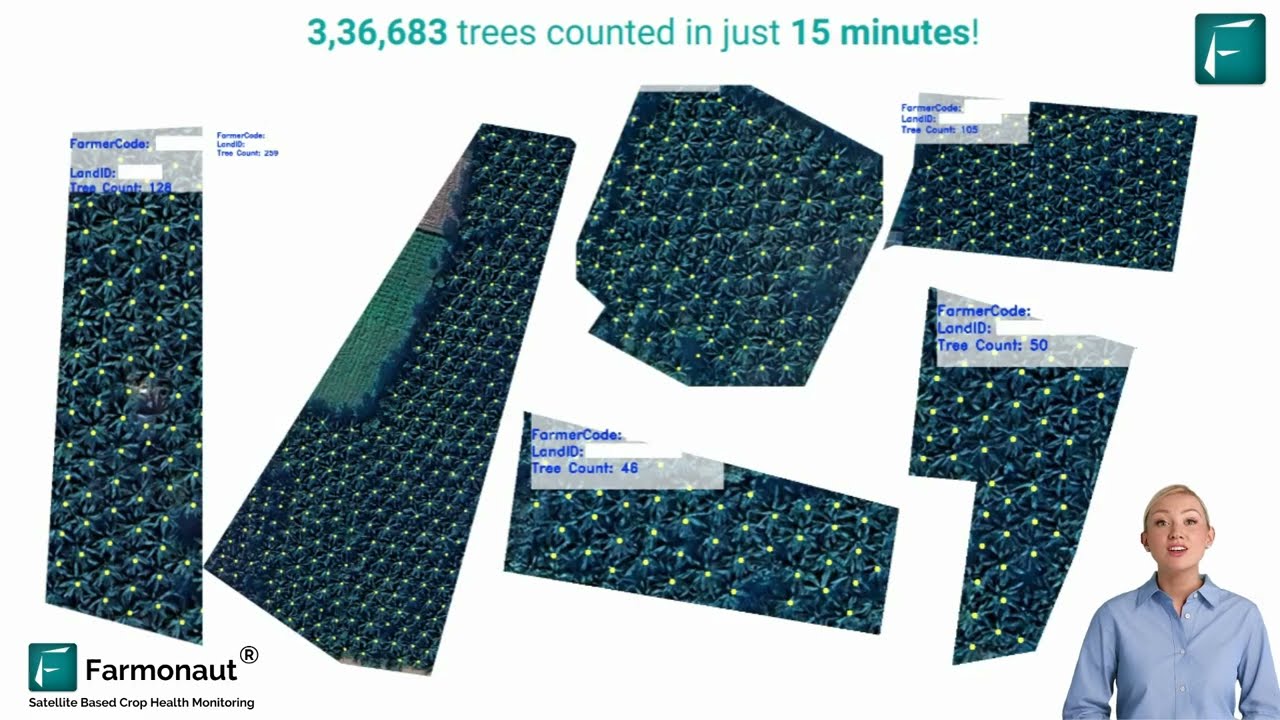
To track rehabilitation outcomes, our Farmonaut platform offers satellite-derived assessment for vegetation regrowth, soil recovery rates, and real-time environmental impact. This supports sustainable reporting and compliance for reclamation projects.
Looking to monitor large-scale or distributed plantations? Our Large Scale Farm Management solutions provide robust mapping, crop health analytics, and resource tracking for forestry and agricultural enterprises utilizing delonix and other tree species.
Economic and Social Importance of Delonix regia
While delonix regia is not harvested as a major timber resource, its economic potential arises from a variety of uses relevant in 2026 and future sustainable development strategies:
- Local Wood Use: Provides fuelwood, light construction material, and craft wood for rural or peri-urban communities.
- Flowers & Seeds: Used ornamentally and in craft production, supporting local economies.
- Urban Greening: As a visually striking species with a broad, spreading canopy, the flame tree plays a major role in city cooling, reducing the urban heat island effect and improving community well-being.
- Cultural Significance: Linked to festivals, civic pride, and the visual signature of many tropical cities and towns. Social value increases where the tree’s flowering marks seasonal change.
Economic Value in Sustainable Land Projects
Delonix-regia-based land management can generate returns in nature-based tourism, sustainable timber, non-timber forest products, and community engagement initiatives—essential in positioning agroforestry and reforestation projects as holistic, socio-ecological ventures rather than solely environmental interventions.

Climate Challenges, Responsible Management, and 2026 Trends for Delonix regia
As we approach 2026, climate variability, extreme drought events, and ecosystem shifts continue to test the resilience of tropical and subtropical land systems. Delonix regia’s drought tolerance and broad adaptability meet many of these challenges—but effective, responsible management is imperative.
1. Climate Adaptation: Flame Tree as a Climate-Smart Species
With rising incidences of heatwaves and unpredictable rainfall patterns, delonix regia’s fast establishment, shade-providing canopy, and ability to fix nitrogen position it as a flagship climate-smart tree for:
- Drought-resilient agroforestry systems
- Urban cooling strategies in expanding tropical cities
- Sustainable forest landscapes and buffer zones

2. Risks of Invasiveness: A Call for Responsible Planting
While widely appreciated, delonix regia can naturalize beyond intended boundaries in non-native zones, potentially competing with indigenous flora and altering local ecosystems. Best practices for 2026-aligned management include:
- Planting alongside native tree species in mixed forests or agroforestry mosaics
- Proactive monitoring and removal of volunteer seedlings outside plantation boundaries
- Collaborating with researchers on ongoing ecological impact studies to balance benefits and conservation priorities
Farmonaut’s remote monitoring capabilities are especially useful here, supporting early detection of spread, multispecies health tracking, and reporting in land management projects.
3. Research and Policy Directions
Global research in agroforestry and reforestation increasingly supports integrated, polycultural plantings—combining delonix regia with both native and economically valuable trees to maximize ecosystem services, productivity, and climate resilience. This aligns with 2026 sustainability and climate action goals, ensuring flame tree plantings remain both ecologically sound and socially valuable.
Looking to streamline management, traceability, and regulatory compliance? Farmonaut’s blockchain-based traceability solutions provide transparency and trust for sustainable tree-based and agricultural supply chains in 2026.
If you’re supporting farmers or local organizations with financial tools, our crop loan & insurance verification tools offer a secure, satellite-based way for lenders and insurers to validate claims and manage risks efficiently.
For those managing transportation or equipment in large-scale forestry and reforestation activities, Farmonaut’s fleet and resource management platform can help you optimize logistics, reduce carbon output, and enhance overall project efficiency.
Interested in best practices and AI-based advisory for crop and plantation forest projects? Access our Crop Plantation & Forest Advisory Services.
Ready to empower your projects with real-time, satellite-driven land insights? Explore affordable Farmonaut subscriptions for agricultural, forestry, mining, and environmental monitoring.
Integrating Farmonaut’s Satellite Tech for Ecological and Sustainable Land Management
In 2026 and beyond, digital transformation is reshaping agriculture, forestry, and environmental management. At Farmonaut, we champion the use of satellite monitoring, AI, and data-driven analysis to amplify the impact of species like delonix regia across sustainable land management scenarios:
- Remote Crop, Soil, and Vegetation Monitoring: We provide real-time NDVI (vegetation health), soil moisture, and organic carbon data for managers of flame tree plantations and other agroforestry plots.
- AI-Based Advisory: Our AI-powered Jeevn system delivers custom recommendations for planting, irrigation, harvesting, and ecological risk detection for farming and environmental projects.
- Carbon Monitoring: For managers targeting carbon neutrality or engaging in carbon credit markets, we track CO2 sequestration rates enabled by delonix regia cover and other sustainable tree management practices.
- Resource, Fleet, and Traceability Services: We help optimize vehicle movement, equipment deployment, and resource use on forestry and reclamation sites, and our blockchain-based tools support compliance and supply chain reporting.
Explore how Farmonaut’s technologies and platforms—from mobile apps to developer APIs—support your ecological, carbon, or restoration targets relating to delonix regia and other multifunctional tree species.
Frequently Asked Questions (FAQ): Delonix regia in 2026
1. Why is Delonix regia especially suitable for tropical and subtropical regions?
Delonix regia is suited for tropical and subtropical climates due to its moderate drought tolerance, fast growth, ability to provide ample shade, and adaptability to varying soil conditions. It is particularly effective in areas where agricultural and forestry activities intersect and where sustainable land management is a priority.
2. What ecological benefits does Delonix regia offer for agroforestry and farming systems in 2026?
The tree naturally enriches soil fertility via nitrogen fixation, supports microclimate regulation through its expansive canopy, attracts pollinators, reduces soil erosion, and sequesters significant quantities of atmospheric carbon. It creates more resilient farmland and diversified agroforestry landscapes.
3. Can Delonix regia be invasive?
In some areas outside its native range, especially where controls are lacking, Delonix regia can naturalize aggressively, outcompeting native flora. Responsible planting, ongoing monitoring, and strategic integration with native species are recommended for sustainable outcomes.
4. How does Delonix regia contribute to land rehabilitation?
Its rapid growth, deep root system, and tolerance of degraded or poor soils make delonix a key species for land restoration, particularly on deforested slopes, mining sites, and in climate-stressed areas.
5. What is the estimated carbon sequestration value of a mature Delonix regia tree?
A mature flame tree is estimated to sequester approximately 22 kg of CO2 per year. In dense plantations or reforestation projects, the accumulated sequestration can reach several tons per hectare per year—an important contribution to sustainability targets for 2026 and beyond.
6. Does Farmonaut provide solutions for monitoring Delonix regia and associated agroforestry systems?
Yes, we offer real-time, satellite-based crop, forestry, and environmental monitoring for trees like Delonix regia. Our technology enables managers to track soil health, vegetation changes, carbon sequestration, and overall ecosystem performance—supporting both conservation and productivity goals.
7. How does Delonix regia fit into climate-smart agriculture?
By improving soil fertility naturally, supplying shade, retaining moisture, sequestering carbon, and supporting biodiversity, the flame tree is integral to climate-smart, low-input farming and land management strategies that build resilience to future shocks.
8. What precautions are needed for urban planting of Delonix regia?
In urban zones, the tree’s roots can lift pavement or interfere with infrastructure. Careful site selection—away from underground utilities and with sufficient root space—is recommended for sustainable urban greening.
Conclusion: A Flame Tree for Tomorrow’s Sustainable Land Management
Delonix regia, elite among tropical tree species in 2026, stands as both a visual icon and an ecological powerhouse. Its role in agriculture, forestry, and sustainable land restoration is anchored in its remarkable capacity for nitrogen fixation, rapid canopy expansion, drought tolerance, erosion control, and biodiversity support. When responsibly managed—ideally within diversified, polycultural systems—flame trees address many of the pressing environmental and social needs for climate adaptation, sustainable food systems, and community resilience.
As digital and satellite monitoring transforms land management, Farmonaut is excited to offer affordable, scalable solutions empowering users, businesses, and governments to maximize the ecological and economic returns from species such as delonix regia. By embracing technology, agroecology, and thoughtful stewardship, we can ensure that this strikingly beautiful tree continues to grow in relevance for a sustainable, resilient, and productive future.
Experience the harmony of flame tree beauty and sustainable land use—2026 and beyond.
Discussion
Questions, corrections or field experience? Share them below. First-time comments are reviewed before they appear, and your email is never published.
No comments yet. Be the first to add a question or your experience.

 Sun Palm Australia
 Grandstream Algérie
 XOS Realty
 Geospatial Lab Africa
 KhetiBuddy
 Agro La Gándara
 HIPSAC
 ZOL Zimbabwe
 Juligerm
 AdBio
AdBio MISE Maroc
 NWNS
NWNS Red August Group
 Farm Inc
 WeMe Global
 Agrotoken
 Blue BearX
 Insignito
 Croptimum
 DnCubed
 Licence holder · Niger · Gold
 Licence holder · Nigeria · Gold + lithium










