

Digital Marketing in Agriculture: 10 Growth Strategies
Introduction: The Digital Revolution in Agriculture
Digital marketing for agriculture has fundamentally transformed the way agricultural businesses, forestry enterprises, and agribusinesses operate, communicate, and grow. Through the innovative use of digital tools, platforms, and strategies, stakeholders in the agricultural sector can now connect, engage, and build lasting relationships with consumers and partners around the globe.
In this comprehensive guide, we explore the top 10 digital marketing strategies for agriculture—from establishing a robust online presence to leveraging data analytics and embracing sustainability in marketing. Designed for farmers, agribusinesses, and agricultural marketers, these strategies utilize cutting-edge methods such as SEO, social media, video, and more to drive growth, enhance brand visibility, and ensure competitive advantage.
Applying these strategies not only leads to better engagement with your audience and customers but also optimizes sales, trust, and visibility—directly benefiting the entire agricultural value chain.

Why Is Digital Marketing Essential in Agriculture?
- It allows agricultural businesses and enterprises to reach wider audiences cost-effectively.
- Consumers today value transparency, sustainability, and authenticity—digital platforms can communicate these values.
- Emerging digital solutions drive data-driven agriculture, optimize operations, and help stakeholders make better decisions.
- Platforms like social media, informative blogs, email campaigns, and e-commerce are revolutionizing traditional marketing channels.
1. Establishing a Robust Online Presence for Agribusiness
Establishing a robust online presence is the cornerstone of any successful digital marketing for agriculture initiative. In today’s environment, a professional, easy-to-navigate, and mobile-responsive website is essential. It not only serves as a primary hub for information but also offers a platform where agricultural businesses can build trust, share knowledge, and facilitate direct engagement with their audience.
- Website Essentials: High-quality product images, detailed information, and clear contact details are mandatory. These features help promote transparency and make your brand more approachable.
- SEO (Search Engine Optimization): Incorporating basic and advanced SEO practices ensures your website ranks higher in search results. This includes optimizing for keywords like “digital marketing for agriculture” and regional terms (e.g., “precision farming in [Your Country/Region]”).
By optimizing page speed, implementing meta tags, and ensuring seamless navigation, agricultural brands can create a compelling user experience that drives organic traffic and encourages customers to interact or purchase.
For inspiration on what constitutes a comprehensive digital presence, consider platforms offering real-time crop monitoring or farm management—these showcase the power of integrating technology and simplicity for users.
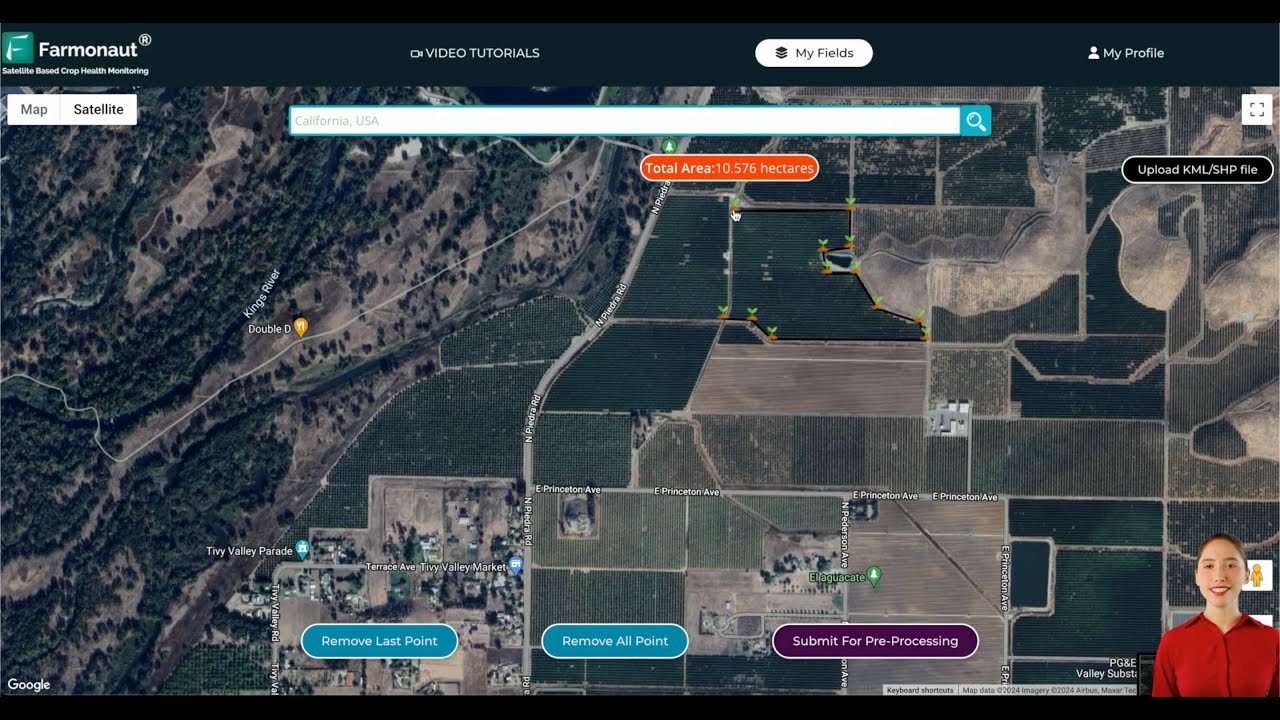
- Farmonaut Agro Admin App: Ideal for large-scale farm management, this application demonstrates how a web and mobile-friendly platform can serve the needs of both small and medium agricultural enterprises, making precision agriculture accessible to a wider audience. Check it out here.

Pro Tip: Use schema markup, image ALT tags with your focus keyword (e.g., “agricultural digital marketing strategy”), and keep your page load time low to further improve website visibility and accessibility.
Strategy Comparison Table: Digital Marketing for Agriculture
2. Harnessing the Power of Social Media: Agriculture Social Media Marketing
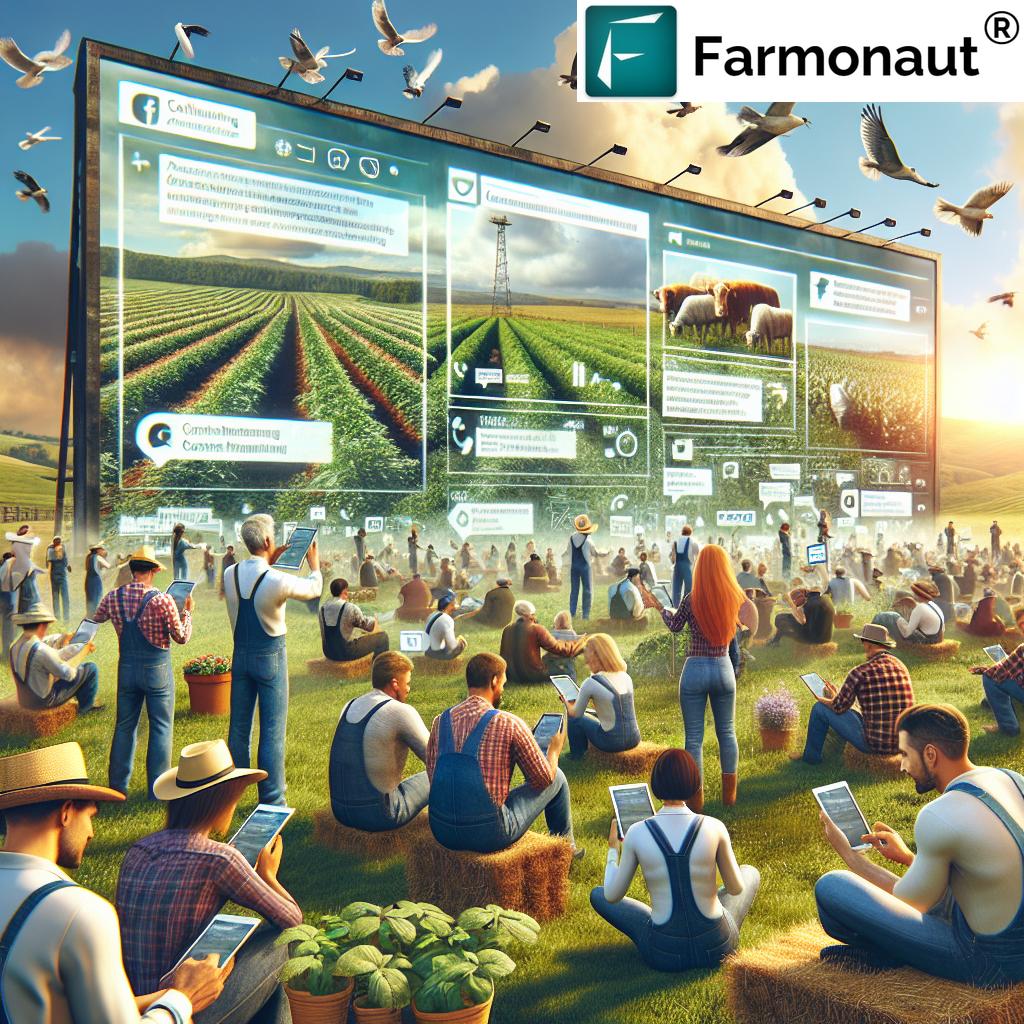
Social media platforms—including Facebook, Instagram, LinkedIn, and YouTube—are now invaluable for agricultural marketing strategies. These platforms provide access to millions of users, allowing agricultural businesses to share updates, testimonials, success stories, and educational content efficiently and interactively.
- Online Community Engagement: Interactive posts such as polls, quizzes, and live sessions foster a sense of community among your audience. Responding to comments and messages shows consumers that your brand values engagement and feedback.
- Visual Storytelling: Use images, including ones produced through an AI image generator API for concepts you can’t easily photograph, and short-form videos to showcase innovative practices, real-time farm activities, and customer testimonials.
- Platform-Specific Strategies:
- On Facebook and Instagram: Share visually appealing field images, infographics, and stories about your farming practices or product journeys. AI agents can now resize, caption, and reformat those visuals for each platform so that a single harvest photo shoot can cover a full week of posts.
- On LinkedIn: Publish insightful articles about industry best practices and trends in agricultural technology.
- On YouTube: Share explainer videos and customer journeys for complex processes such as smart farming and traceability.
Did you know? Nearly 65% of U.S. farmers use social media for farm management and marketing—highlighting its significance for the modern agricultural sector (Zipdo).
Blockchain-based Product Traceability is a standout use case where digital transparency meets consumer trust—traceability builds confidence in your brand story throughout social channels.
3. Implementing Content Marketing Strategies: Content Marketing for Farmers
Content marketing for farmers is about producing educational, insightful, and valuable content that addresses your audience’s real needs. Compelling content positions agricultural businesses as industry leaders and plays a pivotal role in improving search engine optimization efforts.
- Informative Blogs and Articles: Create articles and guides on trending topics such as precision farming, disease detection with AI, or sustainable irrigation methods.
- Video Blogs (Vlogs): Share day-in-the-life visual stories, product demos, and expert interviews, making even technical topics accessible to a broad audience.
- SEO Content: Target specific long-tail keywords like “agriculture email marketing” or “data analytics in agricultural business” to attract organic search traffic.
- Downloadable Resources: Case studies, infographics, checklists, and eBooks can build your email list and establish brand authority.
Example: If addressing crop health monitoring, explain how real-time satellite-based data improves decision-making in plain language. Content like this drives organic traffic and helps create loyal relationships.
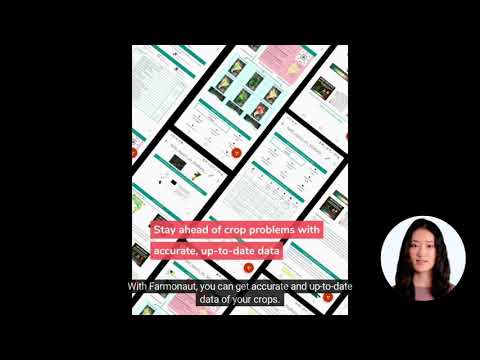
Leverage digital publishing tools for automated distribution and analytics. For instance, our Farmonaut Advisory Platform integrates with mobile and web for timely distribution of insights, maximizing audience reach with minimal effort.
4. Utilizing Email Marketing: Agriculture Email Marketing
Email marketing remains a highly effective tool for agriculture businesses seeking direct, personalized communication with their audience. With an average ROI of up to 122%, agriculture email marketing surpasses most conventional methods in engagement and conversion.
- Regular Newsletters: Share product updates, special offers, crop advisory tips, or alerts on upcoming events.
- Personalized Recommendations: Use CRM to segment your list based on customer behavior and deliver timely, relevant content.
- Email Automation: Automated drip campaigns welcome new subscribers, nurture leads, and re-engage dormant contacts.
Quick Tips: Keep subject lines specific (e.g., “How to Optimize Fertilizer Use for Higher Yields”), include strong calls to action, and optimize for mobile viewing.
- Farmonaut API and Developer Docs allow direct integration of weather and farm alerts to enrich your email content.




5. Leveraging Video Marketing: Video Marketing in Agriculture
Video marketing in agriculture is a powerful strategy to effectively showcase operations, demonstrate new products, share testimonials, and increase engagement. According to recent studies, video content can directly influence up to 74% of farmers’ purchasing decisions.
- Platform Reach: YouTube and short-form platforms like TikTok broaden your audience—especially for younger consumers and digitally savvy farmers.
- Content Examples: Tutorials on drone-based spraying, satellite crop analysis, or walk-throughs of a precision ag app.
- Storytelling via Testimonial Videos: Customer success interviews build brand trust and authenticity.
- Live Sessions: Host live Q&A on best practices in resource optimization or new technologies to drive real-time audience participation.
Boost tip: Ensure all videos include closed captions for accessibility, and incorporate strong calls to action—e.g., “Subscribe for more precision ag tips.” You can use AI to create video captions is a highly efficient way to save time and ensure accuracy across your agricultural content, making your insights easier for a global audience to follow.
6. Engaging in Influencer Marketing: Influencers in Agriculture
Influencer marketing is rapidly gaining traction in agricultural marketing strategies. Partnering with credible influencers in the agri sector can amplify your brand, increase trust, and provide targeted reach.
- Influencers as Educators: Agriculture influencers and farm experts often share “how-to” content, demo videos, and real-life stories about technologies and products.
- Live Sessions and Sponsored Posts: Utilize these collaborations for product launches, Q&A sessions, or showcasing sustainable and traceable practices.
- Authentic Content: User-generated and influencer-driven content is typically perceived as more genuine than traditional ads.
This approach enhances your brand resonance with target segments—from young, tech-first farmers to established agribusiness decision makers.
- Farmonaut Carbon Footprinting—Highlight your sustainability journey by collaborating with influencers focused on eco-friendly agricultural practices.
7. Exploring E-commerce and Online Sales: Ecommerce for Agricultural Products
Setting up ecommerce for agricultural products enables businesses to sell directly to consumers, opening up new markets and diverse revenue streams.
- Platforms: Shopify, WooCommerce, and similar e-commerce platforms make it easy to offer products like seeds, fertilizers, specialty crops, or agri-tech solutions.
- Marketing Automation: Integrate payment gateways, automate order fulfillment and provide timely support with chatbots for seamless user experiences.
- SEO Integration: Optimize product listings with focus keywords like “online presence for agribusiness” and “agriculture social media marketing” for higher search rankings.
- Traceability: Provide certificates or blockchain-based supply chain data for organic and sustainable products to build customer trust.
Tip: Use detailed, high-quality images and transparent descriptions for trust. For implementation, reference our Product Traceability module for secure blockchain certification capabilities.
8. Implementing Mobile Marketing in Agriculture
With smartphone adoption rising rapidly among farmers and consumers globally, mobile-optimized marketing is now essential for digital agriculture strategy.
- Mobile-friendly Websites & Apps: Design responsive interfaces ensuring key information, contact details, and updates are easily accessible on all devices.
- SMS Marketing & Push Notifications: Use targeted text alerts for agronomic tips, disease warnings, irrigation updates, or flash sales.
- Location-Based Marketing: Deliver geo-targeted offers or information to promote local events or products.
Example: Platforms leveraging mobile for crop health advisories or weather alerts (such as Farmonaut’s advisory system) drive higher engagement and foster stronger community relationships.
9. Focusing on Data Analytics in Agricultural Business
Data analytics in agricultural business is a game changer—enabling precise tracking, campaign optimization, and informed decision-making.
- Performance Monitoring: Monitor web traffic, user journeys, conversion funnels, and campaign ROI using analytics tools such as Google Analytics, CRM dashboards, and satellite-based reporting platforms.
- Customer Segmentation: Analyze audience demographics, interests, and behavior to tailor content and offers appropriately.
- Predictive Insights: Use AI-driven analytics to forecast trends, anticipate demand, and implement proactive marketing strategies.
Try Farmonaut Fleet & Resource Management Tools to integrate logistical analytics for more efficient plantation and operations management.
Adapt & Optimize: Map out key performance indicators (KPIs) and conduct regular reviews to ensure your campaigns remain effective and results-driven.
10. Embracing Sustainability in Marketing: Sustainable Agriculture Marketing
Consumers are increasingly choosing brands that highlight sustainability and responsible stewardship of natural resources.
- Highlight Sustainable Practices: Promote initiatives such as soil health monitoring, water conservation, carbon footprinting, and organic certification.
- Storytelling: Share real stories and data-driven results (e.g., “Reduced chemical usage by 35% in 2023”).
- Certification: Display relevant certifications and traceability throughout your digital platforms to build trust and stand out from competitors.
Pro Tip: Sustainability isn’t just a buzzword—it’s a value proposition. Embrace sustainability in your marketing to reach eco-conscious consumers and reinforce your commitment to responsible agriculture.
Overcoming Digital Marketing Challenges in Agriculture
While digital marketing for agriculture offers significant benefits, agricultural businesses and enterprises face unique challenges:
- Infrastructure Gaps: Limited internet access in rural locations can restrict campaign reach and engagement.
- Language and Digital Literacy: Diverse audiences require content in multiple languages and educational outreach to maximize inclusivity and comprehension.
- Content Adoption: Older or traditional farmers may be slower to adopt digital platforms—community outreach and dynamic content formats (audio, video, infographics) can bridge this gap.
Solution: Provide multilingual content using tools like lip sync AI to dub videos naturally into local languages, , host digital training, and use simple, visual tools. Platforms like Farmonaut’s satellite-based app are designed for accessibility and ease of use, helping break through technology barriers at all experience levels.
Farmonaut: Empowering Digital Agriculture Globally
As one of the industry’s most innovative agricultural technology providers, we at Farmonaut are committed to making precision agriculture affordable, accessible, and effective for every stakeholder—from individual farmers and cooperatives to agribusinesses and government agencies.
What Makes Farmonaut’s Platform Unique?
- Satellite-Based Crop Monitoring: Real-time NDVI, soil moisture, and crop health analytics accessible via web, Android, and iOS apps—empowering farmers to make informed decisions about irrigation, fertilizer usage, and pest management.
- Jeevn AI Advisory System: Personalized AI-driven advisories deliver actionable insights for improved productivity and efficiency.
- Blockchain-Based Product Traceability: Transparency and trust through secure, verifiable supply chain documentation. Explore more at our Traceability Product Page.
- Fleet & Resource Management: Optimize plantation logistics and machinery operations using AI and satellite tools—details on our Fleet Management Product Page.
- Carbon Footprinting: Measure and reduce environmental impact with real-time emissions data—visit our Carbon Footprinting Solution.
- API Integration: Developers and businesses can integrate our data directly via API and access detailed documentation here.
- Crop Loan & Insurance Services: Satellite-based verification for lenders and insurance providers, promoting transparency and faster approvals. Learn more on our Crop Loan and Insurance Page.
- Large-scale Plantation Advisory: Solutions for governments and cooperatives. Ideal for forestry and plantation enterprises.
Frequently Asked Questions (FAQ) on Digital Marketing for Agriculture
Q1: Why is digital marketing important for agriculture businesses?
Digital marketing allows agricultural businesses to reach wider and more targeted audiences, build customer relationships, showcase innovative practices, and increase product sales—often at lower costs compared to traditional marketing methods.
Q2: Which social media platforms are most effective for agriculture?
Facebook and Instagram for community engagement and product visuals; LinkedIn for B2B networking and agri-industry insights; YouTube for educational and testimonial video content.
Q3: How does SEO help agricultural websites?
SEO improves your website’s ranking in search engines for industry-specific and local queries, making it easier for potential customers and partners to discover your brand and offerings.
Q4: What are the benefits of Farmonaut for agricultural businesses and farmers?
Farmonaut’s advanced technology offers satellite-based farm monitoring, AI-driven recommendations, blockchain traceability, and sustainability tracking—empowering better decision-making, transparency, and efficient farm management for individuals and businesses.
Q5: What is the best first step for digital marketing for agriculture enterprises?
Begin by establishing a robust, SEO-optimized, and mobile-friendly website. Then incrementally integrate social media, content marketing, and analytics for continuous organizational growth.
Q6: Is ecommerce suitable for all agricultural products?
While ecommerce is ideal for packaged and specialty agricultural products, businesses selling perishable goods or bulk commodities may benefit more from B2B online sales and enhanced supply chain traceability modules.
Q7: How can digital marketing help promote sustainable agriculture?
Digital channels enable transparent sharing of sustainability certifications, stories, and carbon footprint data, which builds consumer trust and enhances brand reputation for responsible practices.
Q8: Why is data analytics crucial for digital agriculture?
Data analytics help monitor campaign effectiveness, optimize spending, and personalize customer journeys—leading to higher ROI and audience satisfaction.
Conclusion & Next Steps
Digital marketing has revolutionized the agricultural sector, empowering farmers, forestry operations, and agribusinesses with innovative, data-driven ways to connect, engage, and grow. From establishing an online presence and harnessing social media, to leveraging analytics, video, and sustainable marketing, the right digital strategies can unlock unprecedented success in today’s globally competitive market.
By adopting and implementing the strategies detailed above, with a focus on continual adaptation and data-driven optimization, the agricultural community can build lasting relationships, showcase best-in-class practices, and drive sustainable profitability for years to come.
Embrace the future of agriculture—start or scale your digital journey now!

 Grow Indigo
 FFBS
FFBS Jontra
 Kalustyan
 Tucor
Tucor Geno
Geno Hayleys Agriculture
 Linx Agritech
 Adinet
 Save Your Soils
 Grandstream Algérie
 XOS Realty
 Geospatial Lab Africa
 Agro La Gándara
 HIPSAC
 ZOL Zimbabwe
 Juligerm
