

Eucalyptus Tree for Sale: 7 Benefits for Growing 2026
Growing Eucalyptus Tree: An Overview for 2026
The eucalyptus tree, once exclusive to Australia, is now cultivated worldwide, from subtropical India to temperate Europe and across Africa and South America. Farmers and foresters view the eucalyptus as a valuable, fast-growing evergreen species with rapid growth rates and high adaptability to diverse climatic conditions.
With about 900 eucalypt species across the Eucalyptus, Corymbia and Angophora genera (ABARES), these trees thrive in both subtropical and temperate zones, reaching maturity within just 6–10 years—much faster than many traditional timber species. This makes the eucalyptus tree for sale a highly attractive option for commercial plantations, savvy farmers, and land managers looking to maximize returns from marginal or degraded lands.
In 2025 and the years ahead, the global demand for eucalyptus plants for sale continues to rise—supporting industries ranging from forestry, agriculture and apiary to essential oil production and beyond.

Top Eucalyptus Species to Grow in 2026
Not all eucalyptus species are created equal. Selection depends on climate, soil type, intended use (timber, oil, honey), and local market preferences. Some of the most popular eucalyptus tree for sale options include:
- Eucalyptus globulus (Blue Gum): Loved for pulp, oil, and biomass
- Eucalyptus camaldulensis (Red River Gum): Versatile, drought-tolerant, great for marginal lands
- Corymbia citriodora (Lemon Scented Gum, formerly Eucalyptus citriodora; Australian National Botanic Gardens): High-value essential oil, ornamental value
- Eucalyptus tereticornis (Forest Red Gum): Popular for timber and honey production
- Eucalyptus grandis (Rose Gum): Fast-growing, perfect for commercial plantations
- Eucalyptus melliodora (Yellow Box): Prized eucalyptus honey resource
Each species offers distinct advantages—from rapid growth and timber yield to high oil content and exceptional bloom cycles for apiaries. Buyers should consult local agroforestry suppliers or nurseries to select species best suited for their region before making a purchase.
Eucalyptus Tree for Sale: 7 Key Benefits in 2026
Let’s uncover why eucalyptus plant for sale remains a top choice for agriculture, forestry, and apiary industries as we approach 2026—by exploring its seven signature benefits:
1. Fast Growth & Early Maturity
- Rapid growth rates (many species mature within 6–10 years) enable quicker returns on investment than most traditional timber trees.
- Fast maturation makes eucalyptus plantations highly attractive for farmers seeking profitable options on both productive and marginal lands.
2. Premium Timber Yield for Multiple Industries
- Eucalyptus wood is valued for its strength, durability, and suitability for pulp, paper, furniture, and construction.
- Major regions worldwide rely on eucalyptus tree for forestry and construction materials due to speed and commercial viability.
3. Essential Oil Production & Pharmaceutical Value
- Eucalyptus oil is a globally traded commodity with high demand in pharmaceutical, cosmetic, and cleaning industries.
- Many species (notably E. globulus and Corymbia citriodora) produce leaves rich in essential oils for value-added agricultural products.
Modern traceability solutions
support the authenticity and supply chain transparency for eucalyptus oil products, helping producers gain trust in both local and global markets.
4. Eucalyptus Honey: An Apiary Powerhouse
- Eucalyptus honey—produced by bees foraging on eucalyptus blossoms—offers unique flavor, antimicrobial properties, and premium value in health-conscious markets.
- Strategic growing of eucalyptus alongside beekeeping significantly enhances honey yields and product portfolio for farmers.
Blockchain-based traceability
is transforming the honey market, offering guaranteed transparency from hive to shelf.

5. Carbon Sequestration and Sustainable Land Management
- Growing eucalyptus plantations store carbon in wood and roots, helping farmers achieve carbon footprinting and ESG (Environmental, Social, & Governance) goals.
-
Carbon footprint monitoring tools
empower landowners to quantify and showcase the sustainability of their operations, attracting new buyers and partners in 2026.

6. Soil Conservation & Rehabilitation of Degraded Land
- Eucalyptus roots stabilize soil and help reclaim degraded areas, reducing erosion and restoring fertility over time.
- They offer windbreaks and microclimate improvements, benefitting understory crops in agroforestry systems.

7. Pest Resistance and Lower Input Costs
- Eucalyptus leaves contain oils and allelopathic compounds that deter some browsers, though plantations still face insect pests and fungal diseases that need monitoring.
- Lower maintenance costs make eucalyptus appealing for large-scale plantations and resource-limited growers focused on environmental and economic efficiency.
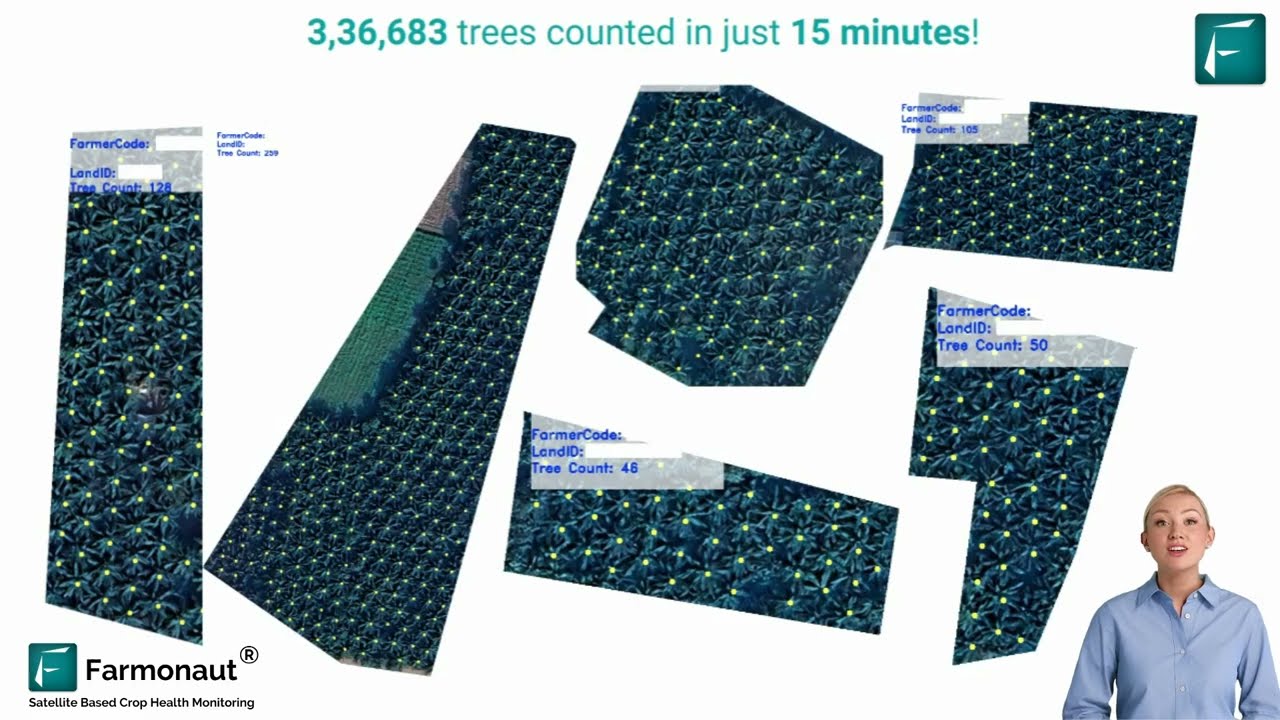
Comparative Benefits Table: Eucalyptus Tree Advantages
Here’s a visual summary of the key advantages of growing the eucalyptus tree for sale, quantifying environmental impact and economic potential for each benefit:
Setting Up a Profitable Eucalyptus Plantation
Whether you’re establishing a large-scale plantation or integrating eucalyptus plants into an agroforestry system for honey or oil, a successful setup involves:
- Site Assessment: Analyze soil, water, and climate. Eucalyptus thrives in well-drained soils and tolerates both subtropical and temperate conditions.
- Species Selection: Choose species based on intended use (timber, oil, honey), site conditions, and market demand.
- Land Preparation: Clear weeds, perform soil enrichment, and ensure proper spacing (generally 2x2m to 3x3m grid) for optimal plant health and growth.
- Planting: Use high-quality saplings from reliable nurseries or agroforestry suppliers.
- Maintenance: Regular pruning, pest control (typically minimized by eucalyptus’s natural defenses), and monitoring for disease or water stress.
- Harvesting: Timber harvested at 6–10 years; leaves for oil and flowers for honey production can be collected seasonally.
Modern growers increasingly use
digital large-scale farm management tools
to monitor plantation health, schedule harvests, and ensure optimal productivity.
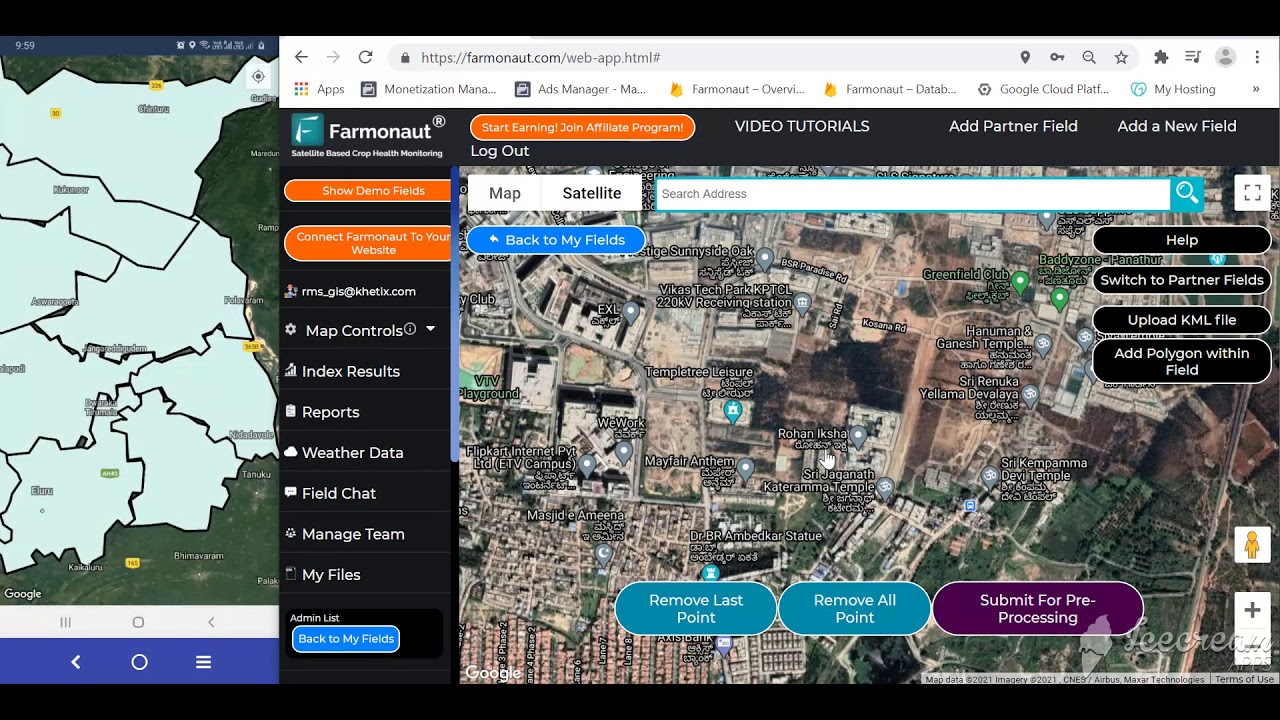
Market Trends & Outlook 2025–2026: Timber, Oil, and Honey
The market for eucalyptus tree for sale is driven by surging demand in three main industries:
- Timber: Construction booms in Asia and Africa, combined with demand for sustainable alternatives to slow-growing hardwoods, support demand for plantation eucalyptus.
- Essential Oil: Demand comes mainly from pharmaceutical, wellness and cleaning products.
- Eucalyptus Honey: Premium prices and health-conscious buyers fuel rapid growth in the apiary sector.
For direct access to satellite-powered agricultural insights, visit our crop plantation & forest advisory platform.
Beyond these, there is increasing interest in carbon markets—where carbon sequestration by eucalyptus plantations can unlock new income streams for growers adapting to environmental regulations and sustainable agriculture.

Ecological & Environmental Benefits of Growing Eucalyptus
In addition to economic value, eucalyptus trees deliver measurable environmental benefits:
- Land Rehabilitation: Reclaims degraded, eroded areas and offers shade and habitat for wildlife.
- Climate Action: Acts as a carbon sink, actively supporting global reforestation efforts.
- Enhanced Biodiversity: When well-managed and combined with native species, supports greater biodiversity compared to monoculture systems.
- Water & Soil Conservation: Reduces soil erosion and protects water resources when planted responsibly—though care must be taken to avoid over-planting in water-scarce areas due to eucalyptus’s high water uptake.
Modern best practices recommend:
- Decentralizing plantations and intercropping with suitable crops for balanced ecosystems.
- Using satellite monitoring platforms to guide sustainability strategies and ongoing resource management.
What makes eucalyptus farming eco-friendly
Eucalyptus is not good or bad for the environment by itself. The result depends on where it is planted, how much water the catchment can spare, and how much land is kept out of production. Sustainable eucalyptus production usually rests on four practices.
- Plant on land that was already cleared. Converting native forest or grassland to eucalyptus is what draws most criticism. Certified growers plant on former farmland or degraded land.
- Set land aside. The Forest Stewardship Council (FSC) standard requires 10% of forestry land to be kept for conservation. In South Africa the industry sets aside 25–35% in practice, mostly riparian zones, wetlands and grassland (Forestry South Africa).
- Budget for water. Eucalyptus uses more water than most crops. South Africa classes plantation forestry as a streamflow reduction activity, so growers need a water licence and pay for water use (Forestry South Africa). Keeping trees out of stream banks and wetlands is standard practice.
- Grow more wood on less land. Well-managed clonal plantations in Brazil reach a mean annual increment of about 35 m³ of wood per hectare, around 245 m³ per hectare at a 7-year harvest (Floresta e Ambiente). High yields reduce the area needed for a given supply of pulp or timber.
Buyers of pulp, timber and eucalyptus oil increasingly ask for FSC or PEFC certification as proof of these practices.
How Farmonaut’s Satellite Tech Empowers Eucalyptus Growers
At Farmonaut, we deliver satellite-based agricultural solutions designed for the evolving needs of foresters, farmers, and land managers growing eucalyptus and other high-value crops. Here’s how our technology supports your eucalyptus plantation journey:
- Real-time Crop & Forest Monitoring: Multispectral satellite images track vegetation health, soil conditions, and forest canopy, driving better field decisions.
- AI-based Advisory: The Jeevn AI Advisory System delivers weather forecasts and growth recommendations for optimal timber, oil, or honey production.
- Blockchain Traceability: Secure tracking of trees, timber, oil, and honey ensures supply chain transparency and quality assurance.
- Environmental Impact Tracking: Quantify carbon sequestration and sustainable practices for compliance and market advantage.
- Fleet and Resource Management: Optimize harvest logistics for large-scale commercial plantations—lowering costs and enhancing productivity.
Ready to access actionable insight?



For developers or tech teams, integrate satellite monitoring into your own platforms using the
Farmonaut API, with full documentation available on our developer portal.
For commercial enterprises, we offer affordable subscription packages, detailed below:
Frequently Asked Questions
1. Is the eucalyptus tree profitable for small-scale farmers?
Yes, its rapid growth, multiple product streams (timber, oil, honey), and low maintenance make the eucalyptus tree for sale a profitable choice—especially on land unsuitable for traditional crops.
2. Can I plant eucalyptus trees with other crops?
Absolutely. Many agroforestry systems integrate eucalyptus with food or forage crops, though considerations about allelopathy and water use are important for planning.
3. Which eucalyptus species is best for honey?
Eucalyptus melliodora (Yellow Box) and Eucalyptus tereticornis are widely favored among beekeepers for
eucalyptus honey production due to their prolific flowering and nectar yield.
4. How sustainable is eucalyptus oil production?
Eucalyptus oil can be produced sustainably—especially using certified sources and responsible leaf harvesting. Sustainability tracking systems, such as product traceability technologies, further protect ecosystem health and product integrity.
5. Can satellites monitor eucalyptus plantation health?
Yes. Farmonaut’s satellite-based monitoring tracks vegetation health, soil moisture, disease outbreaks, and growth rates across even the largest plantations.
6. Are there risks in growing eucalyptus?
The main risks are overextraction of water in dry zones and possible allelopathic effects on sensitive crops. Responsible site selection and plantation design help mitigate these risks.
Conclusion: The Future of Eucalyptus Tree for Sale
As 2026 approaches, eucalyptus tree cultivation stands at the intersection of economic profit and sustainability. Its fast growth, diverse commercial products, and powerful ecological benefits make it a keystone resource for farmers, foresters, and apiary operators determined to thrive amid global change.
Eucalyptus trees offer not only profitable timber and oil but enable the production of premium eucalyptus honey, vital ecosystem services, and robust support for sustainable farming. Emerging technologies, such as satellite monitoring, blockchain traceability, and AI-based crop management—available from companies like Farmonaut—make managing and marketing eucalyptus products easier, smarter, and more sustainable than ever.
Those looking to diversify, strengthen land use, and capture new market opportunities should strongly consider eucalyptus plant for sale options as part of their forward-thinking agricultural or agroforestry systems in 2026 and beyond.
Discussion
Questions, corrections or field experience? Share them below. First-time comments are reviewed before they appear, and your email is never published.
No comments yet. Be the first to add a question or your experience.

 Fair Climate Fund
 TVS Electronics
 BW Pipelines
 WICO
WICO Gen Chayat
 Chimera Innovation
 SkyHarvest
 Polaris Digitech
 Teledarbas
 Wild Oak Farm
 SFX
SFX BACF Africa
 Doodlakine
 Exurbia Geospatial
 FieldZero
 Indico Company
