

Paulownia Tomentosa, Tilia Tomentosa: 7 Tree Benefits for Sustainable Forestry & Agriculture in 2025



Table of Contents
- Introduction: Paulownia Tomentosa’s Renewed Attention in 2025
- Overview: Paulownia Tomentosa, Tilia Tomentosa, & Related Species
- Trivia: Paulownia Tomentosa’s Growth
- Benefit 1: Exceptional Growth & Rapid Reforestation
- Benefit 2: Carbon Sequestration & Climate Change Mitigation
- Benefit 3: Soil Improvement & Erosion Control
- Benefit 4: Timber Production & Economic Potential
- Benefit 5: Biodiversity Support & Ecosystem Services
- Trivia: Tilia Tomentosa Supports Biodiversity
- Benefit 6: Drought Resistance & Restoration Value
- Benefit 7: Agroforestry & Multi-Use Potential
- Paulownia vs Tilia: 2025 Comparative Benefit Table
- How Farmonaut Empowers Sustainable Forestry & Agriculture
- Challenges, Future Outlook & Responsible Cultivation
- Frequently Asked Questions (FAQ)
- Conclusion
Introduction: Paulownia Tomentosa’s Renewed Attention in 2025
In 2025 and beyond, the urgency to adopt sustainable forestry, environmental restoration, and climate-friendly agricultural practices is at an all-time high. Among the trees at the forefront, Paulownia tomentosa and its related tomentose species, such as Tilia tomentosa (“Silver Linden”), are gaining remarkable renewed attention for their range of ecological, economic, and land reclamation benefits.
Paulownia tomentosa, also known as the Empress tree, is a standout fast-growing deciduous tree with roots tracing back to central and western China. With rapid growth, lightweight yet strong timber, and versatile applications in sustainable forestry, timber production, and land reclamation, it’s increasingly shaping innovative approaches in modern practices. Related tomentose trees—notably Paulownia fortunei, Tilia tomentosa, and Prunus tomentosa—amplify these benefits in both agricultural and ecological contexts.
“Paulownia tomentosa can grow up to 3 meters per year, making it one of the fastest-growing trees for reforestation.”

Overview: Paulownia Tomentosa, Tilia Tomentosa, & Related Species
The context of sustainable and circular economies in modern agriculture is rapidly evolving. The Paulownia genus—especially Paulownia tomentosa, Paulownia fortunei—comes to the forefront with attributes central to current and future timber production, reforestation, and ecological restoration projects.
- Origin: Central and Western China, but now found in diverse temperate regions worldwide.
- Growth: Reaching maturity in just 8–10 years; growing several meters per year under optimal conditions.
- Physical Characteristics: Large, heart-shaped tomentose leaves; fragrant purple flowers; lightweight but durable wood.
- Related Tomentose Trees: Tilia tomentosa (Silver Linden) valued for biodiversity and pollinator support; Prunus tomentosa (Nanking Cherry) valued for fruits and ornamental value in agroforestry.
Keywords naturally integrated above: paulownia tomentosa, paulownia tree, tilia tomentosa, paulownia fortunei, prunus tomentosa, tomentosa, paulownia, sustainable, forestry, growth, benefits, tilia, prunus, land, timber, production, agriculture, 2025, tree, ecological, agroforestry, wood, agricultural, related, fortunei, reclamation, improved, resistance, soil, systems, economic, modern, practices, rapid, alongside, tomentose, like, native, fragrant, flowers, lightweight, cultivated, quality, key, projects, biodiversity, potential, especially, renewable, ecosystem, challenges, environmental, role, context, commonly, known, empress, gained, renewed, attention, versatile, applications, trees, genus, shaping, innovative, approaches, overview, deciduous, hardwood, central, western, china, renowned, remarkable, reaching, maturity, 8, 10, years, growing, several, meters, per, year, optimal, conditions, characterized, large, leaves, purple, yet, strong, closely, shares, many, characteristics, due, disease, one, advantages, exceptional, ability, sequester, carbon, critical, climate, change, mitigation, strategies, extensive, root, system, promotes, aeration, improves, structure, facilitating, water, retention, reducing, erosion, makes, particularly, valuable, reforestation, degraded, lands, often, planted, crops, create, use, provide, shade, wind, protection, enhancing, crop, yields, maintaining, furthermore, capabilities, although, limited, compared, legumes, contribute, fertility, time, prized, strength, fine.
Benefit 1: Exceptional Growth & Rapid Reforestation
Paulownia Tomentosa’s Growth Advantage for Forestry in 2025
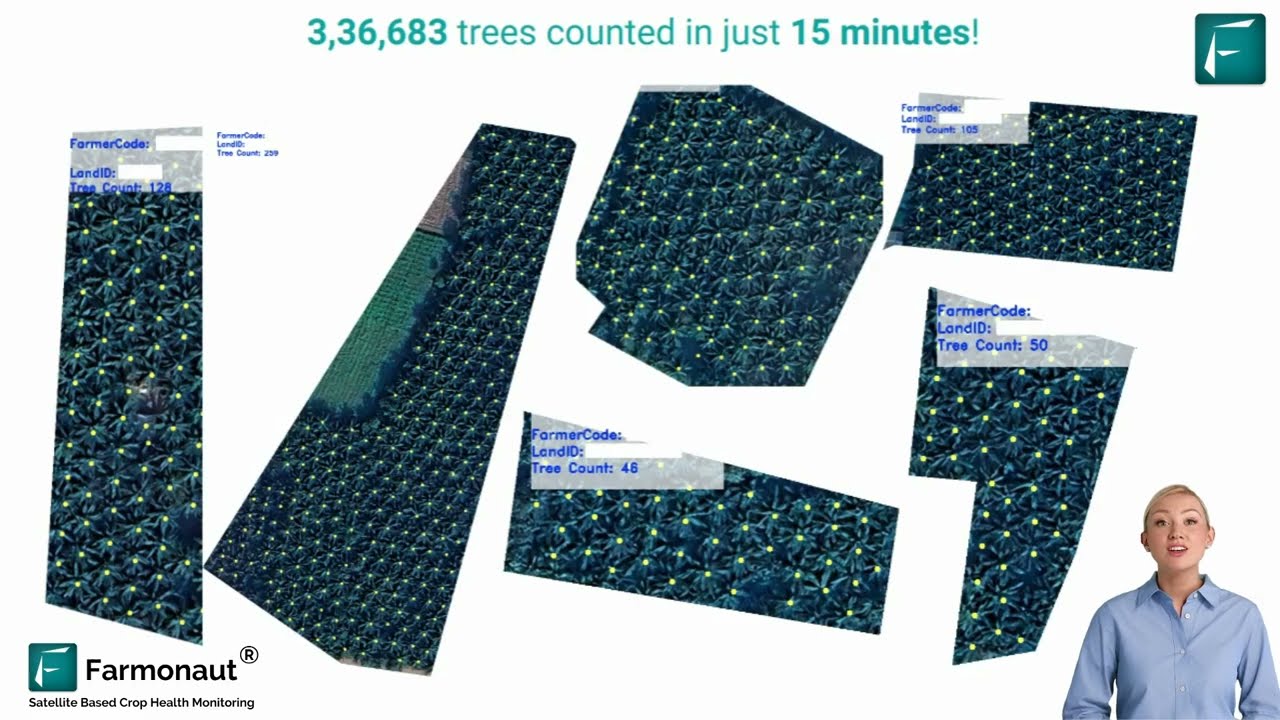
Paulownia tomentosa stands unmatched among trees for its rapid growth rate—up to 3 meters per year—and ability to achieve timber production maturity in only 8–10 years. Compared with conventional hardwoods that require decades, this dramatic growth means forestry projects and land reclamation efforts can be significantly accelerated for climate, economic, and biodiversity benefits.
- Fast Canopy Formation: Provides immediate soil protection and shade, enhancing microclimates and enabling rapid site transformation.
- Multi-annual Harvests: With proper coppicing, Paulownia species can yield several wood harvests from the same rootstock.
- Contrast with Tilia tomentosa: Tilia’s growth is slower (about 1 meter/year), yet it offers other ecological values.
Farmers, restoration leaders, and timber investors increasingly favor Paulownia tomentosa and related species for high-speed reforestation in degraded lands—especially across mining-impacted, eroded, or post-agricultural row-crop regions. This trend will likely continue dominating sustainable development projects well into 2026 and beyond.
For landowners and forestry managers, the Farmonaut Crop Plantation & Forest Advisory App delivers actionable, satellite-based insights for optimized tree planting, monitoring, and sustainability tracking—directly on your desktop or mobile.
Benefit 2: Carbon Sequestration & Climate Change Mitigation
Paulownia Tree Carbon Sequestration: Key Role in Environmental Projects
The climate crisis and rising CO₂ levels demand urgent mitigation solutions—trees, especially rapid-growing species like Paulownia tomentosa, are central to global carbon strategies.
- High Carbon Capture Potential: Paulownia’s ability to sequester significant amounts of atmospheric carbon each year—thanks to its quick biomass accumulation—makes it vital in carbon offset initiatives.
- Global Carbon Footprinting: Farmonaut Carbon Footprinting Tools help quantify and monitor the carbon captured by forestry projects, enabling environmental compliance and impactful carbon credit opportunities.
- Multilayered Planting: Integrating Paulownia with tilia, prunus, or crops maximizes total ecosystem carbon capture.

With carbon-focused policies shaping world economies in 2025 and beyond, Paulownia tomentosa is positioned as a strategic carbon sink for industry and government climate pledges—while its timber remains renewable and sustainable.
Tilia tomentosa exhibits moderate carbon capture, but contributes additional ecological services—especially for pollinator habitats.
Paulownia fortunei—a closely related species—offers equally powerful carbon sequestration capability with improved disease resistance and timber quality, broadening its commercial application.
Benefit 3: Soil Improvement & Erosion Control
Paulownia Species as Soil Engineers in Modern Agroforestry
Healthy soil is the foundation of sustainable agriculture and productive lands. Paulownia tomentosa has an extensive, vigorous root system that actively improves soil quality and structure:
- Promotes Aeration: Root systems enhance oxygen movement in soils, benefiting microorganisms essential for nutrient cycles.
- Reduces Erosion: Dense canopies and strong roots stabilize vulnerable landscapes—particularly on slopes or degraded former mining sites.
- Facilitates Water Retention: Large, broad leaves intercept rainfall, slowing runoff and increasing infiltration for drought resilience.
- Reclamation Value: Plantation projects with Paulownia transform infertile, compacted areas into agriculturally productive systems within a few years—dramatically faster than most native species.

In parallel, Tilia tomentosa is often integrated for long-term soil stabilization and supporting biodiversity, while Prunus tomentosa aids topsoil restoration and understorey development in agroforestry designs.
Benefit 4: Timber Production & Economic Potential
Paulownia Tree as a Sustainable Timber Solution for 2025 and Beyond
Paulownia tomentosa and Paulownia fortunei are prized for their timber—combining lightweight properties (reducing transport and milling cost), fine grain, durable wood, and exceptional strength. The production cycle is far shorter versus most hardwood trees (harvest in 8–10 years vs. 30–70 for traditional species).
- Timber Applications: Suitable for furniture, musical instruments, construction elements, decorative panels, biochar, and even boat building.
- Circular Economy Alignment: With plantation and rotational harvest, Paulownia supports ongoing timber supply without permanent land deforestation.
- Paulownia fortunei Advantages: Exhibits even greater disease and pest resistance, maximizing yields and reducing management cost.
- Renewable Resource: Fast regrowth allows continuous cycles of production, supporting economic stability for rural communities.
In contrast, Tilia tomentosa timber is mainly used for specialty crafts, carving, and urban landscaping rather than high-volume wood supply, but it adds multi-functionality in sustainable agroforestry systems.
Utilize Farmonaut’s Large-Scale Farm Management Solutions for remote monitoring and optimized timber production planning. Leverage our satellite tools to track plantation growth, soil health, and yield estimates over multi-year cycles.

As demand grows for sustainable and renewable wood, investment in Paulownia and Tilia tomentosa plantations will remain a key trend into 2026.
Benefit 5: Biodiversity Support & Ecosystem Services
Enhancing Ecosystems with Tomentose Trees
Both Paulownia tomentosa and Tilia tomentosa play crucial roles in increasing on-farm and landscape biodiversity:
- Pollinator Habitat: Fragrant, nectar-rich flowers—especially from Tilia—attract bees, butterflies, and other beneficial insects throughout the growing season.
- Habitat Creation: Rapid canopy closure and dense foliage quickly provide cover and nesting opportunities for birds, insects, and wildlife.
- Ecosystem Services: In urban and rural landscapes, tomentose trees improve air quality, moderate microclimates, and reduce urban heat island effects.
- Multi-layered Agroforestry: Including tomentose species alongside fruiting Prunus tomentosa, vegetables, or grasses increases system resilience and pest management.
Tilia tomentosa is especially prized for ecosystem services. Its flowers are a critical honey source for beekeepers and local honey production globally. The biodiversity impact is substantial and lasting.
“Tilia tomentosa plantations can increase local biodiversity by supporting over 150 insect species in restored agroforestry systems.”

Do you manage a diversified timber or agroforestry project? Farmonaut Traceability & Blockchain Tools ensure transparent verification from forest to end-product, helping you build customer trust and streamline regulatory compliance.
Benefit 6: Drought Resistance & Restoration Value
Tomentosa Species for Climate-Adapted Forestry Systems
- Drought Tolerance: Paulownia demonstrates high adaptability to periodic drought conditions—assisted by deep rooting and effective water use—making it a reliable choice for climate-impacted regions.
- Restoration in Degraded Lands: Both Paulownia and Tilia are increasingly used in post-mining reclamation or severely degraded agricultural zones, restoring productivity and ecological function.
- Multi-annual Vigour: Paulownia’s regrowth following harvest or severe weather events accelerates restoration, whereas Tilia ensures ecosystem stability over decades.
Both trees are suited for supporting climate-smart restoration in 2026 and beyond, given the growing variability in rainfall and temperature extremes worldwide.
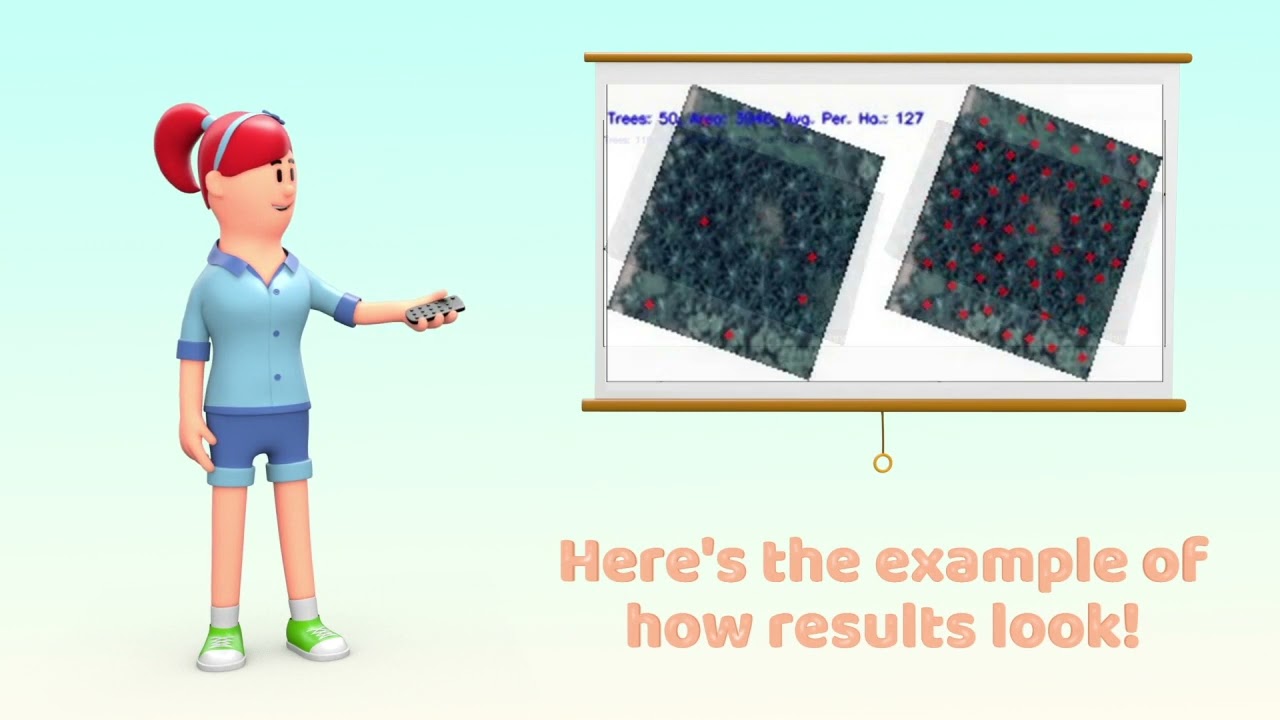
Optimize the deployment of planting and forestry machinery with Farmonaut Fleet and Resource Management. Track, coordinate, and improve the efficiency of your large-scale ecological restoration projects through satellite-enabled fleet tools.
Benefit 7: Agroforestry & Multi-Use Potential
Paulownia, Tilia, and Prunus Tomentosa: Versatility in Modern Systems
The future of sustainable agriculture increasingly relies on agroforestry—systems integrating multiple tree and crop species to optimize use of land, ecological function, and income streams. Paulownia tomentosa offers shade, wind protection, and microclimate improvement, making it ideal for multi-layered cropping.
- Cooler Soil and Crop Protection: Broad Paulownia and Tilia canopies guard against heat stress and wind damage, improving vegetable, grain, or fruit yields in mixed systems.
- Diversified Outputs: Timber, honey, fruit (Prunus tomentosa), and even edible flowers can be simultaneously harvested from a single agroforestry site, reducing economic risk for farmers.
- Biodiversity Conservation: Agroforestry with tomentose trees supports wildlife, beneficial microbes, and native pollinator species not present in monocultures.
- Supplementing Soil Fertility: While Paulownia is not a true nitrogen-fixer, its leaf litter and fast nutrient cycling contribute to soil fertility over time.
The inclusion of Prunus tomentosa in the understorey supports fruit yields and ongoing biodiversity, especially in peri-urban and restoration-focused agroforestry systems popular in 2025 and ahead.
Protect your investment in forestry and agroforestry with Farmonaut Satellite-Based Crop Loan and Insurance Verification—enabling data-driven risk assessment and reducing the cost of financing for modern landowners and tree growers.
Paulownia vs Tilia: 2025 Comparative Benefit Table
| Benefit / Characteristic | Paulownia Tomentosa (Estimated Data 2025) | Tilia Tomentosa (Estimated Data 2025) | Sustainable Impact |
|---|---|---|---|
| Carbon Sequestration Rate | ~10-14 tons CO₂/ha/year | ~6-8 tons CO₂/ha/year | Paulownia’s rapid growth outpaces most trees, maximizing climate remediation impact. |
| Timber Yield | 25-35 m³/ha/year | 5-8 m³/ha/year | High Paulownia output supports circular timber industries & rural economies. |
| Soil Improvement Potential | 30-50% (estimated soil organic matter increase over 8 yrs) | 20-35% (long-term enrichment) | Both species excel, supporting lasting land restoration for agriculture. |
| Biodiversity Support (Habitat Score) | High (75+ insect/bird spp. supported/ha) | Very High (150+ insect spp. supported/ha) | Tilia excels for pollinators & insects; Paulownia supports broader wildlife. |
| Drought Resistance | Excellent (deep, extensive root system) | Good (tolerates moderate drought) | Paulownia performs best for rehabilitation in harsh climates. |
| Restoration Suitability | High (mining & degraded land: 25+ ha/project) | Moderate (urban and farm restoration: 10+ ha/project) | Paulownia is top choice for rapid land reclamation; Tilia for urban biodiversity projects. |
*Data above is estimated for 2025 based on recent plantation research and field results; actual outcomes may vary by site and management practices.
How Farmonaut Empowers Sustainable Forestry & Agriculture
As a leading satellite technology company, we at Farmonaut are dedicated to democratizing access to advanced monitoring and decision support systems for timber, agroforestry, and reclamation landscapes. Using a blend of satellite imagery, AI, and blockchain technology, we:
- Deliver real-time monitoring of Paulownia tomentosa and Tilia tomentosa plantations for growth, health, drought stress, and soil conditions.
- Enhance sustainability in agriculture and forestry by tracking carbon sequestration and environmental impact, accessible via Farmonaut App and robust APIs (Farmonaut Satellite API, API developer docs).
- Enable traceability within timber and agroforestry supply chains, improving transparency for certification and value-added marketing.
- Support resource management, environmental compliance, and precise land restoration tracking using multispectral and AI-driven analysis.
- Provide tools to optimize fleet management (link here), organisation-wide plantation strategies, and crop verification for insurance and finance (details).
Our commitment is sustainability, transparency, and accessibility—enabling landowners, businesses, and governments to achieve environmental goals while maintaining profitability from timber, agriculture, and restoration projects.
Challenges, Future Outlook & Responsible Cultivation
Despite the remarkable benefits and potential of Paulownia tomentosa and Tilia tomentosa, certain challenges must be navigated to secure long-term sustainability:
- Invasiveness Risk: In non-native areas, Paulownia can spread rapidly and outcompete local flora if unmanaged. Ongoing research and careful site selection are essential for ecological balance.
- Pest and Disease: Although Paulownia fortunei shows improved resistance, all forestry projects require monitoring for pests and pathogens—tools like our satellite app can assist with early warning detection.
- Water Logging Sensitivity: Paulownia prefers well-drained soils; excessive moisture can limit success or reduce wood quality.
- Regulatory Frameworks: Sustainable forestry and land restoration must comply with local and global standards, especially in 2025+, as policy continues evolving with climate and biodiversity goals.
- Genetic Improvements: Advances in genetics and breeding are increasing Paulownia vigor, disease resistance, and timber quality, reducing challenges for commercial and ecological installations.
The outlook is highly positive for nature-based restoration using tomentose species, provided responsible plantation, modern monitoring technology, and science-based strategies are emphasized.
Frequently Asked Questions (FAQ)
Q1: Why is Paulownia tomentosa preferred for timber production in 2025?
A1: Its fast growth, renewable timber yield, lightweight yet strong wood, and short maturity cycle (8–10 years) significantly outpace conventional hardwoods, making it central to sustainable and circular timber economies.
Q2: How do Paulownia and Tilia tomentosa support biodiversity in forestry and agroforestry?
A2: Tolia tomentosa (Silver Linden) supports over 150 insect species; Paulownia provides habitat, pollinator resources, and ecosystem diversity, especially when forming canopy in mixed planting.
Q3: Is Paulownia tomentosa invasive outside China?
A3: In some regions, rapid seed production and growth means Paulownia can become invasive. Responsible plantation management and contextual planning mitigate this risk effectively.
Q4: Can Paulownia tomentosa thrive in drought-prone or degraded soils?
A4: Yes—its deep roots and rapid growth enable survival and land restoration in challenging environments, outperforming many standard forest species.
Q5: What’s the role of satellite technology in modern forestry and agroforestry?
A5: Platforms like Farmonaut provide real-time, remote monitoring of tree growth, health, and ecosystem impacts, empowering smarter management and data-backed decisions for sustainability.
Q6: Can I integrate Paulownia, Tilia, and Prunus tomentosa in one agroforestry system?
A6: Absolutely. These tomentose species complement each other—Paulownia for rapid timber and shade, Tilia for pollinators, and Prunus for fruit and biodiversity—maximizing resilience and outputs.
Conclusion: Paulownia Tomentosa and Tomentose Species in Sustainable Forestry & Agriculture
Across global forestry, agroforestry, and ecological restoration in 2025 and forward, Paulownia tomentosa emerges as a cornerstone species—combining rapid, renewable timber production with powerful climate resilience, soil restoration, and biodiversity enhancement. Tilia tomentosa, Paulownia fortunei, and Prunus tomentosa extend these benefits—making them invaluable for constructing robust land stewardship systems that serve both people and the planet.
With satellite-driven monitoring and decision support tools like Farmonaut, sustainable land management moves from theory to daily practice: empowering faster restoration, reliable timber supply, and verifiable environmental impact for future-proof agriculture and forestry.
The future demands trees that grow smarter, faster, and with a lighter environmental footprint—Paulownia tomentosa, Tilia tomentosa, and their related species are ready to lead the way.
Learn how to monitor your carbon impact on Farmonaut today →
For developers and tech-enabled land managers, access the Farmonaut Satellite API and read our developer documentation for integration.
Start your sustainable journey with Farmonaut—technology for resilient trees, healthy planet, and thriving communities.
Discussion
Questions, corrections or field experience? Share them below. First-time comments are reviewed before they appear, and your email is never published.
No comments yet. Be the first to add a question or your experience.

 Suminter India Organics
 Crossprod
 Patrick America
 Liquify Digital
 CU Foods
 BeyondTech Global
 Rouge VC
 AgroGreen Dynamics
 AgroRisk
 Oath Inc
 Reddane Farming
 Esri North East Africa
 Cresol
 MDCV UK
 Zerella Group
 Etech Consulting Madagascar
 Vestlandsforsking
 Delicio
 WB Dev
 Sama Premium
 Exploration consultancy · South Africa · Gold
 Licence holder · Niger · Gold










