

“By 2026, over 70% of farms will adopt traceability software, revolutionizing food safety and supply chain transparency.”
“Farm liability insurance claims are projected to drop 20% by 2025 due to improved traceability and storage technology.”
Farm Liability Coverage & Traceability: 2026 Trends
In the constantly evolving landscape of modern agriculture, managing farm liability coverage and embracing traceability have become essential for sustainable growth and risk mitigation. As we approach 2026, the integration of advanced farm liability insurance, innovative farm storage facility loans, and industry-leading traceability software is redefining farm profitability, operational security, and food transparency across the globe. This comprehensive guide explores the top trends shaping farm liability coverage and traceability, providing actionable insights for farmers, agribusinesses, and stakeholders in 2025 and beyond.
Summary: Core Farm Innovations for 2026
The agricultural sector is undergoing rapid transformation driven by technology, risk management, and increased demands for food safety and sustainability. In 2026, farm liability coverage, advanced farm traceability software, and farm storage facility loan programs are the backbone of profitable and sustainable farming. By integrating these solutions, farmers and agribusinesses are better equipped to boost average farm income, mitigate diverse operational risks, and comply with evolving market and regulatory requirements.
Understanding Farm Liability Coverage for 2026
Farm liability coverage is a critical safeguard, protecting farmers and agribusinesses from a wide range of risks—from bodily injury and property damage to personal injury that can occur on farm premises or arise from farm operations. With the increasing mechanization and diversification of activities (such as agri-tourism and renewable energy installations), liability policies in 2026 have expanded to include not only the traditional risks but also emerging risks.
- ✔ Increased coverage: Cyber, environmental contamination, and product liability are now standard.
- 📊 Claims reduction: Projected 20% drop in farm liability insurance claims by 2025 due to integration with traceability solutions.
- ⚠ Risks addressed: Flooding, wildfires, supply chain complexity, and bodily injury from modern equipment all receive attention.
- 💡 Paramount for agribusinesses: Liability coverage enables financial stability and market legitimacy.
The key for 2026 is comprehensive farm liability insurance: policies engineered to protect against the wider range of risks posed by today’s technological innovations and complex agricultural supply chains.

Expansion of Risks and Covered Claims in Modern Agriculture
Modern farm liability coverage now routinely covers claims arising from:
- ✔ Bodily injury (workers, visitors, vendors)
- ✔ Property damage (neighboring fields, public infrastructure)
- ✔ Product liability (unsafe or contaminated food/products)
- ✔ Cyber risks (data breaches, attacks affecting smart farming systems)
- ✔ Environmental contamination (chemical spills, runoff)
- ✔ Climate/damage incidents: (flooding, wildfires, drought impact mitigation)
The push to integrate agritech, smart sensors, and advanced management software means farm liability insurance must also cover losses arising from technology failures and reputational damage linked to supply chain traceability.
Farm Storage Facility Loan Programs: 2026 Outlook
Farm Storage Facility Loans (FSFL) are a vital tool for farmers, enabling them to finance the construction or upgrade of on-farm storage facility structures for grains, oilseeds, and pulses. With the support of agencies like the USDA and Department of Agriculture, these programs focus on reducing post-harvest losses, maintaining product quality, and giving flexibility to time the market for better prices.
In 2026, the trend is toward eco-friendly construction materials and the integration of smart technologies—such as temperature control, humidity sensors, and automated inventory management—to reduce spoilage and enhance operational efficiency. These innovations not only support climate resilience but also minimize unexpected costs and boost average farm income.
Eco-friendly, climate-resilient facilities boost shelf life and reduce commodity losses.
Sensors and automation drive operational efficiency and real-time monitoring.
By managing market timing and reducing losses, farmers achieve better prices and profits.
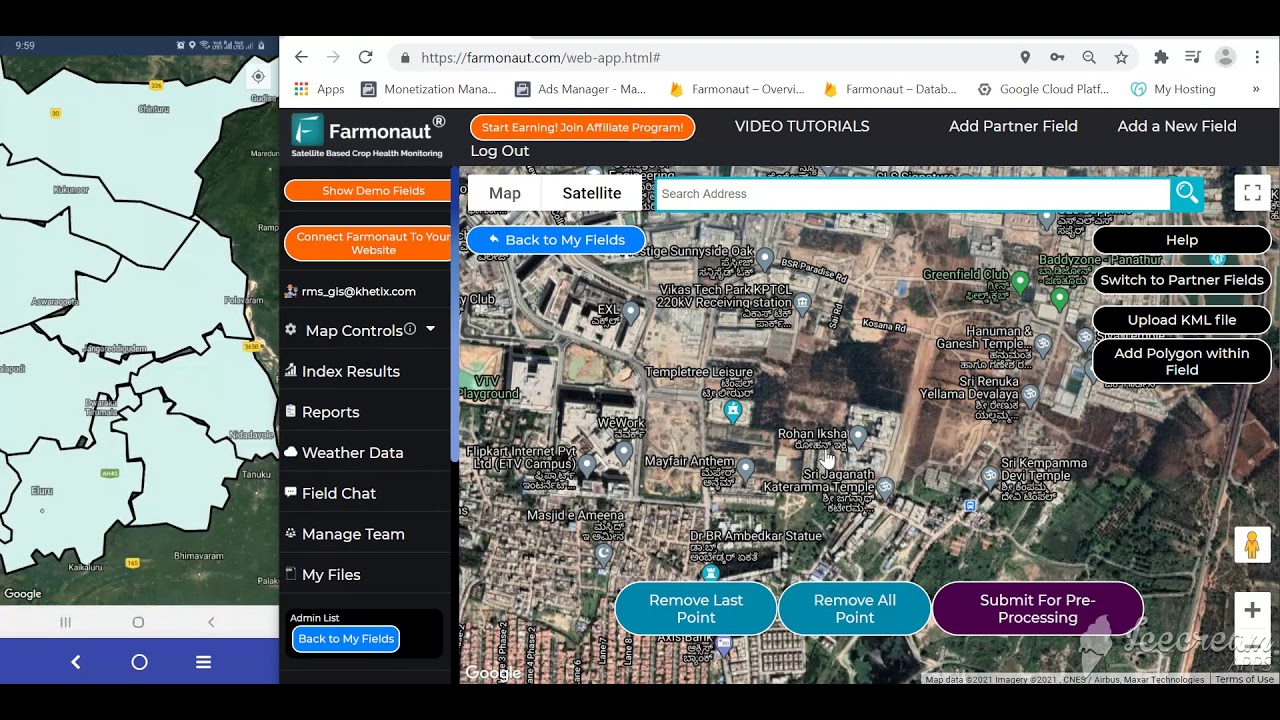
Farm storage facility loans thus continue to be a pivotal element in sustainable agricultural operations. Enhanced with smart-tech, these loans empower farmers to achieve consistent quality, minimize risk, and reduce loan-associated costs via technology-enabled verification and monitoring—as available via satellite-based verification services like those accessible through Farmonaut’s Crop Loan & Insurance service.

Farm Traceability Software: Technology, Transparency & Trust
Traceability has become critical for farmers and agribusinesses meeting modern consumer and regulatory expectations in 2026. Farm traceability software ensures food safety, compliant documentation, and transparency throughout farm supply chains.
In place of complex, high-cost blockchain platforms, advanced traceability solutions like Farmonaut’s Product Traceability system are leveraging satellite, AI, and secure cloud integrations to track every step from seed to sale. Modern traceability software can now integrate sensor data, drone imagery, and IoT to provide comprehensive, real-time food system intelligence.
The results? Reduced liability from contamination risks, efficient recall management, and the ability to demonstrate sustainable practices—thereby granting market differentiation and access to markets demanding traceable, ethical products.
- 🔑 Key Features: End-to-end product chain tracking, integration with automated sensors, cloud data accessibility, and secure third-party auditing.
- 🔄 Dynamic Updates: Real-time monitoring of crop health, livestock wellbeing, input applications, harvesting, and storage conditions.
- 🛡 Risk Mitigation: Enables traceable recall and liability defense, particularly for export or premium markets.

Analyzing Average Farm Income & Economic Implications
The average farm income in 2026 is shaped by a complex interplay of market prices, climate volatility, regulatory requirements, and operational costs. However, farmers leveraging liability coverage, optimized storage, and traceability software are seeing comparatively higher income stability and long-term growth.
Policymakers and financial institutions are increasingly tailoring subsidies, insurance, and loan products to encourage integration of traceability and risk mitigation. This mutual reinforcement sets the economic backbone for farm viability in 2026 and beyond.
Strategically leveraging technology is a defining factor in determining which farms thrive amid market and climate turbulence.
Comparative Trends & Impact Table (2025–2026)
Our Role at Farmonaut: Enabling Sustainable Agri-Innovation
As a satellite technology company, we at Farmonaut are dedicated to empowering farmers, agribusinesses, financial institutions, and policymakers with affordable, science-backed solutions designed for 2026’s challenges.
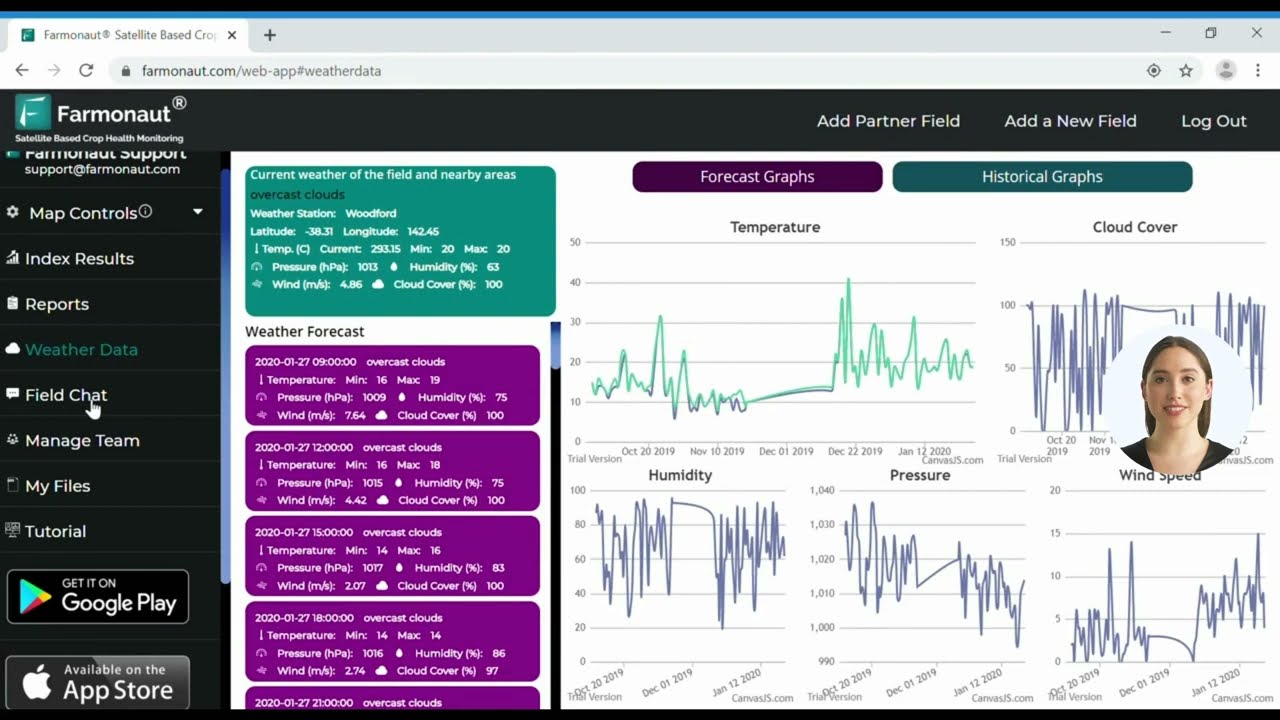
- 📡 Satellite-based Monitoring: Real-time crop and environment data, accessible via large-scale farm management tools and mobile apps.
- 🤖 Jeevn AI Advisory: AI-powered recommendations for crop health, resource management, and timely interventions.
- 🔗 Blockchain-based Traceability: Transparent, tamper-proof tracking of agri and mining supply chains. See full traceability platform.
- 🚚 Fleet Management: Optimized logistics for large and medium farms leveraging fleet monitoring tools to reduce operational costs.
- 🌎 Environmental Impact Tracking: Manage and report carbon outputs with carbon footprinting applications for regulatory and sustainability goals.
- 🛰 API Access for Developers: Integrate our data-driven insights via our API and developer documentation.
We believe that satellite data + AI + traceability lay the digital backbone for future-proof, risk-mitigated agriculture.




Key Callouts, Bullet Points & Visual Lists
- ✔ Comprehensive coverage addresses both traditional and emerging risks in agriculture.
- 📊 Data-driven automation and traceability reduce claim settlement times.
- ⚠ Non-integrated, manual records expose farms to compliance breaches and market exclusion.
- 💰 FSFL adoption supported by climate-smart construction and satellite validation unlocks new loan opportunities.
- 🔍 Traceability platforms are the single most important factor for access to export and premium markets by 2026.
How to Access Farmonaut Solutions
We at Farmonaut offer our satellite-powered, AI-driven platforms for individual users, large agribusinesses, and government institutions worldwide. Access farm monitoring, traceability, storage audits, and more via:
Developers and agtech platforms, access our API here for seamless data integration and explore detailed documentation. Choose from our satellite-based services including product traceability, loan/insurance verification, fleet management, and carbon footprinting.
FAQs: Farm Liability, Traceability & Storage (2026 & Beyond)
What is farm liability coverage, and why is it essential in 2026?
Farm liability coverage is an insurance policy that protects farmers from financial losses arising from third-party bodily injury, property damage, or personal injury linked to farm operations. As farms diversify (through agri-tourism, renewable energy, and digital agriculture), risks increase. Comprehensive farm liability coverage is now essential to meet legal requirements, qualify for new markets, and maintain financial stability.
How do farm storage facility loans (FSFL) boost farm income?
FSFLs finance the construction or upgrading of on-farm storage structures, reducing post-harvest losses and allowing farmers to sell when market prices peak. Integration with smart sensors and automated inventory not only increases efficiency but often lowers loan risk, enabling access to better financing options.
What is the key advantage of using advanced farm traceability software?
Modern traceability solutions document a product’s journey from seed to sale, ensuring food safety, rapid recall in contamination events, and market access. Connected sensors, satellite insights, and AI-driven analysis provide proof of sustainable practices and transparency for consumers and regulators.
How does the integration of these three elements impact average farm income?
Farms leveraging liability insurance, storage loans, and traceability experience lower unexpected costs, higher average prices for their products, improved access to premium/export markets, and more consistent income even amid climate or market volatility.
How do I get started with Farmonaut for farm monitoring or traceability?
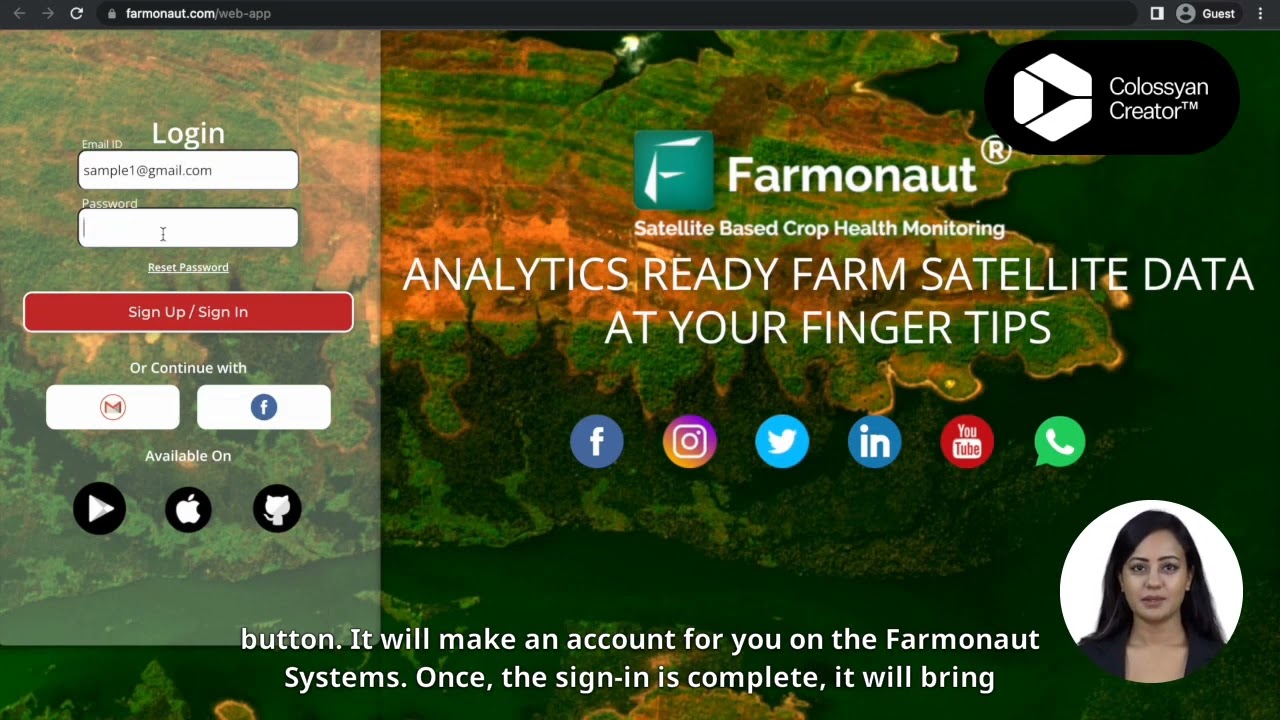
Download our web, Android, or iOS app, or integrate our API for tailored solutions in crop monitoring, traceability, storage audits, or satellite-linked insurance/loan services. Our platform is designed for flexible scaling—supporting single fields up to large agribusinesses.
Conclusion: Building Future-Ready, Resilient Farms
The future of agriculture depends on smart risk management and digital transformation. Farm liability coverage protects against new and traditional risks; farm storage facility loans enable operational flexibility and maximize returns; farm traceability software builds trust, ensures compliance, and unlocks premium markets. When combined, these tools create a resilient, profitable backbone for 2026 and beyond.
We at Farmonaut are proud to empower stakeholders worldwide with affordable, scalable, and advanced satellite-driven solutions for farm monitoring, traceability, resource management, and risk mitigation. Our mission is to make next-generation agricultural innovation accessible, transparent, and sustainable for every farm and agribusiness.
Embrace the technologies and risk management strategies outlined here to future-proof your farm—positioning operations not just to survive but to thrive in the dynamic agricultural economy of 2026 and beyond.

 GlobalQuant
 MDCV UK
 Zerella Group
 Etech Consulting Madagascar
 Vestlandsforsking
 Agritein
 Delicio
 WB Dev
 Sama Premium
 Prochecker
 Tres Valles
 LACOS Geoinformation
 Magrifly
 LatConnect 60
 Blickwinkel
 Agricultural Credit Policy Council
 Marei Nursery
 eKGIS
eKGIS Mostas Tech
