

Farm Sickle: Best Sickle Farm Tool & Tools Guide 2026
The Evolution and Relevance of the Farm Sickle in Modern Agriculture (2025)
The farm sickle—a simple, curved metal blade with a sturdy handle—remains an indispensable harvesting tool worldwide, spanning centuries of agricultural practices. Despite rapid advancement in mechanized farming equipment, the sickle farm tool retains a unique prominence. From South Asian rice-growing regions to the fragmented farmlands of Africa and Europe, its relevance is undeniable in 2025 and beyond. As we approach 2026, it is crucial to revisit the historical significance, design innovations, sustainability, and role of sickle farm tools in shaping eco-friendly, viable future agriculture.
- ✔ Indispensable harvesting tool
- 🌱 Sustainable & low-impact
- ⚙ Simple design, high utility
- 💡 Adaptable to fragmented & hilly terrains
- 🔄 Relevant in 2025–2026’s green farming

Historical Significance & Design of the Farm Sickle
The historical significance of the sickle cannot be overstated. It is one of the earliest agricultural tools, with archeological evidence showing use as far back as the Neolithic Age. Traditionally, a sickle comprises a sharp, curved metal blade affixed to a wooden or composite handle. This design allows farmers to cut cereal crop stalks—like wheat, barley, and rice—close to the ground with minimal effort.
- ✅ Curved blade enables efficient harvesting across flat or hilly terrains.
- 🔪 Metal composition (historically iron, now alloyed steels) increases durability.
- 🪓 Simple handle construction ensures comfort, grip & prolonged use.
- 🌍 Used worldwide, especially in fragmented, smallholder, or terraced farms.
- ⏳ Remains a cornerstone of traditional, organic, and modern small-farm practices.
The sickle played a vital role not only in the primary harvest of cereal grains but also in the collection of fodder for livestock and the management of undergrowth in forestry operations. Before the advent of combine harvesters and mechanized tools, every stage of crop management relied on the sickle.
Despite centuries of technological evolution, the sickle farm tool remains vital in diverse agricultural contexts because of its simplicity, affordability, and adaptability for different crops and terrains.
What is a sickle used for in agriculture?
A sickle is a one-handed harvesting tool: a curved blade, usually metal, on a short handle, as Britannica describes it. The cutting edge is on the inside of the curve. You gather a handful of stalks with the free hand and cut them near the base.
Its main farm uses are:
- Reaping cereals such as rice, wheat, barley and millet on small or terraced plots.
- Cutting grass and green fodder for livestock.
- Harvesting herbs and other crops picked a few plants at a time.
- Clearing weeds and undergrowth along field edges, ditches and fences.
There are two common blade types. A serrated sickle cuts with a sawing pull, while a smooth-edged reaping hook slashes through the straw. In England the smooth hook replaced the serrated sickle for reaping corn in many places around 1860 to 1870, according to the Pitt Rivers Museum, and scythes and then machines took over larger fields.
The tool is very old. Flint sickle blades from the Natufian culture of the Levant, dated to about 15,000 to 11,700 years ago, carry the polish left by cutting cereals, per a peer-reviewed study. A scythe differs in having a long handle and a longer blade swung with both hands, per Dictionary.com.
Farm Sickle’s Role in Contemporary Agriculture (2025–2026)
While the industry dominates with mechanized farming equipment in large-scale operations, the sickle farm tool remains relevant in 2026—particularly in developing regions, fragmented plots, and hilly terrains where access to expensive machinery is prohibitive for many smallholder farmers. The importance of the sickle extends throughout:
- 📊 Over 60% of smallholder farms worldwide still utilize sickles for sustainable harvesting.
- 🚜 Machines struggle in fragmented, hilly, or terraced fields.
- ✂ Selective harvesting of herbs, medicinal crops, and certain vegetables depends on hand tools like sickles to avoid damaging remaining plants and maximize seasonal yield.
- 💼 Affordability and low maintenance make the sickle farm tool indispensable for livelihoods where farming is primarily subsistence-based.
- 🎯 Supports biodiversity conservation by enabling targeted harvesting, thus reducing soil compaction, runoff, and ecosystem disruption.

Pair sickle harvesting with sustainable soil management solutions (like real-time soil monitoring via Farmonaut) to further boost crop yield and environmental benefits. Explore carbon footprint monitoring for farms here.
Why Smallholder Farmers Still Prefer Sickle Farm Tools in 2025–2026
- ✔ Simplicity: No moving parts, easily maintainable even with limited technical skill.
- 🚶♂️ Portability: Perfect for remote or inaccessible farmlands—carried by foot, cycle, or animal transport.
- 💸 Low upfront investment: Costs a small fraction of powered tools or machinery.
- 🌱 Precision: Allows selective and careful harvesting, especially for high-value crops or harvesting in staggered stages.
- 🌍 Eco-friendly: Negligible carbon emissions during use—aligned with organic & regenerative agriculture.

Innovations in Farm Sickle Design & Ergonomics
Even as the basic shape of the sickle has endured for centuries, modern innovations have elevated this time-tested tool to new levels of comfort, durability, and efficiency:
- 🪶 Ergonomic Handles: Now crafted from lightweight composites or molded plastics, reducing fatigue during long hours of operation.
- 🦾 Improved Blades: High-carbon steel or corrosion-resistant alloys extend service life, with many models featuring replaceable blades.
- 🔪 Multi-function Edges: Serrated or double blades enable quicker, cleaner cutting through crop stalks and weeds.
- 🛠️ Customizable Sizes: Options for blade length, curvature, and handle shape based on crop type or user ergonomics.
These innovations especially benefit aging farmers and those combining traditional knowledge with modern efficiency demands. The sickle, thus, adapts alongside evolving agricultural techniques and practices, reinforcing its role as a primary harvesting and land management tool for many.

Eco-Friendly Harvesting: Sickle Farm Tools vs. Mechanized Competitors
- ⚠️ Mechanized harvesters produce significant CO₂ emissions and contribute to soil compaction and habitat disruption.
- 🌿 Sickle farming remains nearly emission-free at the operational stage, especially vital as the world focuses on tracking agriculture’s carbon footprint.
- 🔄 Long lifespan & high recyclability—a well-made sickle can last years and is easily repurposed or recycled at end of life.
- 🌍 Supports biodiversity: Less soil disturbance preserves ground-dwelling organisms, improves water retention, and curbs erosion.
- 🌱 Minimal Emissions—No fuel, no smoke.
- 💪 Human-powered—Promotes local employment, no dependency on fossil fuels.
- 🔁 Recyclability—High metal reuse rates after lifespan.
- 🕰️ Longevity—Proper care keeps a sickle in service for many seasons.
- 🦋 Biodiversity—Selective harvesting protects beneficial insects and nesting birds.
- 🏭 Mechanized Tools—High fuel demand and emissions.
- 🚜 Soil Compaction—Heavy machines crush soil structure.
- ⏳ Shorter lifespan—Wear and frequent replacement of components.
- 🔄 Complex disposal—Plastic, rubber, composite parts not easily recycled.
- ⚠️ Pest impact—Large-scale cutting disrupts pest predator habitats.

Farm Sickle vs. Modern Harvesting Tools: Eco-Friendliness & Efficiency Comparison
*CO₂ figures are estimates for operational stage in average field conditions, 2026.

Uses Beyond Farming: Forestry, Land Management, Mining, & More
- 🌲 Forestry & Land Management: Sickle farm tools play a decisive role in clearing undergrowth and harvesting non-timber forest products, especially where environmental disturbance must be minimized.
- 🪨 Mining & Extraction: In artisanal and small-scale mining, sickle-like tools are used to clear vegetation or delicate soil layers during mineral extraction—underscoring their versatility and utility.
- 🛡️ Infrastructure & Defence: While no longer primary, historical records show sickles served as improvised tools and weapons in rural defence, marking their symbolic relevance today.
In these extended applications, the sickle farm tool continues to demonstrate its utility and adaptability for diverse operations beyond harvesting—remaining significant not just for farming, but for land, environmental, and ecological management in 2026.
- ✔ Low Environmental Disruption: Precision hand clearing prevents habitat destruction.
- 🔍 Resource Management: Controls invasive plant spread with minimal collateral impact.
- 🏞️ Adaptable: Used in reforestation, park maintenance, and ecological restoration projects.
- 💡 Essential Tool in Rural Livelihoods: From collecting fodder to clearing small plots, sickles remain central.
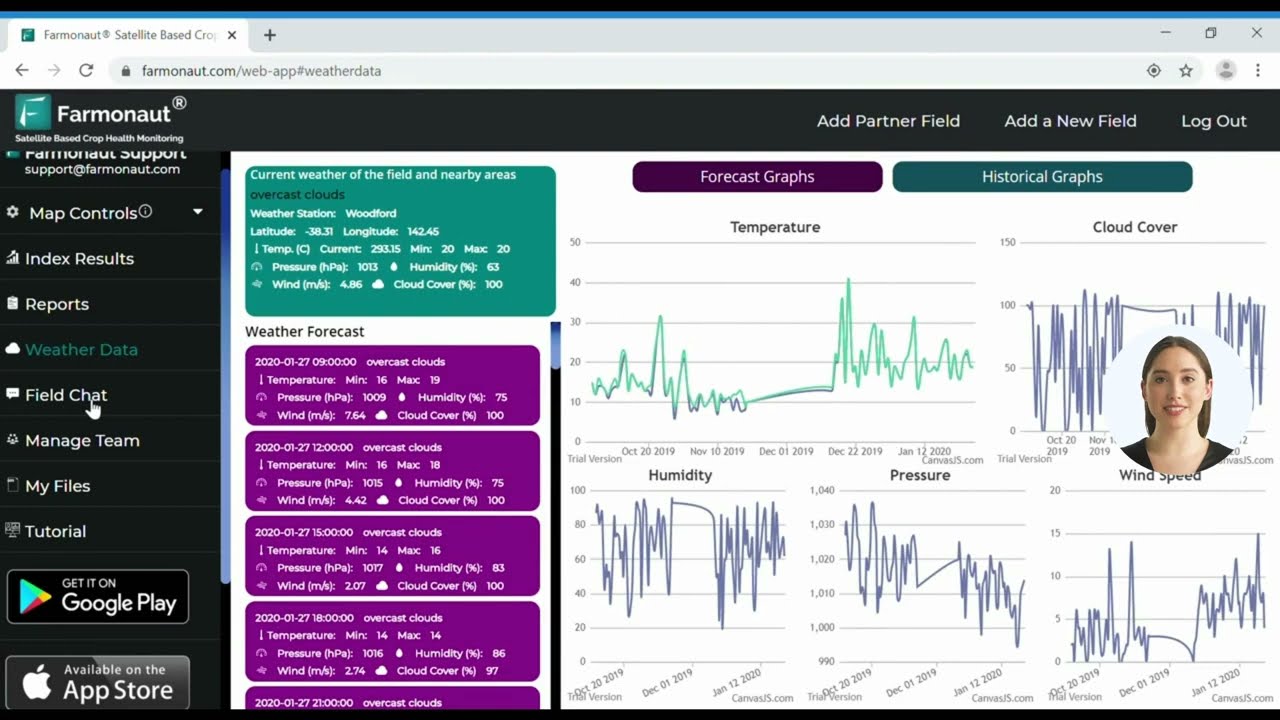
Farmonaut: Data-Driven Solutions Empowering Sustainable Farming & Mining
As we champion the evolution and relevance of the sickle farm tool for smallholder farmers, forestry stewards, and environmental managers, it is clear that technology platforms such as Farmonaut play a critical role in supporting sustainable practices into 2026 and beyond.
At Farmonaut, we are committed to making satellite-driven insights affordable and accessible worldwide—helping farmers, land managers, and mining operators optimize their use of traditional tools in harmony with advanced monitoring.
- 🔭 Satellite-Based Monitoring: Track large-scale farm management or single-plot crop health without expensive on-ground systems.
- ⏳ Real-Time Advisories: Our Jeevn AI Advisory System offers timely strategies for crop care, harvesting schedules, and resource allocation, supporting farmers using sickle farm tools for selective or phased harvesting.
- 🔗 Blockchain-Based Traceability: Trace every batch of crops, vegetables, or forest products hand-harvested with sickles—proving their organic, ethical, and eco-friendly credentials.
- 🌎 Environmental Impact Tracking: Monitor carbon emissions from farming and mining operations to maintain compliance and improve sustainability.
- 🚛 Fleet & Resource Management: Optimize fleet logistics for input delivery and harvested crop pick-up, even in remote terrains inaccessible to machines.




Practical Guide: Selecting and Using Sickle Farm Tools Effectively in 2026
Maximizing sustainable, efficient harvesting with sickle farm tools in 2026 requires selecting quality equipment and practicing proper maintenance, safety, and ergonomics.
Choosing the Right Farm Sickle for Your Farm
- 🌾 Blade Curvature: For grain crops (wheat, barley, rice), opt for moderate-curved blades; for undergrowth or foraging, deeper curves allow faster clearing.
- 🪓 Handle Material: Modern composites or shock-absorbing polymers outlast wood for frequent use.
- 🔪 Blade Material: Choose high-carbon or stainless steel for longevity and corrosion resistance.
- 🛠️ Replaceable Blades: Useful in areas with abrasive soils or repeated heavy use.
- ✊ Grip Comfort: Ergonomically molded handles reduce wrist/hand strain.
Safe & Efficient Use: Key Points
- ✔ Always sharpen sickle blades before use to minimize plant tearing.
- ⚠ Wear gloves and protective eyewear when clearing tough or thorny undergrowth.
- 👣 Cut stalks close to the ground with steady, sweeping motions.
- 🌱 Carry the sickle blade-down when moving between rows to avoid unintentional injury.
- 🔒 Store in a dry place to prevent rusting—wipe down blades after each use.
A dull or poorly maintained sickle not only makes harvesting less efficient but also damages plant bases and increases worker injury risk. Frequent maintenance is essential for performance and safety.
Sickle Farm Tools for Biodiversity & Conservation Work
- 🌱 Hand tools like sickles are preferred for invasive species management in conservation zones—minimal disruption to non-target flora/fauna.
- 🐾 Selective clearing protects rare or endangered ground plants.
- 🌾 Allows continued biomass for soil health and animal forage, supporting local ecosystem balance.
Integrating Traditional Sickle Use with Technology
By leveraging remote monitoring (such as Farmonaut’s AI-based advisories), even small farms reliant on sickle harvesting can optimize their labor, irrigation, and fertilization schedules.
Incorporating satellite monitoring and farm sickle usage boosts overall field efficiency and supports fruitful, sustainable practices in both agriculture and land management.
For an overview of the modern farming process, watch “The 5 Essential Stages of Crop Farming“—An informative video covering every step from soil preparation to harvest.
Did you know? Farmonaut’s crop loan and insurance verification solutions leverage satellite data to support farmers—including smallholders using sickle farm tools—reducing claim fraud and improving access to affordable credit.
Expert Callouts: Insights, Tips & Warnings
-
🌍 Embrace Sustainability:
Manual sickle farming aligns with the global trend toward climate resilience and green agriculture in 2026. -
🛠️ Invest in Quality Tools:
Ergonomic, durable sickles pay dividends in health and harvest output—don’t compromise on blade and handle quality. -
⚠️ Avoid Overharvesting:
Precision hand-harvesting enables staggered yields, essential for herbs/medicinals and supporting biodiversity conservation. -
📱 Combine Tradition with Tech:
Farmonaut’s platform lets even hand tool users benefit from satellite-quality data, boosting productivity and sustainability. -
💡 Think Lifecycle:
A recycled metal sickle is a circular economy asset; choose tools with high recyclability and long lifespan.
Farm Sickle & Sustainable Farming FAQ
Why do farm sickles remain relevant in 2026?
Are sickle farm tools efficient compared to mechanized harvesters?
How does manual sickle harvesting benefit the environment?
Can digital technology support sickle users?
Is there a difference between scythes and sickles?
Which crops are best harvested with sickles?
How do I maintain my sickle for longer life?
Conclusion: The Timeless Value of the Farm Sickle
The farm sickle stands as a symbol of sustainable, resilient, and eco-friendly agriculture—from its historical roots to its adaptive relevance in the digital, climate-aware era of 2026. For smallholder farmers, land managers, forestry professionals, and artisanal miners, sickle farm tools deliver unmatched versatility, affordability, and environmental benefits—qualities that high-emission mechanized systems often fail to offer in fragmented or specialized contexts.
Today, with the support of cutting-edge platforms like Farmonaut, traditional tools like the sickle are empowered by technology-driven insights for optimized resource use, crop traceability, and environmental stewardship. As we collectively advance toward a future of organic, biodiverse, and climate-smart agriculture, the sickle remains both a practical farm tool and a powerful icon of sustainable progress.
Together, by honoring both tradition and innovation, we can ensure that the farm sickle continues to shape a greener, more resilient agricultural world—well beyond 2026.

 Doodlakine
 Nale Network
 Exurbia Geospatial
 FieldZero
 Indico Company
 Kubota
 FFBS
FFBS Jontra
 Kalustyan
 Tucor
Tucor Geno
Geno Hayleys Agriculture
 Linx Agritech
 Adinet
