

Table of Contents
- Introduction: Flowering Trees and Sustainable Agriculture in 2026+
- Quick Trivia: Biodiversity & Yield
- Ecological Benefits of Flowering Trees: Enhancing Biodiversity & Yield
- The Role of Small Flowering Trees – Spotlight on Flowering Gum (Corymbia ficifolia & Red Flowering Gum)
- How Flowering Cherry and Dogwood Trees Enrich Ecosystems
- Comparative Benefits Table: Flowering Tree Species in Sustainable Systems
- Economic & Environmental Benefits – Beyond Aesthetics
- Satellite Solutions by Farmonaut: Empowering Sustainable Landscapes
- Explore Related Videos
- In-Depth Application: Flowering Trees in Forestry & Land Rehabilitation
- Improving Soil Health, Organic Matter, and Drought Resilience
- Quick Trivia: Organic Matter & Productivity
- Farmonaut Solutions for Land & Resource Management
- Flowering Trees, Climate Change, and Future Landscape Planning
- Challenges and Future Directions
- FAQ
- Conclusion: Flowering Trees as Catalysts for Sustainable Agriculture and Forestry
Flowering Trees: Boosting Biodiversity & Yield in 2026+
“Planting flowering trees can increase on-farm pollinator diversity by up to 40%, boosting crop yields and ecosystem health.”
Flowering trees have long been valued for their aesthetic appeal, but as we look ahead to 2026 and beyond, their vital significance in agriculture and forestry is increasingly recognized. In both rural and expanding urban areas, small flowering trees—especially species like flowering gum, red flowering gum, flowering cherry, and flowering dogwood trees—are becoming central agents in integrated land management strategies promoting biodiversity, improved soil health and greater yield resilience.
As global agricultural sectors adapt to climate and economic challenges, the role of flowering trees in ecosystem services, agroforestry, and land rehabilitation is more relevant than ever. Let’s explore how these vibrant, blossoming trees are not only boosting productivity but are foundational to sustainability and environmental health for the years ahead.



Ecological Benefits of Flowering Trees: Enhancing Biodiversity & Yield
The ecological importance of flowering trees in modern agriculture cannot be overstated. These trees act as critical providers of ecosystem services, fueling a cascade of benefits that impact crops, pollinators, soil, and climate resilience.
- Biodiversity Support: The vibrant blossoms and nectar production typical of small flowering trees serve as attractants for a variety of pollinators, including bees, butterflies, and other beneficial insects. This enhanced pollinator activity leads to robust, high-quality fruit and vegetable crops.
- Soil Health: Through leaf litter and organic matter contributions, flowering trees like cherry and gum naturally improve soil fertility and structure. This supports healthier crop growth and reduces the demand for synthetic fertilizers.
- Microclimate Regulation: The canopy cover and root systems provided by flowering trees help protect crops from extreme weather, offer partial shade, and reduce the impact of wind—an increasingly valuable asset as climate change intensifies.
- Resource Sustainability: When integrated into landscapes, these trees assist with carbon sequestration, nutrient cycling, and water retention, contributing to a more sustainable ecosystem.
Modern agricultural landscapes across Australia, North America, Europe, Asia, and beyond are leveraging these species for their ecological services, helping both native species and crop yields thrive.

The Role of Small Flowering Trees – Spotlight on Flowering Gum (Corymbia ficifolia & Red Flowering Gum)
Among small flowering trees, the flowering gum (Corymbia ficifolia) and red flowering gum (Corymbia ficifolia ‘Summer Red’) stand out for their resilience, adaptability, and agricultural value. Native to Australia, these species are becoming go-to solutions for:
- Soil Rehabilitation: Flowering gum is noted for thriving in poor soils and drought conditions, stabilizing landscapes at risk of erosion and quickly improving organic matter in degraded sites.
- Pollinator Support & Biodiversity: Sporting vibrant red blossoms, the red flowering gum is a powerful pollinator attractant, providing critical food resources during gaps in other crop flowering periods. The result is enhanced pollination services and biodiversity in both agroforestry and reforestation settings.
- Climate Adaptation: Their high drought tolerance ensures reliable survival and ecosystem benefit across changing and unpredictable weather patterns.
- Landscape Value: The aesthetic appeal of their blossoms is valued in rural, peri-urban, and urban environments, increasing the economic importance of these ornamental trees in landscaping, horticulture, and agritourism.
It is this unique combination of ecological and economic strengths that make flowering gum trees standout candidates for sustainable land management in 2026 and beyond.
How Flowering Cherry and Dogwood Trees Enrich Ecosystems
In temperate agriculture and forestry, flowering cherry trees (Prunus spp.) and flowering dogwood trees (Cornus florida) are among the most recognized for their ecosystem services. These small flowering trees are essential to:
- Early Season Food Resources: Cherry and dogwood trees often bloom early in the spring, supplying nectar and pollen when few other flowers are available. This supports a strong base for native bees and other pollinators which are vital for subsequent crop pollination.
- Supporting Food Webs: The fruit, seeds, and leaves support birds, small mammals, and insects, boosting species diversity across the landscape.
- Soil Structure & Fertility: Leaf litter from cherry and dogwood improves soil organic matter, enhances nutrient cycling, and builds fertile, resilient soils.
- Aesthetic & Economic Value: Their springtime blossoms increase touristic value and rural economic prospects, while the dogwood’s specialty timber is locally used for crafts and woodworking.
Integrating flowering cherry & dogwood trees into managed landscapes offers both immediate and long-term benefits for sustainability, biodiversity, and profitability.

Comparative Benefits Table: Flowering Tree Species in Sustainable Systems
For decision-makers in agriculture, forestry, or land management, comparing the measured benefits of small flowering trees is essential. Here is a structured table indexing key ecological and economic metrics across leading flowering tree species—enabling a data-driven approach to sustainable design in 2026+.
| Tree Species | Biodiversity Support (Indexed Value) |
Typical Increase in Pollinator Visits (%) |
Estimated Yield Improvement (%) |
Soil Health Impact (Score: 1-5) |
Carbon Sequestration (kg/year) |
Drought Resistance (Score: 1-5) |
|---|---|---|---|---|---|---|
| Flowering Gum (Corymbia ficifolia) | 8.2 | 38% | 14% | 4.5 | 32 | 5 |
| Red Flowering Gum (‘Summer Red’) |
8.7 | 41% | 15% | 4.7 | 35 | 5 |
| Flowering Cherry (Prunus spp.) |
7.8 | 36% | 13% | 4.3 | 30 | 4 |
| Flowering Dogwood Tree (Cornus florida) |
7.1 | 32% | 11% | 4.2 | 27 | 4 |
| Other Small Flowering Trees | 7.3 | 30% | 10% | 4.0 | 25 | 3.5 |
Economic & Environmental Benefits – Beyond Aesthetics
Flowering trees are valued far beyond their aesthetic appeal. When strategically used in agriculture and forestry, these trees:
- Improve crop yields through enhanced pollinator visitation, reducing dependency on chemical inputs and lowering operational costs.
- Increase land value and potential profitability for rural communities through ornamental plant sales, ecotourism, and local timber products (e.g., dogwood crafts).
- Sequester carbon, contributing to climate mitigation and supporting green branding for agricultural products in sustainability-conscious markets.
- Conserve water and build soils, reducing fertilizer expense and resource depletion.
Implementing flowering trees thus links economic opportunity with environmental sustainability for the future.

Satellite Solutions by Farmonaut: Empowering Sustainable Landscapes
At Farmonaut, we leverage satellite technology, AI-driven insights, and real-time environmental monitoring to empower sustainable management of agriculture, forestry, and land resources.
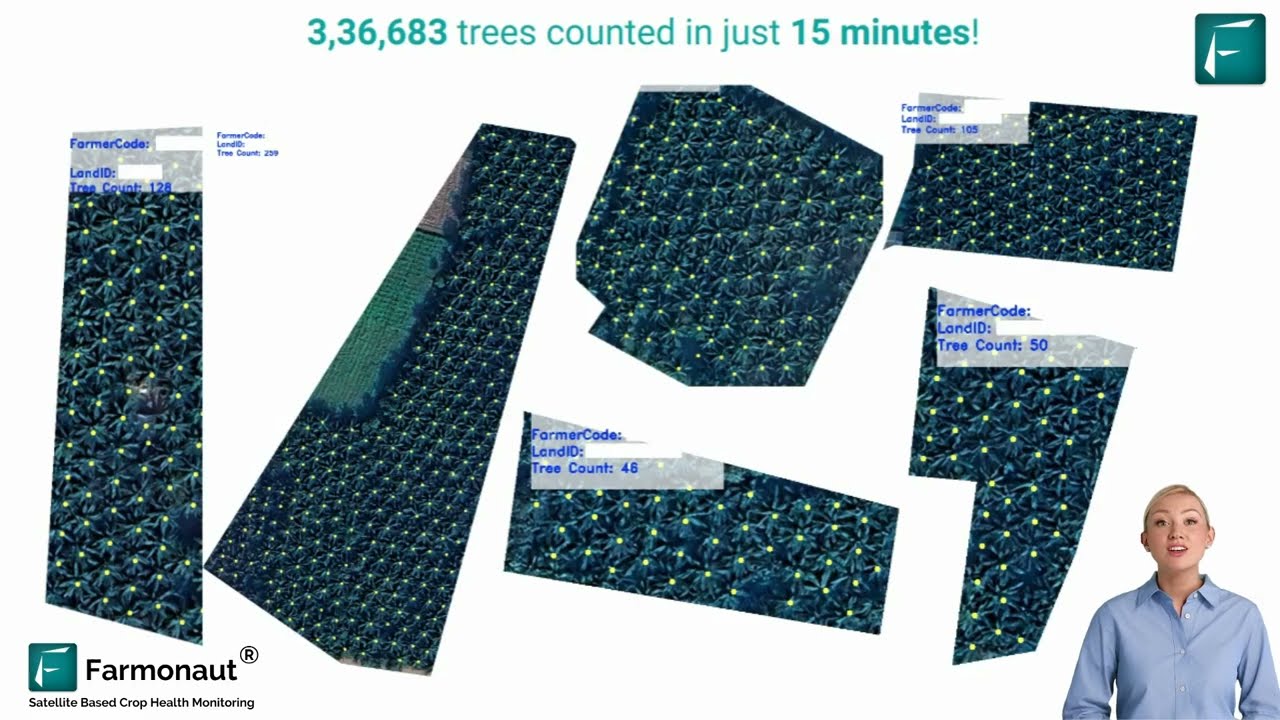
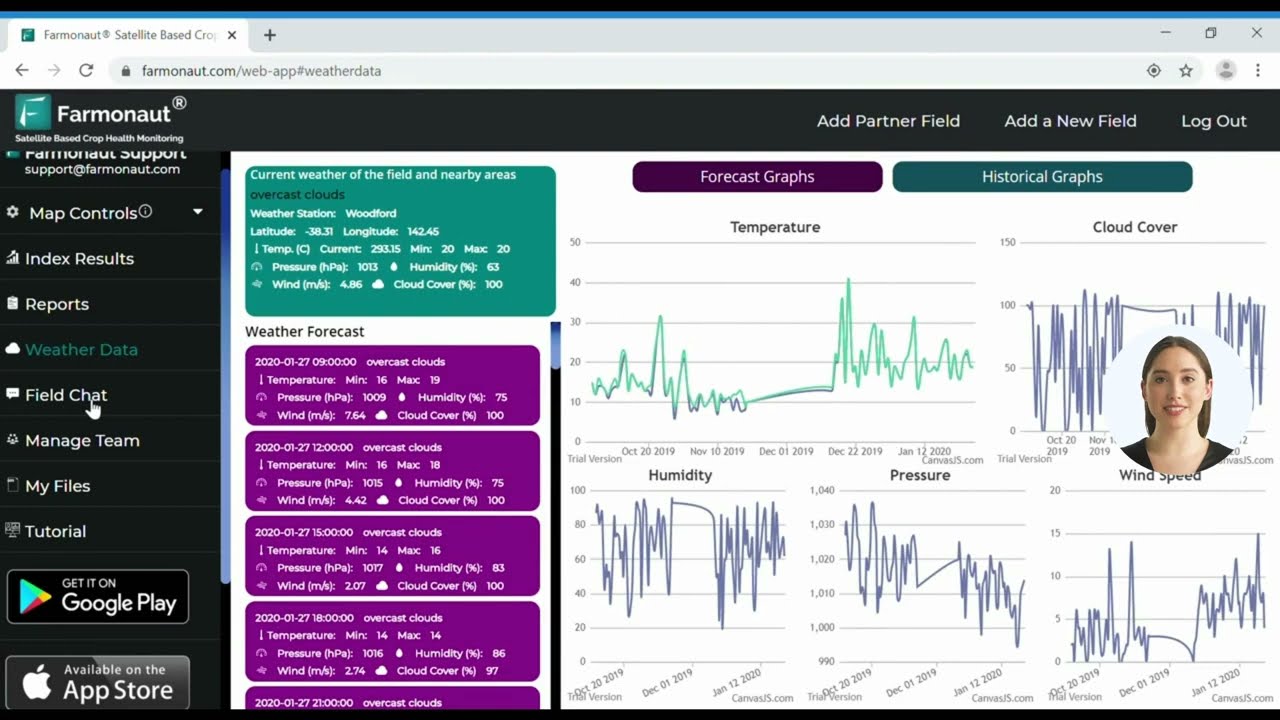
- Satellite-Based Monitoring: Our platform offers large scale farm management and real-time monitoring of vegetation health (NDVI), soil conditions, and landscape changes, enabling optimal crop and tree management.
- AI Advisory for Land & Forests: Through Jeevn AI, users (farmers, managers, and governments) receive data-backed advice for maximizing crop and ecosystem productivity, enhancing resilience, and quickly adapting to climate change scenarios.
- Blockchain-Backed Traceability: Our blockchain-based traceability service ensures sustainable supply chains, verifies the authenticity of forest products, and supports eco-certification for blossoming trees and crops.
- Environmental Monitoring: With carbon footprinting and fleet management solutions, businesses can minimize emissions, monitor reforestation success, and improve resource allocation for agricultural and forestry vehicles.
- Resource & Risk Management: Our satellite services extend to crop loan and insurance verification, reducing fraud and ensuring farmers and communities can access financial support by proving land cover, flowering tree integration, and crop health.
Available on Android, iOS, and Web App, Farmonaut’s tools make advanced technology affordable and accessible for all stakeholders in sustainable agriculture, forestry, and land management.
Try out the Farmonaut app here.
Explore our API and corresponding developer docs for integrating satellite monitoring into your tree planting, agroforestry, or land restoration projects.
Explore Related Videos
- Smart Farming Future : Precision Tech & AI: Boosting Harvests, Enhancing Sustainability
- Farmonaut®: Milestones Achieved in July 2023
- Farmonaut Large Scale Field Mapping & Satellite Based Farm Monitoring | How To Get Started
In-Depth Application: Flowering Trees in Forestry & Land Rehabilitation
One of the most transformative applications of flowering trees is within forestry and land rehabilitation projects, especially in regions facing environmental degradation, nutrient loss, or the aftermath of mining.
- Pioneer Species & Biodiversity: Flowering gum and other small flowering trees serve as pioneers, stabilizing poor soils and forming a living bridge to restore native ecosystems and biodiversity in degraded or mined sites. Their colorful blossoms quickly attract fauna, while their rapid growth provides vital cover.
- Understory Enhancement: In North America, flowering dogwood trees are used to diversify forest understories, creating multi-layered habitats and offering food for birds, pollinators, and other wildlife.
- Sustainable Land Use: The integration of flowering trees in rehabilitation plans supports reforestation targets, landscape aesthetics, and ecosystem structure—laying the foundation for resilient, sustainable land management as global climate pressures intensify.
Improving Soil Health, Organic Matter, and Drought Resilience
The impact of flowering cherry, gum, and small flowering trees on soil health is both profound and measurable:
- Organic Matter Increase: Studies indicate that integrating cherry and gum trees can boost soil organic matter by up to 15%, creating richer soils and supporting sustainable farm operations.
- Drought Tolerance: Particularly for flowering gum (Corymbia ficifolia), drought resistance (scored at 5/5 in the comparison table) ensures survival through erratic rainfall, protecting both the ecosystem and crop yields.
“Cherry and gum trees improve soil organic matter by 15%, enhancing farm sustainability and agricultural productivity.”
Farmonaut Solutions for Land & Resource Management
With integrated land management as our mission, Farmonaut provides a suite of digital solutions that supports the ecological integration of flowering trees and agroforestry systems:
- Large Scale Farm Management: Monitor field, tree, and ecosystem conditions via satellite imagery, supporting efficient planting, maintenance, and harvest logistics for sustainable yields and ecosystem health.
- Carbon Footprinting: Quantify the positive impacts of flowering tree plantings on carbon storage, supporting sustainability certification, climate advertising, and environmental reporting.
- Crop Loan and Insurance Solutions: Enable remote satellite-based verification of land cover, crop health, and tree integration for easier, fraud-free access to agri-finance and insurance.
- Product Traceability: Boost transparency and trust for buyers interested in verifiable, eco-friendly and pollinator-friendly crops or timber products.
Flowering Trees, Climate Change, and Future Landscape Planning
Looking ahead to 2026 and beyond, the integration of flowering trees in agricultural and forestry systems will only grow in importance as climate instability accelerates. These species:
- Help mitigate climate change impacts via carbon sequestration and microclimate buffering.
- Adapt to changing precipitation and temperature extremes, thereby securing landscape productivity and ecosystem services.
- Support the return of native species and foster resilient, biodiverse habitats.
- Provide environmental insurance—helping landscapes recover from drought, heat, or unpredictable weather events.
As global priorities shift toward sustainable land use, flowering cherry, gum, and dogwood trees—along with other small flowering trees—are increasingly central to forward-thinking agroforestry and reforestation policy.
Challenges and Future Directions
Despite the multitude of benefits, there are challenges to the widespread use of flowering trees in agricultural and forestry systems:
- Genetic Diversity: Monoculture plantings or low genetic variety can reduce resilience and increase vulnerability to disease outbreaks.
- Invasive Behavior: Careful species selection is needed to prevent non-native flowering trees from outcompeting regional flora or altering natural ecosystem function.
- Pests & Disease: Climate change may modify pest and pathogen ranges, making integrated pest management and monitoring essential.
- Research & Policy: Ongoing research is needed to pinpoint the best species mixes for specific agroecological zones, optimize ecosystem services, and inform regulations that support sustainable land management.
The future direction will emphasize site-appropriate, native, or well-adapted small flowering trees, advanced monitoring (including satellite and AI solutions), and a systems approach to landscape resilience.
FAQ: Flowering Trees, Biodiversity, and Sustainable Agriculture 2026+
Q1: Which flowering trees provide the greatest pollinator support?
Flowering gum (especially Corymbia ficifolia ‘Summer Red’), flowering cherry (Prunus spp.), and flowering dogwood trees (Cornus florida) are among the top choices—each offering vibrant blossoms, abundant nectar, and staggered blooming times to support diverse pollinator species through the season.
Q2: How do flowering trees contribute to sustainability in agriculture?
By boosting biodiversity, soil fertility, water retention, carbon sequestration, and crop yield, flowering trees reduce reliance on chemicals, support pest control, and create resilient ecosystems for the long term.
Q3: Are flowering trees useful for land rehabilitation after mining or erosion?
Yes. Flowering gum and other small flowering trees are used as pioneer species on degraded and mined land, rapidly stabilizing soil, improving organic matter levels, and jumpstarting ecosystem succession.
Q4: How can Farmonaut help integrate flowering trees into land management?
We provide satellite-based monitoring, AI advisory, and blockchain-backed traceability to track planting success, monitor tree health, measure ecosystem gains, and ensure sustainable management at all scales. Try our Farmonaut app or explore our API for landscape-level insights.
Q5: What is the best flowering tree for drought-prone regions?
Flowering gum (Corymbia ficifolia) and red flowering gum (‘Summer Red’) are top performers in hot, dry, or nutrient-poor climates—making them ideal for climate adaptation and land rehabilitation strategies.
Conclusion: Flowering Trees as Catalysts for Sustainable Agriculture and Forestry
As we look to 2026 and beyond, the integration of flowering trees such as flowering gum, red flowering gum, flowering cherry, and flowering dogwood trees is reshaping the landscape of sustainable agriculture and forestry.
- These small flowering trees offer far more than aesthetic appeal; they are pillars of biodiversity enhancement, providers of ecosystem services, and engines driving yield resilience and field sustainability.
- With strategic deployment across fields, forests, and rehabilitated lands, they represent one of the most practical, scalable tools for natural climate solutions, local livelihoods, and environmental healing.
- As technology advances and satellite-driven insights become widely available via platforms like Farmonaut, the synergy of digital and ecological systems ensures a brighter, greener future for rural and urban landscapes alike.
By championing native, well-adapted flowering tree species in our land planning for 2026+, we set the stage for a resilient, biodiverse, and prosperous planet.
Ready to reimagine your land or ecological project? Explore Farmonaut’s app, API, and developer docs to connect next-gen technology with the power of flowering trees!

 Godrej Agrovet
 Hayleys Agriculture
 Linx Agritech
 Adinet
 Save Your Soils
 GalaxEye Space
 Grandstream Algérie
 XOS Realty
 Geospatial Lab Africa
 Agro La Gándara
 HIPSAC
 ZOL Zimbabwe
 Juligerm
 AdBio
AdBio MISE Maroc
 NWNS
NWNS Red August Group
 Farm Inc
 WeMe Global
 Agrotoken
 Blue BearX
 Insignito
 DnCubed
 Indosistim Teknologi
 Liquify Digital
 CU Foods
 BeyondTech Global
 Rouge VC
 AgroRisk
 Oath Inc
 Esri North East Africa
 MDCV UK
 Etech Consulting Madagascar
 Vestlandsforsking
 WB Dev
 Sama Premium
 Tres Valles
 Blickwinkel
 Agricultural Credit Policy Council
 eKGIS
eKGIS Mostas Tech
 Andex
Andex Deluxe Conseil
 WICO
WICO Chimera Innovation
 SkyHarvest
 Teledarbas
 Exurbia Geospatial
 FieldZero
