

Gramoxone, Xonerate, Topramezone & More Herbicides: Transforming Sustainable Weed Management in 2025
Introduction: The New Era of Herbicide Innovation in 2025
In the ever-changing landscape of modern agriculture and forestry, herbicides remain an indispensable component for optimizing crop yields, protecting ecosystems, and sustaining production systems across diverse land uses. As we move into 2025 and beyond, the spotlight turns to advanced herbicidal formulations—products like gramoxone herbicide, xonerate herbicide, topramezone herbicide, negate herbicide, interline herbicide, and range star herbicide. These solutions not only address the age-old challenge of weed resistance but also align with new regulatory frameworks, environmental stewardship, and the changing dynamics of integrated weed management.
In this comprehensive guide, we delve into the key innovations, benefits, and future potential of these herbicidal formulations. We’ll break down their roles in high-efficiency weed control, their adaptation to sustainable and precision agriculture systems, and explain how integrated solutions (including satellite-driven technologies like those offered by Farmonaut) are setting the standard for 2026 and beyond.

Advanced herbicides now integrate improved formulations—safe handling, targeted application, and reduced soil residuals are part of stricter usage guidelines.
The Evolving Role of Herbicide Formulations in Sustainable Agriculture
Herbicides, particularly advanced options like gramoxone herbicide, xonerate herbicide, and topramezone herbicide, have undergone remarkable changes. With growing global concerns around chemical usage, weed resistance, and environmental effects, the pressure to innovate is immense. Key factors shaping herbicide development and integrated weed management in 2025 include:
- ✔ Precision application with GPS-guided technology reduces chemical loads on non-target areas
- 📊 Reduced volatilization and drift, thanks to advanced adjuvant science
- ⚠ Stricter regulatory frameworks to manage runoff, residue, and worker safety
- 🌱 Integration with biological and cultural controls as part of IWM strategies
- 🔬 Low-rate, high-efficacy formulations to target even resistant weeds

These formulations remain a critical part of modern management systems, helping producers optimize growing conditions, yield, and sustainability.
-
🌾
Broad-spectrum weed control -
⚡
Rapid action and visible results -
🔒
Innovations for safety and reduced toxicity
Gramoxone Herbicide: Evolved for Precision and Safety
Among widely used non-selective herbicides, Gramoxone herbicide—based on paraquat—stands apart for rapid control of weeds and unwanted vegetation. Its role in defoliation before harvest, clearing dense populations prior to planting, and effective weed management makes it an essential tool in agriculture and forestry.
Key Gramoxone Innovations for 2025:
- ✔ Stricter usage guidelines: Regulated use only by certified professionals, strict protective equipment, and emphasizing safe handling.
- ✔ Reformulated for improved uptake, minimizing off-target effects and soil residuals.
- ✔ Focused application zones and digital-record verification via remote sensing, including satellite platforms.
Despite its proven effectiveness, known toxicity and environmental concerns have prompted industry-wide innovation. Farmonaut’s real-time environmental monitoring and carbon footprinting solutions support sustainable use—helping operators address and monitor their compliance in real time.

Digital verification and compliance platforms, such as Farmonaut’s blockchain-based traceability (discover more), are reshaping how regulatory bodies monitor herbicide usage globally.
Xonerate Herbicide: Fast, Systemic Control for Forestry & Land Reclamation
In forestry, land reclamation and projects demanding fast, comprehensive weed control, xonerate herbicide has gained significant traction by 2025. It features:
- ✔ Systemic absorption: Penetrates plant tissues for thorough eradication of woody, grassy, and broadleaf species.
- ✨ Improved adjuvants: These enhance rainfastness (resistance to being washed off by rain), and reduce volatilization, preserving efficacy despite varied climatic conditions.
- 🌡️ Trusted performance across climatic zones—crucial for land managers facing unpredictable weather patterns.
This herbicide not only improves weed control but supports sustainability by limiting repetitive application, helping address resistance and environmental concerns.

-
🌧️
Enhanced rainfastness: less loss after rainfall -
💧
Lower soil residuals -
🤖
Supports precision agriculture practices
Topramezone Herbicide: Selective Power for Modern Crop Systems
Turning to selective herbicides, topramezone herbicide offers critical weed management in maize (corn), turfgrass and other valuable crops. As an HPPD (4-hydroxyphenylpyruvate dioxygenase) inhibitor class herbicide, it is highly effective at:
- ✔ Controlling broadleaf weeds that exhibit herbicide resistance in conventional systems
- ✔ Preventing resistance build-up by rotating modes of action as part of integrated strategies
- ✔ Low application rates for improved environmental profile and minimal residues
Notably, topramezone herbicide achieves rapid control by disrupting carotenoid biosynthesis, resulting in ‘bleaching’ symptoms before weed death. By 2025, improved formulations support broader utility in integrated pest management (IPM) frameworks—essential for modern sustainability goals.
For landowners and farm managers, the low dose, high efficiency, and environmental benefits make topramezone a cornerstone of modern weed management in maize and turfgrass applications.

Rotate topramezone herbicide with other modes of action to delay weed resistance and support healthy ecosystem management in high-value crops.
Negate Herbicide: Precision for Vegetables and Specialty Crops
As diverse cropping systems expand, negate herbicide emerges as an effective post-emergence solution—especially for vegetables and specialty crops. Innovations in 2025 include:
- ✔ Enhanced crop selectivity, minimizing damage to valuable species and improving yield preservation
- ✔ Drift reduction technology for pinpoint application even in drift-prone fields
- ✔ Complementary action for rotating with other herbicide classes to reduce resistance emergence
Negate herbicide‘s mode of action and systemic activity make it a highly trusted component for precision weed management in small-acreage and large-scale production systems.

Interline Herbicide: Targeted Control Across Cereal Crops
Interline herbicide is primarily used in wheat, barley, and other cereal crops, providing targeted weed control through ALS (acetolactate synthase) enzyme inhibition. Facing a landscape of evolving weed resistance in grains, formulations in 2025 include:
- ✔ Integrated safeners to protect desired crops
- ✔ Improved residual activity: Ensures coverage through the most critical growth stages
- ✔ Suitable for precision application with modern farm machinery
The inclusion of safeners and new adjuvants allows farmers to maximize broadleaf and grassy weed control, while supporting resistance strategies in rotation with other herbicides.
Range Star Herbicide: New Horizons in Pasture & Rangeland Sustainability
Range star herbicide is a go-to solution for range, pasture, and non-crop land management. By 2025, updates include:
- ✔ Enhanced systemic activity—deep root uptake for long-term control of invasive broadleaf and grassy species
- ✔ Low livestock toxicity—safe for integrated grazing systems
- ✔ Reduced reapplication need due to formulation improvements
This herbicide assists land managers in maintaining healthy ecosystems and optimizing grazing yields, supporting both conservation and production goals.
Applying non-selective herbicides indiscriminately in pastures may harm beneficial species—use range star herbicide for targeted action and always follow label guidelines.
Comparative Feature Table of Advanced Herbicides (2025)
| Herbicide Name | Active Ingredient | Mode of Action | Target Weeds | Estimated Efficacy (%) | Estimated Time to Results (days) | Environmental Impact Score (1-5) | Notable Innovations / Benefits |
|---|---|---|---|---|---|---|---|
| Gramoxone Herbicide | Paraquat | Photosystem I electron diverter (oxidative burst) | Broad-spectrum: annual, perennial, tough weeds | 93 | 2-5 | 3 | Stricter usage, reformulated for reduced off-target, safer applicator guidelines |
| Xonerate Herbicide | Mefluidide, Imazapyr (varies by region) | Systemic growth inhibition, ALS inhibitors | Woody weeds, grassy, broadleaf | 90 | 4-12 | 2 | Enhanced rainfastness, lower drift/volatilization, suitable for variable weather |
| Topramezone Herbicide | Topramezone | HPPD inhibitor | Broadleaf, some grass weeds (esp. in maize/turfgrass) | 92 | 5-9 | 1 | Low-rate, minimal residue, advanced resistance strategy, favourable for IPM |
| Negate Herbicide | Rimsulfuron + Metsulfuron | ALS inhibitor | Grassy and broadleaf (vegetables/specialty) | 87 | 3-10 | 2 | Precision, drift reduction, high crop selectivity |
| Interline Herbicide | Glufosinate ammonium | Glutamine synthetase inhibitor | Grassy, broadleaf (cereals) | 88 | 4-8 | 2 | Safener-enhanced, improved residual, rotation-ready |
| Range Star Herbicide | Dicamba + 2,4-D (typical formulation) | Synthetic auxin disruptor, systemic | Broadleaf, some grassy, pasture/range species | 85 | 7-15 | 1 | Extended control, low livestock toxicity, improved systemic action |
Herbicide innovations for 2025 focus on optimizing efficacy (85–93%), reducing environmental footprint (score 1–3), and supporting integrated weed management strategies.
Integrated and Sustainable Weed Management Approaches for 2025 & Beyond
The true power of these advanced herbicide formulations lies not in their standalone use, but in their synergy with other techniques—biological, mechanical, cultural controls, and the latest data-powered technologies. Integrated weed management (IWM) minimizes chemical load, delays resistance, and helps maintain healthy crop ecosystems.
- 🌿 Herbicides like gramoxone, xonerate, topramezone provide backbone control for dense populations and resistant weeds
- 💡 Modern precision application leverages RTK GPS, drone scouting, and satellite field maps
- 🌱 Diversified rotations and cover crops build natural resilience
- 🧬 Combining chemical with biological controls (bio-herbicides, beneficial insects, competitive crops)
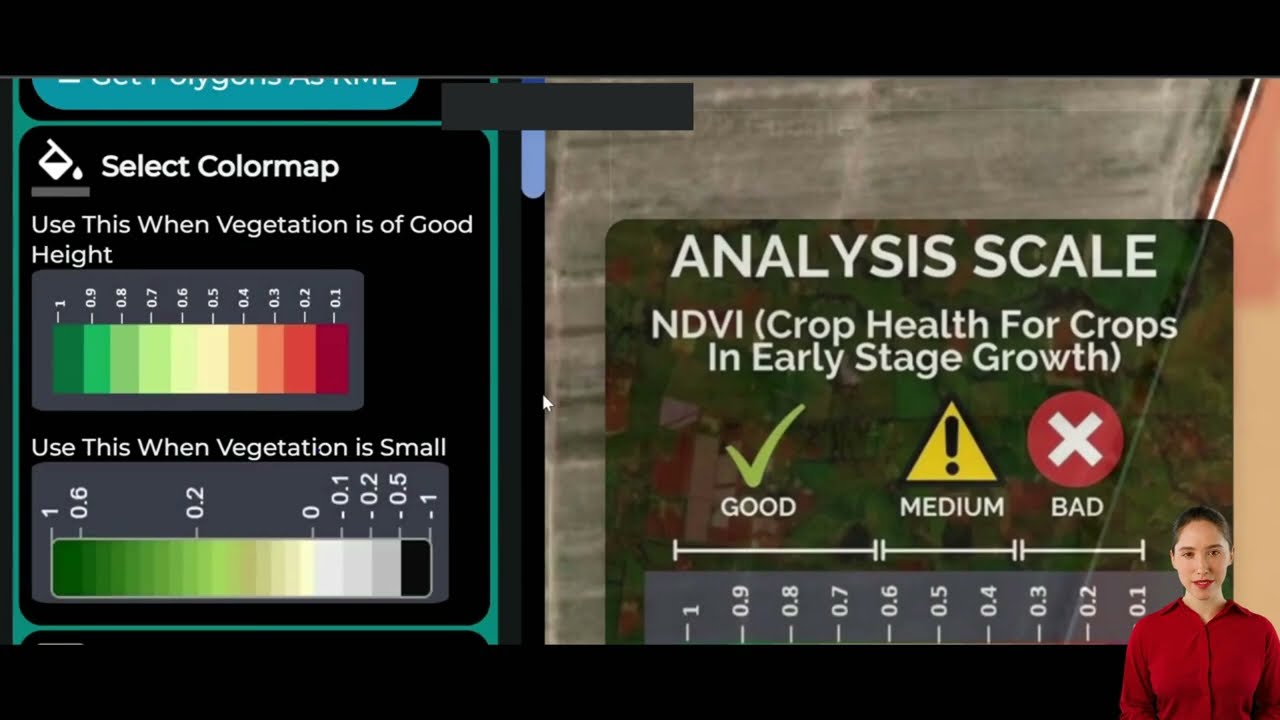
By leveraging advanced monitoring platforms—like Farmonaut—that deliver real-time satellite imagery, NDVI (vegetation index), and large-scale farm management tools (learn more here), farmers and land managers gain a full-spectrum, data-based perspective on both weed pressure and herbicide application optimization.



Regulatory, Environmental and Application Considerations Moving Into 2026
The world of herbicide application is shaped by regulatory attention to environmental and worker safety like never before. New rules impact everything from labeling and worker protection to drift mitigation and groundwater contamination reduction. Key 2025+ changes include:
- ✔ Mandatory buffer zones and restricted entry intervals for many widely used herbicides
- ⚠ Increased reporting and geotagging of usage (often with satellite-data verification)
- 📊 Environmental footprint tracking such as Farmonaut’s carbon accounting keeping operators future-ready
- 🌱 AI-driven prescription maps for tailored herbicide rates—reducing excess use and off-target effects
- 🔁 Rotation mandates in some regions to slow resistance evolution
Adopters using satellite and AI-based fleet management systems can further ensure compliance and optimize herbicide logistics while minimizing environmental impact.
How Farmonaut Empowers Sustainable, Data-Driven Weed Management
At Farmonaut, we are dedicated to helping agricultural, forestry, and land management professionals refine their integrated weed management strategies for maximum sustainability, compliance, and productivity. Our platform combines satellite-based monitoring, AI-based advisory, and blockchain-enabled traceability to:
- 📡 Deliver real-time field health and weed pressure insights (NDVI, soil, custom maps)
- 🤖 Use Jeevn AI for actionable weed management recommendations tailored to local conditions
- 🔐 Provide blockchain-based herbicide traceability—improving transparency for regulatory and supply chain assurance
- 🌎 Track carbon footprinting to measure and mitigate herbicide application impacts
- 🧰 Equip users with satellite-based verification—streamlining crop loan and insurance, reducing risks and fraud
Our mission is to make actionable satellite insights affordable—for everyone from small farmers to global enterprises—supporting the transition to the next era of sustainable weed management.
API-ready? Integrate Farmonaut’s Satellite & Weather API into your existing farm management software. Check out our Developer Docs to get started!
Looking to manage forestry and plantation operations? Explore our Crop Plantation and Forest Advisory app for deeper insights.
Farmonaut Satellite Solutions: Choose Your Subscription
Frequently Asked Questions (FAQ) about Gramoxone, Xonerate, Topramezone & Advanced Herbicides in 2025+
- What is the difference between selective and non-selective herbicides?
Non-selective herbicides (like Gramoxone, Xonerate) control a wide range of weeds and vegetation, while selective herbicides (like Topramezone, Interline) specifically target certain weed species without harming crops. - How are new formulations improving environmental safety?
Formulations for 2025+ focus on reduced soil residuals, lower application rates, better rainfastness, and innovations that minimize drift, volatilization, and off-target effects. - Are these herbicides safe for all crops and land uses?
Read the label: most advanced herbicides are designed for specific crops, weed populations, or land management scenarios. Misapplication may harm non-target species. - How do precision technologies like Farmonaut enhance weed management?
Satellite and AI-driven insights identify hotspots, optimize herbicide application, verify regulatory compliance, and support precision farming for reduced cost and impact. - Where can I access Farmonaut tools?
Farmonaut’s app and API solutions are available on Web, Android, and iOS for on-the-go and enterprise use.
Conclusion: Advancing with Gramoxone, Xonerate, Topramezone & Herbicide Science into 2026
The advent of advanced herbicide formulations in 2025—such as gramoxone herbicide, xonerate herbicide, topramezone herbicide, negate herbicide, interline herbicide, and range star herbicide—marks a new era in sustainable weed management across agriculture, forestry, and rangelands. Their evolving science addresses urgent needs: herbicide resistance, environmental concerns, and regulatory change.
These herbicides, when integrated with modern technologies such as real-time satellite monitoring, AI advisory systems, and precision agriculture platforms, remain indispensable tools for land managers. Their growing alignment with sustainability frameworks and data-driven decision-making ensures they will continue to support optimal crop yields and ecosystem health throughout 2026 and beyond.
As innovation continues, a future of resilient, healthy, and high-yielding landscapes—sustained by responsible herbicide use and smart management—looks increasingly within reach for the global community.
- ✔ Advanced herbicides boost integrated and precision weed management in 2025
- 🚀 Formulations like Gramoxone, Xonerate, Topramezone lead on efficacy & safety
- 🌏 Environmental impact is minimized by smart application and regulatory monitoring
- 🛰️ Satellite technologies from Farmonaut power next-gen oversight and compliance
- 🔒 Sustainable agriculture relies on synergy between chemical, digital, and biological solutions

 Sama Premium
 Mahaswami
 Prochecker
 Tres Valles
 LACOS Geoinformation
 Pulsar Supernova
 Magrifly
 LatConnect 60
 WebsEdge
 Blickwinkel
 Agricultural Credit Policy Council
 MCSOD
MCSOD Marei Nursery
 eKGIS
eKGIS Mostas Tech
 Andex
Andex FCF India
 Unifrutti Gulf
 Deluxe Conseil
