

Table of Contents
- The Guava Tree and Its Significance in Sustainable Agriculture and Agroforestry in 2025
- Guava Trees Trivia
- Guava Plant, Chilean Guava, Strawberry Guava, and Guamuchil Tree: Botanical Overview and Importance
- Comparative Benefits Table: Guava Tree, Chilean & Strawberry Guava, Guamuchil
- Guava Tree & Guava Plant in Agroforestry and Sustainable Systems
- Chilean Guava (Ugni molinae): Expanding Niche Crop and Soil Health Champion
- Strawberry Guava (Psidium cattleianum): Adaptability, Use, and Farm Protection
- Guamuchil Tree (Pithecellobium dulce): Soil Restoration, Nitrogen Fixation, and Rural Resilience
- Integrating Guava and Relatives in Modern Farming Practices (2025–2026 & Beyond)
- Emerging Trends for 2025–2026: Sustainability, Innovation, and Smart Farming Tools
- Chilean & Strawberry Guava Trivia
- Farmonaut Satellite Solutions for Sustainable Agriculture
- Frequently Asked Questions
- Conclusion
Guava Tree, Guava Plant, Chilean & Strawberry Guava, Guamuchil Benefits: Sustainable Agriculture & Agroforestry in 2025
The guava tree (Psidium guajava) and its close relatives—including Chilean guava (Ugni molinae), strawberry guava (Psidium cattleianum), and guamuchil tree (Pithecellobium dulce)—are drawing increasing attention in sustainable agriculture and agroforestry worldwide. As we look toward 2025 and beyond, these species offer potential to transform farming, soil health, and rural livelihoods. Their roles in climate resilience, ecological balance, and diversified cropping systems make them exceptionally relevant for modern agricultural practices.
“Guava trees can increase soil organic matter by up to 15%, improving farm resilience and fertility by 2025.”
The Guava Tree and Its Significance in Sustainable Agriculture and Agroforestry in 2025
The guava tree and its relatives stand out for their multifaceted contributions to sustainable farming and forestry. In 2025, their adaptability, nutritional value, ecological benefits, and compatibility with agroforestry systems position them as essential species for resilient, profitable agriculture across South Asia, Latin America, parts of Africa, and expanding regions such as temperate zones and hill landscapes.
These species not only offer premium fruits rich in vitamin C, dietary fiber, and antioxidants, but their roots stabilize soil, reduce erosion, and support overall farm productivity. Farmers aiming to diversify income, restore degraded land, and promote food security are increasingly turning to these plants and integrating them with cash crops, medicinal plants, and legumes.
Let us explore the distinctive agronomic and ecological benefits of guava, chilean guava, strawberry guava, and guamuchil tree, and discover how they are shaping sustainable agriculture for 2025 and beyond.

Guava Plant, Chilean Guava, Strawberry Guava, and Guamuchil Tree: Botanical Overview and Importance
To understand the multifaceted benefits these trees and plants offer, it’s important to dig into their taxonomy and origin:
- Guava Tree (Psidium guajava): Native to tropical America, now widely cultivated across Asia (especially India), Latin America, and Africa. Known for its delicious, nutritious fruits and exceptional adaptability.
- Chilean Guava (Ugni molinae): Indigenous to southern Chile and adjacent regions of Argentina, celebrated for small, aromatic berries and rising commercial popularity.
- Strawberry Guava (Psidium cattleianum): Native to southeastern Brazil, also called Cattley or Chinese guava; often grown as an ornamental and hedge plant, but appreciated for sweet fruits.
- Guamuchil Tree (Pithecellobium dulce): Native to tropical America, this leguminous tree fixes nitrogen, tolerates drought, serves multiple rural uses, and produces edible pods.

Access Farmonaut’s Satellite Crop Monitoring App
Each species brings unique strengths for soil health, biodiversity, climate resilience, and agroforestry—making them pillars of sustainable growth for 2025–2026 agricultural systems.
Comparative Benefits Table: Guava Tree, Chilean & Strawberry Guava, Guamuchil
The table below compares the sustainability, resilience, and nutritional or commercial potential of each species. This offers a quick reference for farmers, land managers, and agroforestry professionals planning for 2025–2026 and beyond.
| Plant Species | Soil Health Improvement (Est.) | Agroforestry Suitability | Carbon Sequestration Potential (Estimated) | Biodiversity Support | Drought/Resilience Score (Est.) | Notable Nutritional/Commercial Uses |
|---|---|---|---|---|---|---|
| Guava Tree Psidium guajava |
Up to 15% boost in organic matter; enhances microbial activity | High (excellent for intercropping with cereals, legumes, and medicinal crops) | High; dense foliage and deep roots lock substantial carbon | Supports beneficial pollinators & insect diversity | High (Score: 9/10) | High-vitamin fruits, juice, preserves, nutraceuticals |
| Chilean Guava Ugni molinae |
Moderate (increases soil structure, reduces compaction) | Moderate to High (suits temperate and hill agroforestry schemes) | Moderate; helps build humus and store carbon in soil horizon | Very High (hosts 30+ helpful insect species) | Moderate (Score: 7/10) | Gourmet berries, jams, flavoring for drinks |
| Strawberry Guava Psidium cattleianum |
High (improves topsoil via leaf litter and shade, controls erosion) | High (windbreaks, border plant, supports intercropping with care) | High; fast growth and robust canopy accumulate carbon quickly | High (dense canopy supports insects, birds, lizards) | Very High (Score: 8/10) | Sweet edible fruits, preserves, farm borders |
| Guamuchil Tree Pithecellobium dulce |
Very High (fixes nitrogen, enriches depleted soils, improves fertility) | Excellent for farm restoration, fodder, shaded pasture | Moderate to High; increase in soil organic carbon via leaf fall & root nodules | Supports ground birds, pollinators; habitat for mammals | Exceptional (Score: 10/10) | Edible pods, fodder, small-scale timber, shade |
- Guava tree: top choice for nutritious fruit, soil stabilization, and multi-crop farms.
- Chilean guava: perfect for temperate/tropical diversification; adds gourmet crops.
- Strawberry guava: best for windbreaks and border planting, with strong soil improvement and biodiversity support.
- Guamuchil: maximizes degraded land restoration, animal fodder, and nitrogen enrichment.

Guava Tree & Guava Plant in Agroforestry and Sustainable Systems
The guava tree, a classic tropical and subtropical fruit species, is indispensable for modern agroforestry systems due to its:
- Deep rooting and soil stabilization: Guava roots reach deeper layers, reducing erosion, boosting soil structure, and helping in water retention—an important feature for hill landscapes and farms facing rainfall variability by 2025–2026.
- Adaptability to varied conditions: Thrives from humid river valleys to semi-arid zones, tolerating moderate drought and heat.
- High nutritional fruit yield: Guava fruits are rich in vitamin C, dietary fiber, and natural antioxidants; a single tree can produce up to 100 kg of fruit annually under optimal conditions.
- Low-input cultivation: Requires less pesticide and fertilizer than many commercial fruits, reducing operational costs and chemical input.
- Integrated pest management compatibility: Advances in disease-resistant varieties and organic pest controls help maintain fruit quality and yield in 2026.
- Intercropping and farm diversification: Guava trees are compatible with cereals, legumes, medicinal herbs, and even cash crops like cotton and sugarcane in suitable regions.
By integrating guava tree with vegetables, grains, or cover crops, farmers enjoy improved productivity, ecosystem balance, and long-term profitability for 2025–2026.
Tip: Use Farmonaut’s carbon footprint monitoring tool to track real-time improvements in farm soil carbon when adding guava and agroforestry systems.

Chilean Guava (Ugni molinae): Expanding Niche Crop and Soil Health Champion
As a native of southern Chile, the Chilean guava (Ugni molinae) has surged in popularity across niche markets and temperate zones in 2025–2026 for several reasons:
- Cold and frost tolerance—unlike standard guavas, Chilean guava thrives in cooler regions, making it ideal for new agroforestry initiatives beyond tropical areas.
- Aromatic, gourmet berries—highly prized for flavors, jams, and drinks, creating premium income streams for smallholder farmers.
- Improved soil structure—its root system breaks up soil compaction, enhances infiltration, and increases organic matter input.
- Biodiversity support—recognized for attracting beneficial insects and pollinators, enriching agroecological webs.
- Suitability for intercropping and mixed hedges—safely grown alongside medicinal shrubs and fruits, and effective as a living fence.
Chilean guava’s integration into hill landscapes and rural systems increasingly helps farmers diversify income while enhancing ecological balance.
Did you know? Chilean guava is also a resilient option in regions with erratic rainfall and can serve as a buffer against extreme weather.
Farmonaut’s satellite monitoring solutions empower growers to monitor berry development, soil health, and optimize harvests for niche and expanding crops—including Chilean guava—in 2025 and beyond.

Strawberry Guava (Psidium cattleianum): Adaptability, Use, and Farm Protection
The strawberry guava (Psidium cattleianum) is unique for its:
- Rapid growth and dense canopy: Offers natural windbreaks, hedge planting, and shelter for vulnerable crops.
- Aggressive establishment: While sometimes considered invasive in uncontrolled settings, it is valued in structured agroforestry for boundary protection and erosion reduction.
- Soil protection and improvement: Leaf litter quickly increases topsoil organic matter, while shading reduces herbicide reliance for weed management.
- Edible, sweet berries: Consumed fresh or processed, diversifying rural diets and income.
- Support for beneficial insects and birds: Dense structure offers habitats for a variety of wildlife, contributing to holistic farm pest control.
In modern agriculture (2025–2026), carefully managed strawberry guava plantings help reduce reliance on synthetic barriers, strengthen farm resilience, and enhance biodiversity throughout South America, South/Southeast Asia, and temperate fringe regions.
- Plant strawberry guava along field edges to cut wind stress, reduce water loss, and protect delicate crops.
- Combine with nitrogen-fixing guamuchil to create a layered agroforestry system for long-term soil enrichment and land restoration.

“Chilean and strawberry guava support biodiversity, hosting over 30 beneficial insect species crucial for sustainable agroforestry.”
Guamuchil Tree (Pithecellobium dulce): Soil Restoration, Nitrogen Fixation, and Rural Resilience
The guamuchil tree (Pithecellobium dulce) stands out for 2025 and beyond as the ultimate agroforestry species due to its:
- Nitrogen-fixing root nodules, which enrich soil fertility naturally, lowering the need for synthetic fertilizers and helping to restore degraded agricultural land.
- Extremely high drought and salinity tolerance (score: 10/10), making it crucial in arid and erosive environments—especially in Latin America, South Asia, and Africa.
- Edible pods providing household nutrition and animal fodder; multipurpose rural resource.
- Valuable wood for small-scale construction, fuel, and shade for livestock.
- Habitat provision and biodiversity support: Attracts pollinators, increases microfaunal diversity, and supports ground-nesting birds and mammals.
In Agro-pastoral systems of India and Central America, guamuchil is increasingly planted alongside cereals, pulses, and pastures—helping farmers buffer against climate fluctuations, maintain revenue, and rebuild soil for future generations.
Explore how integrating guamuchil with precision agriculture and satellite monitoring tools can ensure long-term large-scale farm resilience and eco-friendly productivity.

Integrating Guava Tree, Guava Plant, Chilean & Strawberry Guava, Guamuchil Tree in Modern Farming Systems (2025–2026 & Beyond)
To maximize benefits of guava, chilean guava, strawberry guava, and guamuchil tree in sustainable systems, follow these key strategies in 2025–2026 and beyond:
- Agroforestry alley cropping: Alternate guava or guamuchil rows with crops like maize, beans, or lentils. This reduces soil erosion, improves biodiversity, and increases total land output.
- Multi-layered windbreaks: Combine strawberry guava and guamuchil tree along field edges. In South Asian and Latin American landscapes, this protects cash crops.
- Mixed fruit orchard design: Integrate guava tree with Chilean guava, citrus, and mango to diversify income sources and reduce climatic risk.
- Soil and water management in hill areas: Utilize deep-rooted guava plant or guamuchil for slope stabilization and rainwater infiltration.
- Organic and regenerative farming: Pair with biofertilizers and organic amendments. Guamuchil’s nitrogen fixation further reduces chemical dependency.
- Integrated pest management and biodiversity enhancement: Leverage the insect-attracting capacity of chilean and strawberry guava as habitats for beneficial species and pollinators.
As 2025 ushers in more resource-conscious agriculture, integrating these species can reduce climate vulnerability, enhance ecological value, and increase profitability for farmers worldwide.
Developers or agriculture platforms can integrate advanced satellite insights using Farmonaut’s API, or consult the Farmonaut API Developer Docs here for powerful analytical tools in precision farming.
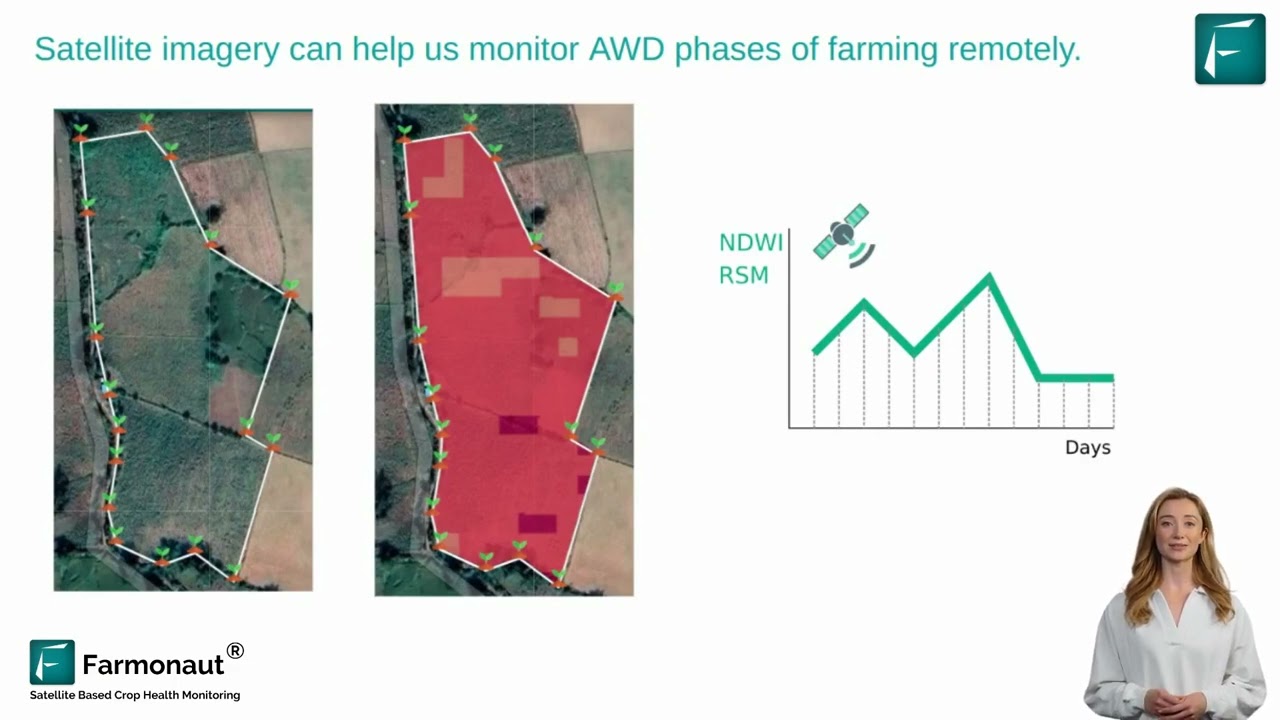
Emerging Sustainability Trends for Guava Species & Agroforestry in 2025–2026
Precision Agriculture, Regenerative Practices, and Smart Monitoring
By 2026, sustainability in farming is driven by new synergies among species selection, real-time monitoring, and data-driven management:
- Advanced propagation (micropropagation, grafting) boosts disease resistance and yield in commercial guava and Chilean guava stands.
- Integrated pest & disease management: Satellite and sensor technologies (like Farmonaut’s) provide early warning and actionable insights to maintain plant health.
- Resource optimization: Smart irrigation and nutrient management ensure guava trees thrive in water-limited and drought-prone zones.
- Blockhain-based traceability: Consumer demand for origin-verified, low-carbon fruit is supported by traceability tools, boosting grower revenue and trust.
- Carbon sequestration for profit: Farmers leveraging guava’s and guamuchil’s carbon storage in restored lands may benefit from emerging carbon credit systems and green finance in 2026.
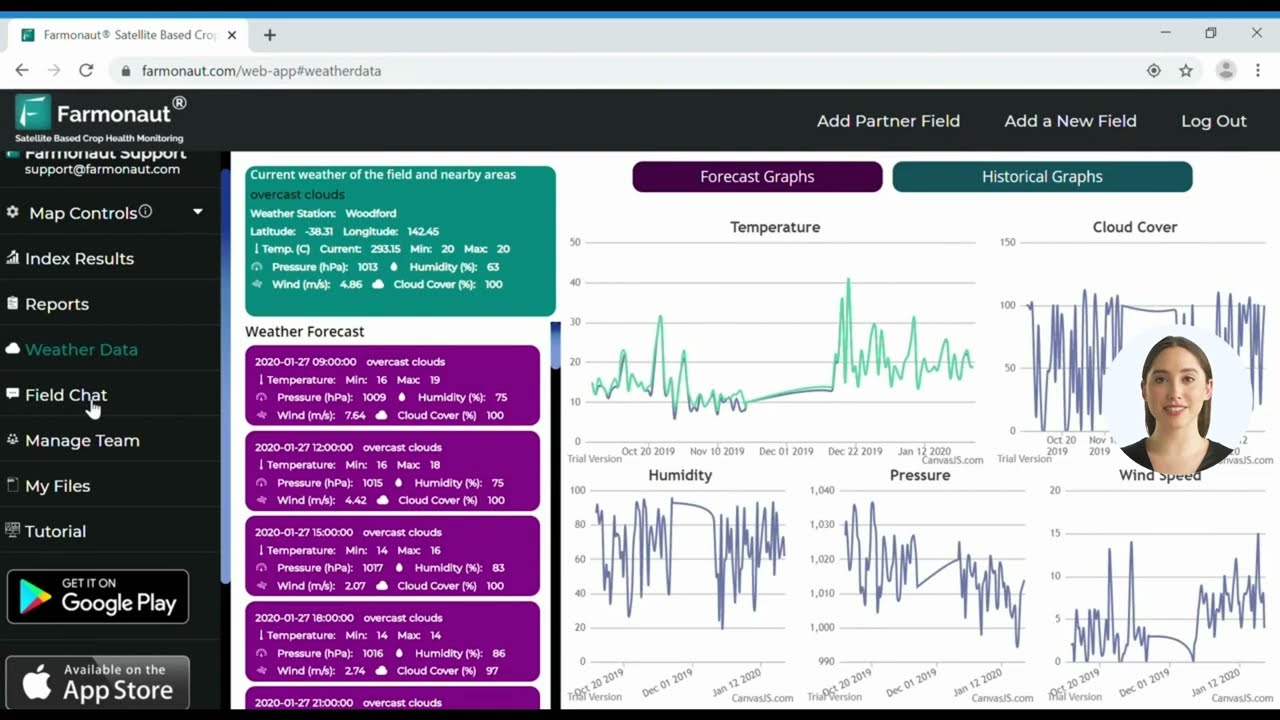


Farmonaut: Satellite Technology for Guava Tree, Chilean Guava, Strawberry Guava, and Guamuchil Tree Success
For farmers, land managers, and rural communities aiming to realize the full potential of guava tree, chilean guava, strawberry guava, and guamuchil tree in 2025–2026, satellite technology is a game-changer. At Farmonaut, we provide dynamic, satellite-based monitoring, AI-powered advisory, and blockchain traceability solutions for agroforestry and sustainable agriculture.
- Satellite imagery & AI analytics: Monitor guava and guamuchil field health, water status, and soil fertility in real time.
- Jeevn AI advisory system: Receives tailored pest management, irrigation, and fertilization advice, reducing losses and boosting fruit yields.
- Blockchain traceability & transparency: Ensure your sustainable produce is origin-verified and eligible for premium markets.
- Fleet/resource management: Optimize logistics and equipment in large orchards (fleet management), helping reduce operating costs and emissions.
- Environmental impact tracking: Real-time carbon footprinting and compliance for regenerative guava and agroforestry projects.
Our platform is accessible via web, Android, and iOS apps, and also as a powerful API for system integration. We support individual farmers, large agricultural enterprises, and government planners striving for climate-resilient, data-driven agriculture in 2026 and beyond.
Learn more about Farmonaut’s cost-effective satellite subscriptions:
Frequently Asked Questions: Guava Tree, Chilean Guava, Strawberry Guava, Guamuchil in Agroforestry & Sustainable Systems
- What makes the guava tree (Psidium guajava) important for sustainable agriculture in 2026?
- The guava tree boosts soil health, reduces erosion, and provides high-nutrition fruit crops with minimal chemical input. Its adaptability to varied climates and compatibility with intercropping makes it an asset for farmers focused on diversification and resilience.
- How does Chilean guava (Ugni molinae) support biodiversity and ecosystem services?
- Chilean guava hosts over 30 beneficial insect species, improving natural pest control, and enriches agroecosystems with its aromatic berries and diversity support—making it ideal for sustainable agroforestry arrangements.
- Is strawberry guava (Psidium cattleianum) suitable for every farming system?
- While strawberry guava is considered aggressive in some naturalized regions, when carefully controlled, it excels as a windbreak, border hedge, and soil-improving species, especially in mixed farms and peri-urban agriculture.
- Why is guamuchil tree (Pithecellobium dulce) increasingly valued in regenerative agriculture?
- The guamuchil tree improves depleted soils via nitrogen fixation, restores fertility, and thrives in drought-prone, saline, or degraded zones—making it one of the most resilient trees for future-focused farming.
- How can farmers track the progress and health of these trees?
- Farmers can use Farmonaut satellite and AI-enabled monitoring tools to assess tree vitality, pest outbreaks, and real-time improvements in soil and carbon sequestration.
- Do these species work well together in layered agroforestry systems?
- Yes, integrating guava tree, chilean guava, strawberry guava, and guamuchil tree creates a dynamic agroforestry system, with upper and lower story crops supporting one another for maximum soil, biodiversity, and climate benefits.
- Is guava fruit production profitable in 2026?
- Absolutely. With rising demand for nutritious fruit and premium, traceable produce, guava orchards are expected to provide lucrative returns—especially when managed with modern best practices and technology.
Conclusion: The Expanding Role of Guava Tree, Chilean & Strawberry Guava, and Guamuchil in Sustainable Agriculture for 2026 and Beyond
The guava tree (Psidium guajava), along with chilean guava (Ugni molinae), strawberry guava (Psidium cattleianum), and guamuchil tree (Pithecellobium dulce), are more than just fruit sources. These species stand at the heart of sustainable agriculture, agroforestry, and environmental resilience for 2026 and beyond. Their ability to enrich soil, boost biodiversity, reduce climate vulnerability, and offer new economic opportunities makes them essential choices for modern farmers worldwide.
By integrating these resilient trees—with support from innovative satellite and AI monitoring solutions like those offered by Farmonaut—producers can ensure thriving, eco-friendly, and profitable farms, regardless of climate or region. Whether you are restoring a hillside in India, launching a gourmet berry venture in southern Chile, or improving rural livelihoods in Latin America or Africa, these trees deliver multifaceted benefits for people and planet alike.
Ready to supercharge your guava, chilean guava, strawberry guava, or guamuchil agroforestry system?
For more tools & solutions empowering sustainable guava and agroforestry management, explore Farmonaut’s full product suite or learn about carbon footprinting, traceability, and value-added services for climate-smart farming in 2026 and beyond.
Discussion
Questions, corrections or field experience? Share them below. First-time comments are reviewed before they appear, and your email is never published.
No comments yet. Be the first to add a question or your experience.

 Jontra
 Yaduka Agrotech
 Kalustyan
 Tucor
Tucor Geno
Geno Hayleys Agriculture
 Linx Agritech
 Adinet
 Save Your Soils
 Grandstream Algérie
 XOS Realty
 Geospatial Lab Africa
 Agro La Gándara
 HIPSAC
 ZOL Zimbabwe
 Juligerm
 MISE Maroc
 Licence holder · Niger · Gold










