

Top 7 Smart Strawberry Farming Solutions in Kenya 2025
Discover the latest smart farming techniques, innovations in vertical farming, and practical solutions to common strawberry farming problems in Kenya. Our 2025 guide helps you embrace modern agriculture for higher yields, sustainability, and profitability.
“In Kenya, vertical farming can increase strawberry yield by up to 40% compared to traditional methods.”
Table of Contents
- Overview – Top Challenges in Strawberry Farming in Kenya
- Why Kenya Is Embracing the Latest Smart Farming Techniques for Strawberries Problems & Solutions
- Top 7 Smart Strawberry Farming Solutions in Kenya 2025
- Comparative Solutions Table: Smart Strawberry Farming in Kenya 2025
- Vertical Farming Strawberries – The Future of Fruit Production in Kenya
- Smart Farming Techniques: Solutions to Farming Problems in Strawberry Production
- Farmonaut: Empowering Smart Strawberry Farming in Kenya with Satellite, AI & Blockchain
- FAQ: Latest Smart Farming Techniques, Strawberries Problems & Solutions
- Conclusion: Embracing the Future of Strawberries Farming in Kenya



Overview – Top Challenges in Strawberry Farming in Kenya
Strawberry cultivation has gained considerable attention in Kenya in recent years, spurred by high local demand and export opportunities. However, farmers face severe challenges that hinder production and profitability:
- Climatic Variability: Unpredictable weather patterns, especially fluctuating temperatures and rainfall, disrupt flowering cycles and impact fruit quality.
- Pest & Disease Outbreaks: Unmanaged infestations (like gray mold (Botrytis cinerea), powdery mildew, and root rot) can worsen yield losses.
- Scarcity of Arable Land: Rising urbanization and limited expansion options restrict the ability of farmers to scale up.
- Water Scarcity & Inefficient Irrigation: Traditional watering methods often lead to high wastage, while droughts add pressure on already limited water resources.
- Suboptimal Soil Conditions: Depleted fertility or inconsistent moisture levels can threaten the growth and quality of delicately balanced strawberry plants.
- Access to Technology, Finance & Training: Lack of modern tools, knowledge, and capital limits many Kenyan farmers’ abilities to implement advanced solutions.
These factors—combined with the fruit’s sensitivity to humidity and temperature—mean that overcoming these issues is critical to revolutionizing strawberry farming techniques in Kenya.
Why Kenya Is Embracing the Latest Smart Farming Techniques for Strawberries Problems & Solutions
With rising market demand for strawberries locally and for export, and the push for higher yields despite limited resources, Kenyan farmers are turning to technology for answers. The latest smart farming techniques are:
- Making farming more resilient to weather changes and pest infestations through monitoring & prediction.
- Improving yields and fruit quality with precision control over each aspect of the crop environment.
- Reducing operating costs and environmental footprint with data-driven resource use.
- Transforming strawberry cultivation in Kenya into a scalable, high-profit, and sustainable venture.
2025 is set to be a benchmark year for innovation and integration of vertical farming strawberries, satellite analytics, automated systems, and AI-driven equipment in Kenya’s modern agricultural ecosystem.
“Smart irrigation systems reduce water usage in Kenyan strawberry farms by approximately 30% while maintaining optimal plant growth.”
Top 7 Smart Strawberry Farming Solutions in Kenya 2025
Below, we cover the most innovative and impactful strawberry farming techniques available in Kenya for 2025—addressing scarcity, pests, diseases, and sustainability:
-
Vertical Farming Systems
Adoption of modular, multi-tiered growing racks allows urban and peri-urban farmers to boost yields, save space, and operate year-round in controlled temperatures and humidity. Integrated LED lighting and hydroponic or aeroponic methods maximize water and nutrient efficiency. -
Precision Agriculture with IoT Sensors & AI
IoT-driven monitoring of soil moisture, nutrient levels, and microclimate data allows for just-in-time interventions. AI algorithms forecast disease risks and tailor recommendations to boost both quality and output. -
Automated Irrigation & Water Management
Smart drip irrigation systems with remote, app-based integrated controls give the plants optimal moisture with minimal waste—critical in water-scarce regions. -
Drones & Remote Sensing
Drones equipped with AI and multispectral cameras rapidly scan large, open farms, picking up early signs of outbreaks, nutrient deficits, and stress areas invisible to the naked eye, reducing losses via precision action. -
Genetically Improved & Disease-Resistant Varieties
By leveraging local research, Kenyan farmers can now access cultivars bred for resistance to gray mold, powdery mildew, and climatic stress—supporting consistent yields. -
Integrated Pest Management (IPM) Solutions
A blend of biological (natural predators), cultural (crop rotation), and judicious organic chemical interventions proves highly effective for reducing pest and disease impact, without relying solely on harmful pesticides. -
AI-Driven Satellite Crop Monitoring & Advisory
Farmers can now access real-time health, moisture status, and environmental insights for their strawberry fields from satellites, as well as AI-based recommendations for timely fertilization, irrigation, and risk prediction.

Comparative Solutions Table: Smart Strawberry Farming in Kenya 2025

Vertical Farming Strawberries – The Future of Fruit Production in Kenya
Vertical farming strawberries is a transformative method for Kenyan agriculture in 2025 and beyond. As arable land becomes increasingly limited and the need for sustainable, high-value crop production rises, vertical strawberry systems present several game-changing advantages for farmers and agripreneurs:
- Space Efficiency: Vertical farms can achieve up to 40% greater yields per m2 compared to traditional layouts, with potential for year-round harvesting.
- Water Conservation: Advanced hydroponic/aeroponic setups use up to 90% less water by recirculating and optimizing nutrient solutions.
- Climate & Disease Control: Modern greenhouses allow for controlled temperature, humidity, and CO2, minimizing risks from drought, floods, and disease outbreaks.
- Reduced Chemical Use: Enclosed systems limit pests and make biological, organic, and IPM strategies highly effective.
- Suitable for Urban/Peri-urban Kenya: Near-market production slashes transport costs, ensures freshness, and supports urban food security.
- Labor Efficiency: Simple harvesting from standing height and less weeding/unproductive tasks enable higher occupancy by skilled labor.
As vertical farming becomes more accessible and affordable (with modular units for smallholders and scalable systems for agribusinesses), its role in transforming strawberry cultivation in Kenya—especially in Nairobi, Nakuru, Eldoret, and other densely populated areas—is only set to expand further over the next decade.

Smart Farming Techniques: Solutions to Farming Problems in Strawberry Production
Let’s detail how the latest smart farming techniques strawberries problems solutions are reshaping the landscape of strawberry cultivation in Kenya. This synergy of technology and best practice directly addresses the challenges outlined previously:
1. Precision Agriculture – Sensors, IoT & Data-Driven Action
- IoT soil moisture and nutrient sensors monitor fluctuations in real-time, helping farmers irrigate precisely and apply fertilizers where actually needed.
- Environmental controls inside vertical setups or traditional shade houses guarantee optimal temperature and humidity levels to reduce plant stress.
- Automated logging and AI analytics predict pest risks before they become outbreaks, enabling timely interventions and reducing losses.
2. Automated Drip Irrigation & App-Based Controls
- Automated or remote-controlled irrigation schedules based on field sensors ensure consistent moisture for root health, especially during Kenya’s dry spells.
- Smart water use means 30-50% less consumption compared to old flood or overhead methods.
- These systems often come with notification features via mobile apps in both rural and urban areas.
3. Drones, Satellite & AI for Early Detection
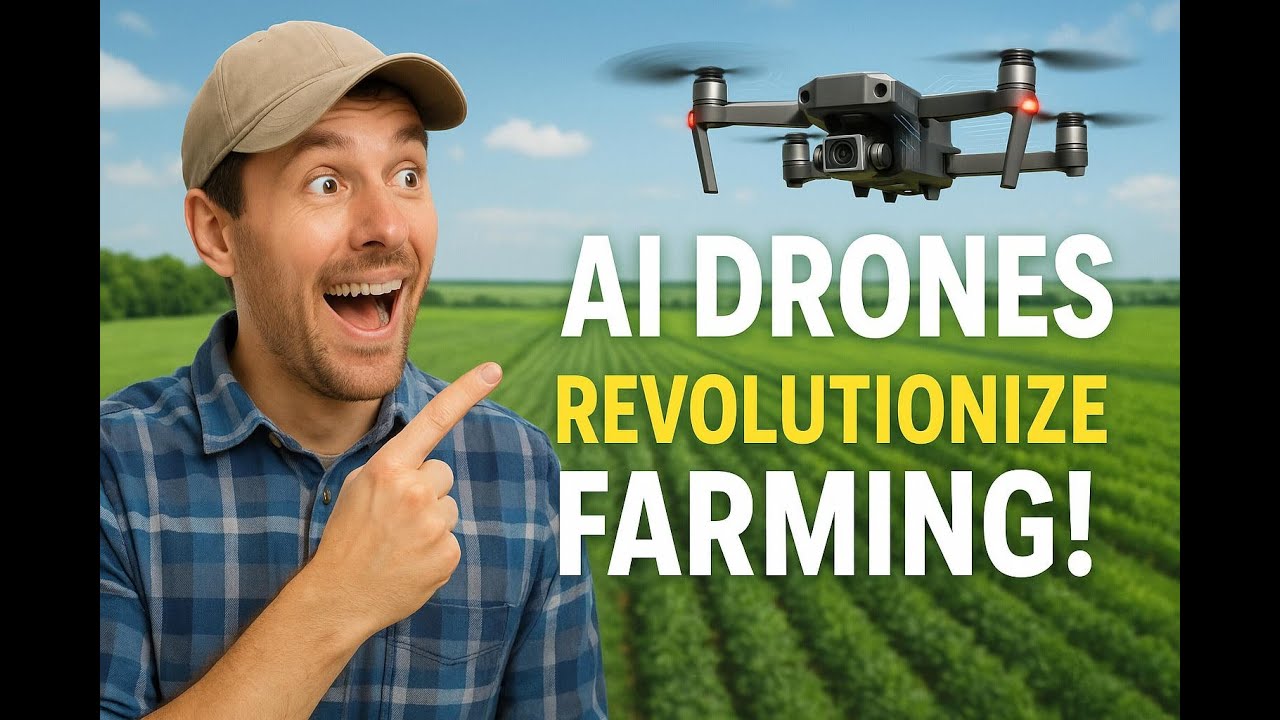
- Drones with multispectral cameras fly over large fields to spot nutrient deficiencies, pest infestations, or disease outbreaks like Botrytis cinerea before they become visible to the naked eye.
- AI-powered software analyzes incoming data, sending actionable alerts to farmers’ phones, supporting rapid, effective responses.
- These tools also optimize field scouting, making follow-up actions faster and more accurate.
4. Disease-Resistant Strawberry Varieties for Kenyan Conditions
- Improved cultivars—bred for local climate and disease resistance—mean less input cost for pesticides and more reliable harvests, even in changing seasonal patterns.
5. Integrated Pest Management (IPM): Ecological & Economic Benefits
- IPM combines: cultural methods (timely crop rotation, organic mulching), biological agents (ladybirds, nematodes), and highly targeted, minimal chemical sprays to suppress fungal, insect, and viral threats.
- Maintains ecological balance, guards beneficials, and reduces chemical residues in harvested strawberries.
6. Satellite-Based Crop Monitoring & Advisory Solutions
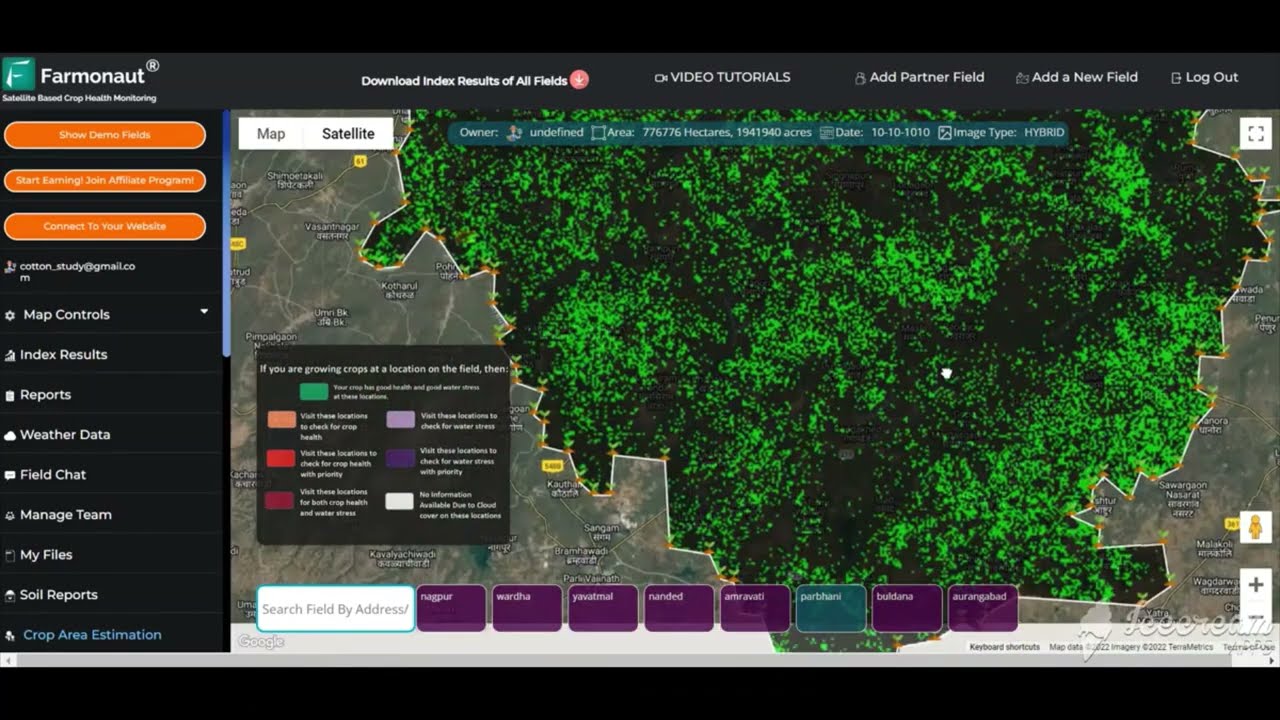
- Field-level mapping with satellite imagery enables Kenyan farmers to see unhealthy zones, detect water stress, and track plant growth dynamics from remote locations via an app or web dashboard.
- AI-driven advisory platforms suggest resource-saving, yield-boosting actions based on real-time weather forecasts, vegetation indexes (NDVI), and predictions for disease or pest outbreaks.
Want real-time satellite and AI-powered field monitoring and advisory tools?
Try Farmonaut’s agricultural monitoring web and mobile platform for the best in precision guidance for fields, vertical farms, and large-scale plots!
Farmonaut: Empowering Smart Strawberry Farming in Kenya with Satellite, AI & Blockchain
As a leading satellite technology company, Farmonaut is committed to empowering Smart Strawberry Farming in Kenya with affordable, advanced, and accessible technologies—transforming farming practices for both smallholder farmers and agribusinesses.
Our Offerings for Kenyan Strawberry Growers
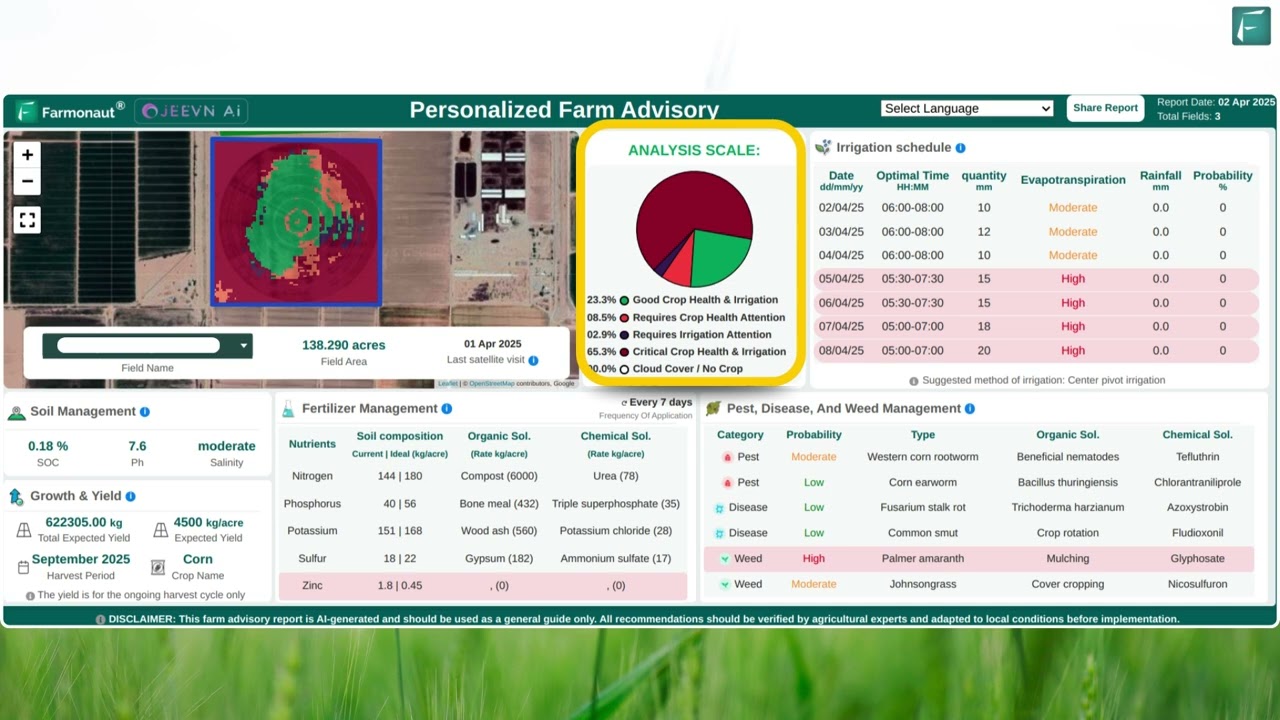
- Satellite-Based Crop Monitoring: We provide real-time, multi-spectral satellite insights on crop health, soil condition, and field-level variability, supporting precise decision-making and improved yield.
- AI-Driven Jeevn Advisory System: Our AI system analyzes satellite data and delivers custom guidance on irrigation, weather, and pest prediction—directly through Android, iOS, and web apps.
- Blockchain-Based Traceability: Farmonaut’s traceability solutions guarantee transparency of produce origin and journey—to increase buyer confidence and market value for Kenyan strawberry farmers.
- Environmental & Carbon Monitoring: Kenyan strawberry growers can use Farmonaut’s carbon footprinting tools to comply with local/global regulations and showcase sustainable agriculture practices.
- Resource & Fleet Management Tools: Maximize farm machinery and vehicle efficiency with Farmonaut fleet management solutions—cutting operational costs and downtime.
- API Access for Developers & Enterprises: Integrate our satellite and weather-based insights into your own tools or apps. Explore Farmonaut APIs & Developer Documentation.
- Crop Loan and Insurance Verification: Farmonaut satellite verification speeds up financing for strawberry growers, cutting fraud and improving market access to capital.
- Large-Scale & Agro-Enterprise Tools: Scale up your operation seamlessly with Farmonaut’s large-scale farm management platform—ideal for agri-enterprises targeting domestic and export strawberry markets.
Our mission is to democratize cutting-edge agricultural technology so that Kenyan strawberry farmers can improve productivity, profitability, and sustainability—whether in open fields, greenhouses, or vertical farms.
FAQ: Latest Smart Farming Techniques, Strawberries Problems & Solutions
What are the most common challenges facing strawberry farming in Kenya?
Scarcity of water, erratic weather, pest infestations (like gray mold and root rot), suboptimal soil, and land limitations are core challenges. Technology and improved farming techniques can address these issues in 2025 and beyond.
How does vertical farming solve space and water issues?
Vertical farming strawberries multiply the use of vertical space and employ hydroponics or aeroponics, using up to 90% less water compared to traditional farming, while ensuring maximum yield per square meter.
What is the role of IoT and AI in strawberry farming techniques?
IoT sensors and AI process real-time data on soil moisture, nutrition, and microclimate. This enables precise input management, timely intervention for pests and diseases, and optimizes yields by predicting the best times for irrigation and fertilization.
How can technology help with strawberries’ pest and disease management?
Drones, AI, and satellite tools monitor and detect outbreak zones early. Biological controls and integrated pest management approaches—supported by timely data—minimize crop loss and reduce dependence on chemical solutions.
What is Farmonaut and how does it support Kenyan strawberry farmers?
Farmonaut is a global leader in satellite-based agricultural monitoring. We offer Kenyan farmers real-time crop analytics, resource management, AI-based advisories, traceability, carbon tracking, and financing verification for strawberry farming—accessible via mobile and web platforms.
Where can I get more technical information or integrate Farmonaut’s solutions?
Developers and agri-tech firms can access our APIs and documentation for custom integration into their digital platforms.
Conclusion: Embracing the Future of Strawberries Farming in Kenya
Kenya’s strawberry sector is setting a new benchmark for modern agriculture. From vertical farming systems delivering unprecedented space and water efficiency, to AI-powered, data-driven decision-making and blockchain traceability boosting market trust, the future of strawberry farming in Kenya is smart, sustainable, and profitable.
As we move deeper into 2025 and beyond, the integration of these latest technology solutions is not just an option—it’s a necessity. Kenyan farmers, agri-startups, and cooperatives leading the charge will reap the rewards of improved yields, lower environmental impact, and greater market share in both local and export markets.
Ready to transform your farm with precision insights and global-standard technology? Explore Farmonaut’s satellite-powered agricultural platform—bringing real-time data, AI, and secure traceability to Kenyan strawberry cultivation. Scale up, optimize, and lead the future of strawberries farming in Kenya!


 Godrej Agrovet
 Hayleys Agriculture
 Linx Agritech
 Adinet
 Save Your Soils
 GalaxEye Space
 Grandstream Algérie
 XOS Realty
 Geospatial Lab Africa
 Agro La Gándara
 HIPSAC
 ZOL Zimbabwe
 Juligerm
 AdBio
AdBio MISE Maroc
 NWNS
NWNS Red August Group
 Farm Inc
 WeMe Global
 Agrotoken
 Blue BearX
 Insignito
 DnCubed
 Indosistim Teknologi
 Liquify Digital
 CU Foods
 BeyondTech Global
 Rouge VC
 AgroRisk
 Oath Inc
 Esri North East Africa
 MDCV UK
 Etech Consulting Madagascar
 Vestlandsforsking
 WB Dev
 Sama Premium
 Tres Valles
 Blickwinkel
 Agricultural Credit Policy Council
 eKGIS
eKGIS Mostas Tech
 Andex
Andex Deluxe Conseil
 WICO
WICO Chimera Innovation
 SkyHarvest
 Teledarbas
 Exurbia Geospatial
 FieldZero
