

How to Reduce Soil Erosion: 7 Powerful Strategies for 2026
Meta Description: Discover how to reduce soil erosion with sustainable practices. Learn key strategies for soil conservation, water management, and resilient agriculture for 2025, boosting soil health and productivity.
“Planting cover crops can reduce soil erosion by up to 90% compared to bare soil surfaces in farmlands.”
Understanding Soil Erosion and Its Impacts
Soil erosion is the process in which the upper fertile layer of soil is displaced by agents such as water, wind, or human activities. This process threatens soil fertility, ecosystem stability, crop productivity, and the entire agricultural production cycle. The loss of topsoil means a drastic reduction in organic matter, nutrients, and the structure that supports healthy crops.
In forestry, soil erosion destabilizes slopes, resulting in landslides and loss of ground cover, directly impacting biodiversity. Sediment runoff from eroded lands leads to the silting of rivers and reservoirs, which damages natural ecosystems and challenges water management infrastructure.
- ⚠ Common Mistake: Ignoring small signs of erosion (like rills and bare spots) can lead to massive soil losses over a few seasons.
- ✔ Key benefit: Healthy topsoil supports stable crop yields and boosts resilience against droughts and floods.
- 📊 Data insight: Worldwide, farmland loses an estimated 24 billion tons of fertile soil annually due to erosion.
- 🌱 Pro Tip: Integrating organic matter helps stabilize soils and accelerates recovery from erosion events.
- 🤝 Key Insight: Local community involvement is critical to the long-term success of any erosion-reducing strategy.
Key Impacts of Soil Erosion
- Loss of soil fertility due to nutrient depletion
- Decreased water retention in soil, leading to drought-like conditions
- Reduced crop yields and food production, threatening food security
- Destabilization of slopes and increased risk of landslides in forestry areas
- Silting of rivers and reservoirs, impacting water quality and infrastructure
- Decline in ecosystem services, biodiversity, and environmental stability

How Soil Erosion Happens: The Process
- 🌧 Rainfall Impact: Raindrop impact detaches and splashes soil particles.
- 🏞 Runoff: Surface water flow transports detached soil downhill.
- 💨 Wind Erosion: Strong winds lift and carry fine soil particles away.
- 🚜 Human Disturbance: Over-tillage or poor land management accelerates displacement.
- 🌱 Loss of Ground Cover: Bare soils are most vulnerable to all forms of erosion.
Why Is Reducing Soil Erosion So Urgent in 2026?
As global food production requirements rise amid climate change and population growth, reducing soil erosion remains one of the most pressing challenges for agriculture, forestry, and sustainable land management. In 2025 and beyond, the urgency to implement effective erosion-reducing strategies is paramount for the long-term health of our ecosystems.
The impacts of ignoring soil erosion are not just local. This challenge affects food supply chains, global markets, and the environmental stability of entire regions—all of which are interconnected in an era of rapidly shifting weather patterns and land use.
“Contour farming techniques have been shown to lower soil loss by 50% on sloped agricultural fields.”
Comparative Strategies Table: Soil Erosion Control Methods at a Glance
| Strategy Name | Description | Estimated Soil Erosion Reduction (%) | Implementation Complexity | Cost Estimate ($/hectare) | Environmental Impact | Suitability (Farm Size/Soil Type) |
|---|---|---|---|---|---|---|
| Conservation Tillage | Reduces tillage frequency/intensity to maintain soil structure and residues. | 30-70% | Low to Medium | $30–$120 | Positive | All sizes; best on silty, loamy soils |
| Cover Crops | Growing legumes, rye, or clover to protect soil surface during off-seasons. | 60-90% | Medium | $80–$250 | Positive | Small to large scales; adaptable across most soil types |
| Contour Farming & Terracing | Farming along contour lines or constructing terraces on slopes. | 50-75% | Medium to High | $200–$1000 | Positive | Hilly/sloped terrain; clay, silt, and loam soils |
| Agroforestry Systems | Integrating trees and/or livestock with crops to enhance root networks. | 40-70% | Medium | $150–$450 | Positive | All scales; supports diverse soils |
| Riparian Buffer Zones | Maintaining strips of trees, shrubs, and grasses along waterways. | 45-80% | Medium | $120–$400 | Positive | Near rivers/streams; all farm sizes; sandy to clayey soils |
| Windbreaks & Shelterbelts | Planting lines of trees or shrubs perpendicular to wind direction. | 20-60% | Low to Medium | $50–$300 | Positive | Wind-prone areas; all soils |
| Mulching & Residue Management | Applying organic/bio-based materials to cover soil and retain moisture. | 15-55% | Low | $40–$180 | Positive | All farm sizes/types; especially effective on sandy soils |
How to Reduce Soil Erosion: 7 Powerful Strategies for 2026
How to reduce soil erosion? The most reliable approach involves a mix of soil conservation, water management, and sustainable agricultural practices. Here are the top seven science-backed methods to reduce erosion, protect soil, and ensure ecosystem stability in 2026 and beyond:
1. Conservation Tillage: Minimizing Soil Disturbance
- 🚜 Description: Conservation tillage reduces the frequency and intensity of soil disturbance during planting and field preparation.
- 🌾 Benefits: Maintains organic matter and soil structure; minimizes loss of residues from previous crops, which shield the soil from raindrop impact and wind.
- 📉 Impact: Reduces soil erosion by keeping surface residues and enhancing water retention.
No-till or minimum-tillage practices leave crop residues on the fields, acting as a protective blanket. Numerous research studies have validated that reducing tillage frequency can decrease soil loss by up to 70%. This not only protects the soil but also preserves organic matter and supports microbial activity.

2. Cover Crops: Living Shields for Your Soil
- 🌱 Description: Cover crops like legumes, rye, and clover grow when main crops are not in the field.
- 🪴 Benefits: Prevents soil exposure to wind and water, binds particles, promotes organic matter buildup, enhances microbial activity, and improves soil health.
- 💡 Reducing Erosion: Cover crops can reduce erosion by up to 90% during vulnerable periods (e.g., winter, off-season).
Growing cover crops creates a living layer that insulates soil, captures rainfall, and builds up organic matter. Cover crop roots anchor the soil and prevent the runoff that accelerates topsoil loss.

3. Contour Farming & Terracing: Harnessing the Landscape
- ⛰ Description: Planting crops along the contour lines (rather than up and down the slope) and constructing terraces on hillsides.
- 💧 Benefits: Slows water runoff, allowing greater infiltration and dramatically reducing soil displacement.
- 🏞 Reducing Erosion: Well-implemented contour farming can lower soil loss by 50% or more on sloped terrain.
Contour farming takes advantage of the land’s natural shape to form an effective defense against erosion. Terracing transforms steeper lands into flat steps (arable plots), allowing farming on steep lands while minimizing erosion risks and fertility loss.
Main Steps of Contour Farming & Terracing
- 📏 Map and mark contour lines on the field
- 🚧 Construct small barriers (e.g., earth or stone ridges) along contours
- 🌾 Plant crops or grasses following contour alignment
- ⛏ On steep slopes, build broad, flat terraces for planting

4. Agroforestry Systems: Integrating Trees, Crops & Livestock
- 🌳 Description: Integrating trees, shrubs, and/or livestock with conventional crops to create complex, resilient ecosystems.
- 🌲 Benefits: Deep root networks hold the soil, while canopies shield against rain and wind.
- 🌏 Impact: Agroforestry systems enhance biodiversity, organic matter, and ecosystem resilience.
Agroforestry boosts soil stabilization, curbs erosion, and diversifies both production and income sources.
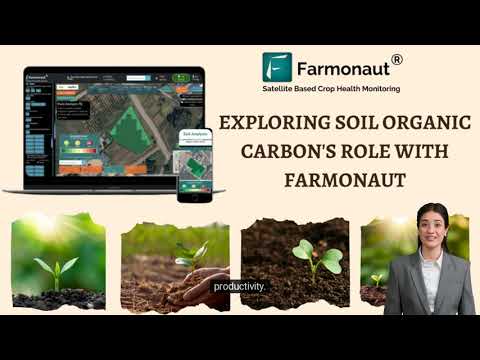
Explore Farmonaut’s Crop Plantation and Forest Advisory Solutions for sustainable multi-cropping and eco-friendly land management.
5. Riparian Buffer Zones: Safeguarding Waterways
- 🏞 Description: Maintaining strips of vegetation—trees, shrubs, and grasses—along rivers, lakes, or drainage lines.
- 🛡 Benefits: Binds soil particles, absorbs nutrients from runoff, and prevents sediment from polluting water bodies.
- 🌼 Impact: Protects aquatic ecosystems while strengthening land against erosion.
Riparian buffer zones act as natural filters, trapping contaminants and reducing sediment flows into rivers and reservoirs. These practices are critical for sustainable water management and environmental conservation.

6. Windbreaks & Shelterbelts: Shielding Land from Wind
- 💨 Description: Strategically planting rows of trees or shrubs perpendicular to prevailing wind directions.
- 🛡 Benefits: Reduces wind speed near soil surface, curbing wind-driven soil erosion.
- 🌬 Impact: Also helps improve crop microclimates and lowers evaporation rates.
Windbreaks are especially effective in open, wind-prone regions, offering both soil and crop protection and increasing agricultural resilience.

7. Mulching & Residue Management: Nature’s Protective Blanket
- 🍃 Description: Applying a layer of organic matter (e.g., straw, compost, leaves) over soil to protect it.
- 💧 Benefits: Retains moisture, buffers against raindrop impact, and adds organic matter as mulch breaks down.
- ⏳ Impact: Reduces short-term erosion losses and supports long-term soil health.
Mulching is an accessible and cost-friendly method for farms of all sizes, providing immediate results in slowing down erosion and enhancing soil fertility.
Learn more about Farmonaut’s Carbon Footprinting Products to track how soil conservation practices contribute to reducing emissions and improving overall farm sustainability.
Technological Tools, Policy Support & Community Education for Reducing Soil Erosion
Technological Innovations For Erosion Management
Digital tools have transformed how we reduce soil erosion, making monitoring and adaptive response easier and more precise than ever:
- 🛰 Remote Sensing and GIS: Satellite imagery and geographic information systems (GIS) pinpoint erosion-prone sites, monitor crop performance, and guide precision conservation efforts.
- 🔬 Soil Moisture Sensors: Enable real-time adjustments to irrigation—reducing runoff and protecting vulnerable soils from saturation and erosion.
- 💡 Resource Management Software: AI-driven advisory systems help optimize tillage, planting, and harvesting schedules for peak soil health.



read the API Documentation for seamless integration into your digital systems.
Policy Measures Supporting Soil Conservation
- 📜 Incentives & Subsidies: Financial rewards for conservation practices like cover cropping, buffer strips, and reduced tillage.
- 📊 Regulations: Stricter land use and environmental quality guidelines to enforce proper soil conservation.
- ⚠ Risk or Limitation: Complexity in policy compliance varies significantly by country/region, requiring local adaptation.
Discover Farmonaut’s Blockchain-Based Traceability solutions for supply chain transparency in eco-friendly agriculture and food sourcing.
The Role of Community and Education in Soil Health
- 🧑🌾 Farmer Field Schools & Extension Services: Ongoing education drives adoption of erosion-preventing practices.
- 🤝 Community Land Management: Participatory approaches foster knowledge sharing and commitment.
- 📚 Education: Awareness campaigns empower growers to understand and manage erosion risks.
Building knowledge at the community level helps ensure effective and sustainable adoption of erosion control strategies.
The Role of Climate Change & Adaptive Approaches in Erosion Management
Climate change is amplifying the frequency and intensity of extreme weather—even heavier rains, flash floods, and prolonged droughts—making soil erosion prevention tougher but even more important.
Adaptive management—blending traditional practices with modern science and data—will help farmers and foresters withstand these new challenges. Real-time monitoring tools, AI-based alerts on weather events, and ongoing education have become essential components of effective soil conservation.
Explore Farmonaut’s Large-Scale Farm Management Solutions for integrating adaptive, data-driven practices across extensive agricultural holdings.
Satellite Technology & Farmonaut’s Role in Soil Erosion Management
Advanced satellite technology and digital resource management tools have dramatically changed soil conservation and erosion monitoring. Our Farmonaut platform leverages multispectral satellite imagery, AI-driven insights, and blockchain traceability to empower farmers, businesses, and governments in real-time soil and crop health monitoring.
- 🔭 Crop & Soil Monitoring: Satellite data highlights variations in vegetation health, soil moisture, and erosion-prone zones for targeted action.
- 🌍 Environmental Impact Tracking: Real-time measurement of carbon sequestration and soil health for sustainability and regulatory compliance.
- 🌐 Scalable & Accessible: Our solutions are available via web/mobile apps and API integration, making precision soil management affordable and accessible globally.
Find out how Farmonaut Verification Supports Crop Loans & Insurance by reducing risks with satellite-based soil and yield data.
Frequently Asked Questions (FAQs)
A1: The main causes are water runoff, wind, cultivation practices (especially frequent tillage), and loss of ground cover, which together remove the upper fertile soil layer essential for crops.
A2: Mulching and cover cropping offer strong protection and are affordable for small-scale farms. Combining them with minimal disturbance conservation tillage amplifies results.
A3: Consider your terrain (flat vs. slope), climate (wind or water erosion risks), soil type (sandy, clayey, etc.), and farm size. Use satellite soil data from platforms like Farmonaut to inform your approach.
A4: More frequent and severe rainfall events, droughts, and extreme weather increase erosion risks. Adaptive management, integrating real-time monitoring and resilient planting, is important for 2026 and beyond.
A5: Digital solutions like Farmonaut’s web/app and API offer remote monitoring, AI advice, and environmental tracking for effective soil health and erosion management.
Conclusion: Building Sustainable Agriculture and Ecosystems for 2026 and Beyond
Soil erosion remains one of the most pressing challenges for sustainable agriculture, forestry, and environmental conservation. As we advance into 2026, we must act with urgency, leveraging conservation practices, water management, and resilient strategies that integrate both traditional knowledge and the latest technologies.
By employing cover crops, conservation tillage, contour farming, agroforestry, and buffer systems, land stewards can prevent fertile soil loss, support food security, and buffer the impacts of climate change. Next-generation tools for monitoring, resource management, and policy support—like those provided by Farmonaut—will be vital for optimizing and scaling effective solutions to reduce soil erosion.
The health of our soils is the foundation of sustainable food production, resilient rural economies, and healthy natural ecosystems. Let’s ensure we are protecting it for this generation—and the next.

 Godrej Agrovet
 Hayleys Agriculture
 Linx Agritech
 Adinet
 Save Your Soils
 GalaxEye Space
 Grandstream Algérie
 XOS Realty
 Geospatial Lab Africa
 Agro La Gándara
 HIPSAC
 ZOL Zimbabwe
 Juligerm
 AdBio
AdBio MISE Maroc
 NWNS
NWNS Red August Group
 Farm Inc
 WeMe Global
 Agrotoken
 Blue BearX
 Insignito
 DnCubed
 Indosistim Teknologi
 Liquify Digital
 CU Foods
 BeyondTech Global
 Rouge VC
 AgroRisk
 Oath Inc
 Esri North East Africa
 MDCV UK
 Etech Consulting Madagascar
 Vestlandsforsking
 WB Dev
 Sama Premium
 Tres Valles
 Blickwinkel
 Agricultural Credit Policy Council
 eKGIS
eKGIS Mostas Tech
 Andex
Andex Deluxe Conseil
 WICO
WICO Chimera Innovation
 SkyHarvest
 Teledarbas
 Exurbia Geospatial
 FieldZero
