

Enhancing Agricultural Intelligence with Large Language Models: The 2025 Revolution
Table of Contents
- Introduction to Agricultural Intelligence in 2025
- Large Language Models: Fundamentals and Evolution
- Transforming Agriculture: Key Impacts of LLMs
- Precision Farming: Tailored Insights and Real-Time Decision Making
- Predictive Analytics and Yield Forecasting
- Empowering Researchers and Policymakers
- IoT, Satellite Data and Continuous Agricultural Optimization
- Farmonaut: Advancing Agricultural Intelligence
- Impact of Large Language Models (LLMs) in Agriculture: Before vs. After Implementation
- Opportunities, Challenges, and the Path Forward
- 2026 and Beyond: The Next Chapter for LLMs in Agriculture
- Frequently Asked Questions
- Conclusion: A New Era of Agricultural Intelligence
“AI-powered data analysis in agriculture is projected to improve food security for up to 2 billion people globally by 2025.”



Introduction to Agricultural Intelligence in 2025
The dawn of 2025 marks a transformative era for agriculture, as the industry experiences a paradigm shift—driven by advancements in artificial intelligence (AI), particularly large language models (LLMs). The seamless blend of AI systems, data, and language understanding is rapidly redefining agriculture, revolutionizing crop management, sustainability, and food security across the globe.
What sets this era apart is how these sophisticated, originally designed for natural language tasks, models have matured into versatile tools equipped to interpret and analyze complex agricultural data. LLMs can generate text, provide real-time advice, and support the entire agricultural ecosystem including farmers, agronomists, researchers, and policymakers.
This comprehensive exploration details the ways in which enhancing agricultural intelligence with large language models is changing the landscape. We delve deeper into how these systems support agricultural management, precision resource use, climate adaptation, and sustainable yield improvement—all directly influencing the future of food security and environmental stewardship.
Adopting large language models is no longer optional for technology-driven farms and agri-businesses—it’s the foundation for precision agriculture, predictive analytics, and real-time decision support in 2025.
Large Language Models: Fundamentals and Evolution
Large language models (LLMs) have evolved far beyond their originally designed scope of simple translation and text generation. Modern LLMs, with billions of parameters, are trained on vast datasets encompassing scientific literature, agronomic archives, weather databases, and pest/disease information streams. The result is extensive knowledge for interpreting and analyzing nuanced agricultural contexts.
- ✔ Flexible Intelligence: Adapt quickly to novel agricultural scenarios.
- 📊 Comprehensive Data Synthesis: Leverage trends from global crop performance, pest outbreaks, and climate shifts.
- 🌾 Natural Language Understanding: Interpret farmers’ and agronomists’ queries in lay terms to bridge the digital literacy gap.
- ⚡ Rapid Deployment: Integrate into apps, platforms, and IoT systems for instant access to actionable insights.
- ⚠️ Scalable Support: From individual smallholders to vast commercial farms and global research bodies.
The Core Value of LLMs in Agriculture
LLMs transcend traditional rule-based decision tools by using deep learning architectures capable of understanding complex contexts, generating tailored advice, and responding to nuanced queries.
In the agricultural context, their transformative impact includes:
- ✔ Precision in Resource Allocation: Optimize when, where, and how much input to apply (fertilizer mixes, irrigation schedules).
- 📊 Localized Recommendation: Language and content are accessible even for users with limited literacy and in local dialects.

Transforming Agriculture: Key Impacts of Enhancing Agricultural Intelligence with Large Language Models
The use of llms and AI-driven systems has unleashed a multitude of benefits in modern agriculture:
- Enhanced Crop Management: LLMs interpret sensor data, evaluate soil health, predict pest risk, and recommend tailor-made interventions.
- Precision Resource Management: Optimize water use, fertilizer inputs, and labor via data-driven insights for reduced waste and improved yield.
- Dynamic Adaptation: Respond to weather volatility and climate shocks with informed planting and harvest strategies.
- Compliance & Traceability: Analyze regulations, ensure compliance (like environmental limits), and streamline product traceability for food security and new market opportunities.
Combining satellite imagery platforms with LLM-based analytics can identify emerging crop stress patterns and recommend immediate interventions far quicker than field scouting alone.

- 🌱 Crop Health Detection: Proactive disease detection using AI interpretation of multi-spectral data.
- 💧 Optimized Irrigation: Soil moisture analysis guides precise irrigation schedules to minimize water waste.
- 🪱 Pest and Disease Alerts: Real-time analysis of detecting new threats before outbreaks spread widely.
- ⛅ Weather-influenced Decisions: Synthesizing historical and real-time forecasts for the best planting dates.
- 📈 Yield Prediction: Utilizing historical yield data and multi-factor modeling for more accurate financial planning.
Precision Farming: Tailored Insights and Real-Time Decision Making
LLMs revolutionize precision farming by transforming complex datasets into customized advice for every farm—from smallholder fields to large commercial enterprises. Their ability to generate specific, actionable insights is unmatched:
- 🌍 Field-level Recommendations: From soil nutrient deficiencies detected by sensors, llms can recommend the ideal fertilizer mixes and irrigation schedules—accounting for environmental regulations and economic feasibility simultaneously.
- ⭐ Accessible Tech for All: These models make technology adoption more accessible to farmers with limited digital literacy, presenting information in natural language or even local dialects.
- 🔀 Continuous Feedback Loops: By integrating sensor data, satellite imaging, and LLM interpretation, farmers benefit from dynamic, always-updated support.
Relying solely on historical data or generic advice without integrating real-time, LLM-powered analytics can lead to inefficient resource allocation and missed sustainability targets in future-focused agriculture.

Predictive Analytics and Yield Forecasting with LLMs
One of the most significant impacts of llms on agriculture is their role in predictive analytics. By synthesizing weather forecasts, satellite imagery, and historical yield data, these platforms forecast crop performance under various conditions—providing stakeholders with new levels of operational intelligence.
- 📊 Dynamic Forecasts: Advanced LLM-driven apps recommend optimal planting dates and harvest schedules by evaluating real-time climatic variations.
- 👨🌾 Tailored Economic Guidance: By considering both nutrient deficiencies detected by sensors and accounting for economic feasibility, LLMs help farmers and agri-businesses maximize returns.
- 🌦 Climate Adaptation: Continuously adapt to weather shocks and climate change with LLM-interpreted mitigation and adaptation strategies.
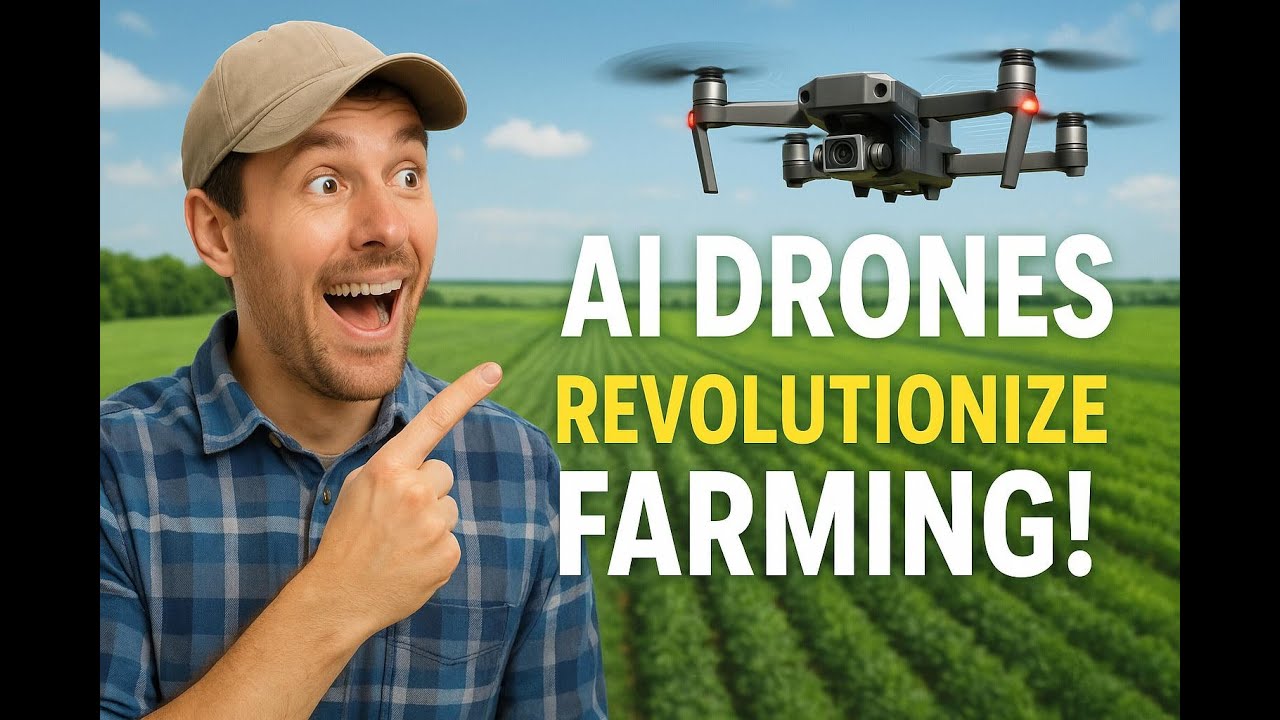
Venture capital in agri-tech is sharply focused on startups integrating LLMs and AI-powered predictive analytics, as global food security and sustainability goals steer investment in 2025 and beyond.
Farmonaut Subscription Plans for Satellite and AI Insights
Empowering Researchers and Policymakers with Agricultural Intelligence
LLMs not only support individualized farm management but are also vital allies for researchers and policymakers. Their capabilities accelerate the literature review process, spotlight emerging trends (like crop genetics, climate adaptation, or pest resistance), and consolidate disparate scientific findings.
- 🔬 Agricultural Research: Use LLMs to analyze scientific archives for actionable insights on sustainability and innovation.
- 📑 Policy Support: Interpret regulatory texts, trade data, and environmental impact reports—enabling formulation of evidence-based policies that promote food security and sustainable development.
Explore Carbon Footprinting for transparent monitoring of field-level environmental impact and optimization strategies.
Modern LLMs can rapidly summarize thousands of research papers or regulatory changes in custom reports, saving months of human effort for agricultural policy teams and R&D departments.

IoT, Satellite Data and Continuous Agricultural Optimization
The integration of LLMs with IoT sensors and satellite imagery produces a dynamic ecosystem where real-time data fuels ongoing learning and adaptation. Examples include:
- 🛰 Satellite and Sensor Feedback: Soil moisture and temperature readings are instantly analyzed by LLMs to propose precise irrigation adjustments—boosting water-use efficiency.
- 📡 Remote Monitoring: Farmonaut Web App & API empower operators to get instant, field-specific intelligence from anywhere, at any time. Try the Farmonaut Satellite API for seamless data integration into your customized management platform. See the API Developer Docs for technical details.
- 🚚 Fleet Optimization: Modern AI can organize vehicle and machinery schedules for peak efficiency and minimal downtime. Farmonaut Fleet Management can reduce logistics costs and increase resource safety.
- 🤖 AI-Based Advisory: Receive best-practice recommendations around planting, irrigation, and harvesting dynamically.
- 🛰 Satellite Imagery Analysis: Quickly detect emerging nutrient deficiencies or crop stress, enabling timely interventions.
- 🔗 Blockchain Traceability: Secure product authenticity and transparency from field to table. Discover Farmonaut Product Traceability solutions.
- 🚜 Large-Scale Management: Streamline operations of extensive farms with real-time satellite insights. Farmonaut Agro Admin App is designed for enterprise precision agriculture.
“AI-powered data analysis in agriculture is projected to improve food security for up to 2 billion people globally by 2025.”
Farmonaut: Advancing Agricultural Intelligence with LLMs & Satellite Technology
At Farmonaut, our commitment is to democratize satellite-driven insights and integrate advanced AI into agriculture and beyond. Leveraging satellite imagery, AI-powered advisory, blockchain, and machine learning, our solutions empower farmers, businesses, and governments to thrive in a data-driven world.
Our platform delivers:
- 🌱 Real-time Crop Monitoring via multispectral satellite images and advanced AI-based analytics
- 🔗 Blockchain-based Traceability for transparent, tamper-proof supply chains
- 📊 Environmental Impact Monitoring for sustainable, compliant operations
- 🚚 Fleet & Resource Management to optimize operational logistics and equipment usage
- 💸 Satellite-Based Crop Loan & Insurance Verification enabling safer, faster access to finance for farmers and agri-businesses
- 🌳 Crop, Plantation & Forest Advisory tools for maximized ecological resilience and productivity
Our business model is subscription-based, with flexible packages accessible via web, Android, iOS or API. APIs allow seamless integration into your existing workflows, supporting scalable, customizable insights for every stakeholder.

- ✔️ Comprehensive intelligence for crop management and early warning systems
- 📊 AI-powered predictive analytics boost farm yield and resilience against weather shocks
- 🚀 Scalable & accessible technology on web/mobile platforms for every user
- ⚖️ Traceability and environmental compliance through advanced digital tracking and blockchain
- 📱 API-first approach enables seamless integration with custom third-party platforms
Impact of Large Language Models (LLMs) in Agriculture: Before vs. After Implementation
| Aspect | Before LLMs | After LLMs | Estimated Efficiency Gain (%) |
|---|---|---|---|
| Crop Monitoring | Manual scouting, periodic field inspections, late detection of issues | AI-driven, real-time insights from satellite data and IoT sensors, early warnings for stress/disease | +55% |
| Pest Prediction | Reactive interventions post-outbreak, slow cross-region knowledge sharing | LLMs synthesize pest data, weather, history for predictive alerts, sharing across regions | +60% |
| Yield Forecasting | Historical averages, low accuracy in abnormal years | LLMs use contextual weather, soil, economic data for precise multi-factor forecasting | +50% |
| Sustainability | General best practices, limited resource tracking, reactive compliance | Continuous tracking, AI-optimized inputs, proactive compliance, verifiable carbon reduction | +70% |
| Decision Support | Rely on expert/extension worker presence, limited to working hours | 24/7 digital advisory in local language, accessible to all via apps and APIs | +65% |
| Resource Allocation | Fragmented or ad-hoc input applications, risk of overuse or deficit | LLMs integrate field data, recommend optimal, site-specific interventions | +55% |
The transition from manual, experience-driven farm management to data-centric, LLM-powered agriculture unlocks both higher efficiency and unprecedented resilience against environmental and market risks.

Opportunities, Challenges, and the Path Forward in Enhancing Agricultural Intelligence with Large Language Models
As the adoption of LLMs becomes the standard in 2025 and the years beyond, the opportunities are vast:
- ✔️ Accelerated R&D: Faster literature review, quicker hypothesis testing, rapid knowledge transfer for agri-research.
- 🌎 Improved Global Food Security: Early risk detection and data-driven recommendations benefit developing and developed regions alike.
- ⚖️ Enhanced Compliance: Automated monitoring ensures alignment with rapidly evolving environmental regulations and sustainability standards.
- 🛡 Risk Mitigation: Real-time analysis helps cushion farms against financial, climatic, and supply chain shocks.
- 🎯 Precision in Interventions: Field-level granularity means interventions are always contextually optimized for real-world results.
Yet, challenges must be proactively addressed:
- ⚠️ Data Privacy: Centralizing sensitive farm, financial, and regional data introduces security questions. Robust data governance is essential.
- ⚠️ Digital Divide: Ensuring all users—especially smallholders—can access advanced tech irrespective of regional infrastructure.
- ⚠️ Localization: LLMs must interpret not only main languages but also dialects and colloquial agricultural terminology for global inclusivity.
- ⚠️ Validation: Custom models and input from local experts/agronomists are crucial for ensuring the accuracy of AI-generated advice.
Investment in platforms that bridge the digital divide—such as mobile-first LLM-powered advisory apps—offers both social and financial ROI in emerging markets.
2026 and Beyond: The Next Chapter in Enhancing Agricultural Intelligence with LLMs
Looking ahead, the era of enhancing agricultural intelligence with large language models is set to deepen its impact:
- 🌐 Dynamic, Multimodal Insights: Models will integrate language, vision (satellite/drones), and sensor streams for even richer advisory capabilities.
- 🤝 Human-AI Collaboration: LLMs will support but never fully replace experts—technology will amplify agronomists’ and extension workers’ abilities, not substitute them.
- 🌡 Climate Resilience: Real-time climate adaptation guidance will empower all stakeholders to weather unforeseen environmental challenges.
- ⏩ End-to-End Integration: Seamless supply chain traceability, resource management, and farm-to-market optimization are on the horizon.
- 🛠 Continuous Model Evolution: Open-source and custom-trained regional LLMs will drive hyper-local solutions for unique ecosystems and languages.
2026 and beyond will see LLM-driven agricultural intelligence addressing water scarcity, soil degradation, and biodiversity loss at a systemic, scalable level—making agriculture both profitable and sustainable.
Frequently Asked Questions
- Q1: What is a large language model (LLM) in agriculture?
- A large language model is an advanced AI tool trained on extensive agricultural datasets (scientific papers, farm records, climate data) to understand, interpret, and generate insights for farm management, pest response, and resource planning. LLMs provide advice, forecasts, and support via natural language to diverse users.
- Q2: How does enhancing agricultural intelligence with large language models help with food security?
- By enabling data-driven decisions, early pest detection, precise yield forecasts, and optimized resource allocation, LLMs minimize waste, increase yield, and make food production more resilient to unpredictable weather and market shifts—supporting the global push for food security.
- Q3: Can smallholder farmers use LLM-powered tools if they have limited digital literacy?
- Yes, the latest LLM-advisory systems deliver simple, localized language or audio responses accessible from basic smartphones, empowering even those with minimal digital skills to benefit from AI-driven agriculture.
- Q4: Is Farmonaut an online marketplace or equipment retailer?
- No. Farmonaut is a satellite technology company providing advanced AI, satellite imagery, blockchain traceability, and resource management tools for agriculture, mining, infrastructure, and defense—not a marketplace or product manufacturer.
- Q5: How can businesses integrate satellite and AI data from Farmonaut?
- Businesses can access real-time insights via Farmonaut’s web platform, mobile apps, or directly through our Satellite API for custom integration. Developer docs are available for seamless deployment.
Conclusion: A New Era of Agricultural Intelligence
As we stand in 2025 and look toward 2026 and beyond, the role of large language models in enhancing agricultural intelligence is not a fleeting trend but an enduring transformation. With their unmatched capacity to interpret complex agricultural data, deliver tailored advice, and optimize crop management, llms are the linchpin of modern, sustainable agriculture.
By bridging the gap between high-tech AI and on-the-ground farming—supported by real-time satellite insights from Farmonaut and other pioneers—stakeholders across the spectrum are empowered to ensure food security, advance sustainability, and build resilience in agriculture for a rapidly changing world.
Those who embrace this new wave of agricultural intelligence will be the stewards of not just profitable farms, but of a food system capable of thriving amid climate volatility and growing global demand. The future of farming is here—and it speaks every language, on every device, for every field.
Ready to revolutionize your agricultural operations? Try Farmonaut’s advanced AI and satellite-powered insights today on web, Android, iOS, or via API.

 Agro La Gándara
 Global Agrifood
 Cazlv
Cazlv HIPSAC
 ZOL Zimbabwe
 Juligerm
 AdBio
AdBio MISE Maroc
 NWNS
NWNS Red August Group
 Farm Inc
 WeMe Global
 Agrotoken
 Blue BearX
 Insignito
 Croptimum
 DnCubed
 Field Capacity
 Indosistim Teknologi
