

Sustainable Agricultural Land Management: 7 Key Strategies
Summary: Sustainable Agricultural Land Management for 2025 & Beyond
As we approach 2025, sustainable agricultural land management stands as a critical imperative for feeding a rapidly rising global population, combating climate change, and securing the long-term health and productivity of our lands. With the global food demand soaring and environmental challenges accelerating, incorporating advanced technologies, ecological principles, and inclusive policies is more essential than ever. This comprehensive guide explores the seven key strategies—rooted in soil, water conservation, biodiversity preservation, and technological innovation—that can optimize agricultural productivity and enhance resilience for this decade and beyond.
Read on to learn how a strategic blend of sustainability, data-driven solutions, and environmental stewardship can help us thrive in a resource-constrained, climate-challenged world—while unlocking economic and social stability for all.



Understanding Agricultural Land Management
Agricultural land management refers to the suite of practices, policies, and technologies used to utilize land efficiently and sustainably for crop production, livestock grazing, and related activities. This encompasses soil fertility maintenance, water resource management, erosion control, crop rotation, and the preservation of biodiversity.
The ultimate goal in sustainable agricultural land management is to balance the immediate needs for high yield and farm profitability with the preservation of soil, water, and natural resources—ensuring that land remains productive and environmentally resilient for current and future generations.
Challenges in Agricultural Land Management for 2025
The complexity of managing agricultural lands today stems from several interlinked environmental, economic, and social challenges:
- Soil Degradation: Intensive farming practices often lead to soil erosion, nutrient depletion, and the loss of organic matter. This reduces soil fertility, resulting in lower yield and diminished potential of the land.
- Water Scarcity: Agriculture accounts for about 70% of global freshwater withdrawals, according to Our World in Data (FAO AQUASTAT data). Yet, mismanagement and inefficient irrigation techniques threaten this critical, dwindling resource.
- Climate Change: Rising temperature and erratic precipitation patterns disrupt crop cycles and increase the vulnerability of agriculture to pests and plant diseases.
- Land Fragmentation and Urban Expansion: Population pressure and urban expansion have resulted in increasingly fragmented agricultural parcels—complicating efficient land use and resource management.
- Biodiversity Loss: Excessive monocropping, agrochemical overuse, and simplified farming systems threaten the diversity of flora and fauna vital for ecosystem services and long-term land health.
Principles of Sustainable Agricultural Land Management
- Soil Health Protection: Sustainable soil management includes conservation tillage, cover cropping, organic amendments, and diverse crop rotations to boost fertility and maintain structure.
- Water Efficiency: Drip irrigation, rainwater harvesting, and integrated water strategies are essential for conservation and efficient resource use.
- Agroecological Approaches: Combining traditional knowledge and ecological principles to promote biodiversity, natural pest control, and resilient cropping systems.
- Land Use Planning: Utilizing GIS and remote sensing for precise mapping, identifying risk zones, and guiding land zoning for maximum productivity.
- Community Engagement: Encouraging equitable access and farmer participation, as well as capacity building and knowledge sharing.

What sustainable land management means: the FAO definition and four principles
The FAO uses the UN definition of sustainable land management (SLM): the use and management of land resources (soil, water, animals and plants) to produce goods for changing human needs, while keeping the long-term productive potential of those resources and their environmental functions. WOCAT, the global network that documents SLM practices, uses almost the same wording.
FAO sets out four principles behind SLM:
- Policy and institutional support. Incentives that make adoption and income generation possible at local level.
- Participation. Land users take part in the decisions that affect their land.
- Integrated use of resources. Soil, water, crops, livestock and trees are managed together, at farm and ecosystem scale.
- Collaboration across levels. Land users, technical experts and policymakers work together across sectors.
FAO’s practical focus areas include preventing soil erosion and degradation, adapting farming to climate variability, conservation agriculture and agroforestry. The stakes are large. In January 2022 FAO reported that about a third of the world’s soils are already degraded, and that experts estimate soil erosion could cut crop production by 10 percent by 2050.
The seven farm strategies below are the field-level tools. The four principles decide whether they are adopted and kept up.
Innovations & Technologies Shaping Agricultural Land Management in 2025
2025 is marked by the accelerating integration of advanced technologies into agricultural land management, empowering farmers, businesses, and policymakers to overcome traditional barriers and optimize sustainability and productivity:
-
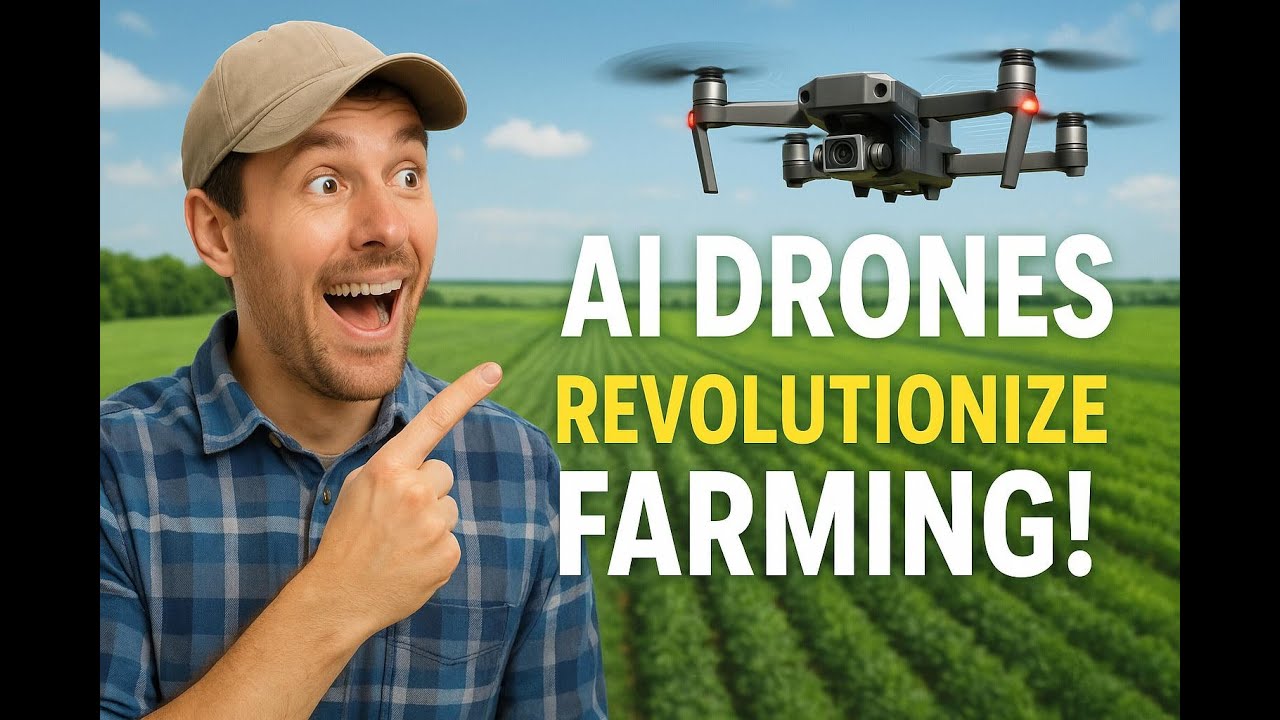
Precision Agriculture: Technologies like drones, satellite imagery, and IoT sensors enable targeted monitoring of soil moisture, nutrient levels, and pest outbreaks for evidence-based management.
-
Soil Carbon Sequestration & Regenerative Systems: Techniques such as agroforestry and conservation agriculture help absorb atmospheric carbon, enhancing soil fertility and benefiting the climate and ecosystems.
-
Digital Platforms & Real-Time Data Analytics: Farmers and land managers can leverage API-based analytics platforms like Farmonaut to receive actionable data on field conditions and optimal decision points.
For developers seeking to integrate such insights, Farmonaut’s API developer documentation is publicly available. - Environmental Impact Tracking: Technological solutions, including carbon footprint monitoring, support compliance with regulations, conservation policies, and sustainable resource use.
- Blockchain Traceability: Blockchain technology allows secure, tamper-proof records of resource use and product provenance, increasing trust and transparency in the entire agricultural supply chain. Explore traceability solutions here.

7 Key Strategies for Sustainable Agricultural Land Management
Building a resilient, sustainable agricultural future depends on integrating these seven critical strategies—all of which target resource conservation, productivity optimization, and the long-term
health of farming systems:
-
1. Crop Rotation
Crop rotation involves systematically rotating different crops each season to break pest, disease, and weed cycles. This
promotes soil fertility, reduces dependency on synthetic fertilizers and pesticides, and improves yield stability. Integrating legumes and cover crops additionally boosts soil organic matter and nitrogen fixation, supporting long-term ecosystem health.
-
2. Conservation Tillage
Conservation tillage, such as minimum or zero-tillage, minimizes soil disturbance. It helps stabilize soil structure, lowers erosion, conserves organic matter, and reduces greenhouse gas emissions in agricultural production. This practice also improves water infiltration—critical in drought-prone regions.
-
3. Cover Cropping
Planting cover crops between cash crop cycles protects soil from erosion, enhances biodiversity, sequesters carbon, and boosts nutrient cycling. Legumes, clovers, and grasses are common choices, tailored to local environments and farm requirements.
-
4. Efficient Irrigation
Deploying efficient irrigation systems—like drip, subsurface, or precision sprinklers—minimizes water waste and supports sustainable resource use. Combined with large-scale farm management solutions and real-time analytics, farmers can further optimize irrigation schedules and ensure water availability for future generations.

-
5. Integrated Pest Management (IPM)
Integrated Pest Management (IPM) combines biological, cultural, mechanical, and chemical methods to sustainably control pest populations while minimizing environmental impact. Using remote sensing and AI-driven systems (see Farmonaut Jeevn AI Advisory), farmers can detect outbreaks early and act precisely, reducing pesticide reliance and supporting beneficial organisms.

-
6. Agroforestry
Agroforestry integrates trees, shrubs, and perennial plants with crops and livestock on the same land. This forest land management model increases carbon sequestration, stabilizes soil, reduces wind erosion, improves biodiversity, and diversifies farm income sources—all while enhancing the landscape’s resilience to climate shocks.

-
7. Biodiversity Enhancement
Biodiversity enhancement strategies—such as maintaining hedgerows, field margins, and mixed cropping—support beneficial flora and fauna, pollinators, and natural enemies of pests. These practices increase ecosystem services, secure yields, and create a more stable food production system adapted to change.
Strategy Comparison Table: Sustainable Agricultural Land Management
Policy and Institutional Support: Enabling Effective Land Management in Agriculture
Governments and institutions shape the future of agricultural land management with supportive policies that:
- Provide subsidies and incentives for adopting sustainability-focused practices.
- Promote inclusive policies for land tenure security and equitable access to resources.
- Invest in research, extension services, and farmer education.
- Encourage the integration of advanced technologies—from satellite monitoring to digital traceability—for evidence-based oversight.
- Establish transboundary frameworks to tackle land degradation, water scarcity, and biodiversity threats at scale.
Financing accessibility also improves through satellite-based verification solutions—offered by Farmonaut via crop loan and insurance support—streamlining processes and reducing risks for farmers and financial institutions alike.
Farmonaut: Empowering Sustainable Land Management with Satellite Technology
In 2025 and beyond, satellite-driven intelligence is increasingly indispensable for effective agricultural land management. At Farmonaut, we provide advanced, accessible, and affordable satellite-based solutions to:
- Monitor crop health, soil conditions, and moisture trends using multispectral imagery, supporting timely, data-driven land management.
- Leverage our Jeevn AI Advisory System for real-time weather and resource optimization strategies that increase productivity, resilience, and sustainability.
- Empower large landowners and agricultural businesses through scalable farm management platforms for multi-field and multi-user oversight.
- Track carbon emissions and adoption of climate-smart practices via our carbon footprint monitoring solutions, aligning with sustainability benchmarks.
- Enable end-to-end blockchain traceability for crops, boosting transparency and trust in agricultural markets.
- Support fleet management for agricultural and resource-intensive sectors. Optimize logistics with Farmonaut’s fleet tools to reduce costs, improve safety, and enhance efficiency across land assets.
Our web, mobile, and API solutions are accessible globally—helping users manage their land resources efficiently and sustainably.
Explore our platform or integrate our API with your systems for real-time field insights and decision support.
Ready to put satellite intelligence to work for your farm, business, or institution? Access Farmonaut via web, Android, or iOS today.
FAQ: Sustainable Agricultural Land Management
What is agricultural land management?
Agricultural land management refers to practices and policies employed to ensure efficient and sustainable use of land for crop production, livestock grazing, and related activities—focusing on long-term soil health, water conservation, biodiversity, and optimal yield.
Why is sustainable agricultural land management critical in 2025?
With a rising global population, accelerating climate change, and increased resource scarcity, sustainability in agriculture is paramount for food security, economic stability, and ecosystem conservation. Sustainable agricultural land management ensures continued productivity without degrading natural capital.
What are examples of sustainable land management in agriculture?
Examples include crop rotation, conservation tillage, cover cropping, efficient irrigation, integrated pest management, agroforestry, and strategies for enhancing biodiversity in and around farmlands.
How does technology (such as Farmonaut) support sustainable agricultural land management?
Technologies like satellite monitoring, real-time analytics, blockchain traceability, and AI-driven advisory systems help optimize resource use, improve management efficiency, and guide informed decision-making. These tools support crop health, reduce losses, and promote environmental sustainability.
What is the role of policy in sustainable agriculture land management?
Policies provide incentives for sustainable practices, secure land tenure, fund research and extension, and foster international collaboration—key drivers in widespread adoption of effective land management approaches.
Conclusion: Building a Sustainable Agricultural Future in 2025 and Beyond
Sustainable agricultural land management is no longer optional—it’s the foundation for food security, economic stability, and environmental conservation as we move into 2025 and beyond. By strategically integrating advanced technologies (like real-time satellite intelligence and AI-driven platforms), science-based practices, and enabling policies, we can meet global agricultural needs without exhausting our natural resources or jeopardizing the planet’s ecological balance.
The seven key strategies covered—crop rotation, conservation tillage, cover cropping, efficient irrigation, integrated pest management, agroforestry, and biodiversity enhancement—are proven approaches to optimize productivity, enhance resource efficiency, fight climate change, and foster long-term land resilience.
As the world’s agricultural challenges grow more complex and interconnected, our solutions must become more data-driven, inclusive, and environmentally intelligent. With tools like those provided by Farmonaut, the path to a more resilient agricultural future is clearer and more accessible than ever.
Let’s advance sustainable agricultural land management—together, for today and generations to come.

 Rallis India
 Wild Oak Farm
 SFX
SFX BACF Africa
 Doodlakine
 Exurbia Geospatial
 FieldZero
 Indico Company
 Kubota
 FFBS
FFBS Jontra
 Tucor
Tucor
