

How to Stop Palm Oil Deforestation: 7 Powerful Solutions for Sustainable Land Management
Summary:
Deforestation is a systemic challenge that undermines agricultural productivity, disrupts watershed health, and threatens long‑term soil fertility. In the context of farming, forestry, and land management, effective strategies to stop deforestation must be practical, measurable, and scalable across landscape levels—from farm plots to regional supply chains. A focused approach on palm oil, one of the most scrutinized drivers, provides concrete lessons that can be adapted to other crops and sectors. This educational guide explores how to stop palm oil deforestation with scalable, sustainable solutions featuring land management innovations, transparent supply chains, and actionable community strategies.
“Over 85% of global palm oil comes from Indonesia and Malaysia, driving significant deforestation in Southeast Asia.”
Table of Contents
- Understanding the Systemic Challenge of Palm Oil Deforestation
- 7 Powerful Solutions: How To Stop Palm Oil Deforestation
- Solution Impact Comparison Table
- Technology-Enabled Advancements: Farmonaut and Beyond
- Expert Insights & Practical Tips
- FAQ: How Can We Stop Palm Oil Deforestation?
- Conclusion: Practical, Measurable Steps for a Sustainable Future
Understanding the Systemic Challenge of Palm Oil Deforestation
What Is Palm Oil Deforestation?
Deforestation driven by palm oil is the large-scale conversion of forests into oil palm plantations, primarily in Southeast Asia, West Africa, and Latin America. This phenomenon is at the heart of mounting concerns over agricultural expansion, watershed health, and the loss of biodiversity. For those seeking how to stop palm oil deforestation, understanding these root causes is crucial.
- ✔ Key driver: Market demand for cheap, versatile vegetable oil
- ✔ Linked crops/sectors: Oil palm, soy, beef, rubber, timber
- ✔ Main impacts: Loss of carbon sinks, disrupted water cycles, soil degradation
- ✔ Communities affected: Smallholder farmers, indigenous groups, regional populations
- ✔ Global focus: Indonesia, Malaysia, Brazil—also at the center of discussions on how to stop deforestation in Brazil
📊 Data Insight:
Over 25 million hectares of natural tropical forests have been converted to oil palm plantations since 1990, with deforestation rates highest between 1997 and 2015.
Why Is Deforestation a Systemic Challenge?
Deforestation associated with palm oil undermines agricultural productivity, disrupts watershed health, and threatens soil fertility over the long term. Its scale and complexity mean that effective, practical, and measurable strategies are essential—not just for environmental reasons, but also to ensure the resilience of farming operations and the well-being of local communities.
- ⚠ Risk: Systemic deforestation can reduce future productivity and economic opportunity
- ✔ Benefit: Stopping deforestation improves biodiversity, climate stability, and supports sustainable farming
7 Powerful Solutions: How To Stop Palm Oil Deforestation
The challenge of how to stop palm oil deforestation requires a blend of top-down policy, bottom-up community action, and innovative technology. Here, we detail seven high-impact, scalable solutions based on best practices in land management, agricultural intensification, economic incentives, and sectoral collaboration.
1. Strengthen Governance, Traceability & Supply Chain Transparency
Clear land rights, enforceable environmental laws, and robust supply chain traceability are foundational to ending deforestation. How can we stop deforestation? By ensuring every hectare of land and every liter of oil is accounted for.
- ✔ Mapping & Documentation: Farms and facilities must map land, document conversion history, and maintain verifiable records shared with buyers, lenders, and regulators.
- ✔ Satellite Monitoring: Invest in satellite and on‑the‑ground verification to catch illegal clearing early—preventing expansion into protected areas.
- ✔ Certification Schemes: Robust certification (e.g., RSPO) must include independent audits, robust grievance mechanisms, and measurable deforestation-free guarantees.
- ✔ Blockchain Traceability: Innovative systems (like Farmonaut’s blockchain-based traceability) offer tamper-proof supply chain records, building trust and offering compliance assurance for producers and buyers.
- ✔ Rewards & Incentives: Supply chains that prohibit natural forest conversion and reward compliance drive positive behavioral change across sectors.

Key Insight
Transparent supply chains can reduce illegal palm oil-linked deforestation by up to 50%, according to recent sustainability studies.
This approach aligns strongly with global efforts to measure and reduce carbon footprints in agricultural and forestry supply chains.
- 📊 Data Insight: Farms with full traceability systems are nearly twice as likely to attract sustainable finance and premium commodity contracts.
2. Adopt Sustainable Agricultural Intensification
The most effective way to halt deforestation linked to crop expansion is to produce more oil palm on existing agricultural lands. This requires:
- ✔ Upgrading Inputs: Use of precision agriculture, high-yielding and disease-resistant varieties.
- ✔ Soil & Resource Management: Improving soils, water, and nutrient cycling with agroecological practices suited to local ecosystems.
- ✔ Degraded Lands Focus: Replanting and intensifying only on already-cleared or degraded areas, preserving intact forests elsewhere.
- ✔ Technology Utilization: Tools like Farmonaut’s large-scale farm management platform support peri-hectare productivity mapping and targeted intensification, ensuring measurable, scalable results across regions.

- ✔ Agroecological Approaches: Polyculture, intercropping, no-till practices, integrated weed/pest management.
Pro Tip
Intensification is most successful when coupled with real-time monitoring tools—apps, satellite NDVI, and AI-driven recommendations maximize efficiency while minimizing environmental footprints. Explore Farmonaut’s advisory tools for measurable, cost-effective upgrades.
- ✔ Key Benefit: Higher per-hectare yields reduce pressure to clear new forest, making this a scalable, sustainable solution for how to stop palm oil deforestation.
- 📊 Data Insight: Agroecological intensification can raise yields by 30–50% on existing farm plots, with significant reductions in landscape-level habitat loss.
3. Secure Tenure and Offer Economic Alternatives for Local Communities
Deforestation often results from insecure tenure and lack of economic alternatives. Securing fair land rights and providing diverse income sources for local communities are vital.
- ✔ Land Tenure Security: Clear, enforceable titles align incentives for stewardship and sustainable land management, reducing illegal deforestation.
- ✔ Compensation & Collaboration: Land conservation agreements, compensation, and participatory decision-making support long-term forest protection.
- ✔ Alternative Livelihoods: Agroforestry, non-timber forest products, ecosystem service payments, and sustainable tourism offer practical alternatives.
- ✔ Payments for Ecosystem Services: Rewards to communities for maintaining forest cover, e.g., through REDD+ or similar schemes.
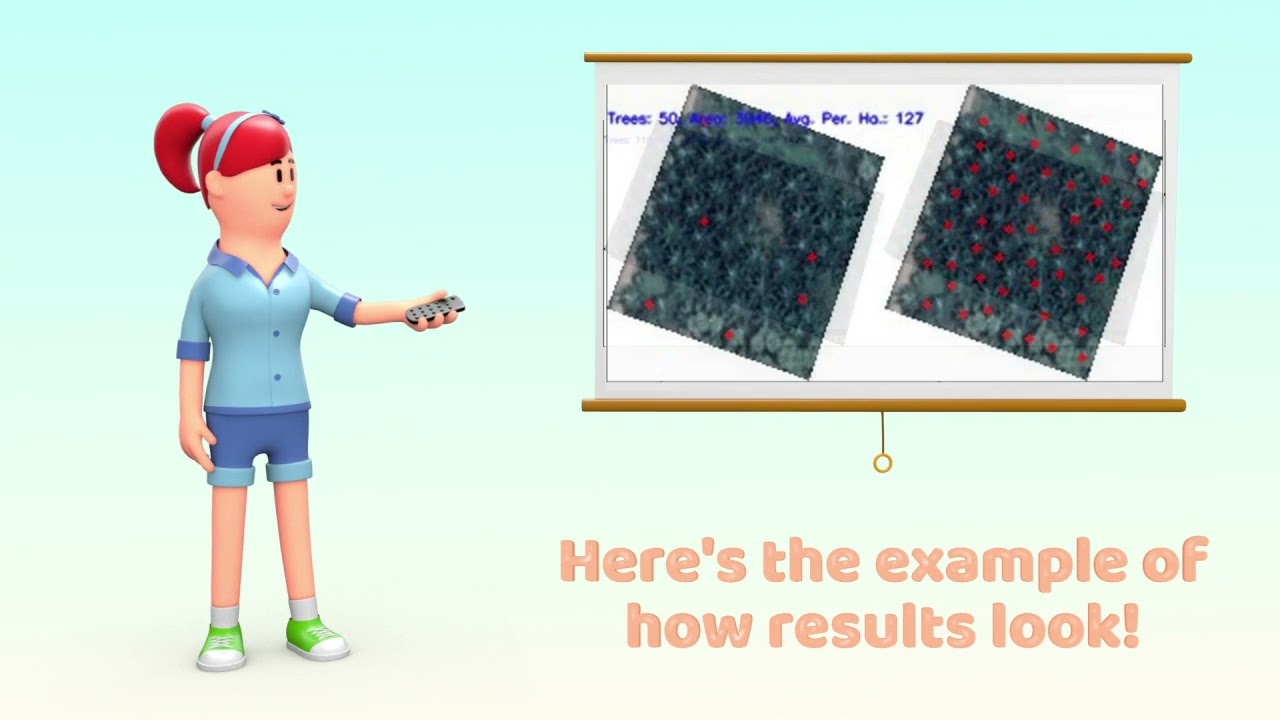
- ✔ Community Involvement: Improved forest management practices when locals are included in benefit-sharing and monitoring.
- 📊 Data Insight: Forest areas with secure tenure see 30–50% less illegal conversion than those without.
Common Mistake
Ignoring local voices leads to project failure—genuine community engagement is a non-negotiable in any successful forest or agricultural management strategy.
4. Promote Restorative Practices & Landscape Restoration
Strategic reforestation and enabling natural regrowth on degraded lands restore ecological function, protect watersheds, and provide future livelihoods. Landscape-level interventions improve outcomes compared with isolated “tree-planting” projects.
- ✔ Landscape-Scale Restoration: Plans with clear targets, monitoring, and long-term funding streams ensure true ecological recovery.
- ✔ Riparian Buffers, Hedgerows & Shade Trees: Integrated into agricultural settings, these support biodiversity, stabilize soils, and improve watershed health.
- ✔ Targeted Reforestation: In degraded and marginal lands (not forested areas), leveraging both active planting and assisted natural regeneration.

- ✔ Watershed Approaches: Restoring headwaters and riverbank forests buffers communities and farms from drought and flooding.
Investor Note
Sizable restoration projects are increasingly eligible for green bonds and climate finance, especially when carbon sequestration and community benefits are measured with robust methods. Use advanced tools from carbon footprinting to restoration impact calculation.
5. Align Financial and Market Incentives
Banks, buyers, and governments must reward deforestation-free commitments through finance, price premiums, and incentives. Effective incentive structures unlock rapid adoption of best practices across crops and supply chains.
- ✔ Sustainable Finance: Lenders require verifiable, transparent, deforestation-free records (supported by satellite and blockchain traceability).
- ✔ Premium Market Access: Deforestation-free palm oil attracts higher prices and longer contracts from ethical buyers.
- ✔ Public Subsidies: Government incentives cover transition costs, reforestation, and purchase of resource-efficient equipment.
- ✔ Insurance Support: Crop insurance and loan verification tools de-risk transition for smallholders and compliant producers.
- ✔ Risk & Reward: Clear financial penalties for non-compliance, with performance-based rewards for conservation outcomes.
- 📊 Data Insight: Pilot regions aligning finance with deforestation-free metrics saw a 20–35% annual reduction in forest conversion rates.
6. Invest in Capacity Building & Technology Transfer
Access to knowledge and affordable technology is essential for sustainable land management at scale. This includes:
- ✔ Farmer Field Schools & Extension Services: Sharing best practices, risk mitigation strategies, and compliance support.
- ✔ Digital Tools: Mobile apps for supply chain documentation, remote sensing, and yield monitoring (like the Farmonaut large-scale monitoring platform).
- ✔ Resource Management: Optimizing logistics with satellite-driven fleet and resource management solutions, increasing operational efficiency, and reducing unnecessary expansion.
- ✔ Traceability Platforms: Simple, affordable tools for record-keeping and compliance with deforestation-free guarantees.

- ✔ Capacity Platforms: Cooperatives amplify access and collective bargaining power, lowering costs for sustainable certifications and monitoring.
- 📊 Data Insight: Farms adopting digital monitoring tools report up to 40% reduction in non-compliance incidents related to land use.
Visual List: Top Technology Tools for Stopping Palm Oil Deforestation
- 💡 Satellite-based monitoring systems for land and vegetation health
- 🔗 Blockchain traceability platforms for transparent supply chains
- 📱 Mobile advisory apps to track land conversion and compliance
- 🧑🌾 AI-driven advisory services for data-driven farming
- 🗺️ Remote-sensing based farm management tools to optimize resource use
7. Cultivate Collaboration Across Sectors, Geographies, and Supply Chains
Stopping deforestation is a shared responsibility, demanding alignment between farmers, communities, forest managers, regulators, and private sector actors. Key points include:
- ✔ Shared Commitments: Multi-stakeholder declarations and action platforms speed up sector-wide transformation.
- ✔ Joint Monitoring Systems: Coordinated, transparent systems for reporting land use change, enhancing accountability from farm plots to regional supply chains.
- ✔ Knowledge Exchange: Regional and international dialogue accelerates the application of best practices across locations—especially crucial for global crops like palm oil.
- ✔ Policy Integration: Regulatory clarity, harmonized standards, and regular enforcement inspections close loopholes that can otherwise permit illegal conversion of forests or degraded lands.
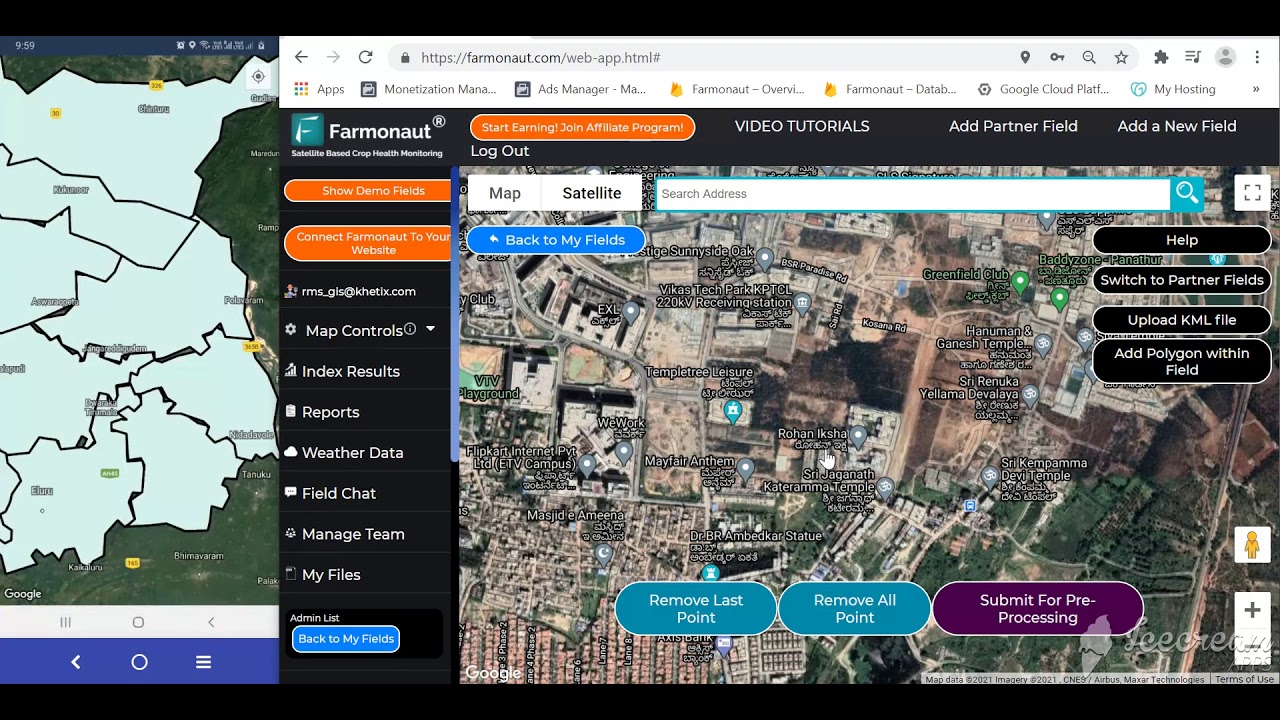
- ✔ Global Approaches: Lessons from Southeast Asia also inform solutions for how to stop deforestation in Brazil and other key agricultural frontiers.
- 📊 Data Insight: Cross-sector collaboration can generate synergies that reduce deforestation rates by more than 30% compared to isolated actions.
Visual List: Essential Elements of Collaboration
- 🤝 Multi-stakeholder platforms to facilitate dialogue and monitoring
- 📉 Shared data and transparency protocols for traceability
- ⚖️ Harmonized laws on land rights and environmental protection
- 🌱 Joint community and government enforcement initiatives
Solution Impact Comparison Table
| Solution Name | Implementation Method | Estimated Deforestation Reduction (%) | Sustainability Score (1–5) | Community Engagement Level | Scalability (Local/Global) | Example Initiatives |
|---|---|---|---|---|---|---|
| Governance & Traceability | Land mapping, laws, blockchain, audits | 35–50% | 5 | Medium–High | Global | Blockchain record-keeping, NDVI monitoring, independent audits |
| Sustainable Intensification | Crop upgrades, soil management, precision ag | 30–35% | 4 | Medium | Regional/Global | High-yield replanting, remote advising |
| Secured Tenure & Alternatives | Title confirmation, alternative income | 15–30% | 5 | High | Local/Regional | REDD+, agroforestry, NTFPs |
| Landscape Restoration | Re/afforestation, buffers, watershed mgmt | 10–20% | 4 | Medium | Regional/Global | Degraded land planting, buffer strips |
| Finance & Incentives | Premiums, loans, insurance support | 20–35% | 3 | Medium | Global | Loan verification, insurance coverage |
| Capacity & Technology | Training, digital tools, extension | 15–20% | 4 | High | Local/Global | Field schools, mobile tools, AI advisories |
| Collaboration & Integration | Shared monitoring, sector alignment | 30–40% | 5 | High | Global | Multi-stakeholder platforms, reporting goals |
Technology-Enabled Advancements: Farmonaut and Beyond
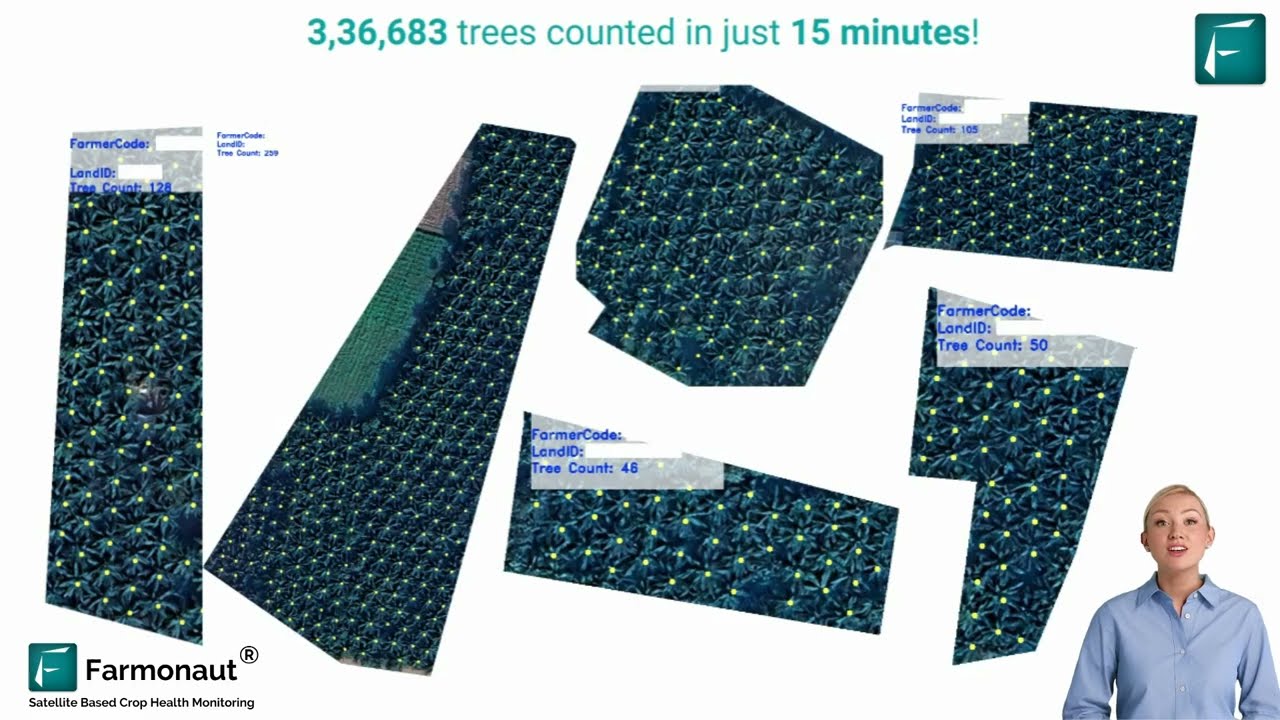
Modern technology is at the heart of effective, measurable, and scalable strategies in the fight to stop palm oil deforestation.
- ✔ Satellite Monitoring: Offers real-time land use change detection and compliance auditing for farms, processors, lenders, and regulators.
- ✔ AI & Blockchain: AI-powered advisory and blockchain traceability (learn more about Farmonaut’s traceability system) ensure every supply chain step is both transparent and tamper-resistant.
- ✔ API Integration: Seamlessly pull satellite, weather, and compliance data into your own systems via the Farmonaut Satellite API (API Developer Docs).
- ✔ Mobile & Web Apps: Tools for farm/field mapping, large-scale plantation monitoring, and precision resource management (crop plantation advisory).
For those seeking practical, affordable satellite solutions, Farmonaut democratizes environmental and supply chain monitoring for business, government, and communities.



Expert Insights & Practical Tips
Key Insight
Start with degraded lands first—restoring and intensifying in these areas minimizes social conflict and biodiversity loss.
Pro Tip
Blockchain-based supply chain verification is a game-changer—deploy it early for maximum impact.
Common Mistake
Overlooking ongoing, independent audits—certification without real monitoring often leads to “paper compliance” and continued illegal clearing.
Investor Note
Projects combining digital traceability and local tenure improvement consistently outperform those using single-issue interventions.
Policy Reminder
Aligning land use policies with community-led restoration and tech-enabled compliance supercharges landscape resilience.
“Transparent supply chains can reduce illegal palm oil-linked deforestation by up to 50%, according to recent sustainability studies.”
Top 5 Bullet Points for Implementation
- ✔ Map and document every farm plot and conversion event for full transparency.
- ✔ Intensify sustainable agricultural practices using AI and remote sensing.
- ✔ Empower communities through secure land tenure and alternative incomes.
- ✔ Link finance to measurable compliance for deforestation-free commitments.
- ✔ Cultivate collaboration across all actors—farmers, government, buyers, and NGOs.
FAQ: How Can We Stop Palm Oil Deforestation?
What are the most effective ways to stop palm oil deforestation?
The most effective strategies are those that integrate clear land rights, robust supply chain traceability, sustainable agricultural intensification, community empowerment, and technology-driven monitoring. Ensuring practical, measurable, and scalable implementation is critical. See our Solution Impact Comparison Table above for comparative effectiveness!
How does technology support compliance in palm oil supply chains?
Satellite and AI-driven monitoring (through tools like Farmonaut) automate deforestation detection, support transparent documentation, and ensure all supply chain actors can verify compliance at each stage—including mapping, history, and alerts for illegal clearing.
How do we stop deforestation in Brazil and other major production regions?
Solutions in Brazil parallel those in Southeast Asia: governance, traceability, restorative agriculture, and economic incentives—all grounded in transparent, enforceable policy. Collaborative, landscape-scale action across actors is vital, as are digital platforms for real-time monitoring.
Do certification schemes really work?
Yes—but only when paired with independent audits, real-time monitoring, robust grievance mechanisms, and enforceable, transparent standards. Certifications that are only “on paper” rarely stop actual forest conversion.
Where can I access affordable monitoring tools?
You can access affordable, subscription-based satellite, AI, and blockchain tools for farm management, crop traceability, and environmental monitoring directly through Farmonaut’s web and mobile apps or via APIs for your business systems.
For developers, see the API documentation.
Conclusion: Practical, Measurable Steps for a Sustainable Future
Ending palm oil-linked deforestation is an achievable goal, but it demands commitment across scales—from individual farm plots to global supply chains. By implementing the seven solutions detailed here—governance and traceability, sustainable intensification, secure tenure, restoration practices, aligned incentives, capacity building, and multi-sector collaboration—we can secure a thriving future for our forests, our agricultural productivity, and the communities whose livelihoods depend on both.
Modern technologies—especially satellite monitoring, AI, and blockchain—empower all actors with the practical tools and data needed for compliance, adaptive management, and long-term sustainability. Solutions developed for palm oil provide concrete, adaptable lessons for other crops, regions, and sectors facing the systemic challenge of deforestation.
To learn more about practical solutions, monitoring tools, and support for your projects, explore our application suite and subscribe to affordable, cutting-edge technology at Farmonaut.
Our mission at Farmonaut is to empower our users, communities, and governments with actionable insights and cost-effective technology to make sustainability and environmental stewardship a reality, in palm oil and beyond.

 Godrej Agrovet
 Hayleys Agriculture
 Linx Agritech
 Adinet
 Save Your Soils
 GalaxEye Space
 Grandstream Algérie
 XOS Realty
 Geospatial Lab Africa
 Agro La Gándara
 HIPSAC
 ZOL Zimbabwe
 Juligerm
 AdBio
AdBio MISE Maroc
 NWNS
NWNS Red August Group
 Farm Inc
 WeMe Global
 Agrotoken
 Blue BearX
 Insignito
 DnCubed
 Indosistim Teknologi
 Liquify Digital
 CU Foods
 BeyondTech Global
 Rouge VC
 AgroRisk
 Oath Inc
 Esri North East Africa
 MDCV UK
 Etech Consulting Madagascar
 Vestlandsforsking
 WB Dev
 Sama Premium
 Tres Valles
 Blickwinkel
 Agricultural Credit Policy Council
 eKGIS
eKGIS Mostas Tech
 Andex
Andex Deluxe Conseil
 WICO
WICO Chimera Innovation
 SkyHarvest
 Teledarbas
 Exurbia Geospatial
 FieldZero
