

Hydroponic Agriculture System: Boosting Yields 2026
“Hydroponic systems use up to 90% less water than traditional agriculture, maximizing efficiency and sustainability.”
Introduction: The Future of Food Systems
As the global population continues to grow and arable land becomes increasingly scarce, our food systems face unprecedented challenges. Traditional agriculture methods are under pressure from climate change, soil degradation, and unpredictable weather patterns which exacerbate food security concerns worldwide.
In response, hydroponic agriculture has emerged as a transformative solution, harnessing innovative soilless cultivation techniques to optimize crop production and directly address sustainability issues. By 2026, the adoption of hydroponic agriculture systems, aeroponic agriculture, and the cultivation of the hydroponic tree are rapidly reshaping the agricultural landscape for a more sustainable, efficient, and resilient future.
This blog will explore the technology & innovation driving this revolution—and show how hydroponic agriculture is revolutionizing farming for a sustainable future in 2026 and beyond.
What is Hydroponic Agriculture?
Hydroponic agriculture refers to the method of growing plants without soil, using nutrient-rich water solutions instead. This advanced form of controlled environment agriculture allows for precise management of nutrients, pH, and moisture levels, driving faster growth rates and higher crop yields than conventional soil-based methods.
- Hydroponic in agriculture: Utilizes soilless environments for plant growth.
- Often reduces water usage by up to 90% compared to traditional farming—a vital innovation as water scarcity increases globally.
- Modern hydroponic agriculture systems are highly adaptable, functioning in urban, indoor, rooftop, greenhouse, and rural settings.
- Aeroponic agriculture, a subset of hydroponic, suspends plant roots in air, delivering nutrient solutions as mist, maximizing oxygenation and resource efficiency.
The rise of hydroponic culture is not just about replacing soil; it’s about optimizing every aspect of plant growth and resource use. These controlled environments allow farmers to precisely manage nutrients, tailor conditions to each crop, and significantly reduce dependency on unpredictable weather patterns.

How Do Hydroponic Agriculture Systems Work?
Hydroponic agriculture systems replace soil with precisely-managed nutrient solutions. They deliver all essential elements—such as nitrogen, phosphorus, potassium, calcium, and trace minerals—directly to a plant’s roots via water. Instead of competing with soil-borne diseases, pests, or unpredictable nutrient availability, plants receive everything they need, exactly when they need it.
Core Components of Hydroponic Systems
- Reservoir: Stores the nutrient solution.
- Pump and Delivery System: Moves nutrient-rich water to plants’ roots.
- Grow Trays/Channels: Hold plants while water flows over/beneath their roots.
- Aeration System: Provides oxygen needed for healthy root growth, often via air stones or diffusers.
- Lighting: Indoor and vertical farms use LED or other grow lights to replace or supplement sunlight.
- Support Structures: Secure plants upright, replacing the support soil provides.
- Climate Control: Temperature, humidity, and CO₂ are managed for optimal growth.
By removing soil as a variable, growers can focus on controlling environmental factors and tailoring conditions specific to each crop—maximizing yield, quality, and resource efficiency.

Types of Hydroponic and Aeroponic Agriculture Systems
There are several key hydroponic agriculture system types in use today, each optimized for specific crops and environments. Understanding these techniques is crucial for choosing the right approach as we move into 2026 and beyond.
1. Nutrient Film Technique (NFT)
NFT systems utilize a thin film of nutrient solution that flows continuously over the roots of plants housed in sloped channels. It’s energy efficient, low-maintenance, and ideal for leafy greens and herbs. Since the roots have direct exposure to oxygen, growth rates are notably high.
2. Deep Water Culture (DWC)
Plants are suspended in air above a deep reservoir of nutrient solution with air stones delivering oxygen to the roots. This approach is straightforward and provides rapid nutrient uptake, resulting in accelerated plant growth, especially popular for lettuce and fast-growing greens.
3. Drip Hydroponic Systems
Drip systems employ dripper lines to deliver a precisely measured flow of nutrient solution directly to the roots of each plant. Suitable for both commercial and small-scale farms, this system is highly adaptable to different crop types.
4. Ebb and Flow (Flood and Drain)
In this traditional hydroponic method, the crop root zone is flooded with nutrient solution at intervals, then drained. This cycles roots between periods of high moisture and aeration, simulating natural wet/dry cycles. It’s ideal for a wide range of crops, including tomatoes and peppers.
5. Wick Systems
Wick systems use passive capillary action to draw nutrient-rich water into the growth medium. While simple and low-tech, they’re best for small indoor gardens and less demanding plants.
6. Aeroponic Agriculture
In aeroponic agriculture, plant roots are suspended in air and regularly misted with a nutrient solution. This maximizes oxygen exposure, greatly enhancing nutrient absorption, plant growth rate, and resource efficiency. Aeroponics is increasingly used for high-value crops, propagation, and research due to its precision and micro-environmental control.
- Aeroponic agriculture refines the hydroponic approach—ideal for vertical, urban, or space-limited environments where maximized yields and water savings are critical.
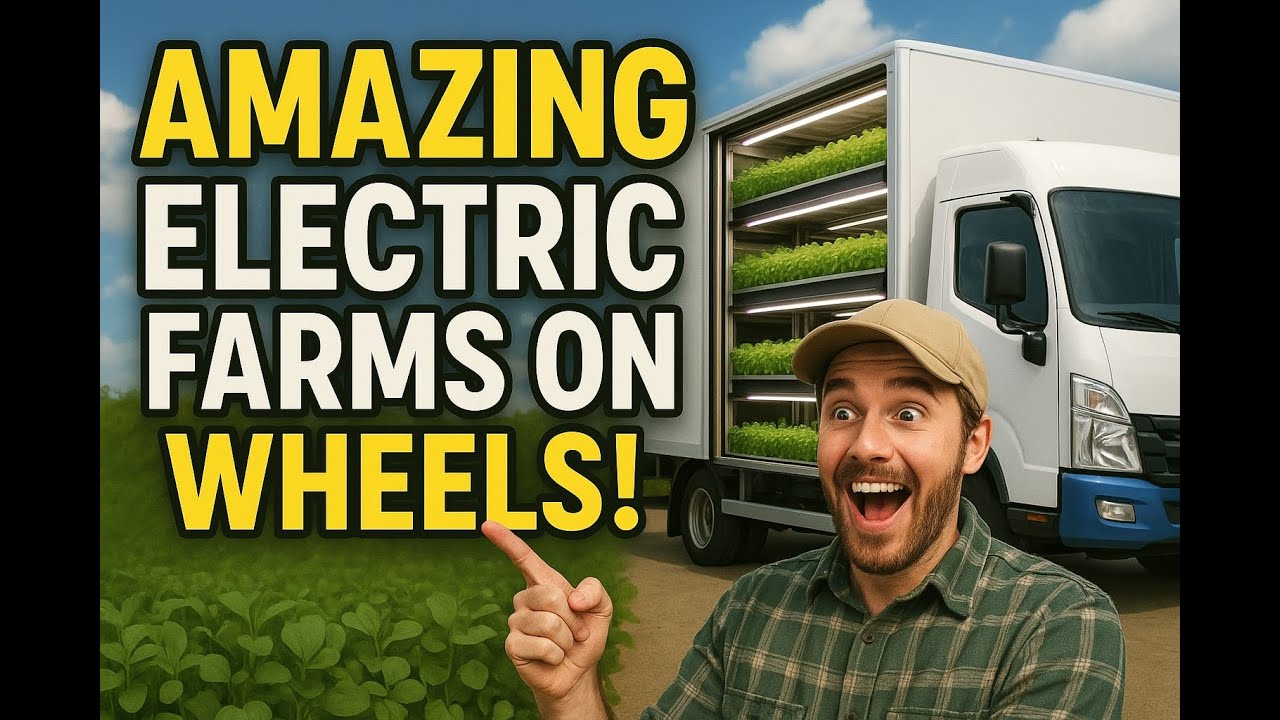
“By 2026, hydroponics is projected to boost crop yields by up to 35% compared to conventional soil farming.”
Hydroponic Trees and Vertical Farming: 2026 Innovations
One of the most exciting developments in hydroponic agriculture by 2026 is the rise of hydroponic trees. Traditionally, growing trees using hydroponic or aeroponic methods posed significant challenges due to size and complex root systems. However, recent innovation now allows fruit-bearing hydroponic trees—such as dwarf varieties of apples, lemons, or avocados—to be successfully cultivated in controlled, soilless environments.
- Hydroponic tree systems minimize soil-borne diseases, reduce fertilizer runoff, and allow tailored nutrient management for higher fruit quality.
- Possibility to grow fruit trees indoors, in urban spaces, or as part of vertical farms—opening access to year-round fruit production even in places where arable land is scarce.
- Zero exposure to unpredictable weather patterns enhances resilience and consistency of yields.
Vertical farming configurations are increasingly common in urban agriculture. By stacking beds or towers of hydroponic or aeroponic crops, growers can multiply yield per square meter, making farming viable in cities, on rooftops, and in previously underutilized indoor spaces.
Vertical hydroponic and aeroponic farms not only increase yield—but also reduce environmental footprints, use less labor, and offer unparalleled opportunities for climate-resilient food supply.
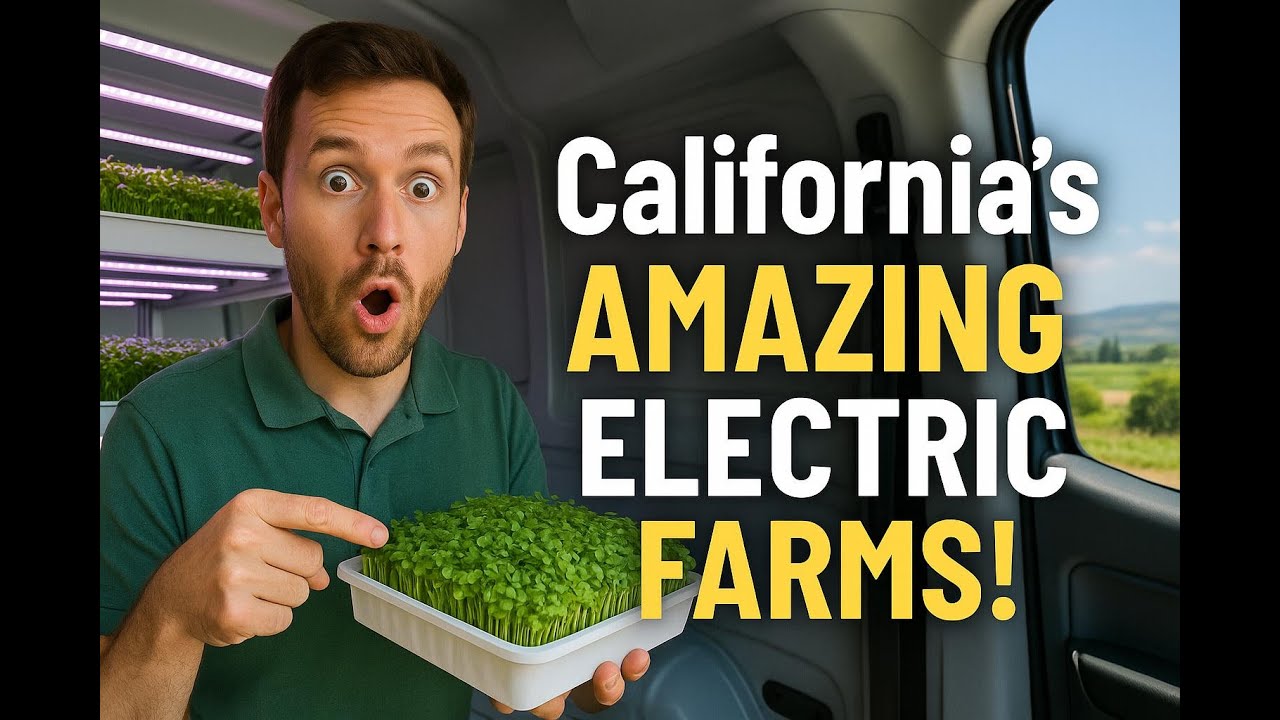
Comparative Table: Hydroponic & Aeroponic Systems vs. Traditional Soil Farming
To clearly illustrate the transformative impact of hydroponic agriculture systems and aeroponic agriculture on yield, resource conservation, and cost, we’ve compiled a comprehensive comparison below.
| Farming Type | Estimated Yield Increase (%) | Water Usage Reduction (%) | Nutrient Efficiency (%) | Space Requirement (sqm/kg) | Implementation Cost (USD/acre) |
|---|---|---|---|---|---|
| Hydroponic | 25–35 | 85–90 | 80–90 | 0.25–0.5 | 85,000–110,000 |
| Aeroponic | 30–40 | 90–95 | 90–95 | 0.10–0.25 | 95,000–130,000 |
| Traditional Soil | Baseline | Baseline | 50–70 | 2–4 | 12,000–25,000 |
*All values are estimates for commercial scale, 2025–2026. Actual costs may vary with location, technology, and scale.
Key Benefits of Hydroponic Agriculture
Hydroponic agriculture and aeroponic systems offer a range of powerful advantages when compared to conventional soil farming, directly addressing modern food security and sustainability issues.
1. Water Conservation
- Up to 90% water savings compared to traditional agriculture, making these techniques vital in arid regions or areas facing water scarcity.
- Closed-loop recycling in most hydroponic systems ensures minimal wastage and optimized water use.
2. Enhanced Yields & Faster Growth
- Plants grow up to 35% faster in hydroponic setups due to consistent access to nutrients and optimized environmental conditions.
- Stacked, vertical designs multiply output per square meter—critical for urban food production.
- Year-round cultivation is possible, unaffected by unpredictable weather patterns or seasonal limitations.
3. Space Efficiency
- Hydroponic and aeroponic farms require less land—as little as 10% of the area needed by soil-based agriculture for the same yield.
- Allows food production in places once considered non-arable: warehouses, rooftops, basements, or even shipping containers.
4. Reduction in Chemicals & Environmental Impact
- Less fertilizer runoff and minimal pesticide/herbicide use equals reduced environmental pollution.
- Closed setups shield crops from common pests and diseases.
5. Improved Food Quality & Security
- Ability to tailor nutrients and conditions to create premium crops (herbs, leafy greens, fruit, medicinal plants).
- Food production can move closer to urban markets, reducing transport emissions and energy usage, boosting freshness and shelf-life.
6. Alignment with Circular Economy
- Resource efficiency and waste minimization align with sustainability goals and showcase hydroponic agriculture as a tool for climate resilience.

Challenges and Limitations of Hydroponic Agriculture Systems
While hydroponic and aeroponic agriculture offer significant advantages, there are notable challenges to wide adoption—especially as we move towards 2026 and beyond.
- High Initial Investment: Infrastructure for lighting, climate control, pumps, and monitoring can be costly.
- Technical Expertise Needed: Operators require specialized knowledge to manage complex systems and avoid costly mistakes with nutrients or equipment.
- Energy Demands: Especially in indoor farms reliant on artificial lighting and HVAC; integration of renewable energy solutions is increasingly important.
- Potential for Rapid Crop Loss: System failures (pump breakdown, power outage) can lead to quick crop decline.
- Limited Crop Types (Historically): While innovation is expanding possibilities (e.g., hydroponic tree), not all crops are equally suited—cereal grains are less common than greens and fruit.
Investment in training, smart automation, and resilient system design is necessary for long-term viability and scalability.

Future Trends: Hydroponic Agriculture in 2026 and Beyond
The next evolution of hydroponic agriculture is being shaped by technology and automation.
- Artificial Intelligence (AI) and Machine Learning: Enabling real-time analysis of plant health, automatic adjustment of nutrient and water delivery, and predictive analytics for yield optimization.
- IoT Sensors: Provide continuous feedback on environmental conditions, root health, and system performance—reducing the need for manual intervention.
- Automated Farm Management: Robotics and drone systems are increasingly managing planting, harvesting, and crop maintenance in high-tech farms.
- Expansion Beyond Leafy Greens: Enhanced systems and varietal breeding mean more fruit, hydroponic trees, and specialty plants can now be grown soillessly.
- Government Support: Funding, research, and policy incentivize adoption for sustainable food security.
- Integration with Renewable Energy: Solar, wind, and geothermal are reducing the carbon footprint of controlled environment agriculture.
Hydroponic and aeroponic systems are positioned to address global food production challenges—delivering high-quality, reliable yields in an environmentally sustainable way as we face the realities of climate change and rapid urbanization.

Farmonaut: Empowering Smart, Sustainable Agriculture
At Farmonaut, we believe satellite-driven, AI-powered insights are at the heart of future-proof agriculture. Our mission is to make satellite technology affordable and accessible—empowering farmers, businesses, and governments to monitor crops, manage resources, and drive sustainable farming practices worldwide.
- Satellite Monitoring: Through our platform, users receive real-time multispectral imagery of their crops, enabling them to detect stress, manage irrigation, and respond quickly to environmental changes.
- AI-Based Advisory Systems: Our Jeevn AI tool provides real-time insights, weather forecasts, and customized advisory to optimize agricultural productivity.
- Blockchain Traceability: Access transparent, fraud-resistant product and supply-chain traceability solutions for agriculture—learn more at Farmonaut Product Traceability.
- Environmental Impact Monitoring: We help users monitor carbon footprint and drive compliance with carbon footprinting solutions.
- Fleet & Resource Management: Optimize vehicle usage, logistics, and equipment efficiency with our Fleet Management Solutions—reducing operational costs on large-scale modern farms.
- Large Scale Farm Management: Administrate enterprise-scale operations more intelligently with Farmonaut’s Agro Admin App.
- Crop Loans & Insurance: Use satellite-based verification for simplified, trusted crop loans and insurance.
Our solutions support everyone from individual farmers to large enterprises and governments—helping them grow more efficient, resilient, and sustainable with the power of space, data, and AI.
Try Farmonaut’s solutions via:



Developers & Businesses: Integrate our data via Farmonaut API – see documentation here.
For field-scale precision in tree, crop, and plantation management, access specialized advisory via our Crop Plantation & Forest Advisory app.
Frequently Asked Questions
What crops grow best in hydroponic and aeroponic systems?
Leafy greens (lettuce, spinach, kale), herbs (basil, mint), tomatoes, cucumbers, strawberries, and, with advanced techniques, hydroponic trees (like dwarf fruit trees) are all well-suited to hydroponic and aeroponic systems.
Is hydroponic agriculture organic?
Hydroponic agriculture can be run with organic nutrients, but certification standards vary by country. Some organic bodies include hydroponics; others require soil for organic status.
How energy-intensive are hydroponic farms?
Energy use can be higher—especially for indoor farms that require artificial lighting and climate control. However, integration of renewables is reducing overall environmental impact, and resource efficiency offsets many energy costs.
Can hydroponic systems scale for large farms?
Absolutely. Modular design, automation, and satellite monitoring (like that provided by ours at Farmonaut) allow hydroponic systems to be scaled from small urban setups to commercial mega-farms.
What is the future of hydroponic agriculture?
Increased use of AI, automation, blockchain, and satellite data will further optimize yields, reduce environmental impacts, and expand the range of crops—including fruit trees and specialty plants—that can be reliably grown using soilless techniques.
Conclusion: Cultivating a Resilient Agricultural Future
Hydroponic agriculture and aeroponic systems are revolutionizing sustainable farming practices as we enter 2026. These systems address critical challenges posed by traditional soil farming—from climate change and resource scarcity to urbanization and food security concerns.
By harnessing technology, optimizing every input, and innovating with hydroponic trees and aeroponic techniques, we can cultivate not only greener cities and resilient rural farms, but also a more sustainable future for our planet. As hydroponic agriculture systems gain even greater traction throughout 2026 and beyond, we’ll see healthier food, thriving farms, and empowered communities worldwide.
The transformation of the agricultural landscape is well underway. With solutions like those offered by us at Farmonaut, the future of farming is smart, sustainable, and ready to meet the demands of a changing world.

 GlobalQuant
 MDCV UK
 Zerella Group
 Etech Consulting Madagascar
 Vestlandsforsking
 Agritein
 Delicio
 WB Dev
 Sama Premium
 Prochecker
 Tres Valles
 LACOS Geoinformation
 Magrifly
 LatConnect 60
 Blickwinkel
 Agricultural Credit Policy Council
 Marei Nursery
 eKGIS
eKGIS Mostas Tech
