

Imazapyr, Imazethapyr, Imazamox, Simazine, Dithiopyr, Fluroxypyr Herbicide: Driving Sustainable Weed Management & Crop Productivity in 2025
Herbicides remain a cornerstone in modern agriculture, forestry, and infrastructure management—offering essential weed control to enhance crop productivity, protect natural resources, and maintain operational efficiency. In 2025, imazapyr herbicide, imazethapyr herbicide, imazamox herbicide, simazine herbicide, dithiopyr herbicide, and fluroxypyr herbicide are among the most vital tools widely employed to address persistent challenges posed by invasive and competitive weed species.
“In 2025, precision-applied imazapyr herbicide is projected to control over 85% of target weeds in cereal crops.”
Table of Contents
- Introduction: Weed Management & Modern Agriculture
- Overview & Mode of Action: Herbicide Innovations
- Comparative Herbicide Efficacy & Application Table (2025)
- Applications in Agriculture, Forestry, and Infrastructure
- Precision Technologies & Sustainability
- Safety, Resistance, & Future-Proofing Weed Management
- Farmonaut: Digital Crop, Land, and Resource Management
- Frequently Asked Questions
- Conclusion
Introduction: Weed Management & Modern Agriculture
Weed management remains a fundamental aspect of modern agriculture, forestry, and infrastructure—directly impacting crop productivity, natural resource protection, and operational efficiency. In the context of mounting global food demands, environmental concerns, and technological advancements, the role of herbicides such as imazapyr, imazethapyr, imazamox, simazine, dithiopyr, and fluroxypyr is more critical than ever in 2025 and beyond.
Herbicides are essential for controlling invasive weed species, reducing crop competition, and enabling agricultural systems to remain productive, sustainable, and resilient in the face of evolving challenges—including climate change, herbicide resistance, and increasing regulatory scrutiny.



Overview & Mode of Action: Advanced Herbicide Innovations
Understanding How Imazapyr Herbicide & Others Control Weeds
Modern herbicides largely belong to distinct chemical families, each developed for unique modes of action targeting broad and specific weed spectra. Let’s explore the primary modes for each featured herbicide:
- Imazapyr, Imazethapyr, Imazamox herbicide: These belong to the imidazolinone group and inhibit the acetohydroxyacid synthase (AHAS) enzyme, crucial for synthesis of branched-chain amino acids in plants. This inhibition leads to growth cessation and eventual death, especially in grasses and broadleaf species.
- Simazine herbicide: Part of the triazine class. Acts by disrupting photosynthesis in susceptible weeds, specifically blocking electron transport in Photosystem II. This interruption halts energy production, causing weed death.
- Dithiopyr herbicide: A dithiocarbamate that interferes with cellular division—preventing root development and seedling emergence, especially among annual grasses and broadleaves in turf and non-crop applications.
- Fluroxypyr herbicide: A synthetic auxin, it mimics natural plant hormones causing uncontrolled, fatal growth in broadleaf species and brush.

Why “Mode of Action” Matters in 2025
- ✔ Prevents resistance build-up by rotating different modes
- 📊 Improves targeting of invasive species across land and crop types
- ⚠ Avoids non-target impact on soil health, natural flora, and groundwater
- 🔬 Enables integration with tech-based monitoring tools (like Farmonaut satellite insights)
- 🌎 Supports regulatory compliance in environmental and resource protection
Comparative Herbicide Efficacy & Application Table (2025)
| Herbicide Name | Mode of Action | Target Weeds | Recommended Crops | Typical Application Rate † | Residual Activity (weeks) | Environmental Impact Rating | Notable Advantages |
|---|---|---|---|---|---|---|---|
| Imazapyr | Inhibits AHAS enzyme (imidazolinone) | Annual/perennial grasses, broadleaf, brush | Non-crop, forestry, cereals, soybeans* | 0.2 – 1.2 kg/ha | 16–36 | Medium | Systemic, broad-spectrum, long-lasting |
| Imazethapyr | Inhibits AHAS enzyme (imidazolinone) | Broadleaf, annual grasses | Soybeans, groundnuts, pulses, maize | 0.07 – 0.14 kg/ha | 6–12 | Medium–Low | Pre- & post-emerge, selective, crop-safe |
| Imazamox | Inhibits AHAS enzyme (imidazolinone) | Broadleaf, annual grasses | Imidazolinone-tolerant crops: legumes, cereals | 0.03 – 0.07 kg/ha | 6–8 | Low | Used in Clearfield® systems, high selectivity |
| Simazine | Disrupts photosystem II (triazine) | Broadleaf, annual grasses | Orchards, vineyards, maize, conifers | 1.5 – 4 kg/ha | 8–24 | High | Effective pre-emergent, persistent |
| Dithiopyr | Inhibits root cell division (dithiocarbamate) | Annual grasses, some broadleaf | Turf, ornamentals, non-crop | 0.5 – 1.5 kg/ha | 10–16 | Medium–Low | Excellent pre-emergent, turf-safe |
| Fluroxypyr | Synthetic auxin; uncontrolled growth | Broadleaf, woody brush | Cereals, pastures, forestry, non-crop | 0.15 – 0.75 kg/ha | 2–8 | Low | Highly selective, post-emergence, brush control |
† Application rates can vary. Confirm local recommendations and label directions.

“Simazine herbicide application rates have decreased by 30% in the last decade thanks to new tech innovation in agriculture.”
Herbicide Applications in Agriculture, Forestry, and Infrastructure
Agriculture: Empowering Productivity with Selective Weed Control
Imazapyr, imazethapyr, and imazamox herbicides are enabling effective weed management across staple crops such as soybeans, maize, wheat, and legumes throughout 2025. Their action—targeting acetohydroxyacid synthase (AHAS)—makes them particularly favored in conservation agriculture and no-till systems, controlling competitive perennial and annual grasses and broadleaf weeds without disturbing the soil structure.
- ✔ Imazapyr: Used in non-crop, cereals, and forestry for broad-spectrum, residual control.
- ✔ Imazethapyr: Favored for soybeans, legumes, maize due to pre- and post-emergent activity and crop selectivity.
- ✔ Imazamox: Crucial for imidazolinone-resistant varieties like Clearfield crops (wheat, legumes), providing selective weed management without crop injury.

Perennial Crops: Simazine Remains Critical
The simazine herbicide is applied pre-emergence in orchards, vineyards, and conifer forests, where it offers persistent soil activity, reducing the weed seedbank and thus enhancing long-term sustainability. However, simazine requires careful management due to its potential for soil persistence and water leaching.
- ⚠ Risk: High application rates of simazine can lead to environmental buildup—monitoring soil residue levels is essential in 2026 and beyond.
Forestry: Vegetation Management for Growth & Biodiversity
Imazapyr is extensively used for selective brush and invasive species control around tree plantations, railways, and utility corridors—preserving the growth of desirable trees while reducing fire risk, invasive spread, and resource competition.
- ✔ Fluroxypyr: Essential for managing hardwood brush and broadleaf weeds without impacting pines, conifers, or seedlings
Infrastructure: Maintaining Operational Efficiency & Safety
Weeds compromise infrastructure integrity and operational safety around highways, airports, railways, and utility corridors. Here, dithiopyr herbicide serves as a pre-emergent to prevent annual grass and broadleaf establishment in turf and non-crop areas, reducing maintenance costs and wildlife hazards.
- ✔ Dithiopyr: Offers a long-lasting weed barrier for turf, golf courses, public parks—helping keep spaces safe and visually pristine.
- ✔ Fluroxypyr: Controls brush regrowth and aggressive perennial broadleaf species along embankments and power lines.
Visual List: Where Are These Herbicides Most Widely Employed in 2025?
- 🌾 Row Crops: Soybeans, maize, wheat—imazapyr, imazethapyr, imazamox
- 🍇 Perennial Plantings: Orchards and vineyards—simazine
- 🌲 Forestry and Plantations: Imazapyr & fluroxypyr for brush and invasive control
- 🏞️ Infrastructure & Turf: Dithiopyr in airports, parks, and roadways
- 🛤️ Rights-of-Way: Fluroxypyr, simazine, and dithiopyr maintain clear corridors
Key Facts about Modern Herbicide Application in 2025:
- 🛰️ Satellite Tech Integration: Growing use of remote-sensing tools (like Farmonaut’s Android and iOS apps) for real-time weed & vegetation monitoring
- 🌱 Environmental Compliance: Increased focus on minimizing off-target drift, soil persistence, and water contamination
- ⚡ Precision Sprayers: AI-guided drones and variable-rate applicators maximize efficacy while reducing input costs and residue
- 🔄 Rotational & Integrated Strategies: Routine rotation of herbicide modes of action to prevent resistance and support sustainable cropping systems
- 🧬 Innovation-Driven Choices: 2025 and beyond will demand adoption of new chemistries and technologies as resistance develops further
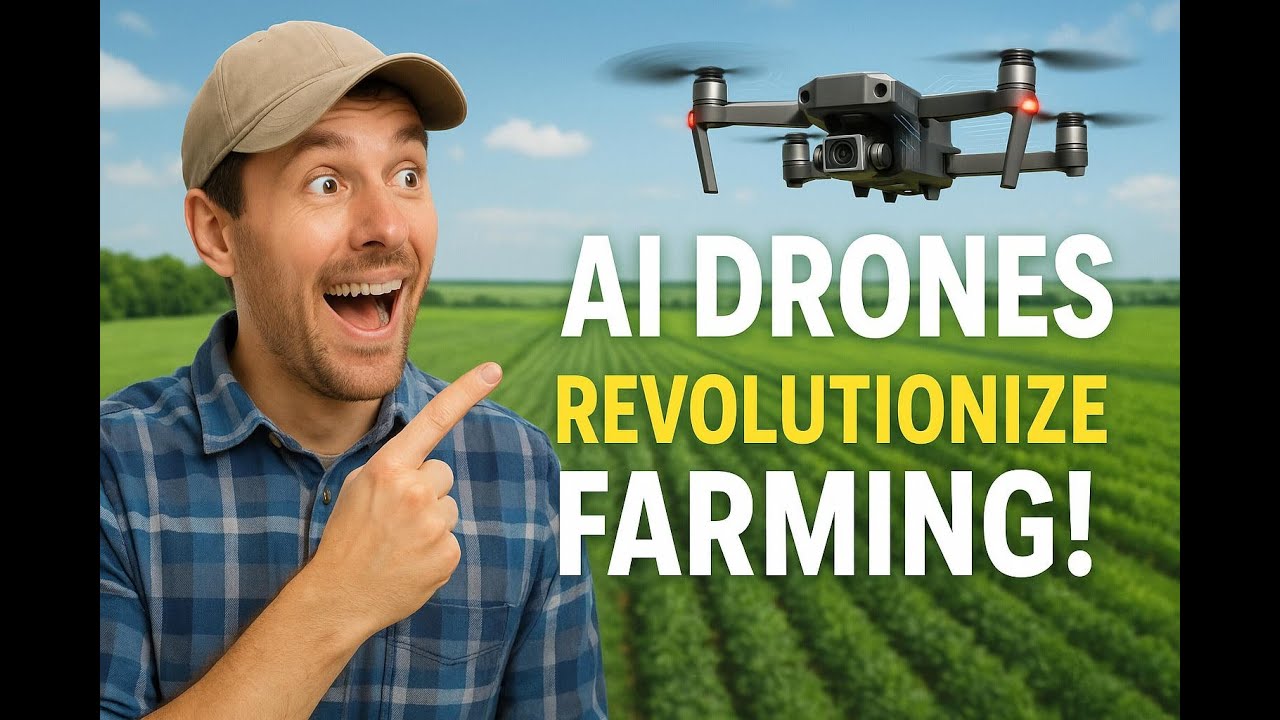
Precision Technologies & Sustainability in Modern Weed Management
Next-generation precision application technologies are transforming how imazapyr, imazethapyr, imazamox, simazine, dithiopyr, and fluroxypyr herbicide are utilized—maximizing weed control while minimizing environmental risks and resistance build-up.

How Technology Changes the Game:
- ✔ Satellite-Based Vegetation Monitoring: Pinpoints weed hotspots and tracks weed development, enabling smarter, targeted interventions.
Check out Farmonaut’s platform for real-time crop health and weed mapping. - ✔ Blockchain-Based Traceability: Ensures herbicide traceability—valuable for both growers and regulators, assuring sustainability & transparency across the supply chain.
- 📊 AI-Based Advisory Systems: Integrate local weather, real-time growth data, and satellite imagery for dynamic herbicide recommendations. Farmonaut’s JEEVN AI is pioneering this approach! Learn more about fleet and resource management.
- ⚡ Variable-Rate Sprayer Control: Minimizes over-application, reducing costs and environmental impact—especially effective with long-residual herbicides.
- ⏳ Regulatory Tech: Precision records streamline compliance and audit processes for sustainability programs and crop insurance (Farmonaut enables satellite-based verification of agricultural loans & insurance).
Environmental Stewardship: Safeguarding Natural Resources
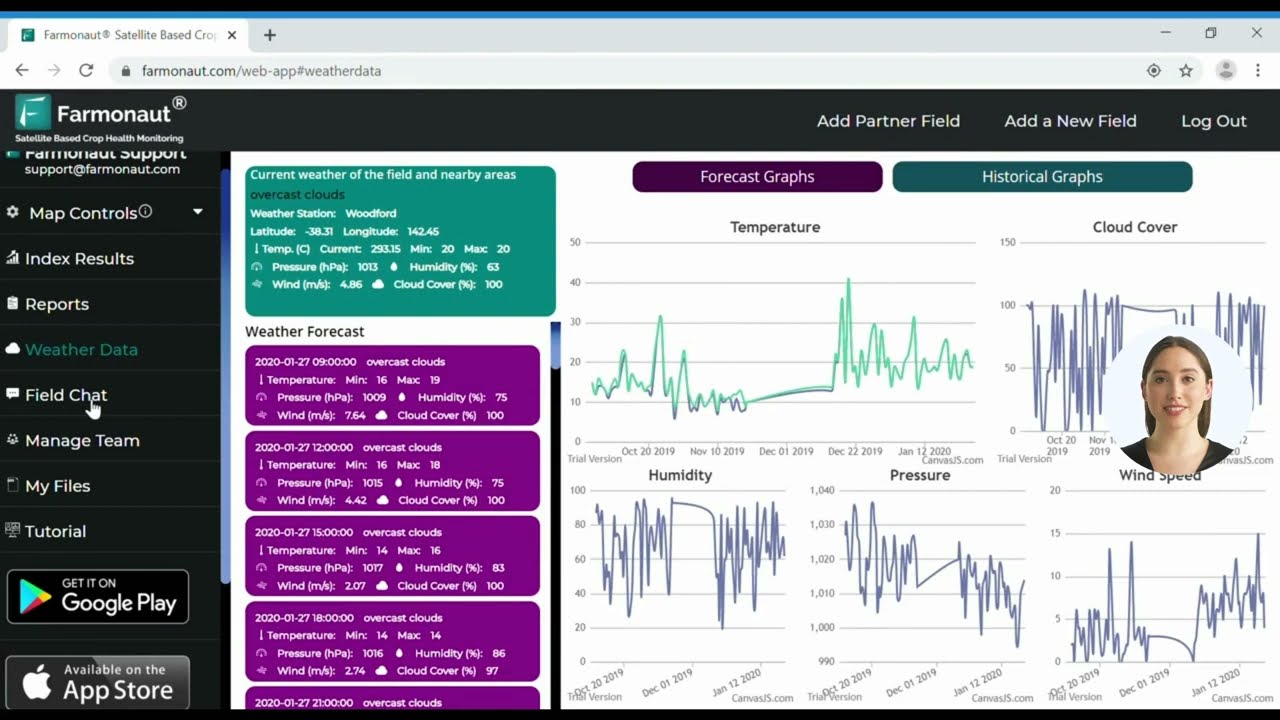
- ✔ Minimize Runoff & Drift: Using weather and soil data from platforms like Farmonaut’s to identify optimal application windows
- ✔ Monitor Carbon Footprint: Carbon footprinting tools help optimize input use, track emission reductions, and guide eco-friendly weed management
- ⚠ Risk Mitigation: Ongoing soil and water monitoring prevents chemical buildup—especially crucial for triazine and imidazolinone herbicides
- ⏳ Sustainability Compliance: Crop, infrastructure, and land managers must ensure practices align with evolving global sustainability standards, including food traceability and input records
- 🌎 Holistic Solutions: Integrated weed management strategies that combine chemical, cultural, and mechanical methods reduce reliance on any one herbicide, lessening risk to resources and ecosystems

Safety, Resistance & Future-Proofing Weed Management Systems
While these herbicides are highly effective and indispensable, their timing, rates, and modes of application remain under increasing scrutiny in 2025. Here’s how growers and land managers can optimize safety and long-term efficacy:
Managing Persistence & Environmental Risk
- ✔ Imazapyr & Simazine: Known for long residual activity—careful rate selection and site rotation is crucial to reduce soil persistence and off-site movement.
- ⚠ Water Protection: Avoid applications on permeable soils or before heavy rains, which can move active ingredients into water bodies.
- ✔ Buffer Zones: Always implement buffer strips around sensitive habitats and watercourses.
- ✔ Integrated Pest Management (IPM): Employ a blend of herbicide, mechanical, and biological control methods to reduce dependency and risk.
- ⚡ Precision Technology: Use satellite and AI-powered monitoring to track application zones and prevent overlap or drift.
Preventing and Managing Herbicide Resistance
- ✔ Rotate Modes of Action: Alternate between chemical families (e.g., imidazolinones, triazines, auxins) to slow resistance development.
- ✔ Targeted Application: Use spot-sprays and precision guidance, limiting herbicide exposure to only where needed.
- ⚠ Scout & Monitor: Regular scouting and digital mapping (with platforms like Farmonaut) detect resistance symptoms early, enabling quick response.
- ✔ Mix with Cultural Practices: Employ crop rotation, cover cropping, and tillage as supplementary weed control where possible.
- ✔ Stay Informed: Continually review extension research and new label guidance to keep strategies current in the evolving landscape.
Visual List: Five Essential Components of Sustainable Weed Management in 2026 and Beyond
- 1️⃣ Technology-Driven Monitoring: Satellite, drones, and app-based analytics
- 2️⃣ Precision Spraying: AI & GPS guidance minimize input waste
- 3️⃣ Integrated Chemical Strategies: Rotate and mix herbicide modes
- 4️⃣ Data-Driven Decision Making: Use historical and live data for adaptive management plans
- 5️⃣ Sustainability Audits: Track resource use, emissions, and biodiversity impact
Farmonaut: Digital Crop, Land & Resource Management for 2026
At Farmonaut, we are committed to democratizing satellite technology—infusing agriculture, forestry, and infrastructure management with real-time, cost-effective insights and sustainable solutions.
Our advanced satellite-based monitoring, AI advisory, blockchain traceability, and resource management tools empower farmers, businesses, and governments worldwide to thrive in a data-driven era. Whether optimizing weed management, ensuring environmental stewardship, or improving operational efficiency, our digital platform brings science, transparency, and precision straight to your operation.
- 🛰️ Satellite Imagery (NDVI, soil, crop status): For detecting weed, disease, and stress hotspots as they happen
- 🤖 JEEVN AI Systems: Integrate crop, weed, and weather data for smarter, adaptive management
- 🔐 Blockchain Traceability: Secure, transparent product histories for regulatory and consumer trust. Learn More.
- 🌍 Environmental Impact Tracking: Monitor carbon footprint, input use, and resource optimization. Optimize Your Sustainability.
- ⌛ API Integrations: Easily connect Farmonaut insights into proprietary or third-party systems (API | API Docs)
With Farmonaut, you can scale monitoring, advisory, and compliance from smallholder fields to global fleets, fundamentally changing how land, crops, and natural resources are managed for the future.
Frequently Asked Questions (FAQ)
What is the primary benefit of imazapyr herbicide in 2025’s agriculture?
Imazapyr herbicide offers systemic, long-residual weed control with selectivity for specific crops, and is especially useful for removing tough perennials, brush, and invasive species in infrastructure and forestry applications. With precision application, it protects productivity, supports sustainability, and reduces labor.
Why are simazine herbicide rates declining over time?
New technology in agriculture—including better sprayer calibration, timing, and weed monitoring systems—enables lower application rates with higher efficacy. This reduces both chemical input costs and environmental accumulation.
How does dithiopyr differ from other modern herbicides?
Dithiopyr is a pre-emergent, dithiocarbamate herbicide that inhibits root growth during germination, making it ideal for turf and infrastructure areas. Unlike systemic herbicides, it prevents weed establishment by targeting the earliest growth stages.
What’s the role of blockchain in herbicide use traceability?
Blockchain secures a verifiable record of herbicide application, product source, and batch tracking—helping both growers and regulators ensure input authenticity, regulatory compliance, and sustainability certification. See how Farmonaut enables traceability in agriculture.
Can Farmonaut be used for infrastructure and non-crop vegetation management?
Yes. Our platform and APIs deliver satellite-based real-time vegetation and infrastructure monitoring, supporting infrastructure managers, public authorities, and park managers in proactive weed and brush control across rights-of-way, airports, and public spaces.
Conclusion: A Future-Proof Weed Management Toolkit for Modern Land Management
Imazapyr, imazethapyr, imazamox, simazine, dithiopyr, and fluroxypyr herbicides remain the foundation of effective, sustainable weed management in 2025 and beyond. Their unique modes of action, application versatility, and compatibility with advanced monitoring systems empower crop producers, land managers, and infrastructure authorities to address persistent and emerging weed challenges while protecting natural resources, soil, and operational efficiency.
With satellite-driven solutions, AI-based advisories, and integrated data tools like those provided by Farmonaut, the agriculture and land management sectors can optimize yields, enhance environmental stewardship, and stay compliant with ever-tighter regulations as we move into 2026 and beyond.
By embracing precision, transparency, and sustainability, we can maintain productivity gains and ensure that the essential tools in our weed management toolkit remain both innovative and responsible for generations to come.
Try Farmonaut today for real-time satellite monitoring, digital resource tools, and sustainable advisory—built for 2026.

 Nale Network
 Exurbia Geospatial
 FieldZero
 Indico Company
 Kubota
 FFBS
FFBS Jontra
 Kalustyan
 Tucor
Tucor Geno
Geno Hayleys Agriculture
 Linx Agritech
 Adinet
 Save Your Soils
