

Mass Farming: 7 Key Impacts on Agriculture & Sustainability
“Mass farming uses over 70% of global freshwater, impacting both crop yields and local ecosystems.”
Table of Contents
- Introduction: Mass Farming, Agriculture & Sustainability
- Understanding Mass Farming & Mass Agriculture
- 1. The Cascade of Yield & Productivity
- 2. Mass Farming and Soil Health: Management, Structure & Erosion
- 3. Water Use Efficiency & Runoff in Mass Agriculture
- 4. Biodiversity: The Risk of Monocultures & Habitat Loss
- 5. Supply Chains & Infrastructure: Expansion at Scale
- 6. Social, Economic & Labor Implications
- 7. Climate Change, Greenhouse Gas Emissions & Sustainability
- Comparison Table: Mass Farming Impacts
- Farmonaut Technology for Scalable Farming
- FAQ Section
- Conclusion: Balancing Output with Sustainability
Introduction: Mass Farming, Agriculture & Sustainability
Mass farming, often known as mass agriculture or intensive large-scale farming, sits at the intersection of maximizing output, minimizing per-unit costs, and navigating the boundaries of natural ecosystems. Across agriculture, forestry, mining, and infrastructure, mass farming’s reach is unprecedented: it shapes land management, labor dynamics, resource supply chains, and environmental stewardship worldwide. With standardized practices, mechanized planting, harvesting, and intensive inputs (like synthetic fertilizers and pesticides), mass systems have transformed rural economies and global food security – yet also raise complex questions about soil health, biodiversity, water resources, and the long-term sustainability of agricultural outputs.
In this comprehensive guide, we explore the broad implications, cascading effects, and seven key impact areas of mass farming on both agriculture and sustainability. We also address how precision management, technology, logistics, and policy interventions can help us balance high yields with ecological and social responsibility.



Understanding Mass Farming & Mass Agriculture
Mass farming is characterized by large-scale production using standardized, mechanized practices and significant inputs—from hybrid seeds and mineral fertilizers to synthetic pesticides and advanced machinery. These systems aim to maximize output and economic efficiency, typically through:
- Monocultures: Large tracts dedicated to a single crop or optimized high-yield variety.
- Mechanized planting, weeding & harvesting: Heavy machinery replaces labor-intensive methods, speeding up cycles and scaling labor efficiency.
- High-input strategies: Reliance on chemical fertilizers, irrigation, and pesticides to drive productivity.
- Centralized infrastructure: Aggregation of harvest, fast processing, efficient storage, and streamlined distribution networks.
While mass farming drives down per-unit costs and stabilizes urban food supply, it also introduces vulnerabilities: loss of biodiversity, higher climate risks, soil degradation, and water scarcity. In this context, managing impacts and steering toward sustainable, resilient systems becomes key for the future. Let’s examine the seven main impact zones in detail.
1. The Cascade of Yield & Productivity in Mass Agriculture
The Core Promise: Maximizing Output at Scale
At the heart of mass agriculture is the pursuit to maximize yield, consistency, and profitability. Intensive, large-scale approaches enable greater output per hectare compared to traditional smallholder or diversified systems. Mechanized planting, controlled applications of fertilizers and pesticides, and modern genetics push productivity to new highs, especially when market access and infrastructure are robust.
- ✔ Key benefit: High yield potential & lower per-unit costs
- 📊 Data insight: Mechanized monocultures can outpace diverse systems in pure tonnage, especially for staple crops like wheat, maize, and soy.
- ⚠ Risk or limitation: Lack of genetic or crop diversity increases vulnerability to pests, disease, and climate variability.
This is why the role of precision systems—like real-time crop health monitoring and AI-based advisory—becomes increasingly vital to sustain yields without damaging the environment or farm economics.

Balancing Yield with Sustainability
- Integrated crop rotation and intercropping can reduce disease vulnerability and replenish soil nutrients.
- Precision planting and input management helps minimize resource waste and maintain long-term output.
- Blockchain-based product traceability (see our Traceability Platform) increases transparency and consumer trust in mass-produced crops.
“Soil erosion from large-scale agriculture can reduce farm productivity by up to 50% within a decade.”
2. Mass Farming and Soil Health: Management, Structure & Erosion
Soil Structure and Quality Under Pressure
Mass agriculture often relies on heavy machinery, intensive tillage, and synthetic inputs. While these factors accelerate planting, weeding, and harvesting, they also impact soil in several ways:
- ✔ Key benefit: Rapid land turnover and efficient field preparation
- ⚠ Risk: Soil compaction, loss of organic matter, erosion, and decreased water infiltration
- 📊 Data insight: Mass tillage accelerates erosion rates, reducing long-term fertility and resilience
- 🌱 Solution: No-till and conservation agriculture practices can counteract negative impacts
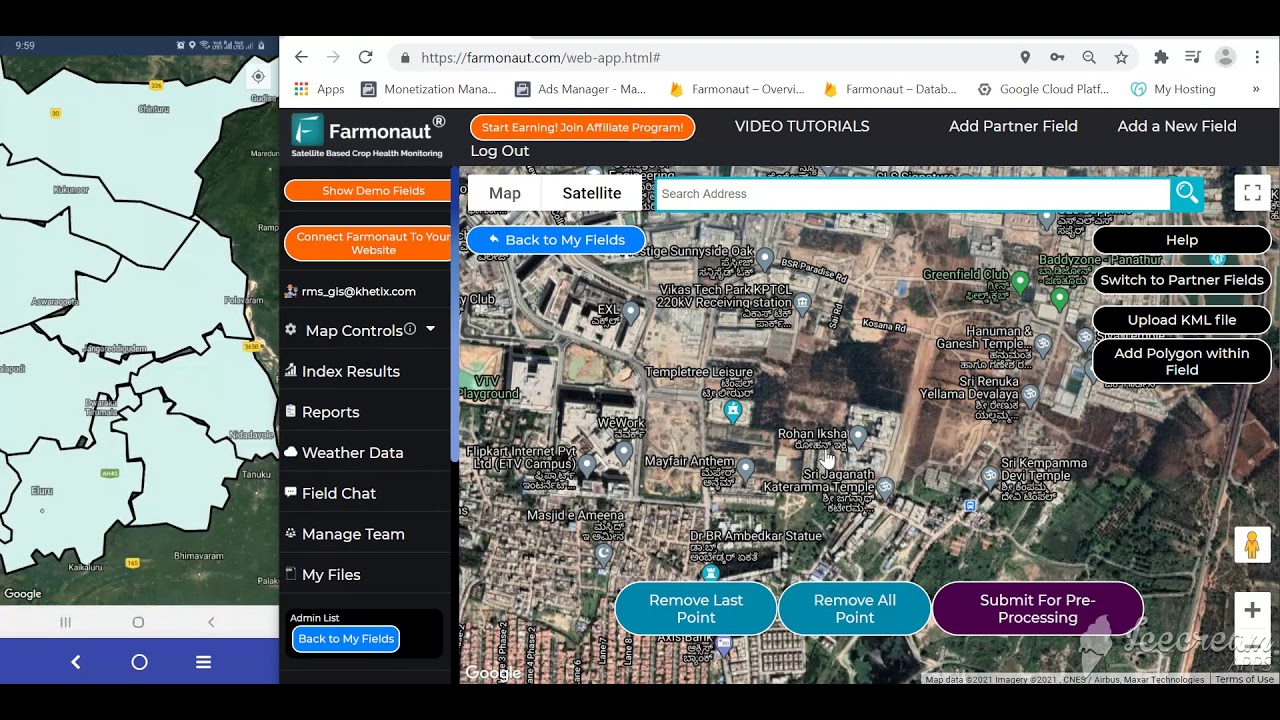
Soil health is foundational for any farming master system. If lost, restoration requires massive effort and time. Mass deportation effects on agriculture (such as restricted labor or abandoned fields) can quickly amplify degradation risks, especially in vulnerable rural economies. Satellite-based monitoring solutions—like those provided in the Farmonaut Large Scale Farm Management Platform—are essential for real-time soil health analysis, nutrient mapping, and erosion risk detection over expansive areas.
Preventing Soil Degradation: Management Strategies
- Crop rotation and cover cropping to diversify roots and restore nutrients
- Organic amendments (manure, compost, biochar) to boost soil structure and resilience
- Satellite-based soil monitoring via NDVI, NDSI (as enabled by Farmonaut)
- Water and nutrient management to prevent compaction and runoff
3. Water Use Efficiency & Runoff in Mass Agriculture
The Water-Energy Nexus of Large-Scale Systems
Mass farming accounts for the single largest use of freshwater resources globally. Large irrigation networks, standardized scheduling, and heavy application of fertilizers and pesticides have direct implications for both productivity and environmental health.
- ✔ Key benefit: Consistent water supply supports high-yield crops
- ⚠ Risk: Runoff carries nutrients and chemicals into waterways, accelerating pollution and eutrophication
- 💧 Pro Tip: Precision irrigation and AI-based weather advisory minimize waste and respond to climate variability
- 📊 Data insight: Efficient water logistics can lower costs and improve rural resilience during droughts
Farmonaut’s satellite and AI solutions, demonstrated in the “How Satellites and AI Revolutionize Water Management in Farming”, enable targeted watering that adapts to real-time soil moisture, crop type, and local weather patterns. This reduces runoff risk and supports sustainable output.

Solutions for Water Sustainability
- Scalable, climate-smart irrigation (drip/sprinkler systems, as seen in Malawi Irrigation Tech 2025)
- AI-driven precision application—reduces overuse and optimizes plant health
- Protecting riparian buffers and reforesting alongside waterways to reduce runoff
- Monitoring groundwater and surface availability for adaptive management
- 💡 Sustainable water use lowers costs and mitigates drought risk
- 🎯 Targeted irrigation prevents nutrient loss and improves yield
- 🛑 Runoff management protects waterways and rural communities
- 🔍 Satellite insights drive smarter infrastructure investments
4. Biodiversity: The Risk of Monocultures & Habitat Loss
Monocultures, Pest Risk, and Loss of Native Species
The emphasis on monocultures in mass agriculture—be it in fields or rapid-growth tree plantations—means large contiguous areas are devoted to a single crop or species. While this streamlines logistics and increases throughput, it also increases system vulnerability and has negative effects on local ecosystems:
- ⚠ Risk: Monocultures reduce biodiversity, elevate pest/disease risk, and disrupt pollinator habitats
- ♻ Mitigation: Integrated pest management, crop rotation, and buffer zones help preserve ecosystem health
- 🔥 Fire Risk: Large tree plantations (especially in forestry) can increase wildfire susceptibility if not properly managed
Forest restoration projects, rapid-growth nurseries, and genetically uniform trees improve timber supply but must be reconciled with local species preservation and fire stewardship. Mechanized harvesting increases efficiency but also compaction and erosion threat, underlining the need for robust management plans.
For further reading on sustainability tradeoffs, see Farmonaut’s Carbon Footprinting Platform. It helps quantify and balance greenhouse gas impacts in both agriculture and forestry operations using satellite data and AI.

Biodiversity-Friendly Best Practices in Mass Farming
- 🌾 Crop rotation and polyculture blocks – diversify the production landscape
- 🌳 Habitat corridors & native buffer strips – preserve pollinator and wildlife movement
- 🐞 Integrated pest management – minimize broad-spectrum pesticide applications
- ⚡ Precision monitoring – real-time detection of pest or disease outbreaks with satellite data
5. Supply Chains & Infrastructure: Expansion at Scale
The Infrastructure Grid: Storage, Logistics & Rural Electrification
The success of mass farming hinges on robust infrastructure that can support swift harvesting, efficient processing, climate-resilient storage, and dependable distribution networks. Without reliable water delivery, storage facilities, and cold-chain logistics, scale advantages quickly erode due to post-harvest losses and supply chain breakdowns.
- ✔ Key benefit: Centralized infrastructure reduces per-unit costs, extends shelf life, and enables access to broader markets
- ⚠ Risk: Centralized systems concentrate risk; vulnerabilities in logistics or rural electrification can disrupt the entire chain
- ✈ Scalable export hubs bolster economies, but also increase exposure to external shocks
App-based monitoring and resource management platforms (see the Farmonaut Fleet Management Product) support agricultural logistics by tracking vehicle usage, optimizing routes, and monitoring fuel/emissions—a boon for cost efficiency and climate stewardship.

Infrastructure Essentials for Mass Agriculture
- 🏭 Central storage facilities & cold chains
- 🚚 Efficient logistics and fleet management systems
- 🔌 Rural electrification for processing and irrigation technologies
- 🌐 App-based monitoring and predictive maintenance
6. Social, Economic & Labor Implications
Labor, Land Tenure & Community Resilience
Intensive systems restructure rural labor—providing jobs, skill transfer, and knowledge-sharing, but also concentrating ownership or displacing traditional producers. Mass farming’s emphasis on efficiency can support large workforce needs, yet may undermine local tenure arrangements or increase land access inequity.
- ✔ Key benefit: Provides rural employment, technology access, and market integration
- ⚠ Risk: Land consolidation, tenure disputes, and potential displacement of smallholders
- 🥇 Solution: Clear land-use policy and equitable pricing frameworks
Extension services, farmer cooperatives, and knowledge platforms democratize access to improved seeds, soil amendments, and best management practices, cushioning the social transition towards scalable systems.
- 📲 Access advisory and input monitoring tools on the Farmonaut Large Scale Farm Management Platform
- 🏦 Enhance financing with satellite-based crop loan and insurance verification
- 📘 Utilize extension resources for ongoing education and upskilling
Social resilience depends on coherent policy frameworks, fair market access, and community engagement—ensuring that scale benefits the many, not the few. This is where technological democratization (for example, open access to apps and APIs for resource management) changes the game.
7. Climate Change, Greenhouse Gas Emissions & Long-Term Sustainability
Balancing Output with Environmental Integrity
Mass farming both supports and challenges climate goals. On the one hand, it is a key factor in national food security, forest restoration, and infrastructure-led resilience. On the other, intensive inputs (fertilizers, synthetic pesticides, fossil fuel machinery), monocultures, and land conversion drive emissions and reduce carbon sinks.
- ✔ Key benefit: Feed growing populations and stabilize economies during crises
- ⚠ Risk: Greenhouse gas emissions from fertilizers, land use change, and logistics chains
- 🌱 Pathway: Integrate carbon accounting and emission-reduction technology
- 📲 Reference: Farmonaut’s Carbon Footprinting Platform
Futures depend on innovation: AI-driven precision management, real-time environmental monitoring, efficient fertilizer use (as shown in Canada Fertilizer Boom 2025), and sustainable rotations. Satellite insights help track emissions, guide reforestation, target restoration, and ensure compliance with regulations.

Comparison Table: Mass Farming Impacts on Key Agricultural & Environmental Factors
| Impact Category | Estimated Positive Effect | Estimated Negative Effect | Neutral/Contextual Factors |
|---|---|---|---|
| Yield & Productivity | High increase | Variable vulnerability to weather/pests | Can be stabilized with technology |
| Soil Health | Streamlined land prep | Moderate to high decline (erosion/compaction) | Improved by conservation practices |
| Water Usage | Optimized output with tech | High consumption/runoff risk | AI/precision systems reduce waste |
| Biodiversity | Higher output per field | Potential species loss, degraded resilience | Protected by polyculture, buffer zones |
| Supply Chains & Infrastructure | Lower costs, enhanced logistics | Centralized risk, access inequity | Decentralized apps increase flexibility |
| Labor, Social & Economic Factors | Increased jobs, skill transfer | Displacement/inequity risk | Policy, cooperatives mitigate harm |
| Climate & Emissions | Scalable food security | GHG emissions, land use change | Mitigated by carbon tracking/rotation |
Farmonaut Technology for Scalable Farming
As a satellite technology innovator, Farmonaut focuses on making scalable, data-driven farming and resource management accessible globally. We leverage multispectral satellite imagery, AI-based advisory systems, blockchain traceability, and fleet/resource management tools so that farmers, rural businesses, and governments remain efficient and resilient at scale.
- Satellite-Based Monitoring: Real-time insights into crop health, soil quality, and infrastructure conditions—reducing losses and optimizing resource allocation in large-scale, mass agriculture.
- Jeevn AI Advisory: Customized recommendations based on climate forecasts and vegetation indices for precision planting, nutrient, and pest management.
- Blockchain Traceability: Strengthens transparency and compliance, essential for export logistics and supply chain resilience.
- Fleet/Resource Management: Tracks vehicles, machinery usage, and optimizes operational efficiency from field to processing hub.
- Environmental Impact Tracking: Monitors carbon emissions and biodiversity indices for compliance and policy-making support.
- Accessible APIs: For seamless integration into existing rural and agricultural management systems (API Portal, Developer Docs)
- Affordable Subscriptions: Solutions for farms, rural communities, businesses, and government offices. See our dynamic pricing options:
FAQ: Mass Farming, Sustainability & Technology
Q1. What is mass farming, and how does it differ from traditional agriculture?
Mass farming (or mass agriculture) involves large-scale, intensive production using mechanized planting, high-input strategies (synthetic fertilizers, pesticides), and centralized infrastructure. Unlike traditional systems, it emphasizes scale, standardization, and efficiency, often with a focus on monocultures. This approach can maximize yield but also introduces new environmental and social challenges.
Q2. What are the primary concerns about biodiversity in mass agriculture?
Monocultures reduce the number of crop or tree species, making systems more vulnerable to pests, diseases, and environmental shocks. Loss of buffer habitats and native species can disrupt pollinator networks and diminish overall ecosystem resilience.
Q3. How does mass farming impact soil health?
Intensive tillage, heavy machinery, and synthetic inputs can cause soil compaction, decrease organic matter, and accelerate erosion. Managing these effects is critical for long-term productivity in any farming master operation.
Q4. What role does technology play in sustainable mass agriculture?
Technology enables precision management of water, nutrients, and pest control, reducing input waste and environmental impacts. Satellite-based monitoring, AI-driven advisories, and blockchain traceability are central to sustainable mass farming, ensuring balance between productivity and stewardship.
Q5. How can farmers and businesses get started with Farmonaut for mass agriculture?
Simply access our web, Android, or iOS app for instant insights, monitoring, and management tools. For large enterprises, our Large Scale Farm Management Platform and fleet/resource management offer scalable solutions for operational excellence.
Conclusion: Balancing Output with Sustainability in Mass Farming
Mass farming—at its best—delivers yields, employment, and rural development at a scale traditional methods seldom match. Yet, its broad implications touch nearly every facet of land use, ecosystem stability, and community welfare. The cascade effects—from soil and water management to supply chain logistics, social equity, and climate adaptation—require an intensive focus on stewardship, technology adoption, and policy innovation.
Key takeaways:
- 🍃 Integrate sustainable, precision practices to balance productivity with soil, water, and biodiversity health.
- 🚜 Leverage technology and data—real-time monitoring, AI-driven advisory, and blockchain—for transparency and resilience.
- 💧 Enhance water and nutrient management to reduce runoff and environmental impacts.
- ⚖️ Prioritize equitable land access, robust infrastructure, and community-inclusive policy to assure social stability and rural prosperity.
- ♻️ Track, report, and mitigate greenhouse gas emissions—using satellite insights and carbon accounting for future readiness.
We encourage all stakeholders in the value chain—farmers, rural communities, supply managers, policymakers, and agribusinesses—to explore scalable, sustainable practices as the foundation for future-ready mass agriculture. Farmonaut remains committed to making satellite-driven insights, AI, and resource management accessible for all—thriving at both scale and stewardship.
For solutions, technology demos, or to get started:
Stay ahead, stay sustainable, stay informed.
Farmonaut – Making Mass Farming Smarter, Greener, and More Resilient.

 Godrej Agrovet
 Hayleys Agriculture
 Linx Agritech
 Adinet
 Save Your Soils
 GalaxEye Space
 Grandstream Algérie
 XOS Realty
 Geospatial Lab Africa
 Agro La Gándara
 HIPSAC
 ZOL Zimbabwe
 Juligerm
 AdBio
AdBio MISE Maroc
 NWNS
NWNS Red August Group
 Farm Inc
 WeMe Global
 Agrotoken
 Blue BearX
 Insignito
 DnCubed
 Indosistim Teknologi
 Liquify Digital
 CU Foods
 BeyondTech Global
 Rouge VC
 AgroRisk
 Oath Inc
 Esri North East Africa
 MDCV UK
 Etech Consulting Madagascar
 Vestlandsforsking
 WB Dev
 Sama Premium
 Tres Valles
 Blickwinkel
 Agricultural Credit Policy Council
 eKGIS
eKGIS Mostas Tech
 Andex
Andex Deluxe Conseil
 WICO
WICO Chimera Innovation
 SkyHarvest
 Teledarbas
 Exurbia Geospatial
 FieldZero
