

Modern Agriculture: 10 Essential Steps Involved – Your Comprehensive Guide for 2025 and Beyond
“Over 70% of modern farms use soil health monitoring as the first step for sustainable yields in 2025.”
Summary:
Understanding the steps involved in farming—from soil health and crop selection, to market strategies—is essential for sustainable, efficient yields in 2025 and beyond. This comprehensive, concise guide lays out each step for both new and experienced farmers, offering actionable practices and the latest innovations in agriculture. Read on for a practical, expert-driven approach to modern farming.
Key Insight
- Integrated soil and crop monitoring is now a standard for maximizing yield and reducing resource use.
- Data-driven planning underpins every successful agricultural operation in 2025.
- Adaptability to weather, market, and technology trends increases resilience and profitability.
Step-by-Step Progression Table: Modern Agriculture’s 10 Essential Steps (2025 Edition)
| Step Number | Step Name | Purpose/Objective | Key Activities/Practices | Estimated Impact on Yield (%) | Relevant Technologies/Tools |
|---|---|---|---|---|---|
| 1 | Scoping & Planning | Define goals, assess resources, manage risk | Objective setting, site & resource assessment, budgeting | 8–12% | GIS Mapping, Weather Forecast Models, Farmonaut Satellite Monitoring |
| 2 | Soil Health & Preparation | Optimize soil conditions for plant growth | Soil testing, pH adjustment, organic matter addition, tillage design | 15–18% | Portable Test Kits, NDVI Imaging, Soil Sensors |
| 3 | Crop Selection & Breeding Alignment | Match variety to climate, soil, and market | Variety selection, certified seed, seedling strategy | 8–10% | Genetic Analysis, Seed Testing Labs |
| 4 | Inputs & Resource Management | Efficient, precise input use | Nutrient management, integrated pest & water management | 12–18% | VRA Systems, Drip and Sprinkler, Sensors, IPM |
| 5 | Planting & Establishment | Maximize germination, healthy start | Optimized row spacing, seed treatments, early protection | 7–10% | Precision Planters, Mulching Equipment |
| 6 | Crop Management & Canopy Optimization | Healthy growth, maximum sunlight use | Scouting, integrated nutrient management, canopy pruning | 14–17% | Drones, Remote Sensors, Automation |
| 7 | Harvest Planning & Post-Harvest Handling | Minimize losses, preserve quality | Timely harvest, gentle handling, cooling, packaging | 11–14% | Cold Chain, Harvesters, Mobile Storage Units |
| 8 | Quality Assurance & Compliance | Meet standards, ensure traceability and safety | Certifications, food safety, traceability | 5–8% | Lab Testing, Blockchain, Digital Records |
| 9 | Marketing & Value Addition | Boost income, broaden reach | Product differentiation, value adds, branding | 7–12% | ERP, E-Commerce, Farmonaut Traceability |
| 10 | Technology & Data Optimization | Enable precision, reduce waste | Sensors, analytics, automation, AI, remote monitoring | 10–17% | Farmonaut, Satellites, Drones, Cloud Platforms |



- ✔ Soil health improvement supports sustainable crop yields.
- 📊 Data-driven planning increases efficiency and reduces resource waste.
- ⚠ Risk management minimizes losses from weather and pests.
- 🌱 Biodiversity and organic practices ensure long-term field vitality.
- 💡 Advanced traceability enhances transparency across markets.
Pro Tip
- Utilize sensors and AI-based satellite monitoring to monitor moisture and nutrient levels in real time, ensuring precise fertilization and irrigation scheduling.
- Regularly review your site assessment and update soil maps for optimized field management.
1. Scoping and Planning: The Foundation Step of Modern Farming
The very first step involved in farming is robust scoping and planning. Each modern agriculture project—whether a smallholder field or a large-scale corporate farm—begins by defining clear objectives, like crop type, yield targets, and a time horizon in sync with market demand.
Defining Goals and Assessing the Site
- Objectives: Know what you are growing (e.g., wheat, maize, horticultural crops), expected yield, production window, and market outlets.
- Site Assessment: Analyze soil type, climate, water availability, topography, and field biodiversity. Modern mapping tools—like Farmonaut’s satellite imagery—offer field visualization, vegetation health analytics, and baseline infrastructure planning.

Resource Budgeting and Risk Management
- Budget land, labor, capital, and input needs—machinery, seeds, fertilizers, irrigation infrastructure.
- Use forecasting tools (like Farmonaut’s AI advisory) to anticipate weather patterns, pest pressures, and pricing fluctuations in your markets.
- Account for diversifying risk via crop rotation, income streams, or insurance: For cutting-edge, satellite-based insurance verification, see Farmonaut Crop Loan & Insurance Solutions.
The initial planning stage shapes every subsequent step involved in agriculture—sound objectives make complex operations manageable, efficient, and resilient.
Common Mistake
Ignoring detailed resource assessment can lead to costly under- or over-spending on inputs and underutilized field potential. Be sure to evaluate both physical and financial resources before planting.
2. Soil Health and Preparation: Maximizing the Foundation of Crop Yield
When listing the steps involved in modern agriculture, soil health and preparation come immediately after planning. The best crops require optimal pH, nutrient levels, structure, and organic matter—often achieved using both technological and regenerative practices.
Soil Testing and Analysis
- Basic testing covers pH, salinity, macro- and micro-nutrient levels, and organic content.
- Farmonaut’s NDVI and soil monitoring tools can identify problem patches, monitor soil moisture, and optimize input allocation over large fields.
- Portable kits and professional labs aid with accurate results, while satellite soil data provides a broad assessment for resource deployment.

Soil Improvement and Preparation
- Liming corrects acidic soils, sulfur for alkaline adjustment.
- Increase organic matter by applying compost, green manures, or biochar, ensuring higher resilience and better moisture retention.
- Avoid unnecessary soil disturbance: Adopt minimal or no-till practices to preserve structure and microbial life, while using traditional tillage where appropriate for seedbed preparation.
- Design raised beds or rows for drip irrigation layouts, with row spacing optimized for your machinery and eventual canopy management.
Modern soil health practices—supported by timely testing and data analytics—help reduce deficiencies and residue build-up, leading to long-term field sustainability and higher yield efficiency.
Investor Note
Modern geospatial platforms and satellite-driven monitoring—like Farmonaut Traceability—offer auditable proof of regenerative farming practices for global brands and financiers. This unlocks new value streams via environmental compliance, blockchain-driven transparency, and sustainable certifications.
3. Crop Selection and Breeding Alignment: Precision Starts at the Seed
Choosing the right variety is a crucial step involved in farming. It aligns the biological potential of your crops with local climate, soil, resource availability, and market demand.
Choosing Varieties
- Pick varieties with proven drought tolerance, disease and pest resistance, and efficient nutrient use.
- Favor certified seeds—run germination tests to avoid poor crop start, and apply seed treatments for protection against pests and pathogens.
- Set up seedling nurseries or go for direct seeding: Make decisions based on weather, mechanization, and field logistics.

Mother Crop & Source Planning
- For crops propagated vegetatively (like potatoes, sugarcane), source disease-free mother crops or certified plantlets from nurseries.
- For multi-stage propagation across large fields, synchronize nursery production and transplant logistics with field planting windows.
Certification & Traceability
- Track variety, seed source, and treatment logs for each field block using secure, blockchain-based systems.
Such alignment boosts yield, minimizes losses from climate risk, and opens premium market access—especially when integrated with robust traceability systems.
“Efficient water management can boost crop yields by up to 30% in modern agriculture’s 10-step process.”
Visual List: Water & Soil Management Best Practices
- 💧 Drip irrigation for water-use efficiency
- 🌿 No-till/Minimal tillage to conserve soil health
- 🛰 Soil moisture sensors for precise scheduling
- 🌾 Cover cropping for organic matter addition
- ☀ Solar-powered pumps for sustainable irrigation
4. Inputs and Resource Management: Maximizing Efficiency, Minimizing Waste
A core step involved in agriculture is ensuring your crop receives the right inputs at the right time—especially water, nutrients, and pest protection. Integrated approaches, powered by real-time monitoring, elevate both yield and sustainability.
Water Management
- Modern irrigation relies on scheduling techniques—using evapotranspiration (ET) models, soil moisture sensors, and rainwater harvesting where possible.
- Adopt efficient irrigation systems such as drip and sprinkler for field crops and horticulture.
Nutrient Management
- Apply fertilizers based on precise, up-to-date soil and tissue testing.
- Variable-rate application (VRA) technologies enable tailored nutrient delivery across field zones, optimized by satellite and drone imagery.
Pest, Disease, and Weed Control
- Adopt Integrated Pest Management (IPM)—combine biological control, mechanical monitoring (scouting and sensors), cultural methods, and targeted agrochemical use with resistance stewardship.
- Prevent pollution with buffer zones, safe storage, and strict spill/erosion controls to protect waterways and biodiversity patches.
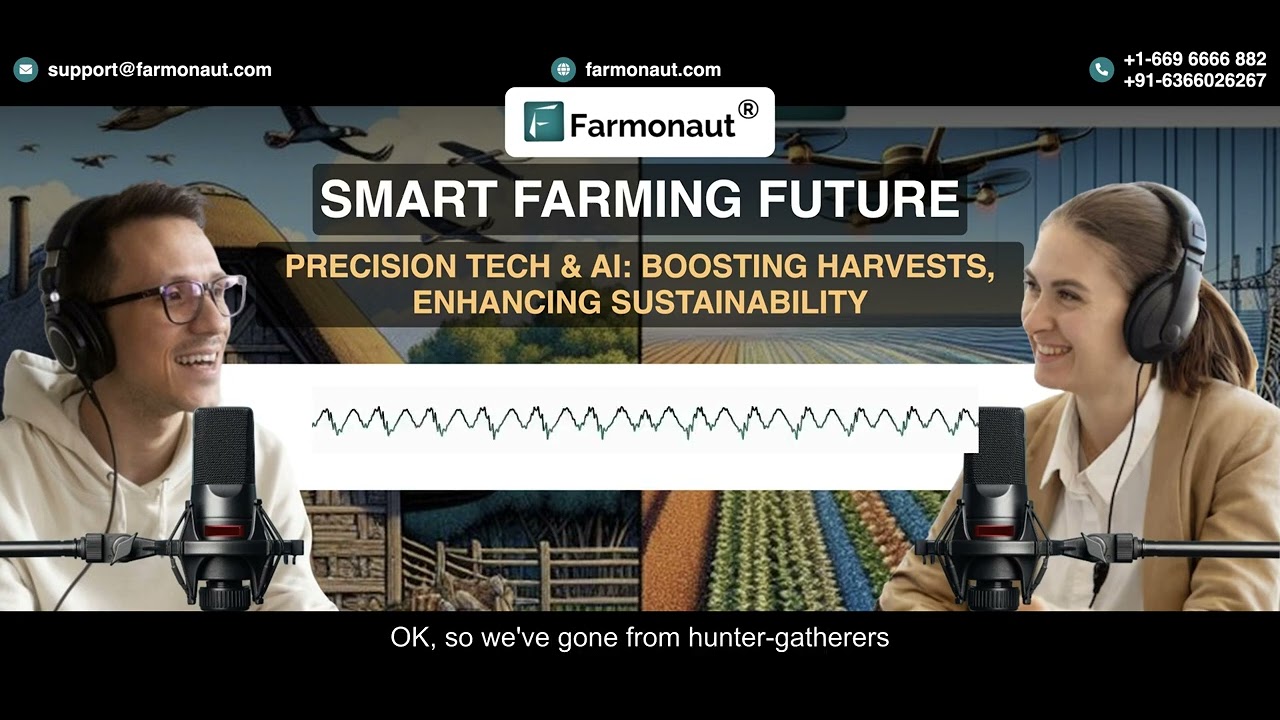
- For advanced digital input management and large-scale field mapping, see Farmonaut Large-Scale Farm Management Tools.
Efficient resource use—supported by real-time sensors and satellite analytics—reduces costs, boosts yield, and future-proofs your farm against resource shortages and price spikes.
Visual List: Resource Efficiency Must-Haves for 2025
- 🛰 Satellite-based water & fertilizer monitoring for ultimate precision
- 📅 AI-driven irrigation scheduling to minimize water waste
- 🌑 No-residue IPM solutions for pesticide stewardship
- 🪴 Organic additions—compost, manures, microbial consortia
- 🛢 Smart input storage to prevent environmental loss
5. Planting and Establishment: Bringing the Plan to Life
Efficient planting is a critical step involved in farming for maximizing germination and uniform crop establishment. This stage is all about giving your seeds the best possible start—expected in the 2025 farming best practices.
Modern Sowing Methods
- Decide between direct seeding in prepared seedbeds or transplanting healthy seedlings.
- Match row spacing and planting density to crop type and eventual canopy management objectives—for instance, wider spacing for vining crops and tight rows for grains.
- Employ precision planters or air-seeders for uniformity and accuracy.
Germination Optimization and Early Protection
- Use seed treatments like fungicide, insecticide, or biostimulant coatings to improve germination and resilience against early pests.
- Consider starter fertilizers and ensure optimal soil temperature and moisture at planting.
- For high-value crops, install protective coverings or nets against weather and pest risk in the critical establishment stage.

Modern establishment practices are set to continue evolving—with the rise of autonomous planters, variable-rate seeders, and IoT-assisted field monitoring as seen in 2026’s most advanced operations.
6. Crop Management and Canopy Optimization: Keeping Crops Thriving
Monitor, regulate, and optimize growth—these steps involved in agriculture are ongoing and dynamic throughout the season. From in-field scouting for pests/diseases to canopy management for sunlight and airflow, modern crop management means blending human observation and sensor data.
Crop & Canopy Monitoring
- Remote sensing via satellite or drone covers vast fields in real-time, detecting nutrient deficiencies, disease outbreaks, and irregular moisture zones.
- Regular scouting complements digital tools for early detection and intervention.
Growth Regulation Practices
- Apply trellising for vining crops, pruning for orchards and vineyards, and manage canopy density to maximize radiation capture while preventing disease build-up.
- Real-time feedback allows for irrigation and fertilization timing adjustments to prevent deficiencies and optimize residue recycling.
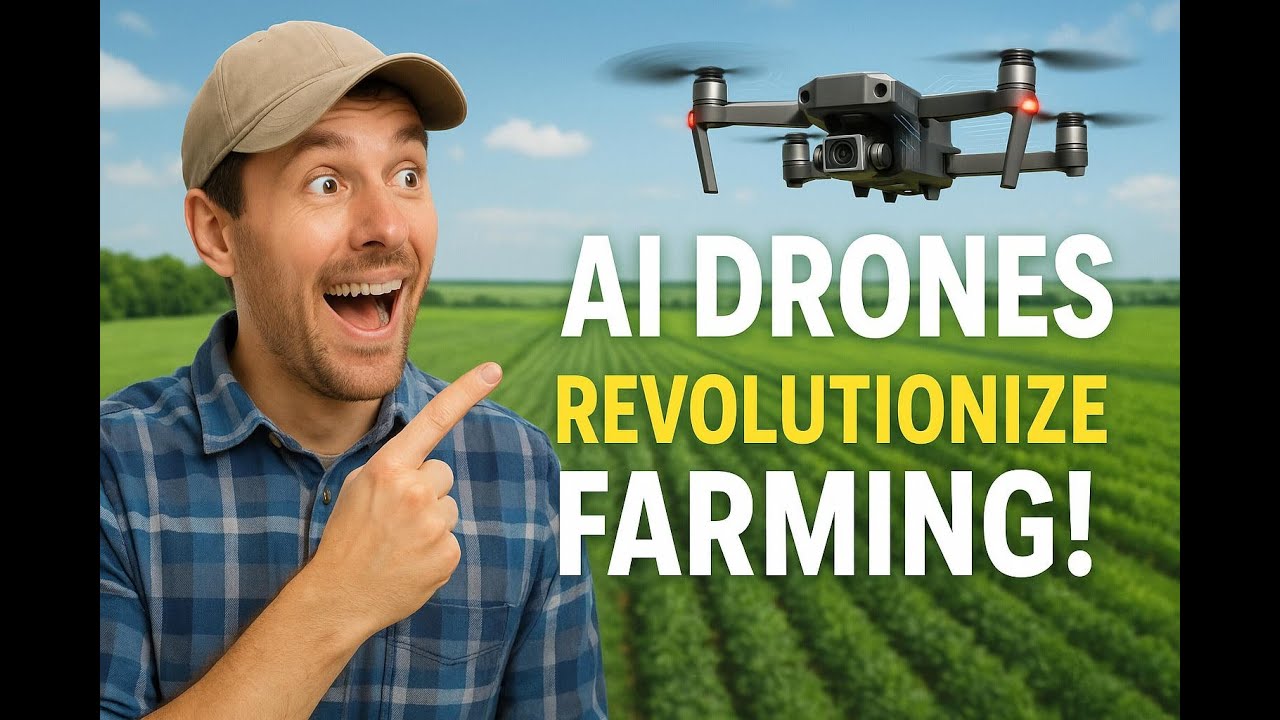
- Integrated nutrient management—balancing macro- and micronutrients, organic additions, and minimizing chemical burnout—is central to sustainable, high-yield cropping.
- Automate feedback and alerts with Farmonaut’s satellite-based monitoring—for smart carbon footprinting and environmental analytics.
Proper crop and canopy management not only increase efficiency and yield but also underpin long-term field vitality and biodiversity support.

7. Harvest Planning and Post-Harvest Handling: Maximizing Value and Minimizing Loss
Proper harvest timing and careful post-harvest handling are vital steps involved in farming that directly impact quality, food safety, and market returns.
Optimal Harvest Scheduling
- Harvest at peak maturity—using sugar content, dry matter, or visual cues, depending on crop type (e.g., grains, fruits, vegetables).
- Leverage weather forecasts for optimal windows, preventing rain- or heat-induced losses.
Post-Harvest Handling
- Gentle, efficient harvesting prevents damage.
- Rapid cleaning, grading, and cooling reduce spoilage and maintain freshness for both local and export markets.
- Invest in modern packaging—from field bins to breathable liners and cold chain logistics.
- Monitor traceability via blockchain-based systems—like the solutions offered via Farmonaut Traceability.
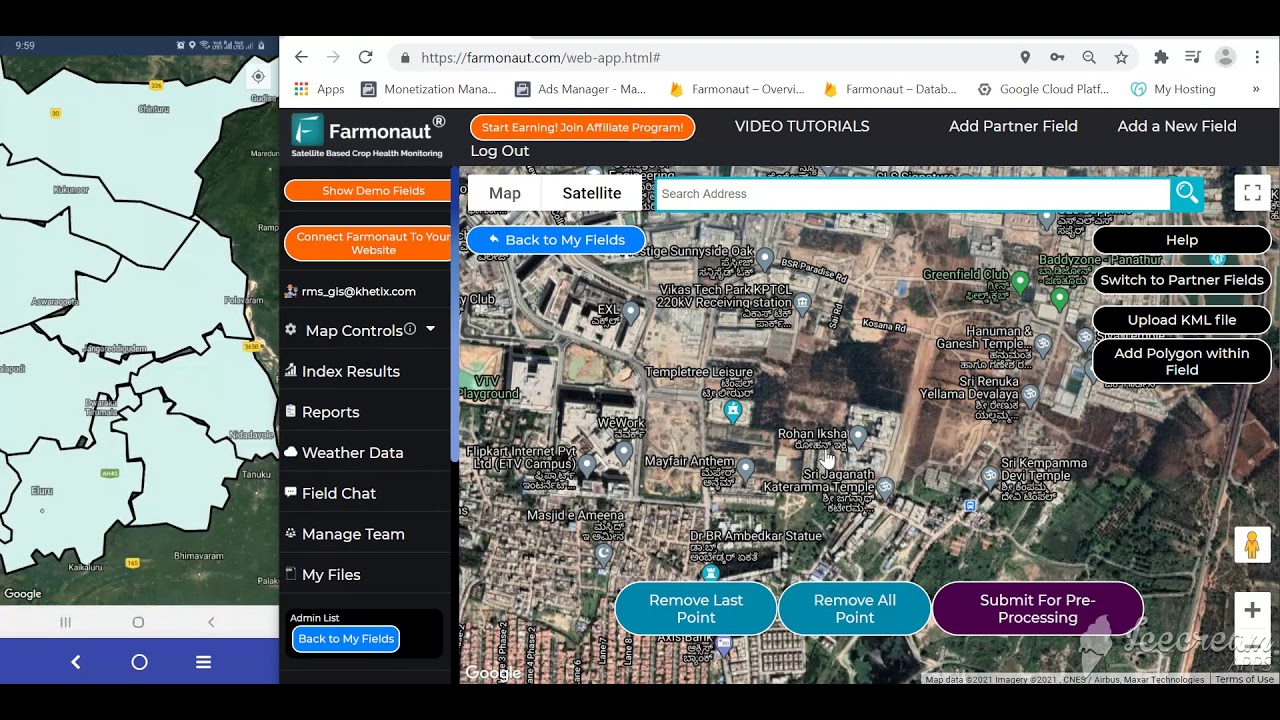
With investments in proper post-harvest handling, processing, storage, and packaging, farmers can expand shelf life, meet strict compliance standards, and enter lucrative markets with confidence.
8. Quality Assurance and Compliance: Earning Market Trust and Premiums
Meeting strict, often global standards is a must-have step involved in agriculture for 2026 and beyond.
Certifications and Standards
- Obtain organic, GAP, GHP, or GLOBALG.A.P. certifications as required by local and export markets.
- Implement regular residue and food safety testing.
Traceability and Environmental Compliance
- Embrace batch-level traceability—from seed to harvest—with blockchain tools for tamper-proof records.
- Maintain digital logs of all inputs, irrigation water sources, and timing of critical operations for audits and consumer confidence.
- Comply with regulations for waste management, biodiversity conservation, and sustainable soil and water management.
Earning and maintaining compliance transforms fields into premium-brand production sites and protects access to high-value markets.
9. Marketing and Value Addition: Turning Field Outputs into Business Success
Translating agricultural outputs into recurring financial success is a step in modern farming that’s often overlooked. Secure profitable market channels and invest in value-added offerings for maximum revenue.
Market Engagement Strategies
- Choose the right channels—direct-to-consumer, wholesale, processing companies, or contract farming.
- Differentiate products via high-quality packaging, branding, or certifications.
- Tap into digital supply chains—for which Farmonaut Traceability is key in 2025 and beyond.
Risk Management for Changing Markets
- Use price hedging and futures contracts for crops exposed to global pricing fluctuations.
- Diversify—across crops, value adds, and geographic locations—to buffer financial shocks.
- Enhance post-harvest value via processing, efficient transport, and export logistics.
Effective marketing, transparent value chains, and data-driven pricing position your farm for future-proof profitability.
10. Technology and Data-Driven Optimization: Farm Management for 2025 and Beyond
Technology has become the backbone of each step involved in modern agriculture. With everything from environmental sensors to satellite analytics, the next generation of farms are precision-run businesses.
Automation, Sensors, and Digital Monitoring
- Embrace soil moisture probes, weather stations, drone-based scouting, and satellite monitoring platforms for data at every layer of crop growth.
- Harness real-time data aggregation platforms—like Farmonaut’s—which combine AI, remote sensing, and blockchain to offer holistic advisory support, environmental monitoring, and digital resource management.
- Schedule machinery maintenance using fleet management systems (see Farmonaut Fleet Management).
Data Analytics and Decision Support
- Analyze spatial and temporal data to optimize planting density, input efficiency, and support rapid response to climate and market trends.
- Modern satellite and drone imagery (NDVI, soil mapping, yield prediction) provide actionable insights weekly.
In summary, technology unifies every step for the modern, sustainable, and scalable farm—setting a new standard for efficiency, transparency, and profitability in the post-2025 agricultural era.
11. Sustainability and Resilience: The Modern Agriculture Imperative
Environmentally resilient farms will lead in 2026 and beyond, making sustainability practices the necessary final step in our guide to modern farming.
- Soil Regeneration: Rotate crops, plant cover crops, use bio-inputs, and minimize tillage for soil health and carbon sequestration. See Farmonaut’s Carbon Footprinting Platform for environmental tracking.
- Biodiversity Boost: Plant hedgerows, pollinator strips, and provide habitat for wildlife to support both pest control and ecosystem services.
- Climate Adaptation: Invest in drought-tolerant varieties, smart water harvesting, and modular, scalable infrastructure ready for weather extremes.
- Compliance Monitoring: Stay ahead of tightening environmental regulations with remote monitoring and digital reporting.
With Farmonaut’s satellite solutions for real-time field monitoring, resource management, traceability, and environmental compliance, we’re empowering farms to track, adapt, and thrive long-term.
Farmonaut Subscription Options
FAQ: Modern Agriculture’s 10 Steps for 2025 and Beyond
Q1: What’s the most important first step in modern farming?
Soil health assessment and strategic planning are vital. Begin by testing, mapping, and aligning goals with your unique field profile and market demands.
Q2: How does technology improve the steps involved in agriculture?
Technology—especially satellite monitoring, remote sensors, data analytics, and AI-based advisories—makes input use more efficient, detects problems early, improves traceability, and boosts both yield and sustainability.
Q3: Why should I care about certification and traceability?
They ensure your farm complies with food safety and environmental laws, builds consumer trust, and allows your produce to command higher prices in global markets. Explore Farmonaut Traceability.
Q4: How can Farmonaut help me?
We at Farmonaut deliver satellite-based monitoring, AI advisory, blockchain traceability, and resource optimization tools—making advanced, data-driven decision support affordable and accessible to all farmers, businesses, and governments.
Q5: Where can I access API integration, developer resources, and platform downloads?
Farmonaut API: sat.farmonaut.com/api
Developer Docs: API Developer Documentation
Download Apps: See buttons above for Android, iOS, and Web platforms.
Conclusion: Embracing the Steps Involved in Modern Agriculture
By systematically following these ten essential steps—1) Scoping and Planning, 2) Soil Health and Preparation, 3) Crop Selection and Breeding Alignment, 4) Inputs and Resource Management, 5) Planting and Establishment, 6) Crop Management and Canopy Optimization, 7) Harvest Planning and Post-Harvest Handling, 8) Quality Assurance and Compliance, 9) Marketing and Value Addition, 10) Technology and Data-Driven Optimization—your farming operation is primed for 2026 and beyond.
With data-driven management, sustainability, traceability, and advanced field monitoring technologies (like those from Farmonaut), farming transitions into a future-ready business—resilient, profitable, and responsible.
Understanding the various steps involved in agriculture is your key to thriving in tomorrow’s markets—across all regions and scales.
Ready to transform your fields?
Get Started on Farmonaut — The Satellite Platform for Modern Agriculture.

 Aamoksh One Eighty
 Patrick America
 Red Dog Management
 Liquify Digital
 CU Foods
 BeyondTech Global
 Rouge VC
 AgroGreen Dynamics
 AgroRisk
 Oath Inc
 Reddane Farming
 Esri North East Africa
 Cresol
 MDCV UK
 Zerella Group
 Etech Consulting Madagascar
 Vestlandsforsking
 Delicio
 WB Dev
 Sama Premium
 Prochecker
