

Natural Phosphorus for Plants: 7 Organic Sources 2026
Table of Contents
- Importance of Phosphorus for Plants in 2026 and Beyond
- Natural Phosphorus for Plants: What Makes It Essential?
- The 7 Best Organic Sources of Phosphorus for Plants (2026 Update)
- Organic Sources of Phosphorus: Key Characteristics and Environmental Impact [Comparative Table]
- Homemade Phosphorus Fertilizer for Plants: A Sustainable Approach
- Sustainability Challenges and Innovations in Phosphorus Management
- How Farmonaut Empowers Sustainable Phosphorus Management with Satellite Monitoring
- Frequently Asked Questions
- Conclusion: Towards Sustainable, Natural Phosphorus Solutions for 2026



As we approach 2026, the management of phosphorus for plants stands at a crossroads. Sustainable natural sources of phosphorus for plants are fundamental for resilient agriculture, ensuring the world’s food systems remain healthy for generations. Synthetic phosphorus fertilizers—primarily from finite, mined phosphate rock—are increasingly scrutinized due to their environmental impact, cost, and geopolitical vulnerability. Meanwhile, organic phosphorus and homemade phosphorus fertilizer for plants are gaining traction, offering sustainable alternatives to boost soil health and foster fertility in agriculture and forestry systems globally.
Importance of Phosphorus for Plants in 2026 and Beyond
Phosphorus (P) is an essential macronutrient, playing a pivotal role in plant development, particularly in root growth, energy transfer, flowering, and photosynthesis. It serves as a core component in ATP (adenosine triphosphate)—the energy “currency” that drives metabolic processes in all plant cells.
Phosphorus is also involved in nucleic acid synthesis (formation of DNA and RNA), cell division, and maintaining membrane integrity. A shortage or deficiency in phosphorus results in:
- Stunted plant growth
- Delayed maturity and flowering
- Poor root system development
- Lower resistance to disease
- Reduced crop yields
As we move towards 2026, the sustainable management of phosphorus has become paramount for maintaining soil fertility and boosting yields in both agriculture and forestry.
Key Insight
- Phosphorus directly influences photosynthesis, root growth, and fruit/seed production in plants.
- Organic and natural phosphorus for plants become even more important as global rock phosphate resources dwindle and synthetic fertilizer use faces tighter environmental regulations.
Natural Phosphorus for Plants: What Makes It Essential?
Natural phosphorus for plants refers to phosphorus derived from organic or mineral sources that occur naturally, rather than through industrial chemical fertilizer production. These sources, when applied with sustainable practices, improve overall soil health, enhance microbial activity, and support robust plant growth.
Most commercially available phosphorus fertilizers are derived from mined phosphate rock (‘apatite’, a sedimentary mineral), concentrated in a few countries such as Morocco, China, and the US. This raises concerns over resource availability and geopolitical dependencies as the world’s population and food demand surge.

Why Switch to Natural Sources of Phosphorus for Plants in Agriculture and Forestry?
- ✔ Sustainability: Slows depletion of finite mineral resources and reduces mining pressure on the environment.
- ⚠ Reduced Environmental Risk: Minimizes nutrient runoff that leads to eutrophication in rivers and lakes.
- 📊 Improved Soil Health: Boosts organic matter and microbial diversity, improving nutrient cycling.
- ✔ Cost Savings: Homemade phosphorus fertilizer for plants and local organic amendments lower input costs for farmers.
- ⚡ Boosts Crop Yields sustainably: Releases nutrients gradually for stable, long-term growth and productivity.
The 7 Best Organic Sources of Phosphorus for Plants (2026 Update)
Let’s explore seven proven sources of phosphorus for plants that offer sustainable, environmentally conscious nutrient management options for farmers, gardeners, and foresters in 2026 and beyond.
-
Rock Phosphate (Sedimentary Apatite)
- Extracted from mined sedimentary rock rich in phosphorus minerals such as apatite.
- Best applied directly in acidic soils where it slowly releases phosphorus.
- Less processed; considered a “slow-release” source, improving soil phosphorus over months or years.
-
Animal Manure
- Common wastes from livestock operations, poultry, and even small animal farms.
- Rich in organic phosphorus compounds, especially when composted or aged.
- Slow, gradual release; supports microbial activity and overall nutrient cycling.
-
Bone Meal
- A byproduct from slaughterhouses, processed by finely grinding cooked bones.
- High in phosphorus and calcium; acts as an amendment that releases nutrients slowly, improving soil retention.
- Best incorporated before planting or topdressed for fruiting/flowering plants.
-
Compost & Composted Food Waste
- Decomposed mixture of plant residues, food scraps, and sometimes animal manures.
- Gradually releases phosphorus as materials break down, supporting organic phosphorus cycling.
- Improves soil structure, water retention, and microbial health.
-
Fish Meal
- From processed fish processing residues; rich in phosphorus and nitrogen.
- Often used in organic gardening and agriculture for boosting nutrient profiles.
- Fast nutrient availability—ideal for quick growth stages.
-
Bat Guano
- Dried bat excrement, exceptionally rich in phosphorus and other nutrients.
- Highly concentrated—applied sparingly or diluted.
- Supports rapid blooming and fruiting in various crops.
-
Green Manures (Cover Crops)
- Legumes and certain grasses uptake phosphorus from deep in the soil and return it when tilled in.
- Fixes nitrogen; builds organic matter in addition to phosphorus.
- A favorite method for regenerative, closed-loop agriculture in 2026.
Pro Tip
Mixing bone meal with compost can offer both quick and slow-release phosphorus, ensuring a continuous nutrient supply throughout a crop cycle. Always test soil pH before applying rock phosphate—it performs best in acidic environments.
Organic Sources of Phosphorus: Key Characteristics and Environmental Impact
| Source Name | Est. Phosphorus Content (% by weight) | Release Speed | Environmental Impact | Sustainable Practices | Typical Application Rate (kg/acre) |
|---|---|---|---|---|---|
| Bone Meal | 12-16% | Slow | Low | Yes (if locally sourced) | 150-350 |
| Rock Phosphate | 24-32% | Slow | Medium | Yes (@acidic soils, minimal processing) | 400-1000 |
| Animal Manure | 1-4% | Medium | Low | Yes (if composted/managed well) | 4000-10000 |
| Compost | 0.5-1.5% | Medium | Low | Yes | 5000-12000 |
| Fish Meal | 3-7% | Fast | Medium | Yes (if sustainably harvested) | 200-400 |
| Bat Guano | 8-16% | Fast | Medium | Yes (sparingly, avoid cave disturbance) | 90-250 |
| Green Manures | 0.1-0.6% | Slow | Low | Yes | Live biomass; plowed-under |

Common Mistake
Applying bat guano or fish meal in excess can result in salt build-up and leaching—always follow recommended rates and local guidelines.
Homemade Phosphorus Fertilizer for Plants: A Sustainable Approach
With growing interest in regenerative agriculture, more growers now seek homemade phosphorus fertilizer for plants using readily available resources. These practices not only reduce input costs but also contribute to sustainable phosphorus management, reducing reliance on factory-made products.

DIY Phosphorus Fertilizer Recipes for 2026
- ✔ Crushed Bone Meal – Collect kitchen bones, boil until soft, dry, then finely grind. Mix with vinegar or water to speed up phosphorus release. Apply directly to soil at root zones.
- ✔ Wood Ash – Sift and add only moderate amounts to avoid alkalizing the soil; contains modest phosphorus, along with potassium and calcium.
- ✔ Banana Peels + Eggshells – Dry, grind, and blend into compost; both contain phosphorus and vital minerals for long-term plant health.
- ✔ Seed Meal Residues – Use residues from oilseed processing (e.g., sunflower, cottonseed) as part of a compost pile or direct soil amendment.
- ✔ Composted Food Waste – Regularly turn and aerate food waste compost to optimize phosphorus availability for new plantings.
Visual List: Best Household Materials for Phosphorus Fertilizer 👩🌾
- 🍖 Bone meal – Contains up to 16% phosphorus; slow-release.
- 🍌 Banana peels – Chop, dry, and grind for micronutrients.
- 🥚 Eggshells – Provide both calcium & modest phosphorus.
- 🌻 Seed cakes – Sunflower or cottonseed meal for compost.
- 🔥 Wood ash – Adds potassium and minor phosphorus; use sparingly.
Investor Note
As phosphate rock becomes harder and more expensive to mine, businesses investing in innovative organic phosphorus solutions stand to benefit from the trend toward natural sources of phosphorus for plants.
Visual List: 5 Steps to Make Your Own Phosphorus Fertilizer
- 1️⃣ Gather bones, shells, or plant residues
- 2️⃣ Clean, dry, and crush to powder
- 3️⃣ Mix with compost or soak in weak acid (e.g. vinegar)
- 4️⃣ Allow to decompose or sit for 2-3 weeks
- 5️⃣ Apply along planting beds or at root zone
Sustainability Challenges and Innovations in Phosphorus Management
Phosphorus for plants is inextricably linked to sustainability issues in global agriculture. Let’s examine the key challenges:
- 🌏 Finite Resources: Phosphate rock is not renewable; reserves are geographically concentrated, making phosphorus availability tied to geopolitical stability.
- 💧 Runoff & Eutrophication: Over-application of synthetic fertilizers leads to phosphorus runoff, fueling harmful algae blooms and biodiversity loss in lakes and rivers.
- ⛏️ Mining Impact: Large-scale extraction of phosphate minerals causes habitat loss, pollution, and ecosystem damage.
- 💸 Rising Input Costs: As mineral fertilizer prices climb, farmers in both developed and developing economies need cheaper, accessible alternatives.
- ⚡ Waste Recycling: Urban and farm waste streams contain recoverable phosphorus—if recycled thoughtfully, they can reduce fertilizer demand.
Innovative Solutions & Practices Emerging for 2026
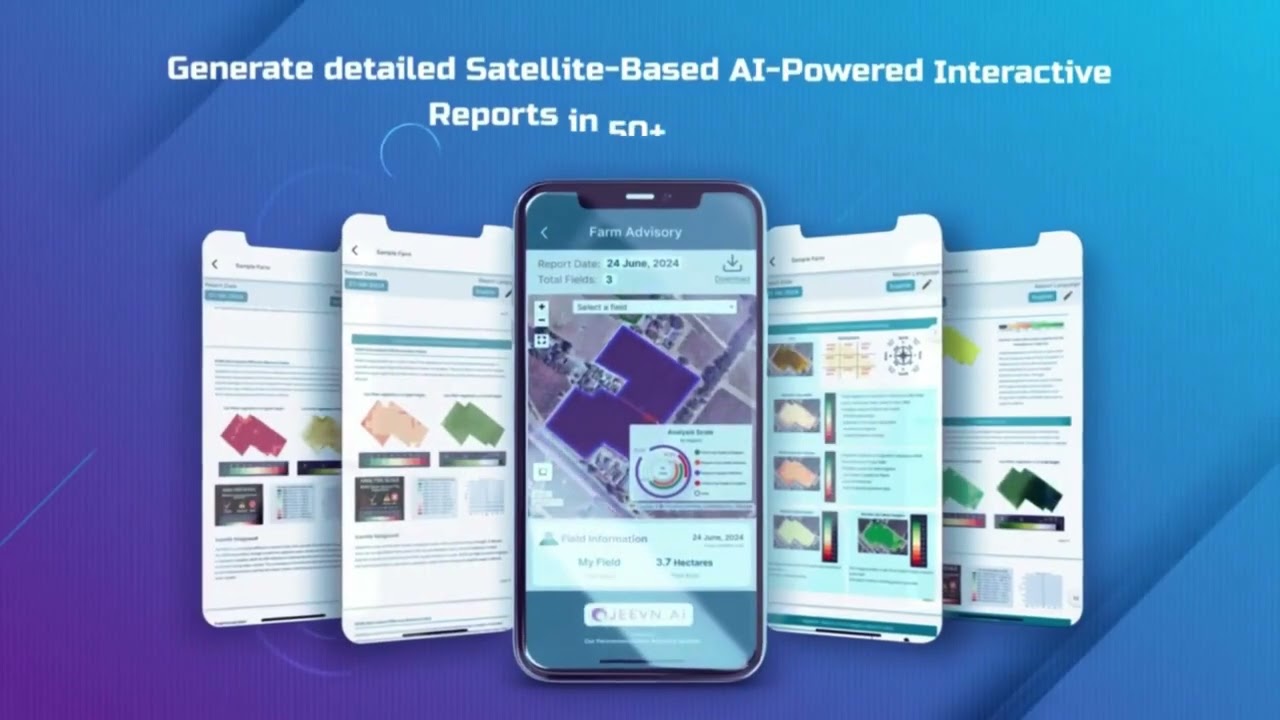
- ✔ Precision Application: Satellite and AI-driven soil analysis (see: Farmonaut’s crop monitoring solutions) ensures phosphorus is applied only where and when needed.
- ✔ Phosphate Solubilizing Microbes: Use of bacteria and fungi capable of mobilizing unavailable soil phosphorus is set to increase.
- ✔ Biochar & Carbon Management: Integrating biochar into farms not only sequesters carbon but can enhance nutrient retention.
- ✔ Compost-Boosted Systems: On-farm composting captures nutrients from crop residues, animal manures, and food waste, improving phosphorus recycling.
- ✔ Traceability and Compliance: New blockchain-based systems (see: Farmonaut’s product traceability) support regulatory compliance and transparent resource management in agriculture and mining.
Data Insight
Up to 40% of phosphorus for plants can be supplied naturally via organic amendments, but only with systematic soil management and progress monitoring—tools like Farmonaut’s large-scale farm management platform help maximize this potential.

How Farmonaut Empowers Sustainable Phosphorus Management with Satellite Monitoring
At Farmonaut, we focus on enhancing sustainable phosphorus management through advanced satellite solutions. By leveraging the power of multispectral imagery, AI, and satellite data, we empower farmers, foresters, and resource managers to:
- Monitor real-time crop and soil health—track phosphorus deficiency symptoms across large areas with unparalleled accuracy.
- Optimize fertilizer application—reduce waste, runoff, and costs by identifying precise zones for phosphorus input.
- Benchmark results—see before/after changes following application of organic phosphorus sources.
- Boost compliance and transparency—use blockchain traceability to meet market and regulatory demands for sustainable practices (explore Farmonaut’s traceability tools).
- Track carbon footprinting and environmental impact using real-time impact analytics (see: Farmonaut’s carbon footprinting module).
Our platform works seamlessly across Android, iOS, web apps, and APIs, enabling users to manage phosphorus-related data, logistics, and resource flows wherever they are on the farm or in the field.
- For developers: Integrate Farmonaut’s satellite & weather API for environmental and soil nutrient monitoring into your own agri-tech stacks with full documentation.
Farmonaut API | API Developer Docs - Maximize field efficiency & resource allocation for large plantation and forest projects with our crop plantation, forest & advisory suite.
- Finance & insurance partners: Use Farmonaut’s unbiased satellite validation to streamline crop loan and insurance, de-risking phosphorus and nutrient investments.
- Optimize logistics: our fleet management solution boosts operational sustainability while reducing costs in agri-supply chains managing inputs like organic phosphorus.
Callout: Why Use Satellite Data for Phosphorus Management?
Satellite imagery and AI analytics enable unrestricted monitoring of phosphorus deficiency at scale, helping farmers and foresters to target organic amendments, track results, and prove sustainability for consumers and regulators in 2026.

Frequently Asked Questions: Natural Phosphorus for Plants
Q1: Why is phosphorus for plants considered a critical macronutrient in 2026?
Phosphorus is critical because it powers energy transfer (ATP), cell formation, and reproductive processes such as flowering and seed setting in all plants. Its unique role in structural and metabolic plant processes cannot be replaced by any other nutrient.
Q2: Which natural sources of phosphorus for plants are best for acidic soils?
Rock phosphate works exceptionally well in acidic soils as it becomes more available for plant uptake. Composted manure and bone meal also perform well; regular soil pH testing is recommended to optimize nutrient use.
Q3: How much homemade phosphorus fertilizer for plants can realistically replace synthetic fertilizers?
With diligent management—using composted animal manures, bone meal, fish meal, and green manures—it’s possible for natural sources to meet up to 40% of annual phosphorus needs for many crops, provided soil health and biology are supported.
Q4: Are there risks in over-applying organic phosphorus sources?
Yes. Excess application can cause phosphorus buildup, leading to run-off, water pollution, and potential regulatory issues. Balanced nutrient management, soil testing, and adherence to recommended application rates minimize risks.
Q5: How can I track phosphorus deficiency and optimize input use in my fields?
Satellite imagery and AI platforms such as Farmonaut facilitate real-time phosphorus deficiency monitoring, supporting targeted application and better yields while protecting the environment.
Conclusion: Towards Sustainable, Natural Phosphorus Solutions for 2026
The global shift towards natural phosphorus for plants and organic fertilizer solutions marks a pivotal stride in sustainable nutrient management. As agriculture, forestry, and allied industries respond to the dual needs of increasing productivity and safeguarding ecosystems, embracing natural sources—supported by satellite-driven monitoring and digital platforms—offers a resilient and resource-efficient path forward.
By diversifying sources of phosphorus for plants, advancing homemade and recycled fertilizer practices, and harnessing real-time data to reduce phosphorus loss and environmental impact, we help ensure soil health, food security, and climate resilience for generations to come.
As 2026 unfolds, staying at the leading edge of phosphorus management innovations—whether through organic recycling, microbial solutions, or tech-enabled monitoring (like Farmonaut)—will be key for farmers, foresters, and sustainability practitioners worldwide.
Ready to transform your nutrient management with the power of natural phosphorus and next-gen monitoring?
Try Farmonaut’s web, iOS, or Android applications for instant access to satellite-backed crop and soil analytics, boosting both yields and environmental sustainability.
Discussion
Questions, corrections or field experience? Share them below. First-time comments are reviewed before they appear, and your email is never published.
No comments yet. Be the first to add a question or your experience.

 Liquify Digital
 Ascentya
 CU Foods
 BeyondTech Global
 Rouge VC
 Yutz Automation
 AgroGreen Dynamics
 AgroRisk
 Oath Inc
 Reddane Farming
 Esri North East Africa
 Cresol
 Atur Kuliner
 MDCV UK
 Zerella Group
 Etech Consulting Madagascar
 Vestlandsforsking
 Delicio
 WB Dev
 Sama Premium
 Prochecker
 Tres Valles
 LACOS Geoinformation
 Magrifly
