

#naturalfarming latest: Top Ideas & Benefits 2026
- Introduction: #naturalfarming latest—2026 Context
- Quick Trivia: Biodiversity & Soil Health
- Natural Farming Ideas & Latest Advances (2025–2026)
- Principles & Pillars of Natural Farming
- Top Natural Farming Practices for 2026
- Modern Technologies & Innovations
- The Role of Farmonaut in Natural Farming’s Evolution
- Advantages of Natural Farming vs Conventional Farming
- Callout Zones: Key Insight, Pro Tip & More
- Key Challenges & Future Directions
- Frequently Asked Questions
- Farmonaut Subscriptions
- Conclusion: Shaping a Resilient Future
Introduction: #naturalfarming latest—2026 Context
In 2025 and as we approach 2026, the #naturalfarming latest trends continue to gain significant momentum in agriculture, emerging as a powerful, sustainable alternative to conventional methods. This surge is rooted in the principles of working harmoniously with nature—minimizing synthetic and external inputs while promoting biodiversity, resilient soils, and crop systems that support long-term environmental and economic health.
Natural farming ideas and innovations have evolved rapidly, integrating modern technologies with traditional wisdom to tackle escalating challenges like soil degradation, climate change, volatile input prices, water scarcity, and the growing need for resilient, efficient food production systems.
This blog explores the latest natural farming ideas, key practices, and the striking advantages of natural farming for 2026 and beyond. We’ll also highlight how satellite-based solutions, like those offered by Farmonaut, are empowering farmers and transforming agricultural sustainability worldwide.
“By 2026, natural farming could increase on-farm biodiversity by up to 30% compared to conventional methods.”
Quick Trivia: Biodiversity & Soil Health
- 📊 Data insight: Studies show natural soil amendments improve soil organic matter by 18% within one year of adoption.
#naturalfarming latest: Ideas & Advances for 2025–2026
By 2025 and going into 2026, the #naturalfarming latest breakthroughs have emerged from the integration of traditional wisdom, modern scientific insights, and digital technology. These innovations revolve around three central themes: soil health, biodiversity, and resource efficiency—all essential components for future-proof agriculture.
Standout Natural Farming Ideas for 2026
- ✔ Bio-inoculants & Microbial Mixtures: Custom blends boost soil fertility, enhance nutrient cycling, and accelerate organic matter formation—eliminating dependency on synthetic fertilizers and pesticides.
- ✔ Locally Sourced Inputs: Use of on-farm compost, green manures, crop residues, and cover cropping—enriching soil while reducing costs.
- ✔ Polyculture Systems: Optimized designs that combine crops, integrate agroforestry, and foster synergy for improved pest control, pollination, and carbon sequestration.
- ✔ Precision Natural Farming: Leveraging drones, soil sensors, and satellite imagery for targeted, eco-friendly interventions that respect the natural farming ethos.
- ✔ Minimal Disturbance Methods: “Do-nothing farming,” inspired by Masanobu Fukuoka, focusing on mulching, no-till, mulched cover, and reduced soil disturbance for healthier microbial networks.
Why Are These Approaches Gaining Traction?
The #naturalfarming latest approaches respond directly to the pressing needs of 2026:
- ⚠ Escalating chemical input costs and increasing pesticide resistance
- ⚠ Degraded soils with falling fertility and reduced long-term viability
- ⚠ Climate-driven production risks: droughts, floods, and unpredictable weather
- ⚠ Regulatory and market demands for eco-friendly, chemical-free produce
- ⚠ Farmer wellbeing: Lowered operational risks and improved economic resilience
Rooted Principles: Pillars of Natural Farming Systems
Natural farming relies on an integrated systems approach to agriculture, emphasizing:
- Minimal External Inputs: Rejecting synthetic fertilizers, pesticides, and herbicides—using farm-sourced organic matter and nutrient cycling to foster natural fertility.
- Soil Health & Organic Matter: Nourishing soil life and structure through composting, mulching, green manures, and cover crops that build resilience and productivity.
- Biodiversity: Multiple crops, trees, shrubs, and hedgerows support stable agro-ecosystems, natural pest regulation, and pollination.
- Water Conservation: Context-appropriate techniques like rainwater harvesting, micro-irrigation, and contour bunds that maximize efficiency and resilience to climate shock.
- Integration with Local Ecosystems: Blending on-farm resources, fostering wild flora/fauna, and facilitating natural regeneration.
- Farmer Knowledge: Continuous learning, observation, and adaptation—blending traditional wisdom with up-to-date scientific insights.
Sustainable soil systems are at the heart of the #naturalfarming latest advances—improved organic matter, living roots, and soil microbe diversity fuel resilient, productive farms for 2026 and beyond.
Top Natural Farming Practices for 2026
What are the core natural farming ideas and practices now powering the sector? These methods have moved quickly from niche to mainstream as their advantages become increasingly clear:
- ✔ No-Till or Minimal Tillage: Discourages plowing/tilling, supporting soil microbiomes and natural structure.
- ✔ Mulching: Crop residues and locally available organic matter maintain moisture, suppress weeds, and build soil carbon.
- ✔ Cover Cropping: Living covers enrich soil fertility, fix nitrogen, prevent erosion, and feed soil microbes.
- ✔ Green Manures: Integrated legumes are turned into the soil to boost nitrogen and organic matter naturally.
- ✔ Natural Pest & Disease Control: Habitat for beneficial insects, companion planting, botanical pest deterrents, and minimal intervention.
- ✔ Rainwater Harvesting & Water Conservation: Contour bunds, small ponds, and micro-irrigation are context-optimized for drought resilience.
- ✔ Polyculture & Agroforestry: Multi-species designs optimize ecosystem services, yield, and climate resilience.
- ✔ Natural Regeneration in Forestry: Native species restore health to degraded landscapes, enhance carbon sequestration, and boost biodiversity.
“Studies show natural soil amendments improve soil organic matter by 18% within one year of adoption.”
Icons Visual List: Pillars in Practice
- 🌱 Soil Health: Composting, mulching, organic residue return
- 🚜 Minimal Tillage: Less disruption, more life, better structure
- 🌊 Smart Water Use: Rainwater harvesting, micro-irrigation
- 🌳 Biodiversity: Polycultures, resilient hedgerows, wild buffers
- 🦗 Natural Pest Control: Encouraging insect allies, plant mixtures

Want to boost soil health rapidly? Routinely adopt mulching with locally available residues—this technique multiplies soil microbes, locks in moisture, and accelerates nutrient cycling without external chemical input.
Modern Technologies & Innovations: Precision & Satellite Farming
2026 marks a new era of natural farming—precision agriculture and satellite-based insights now supercharge traditional methods without sacrificing the core principles. Farmonaut and similar technology providers are at the frontier of this transformation.
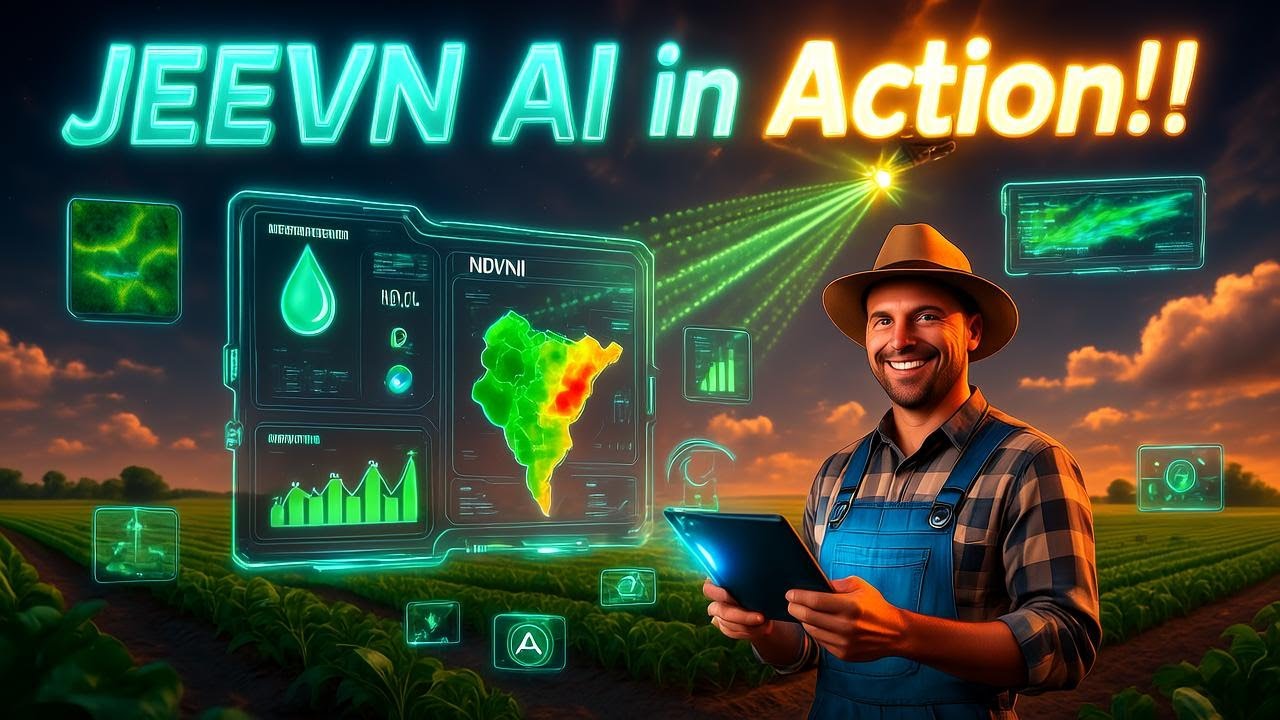
- ✔ Satellite Crop Monitoring: Satellites provide visual analysis of vegetation health (NDVI), track soil moisture, fertility, and detect pest/disease stress—allowing farmers to act swiftly and naturally.
- ✔ Drones & Smart Sensors: Real-time drone data and ground sensors spot issues and guide ultra-precise use of water, compost, biostimulants, or other permitted inputs.
- ✔ AI Advisory Systems: Artificial intelligence now tailors strategies for each plot, taking local ecosystem factors, historical climate trends, and plant stressors into account.
- ✔ Blockchain Traceability: Organic, eco-friendly produce can be tracked from field to fork—boosting market access and transparency for natural farming systems.
- ✔ Environmental Monitoring: Carbon footprint, resource consumption, and biodiversity trends are tracked, supporting farms and businesses on their sustainability journey.

Visual List: Technology-Driven Natural Farming Advantages
- 🌐 Scalable Monitoring: 24/7, plot-specific insights
- 🤖 AI Advisories: Hyper-local, timely, carbon footprinting & status updates
- 🔗 Traceability: End-to-end farm traceability for trust and organic certification
- 💧 Water Optimization: Minimizing water use, maximizing yields (see precision water management in action)
- 📈 Market Access: Verified eco-friendly produce attracts premium buyers
How Farmonaut Supports the Future of Natural Farming
As a satellite technology company, we at Farmonaut help advance natural farming by providing accessible satellite-based crop monitoring, AI-guided advisories, blockchain-based traceability, and real-time farm management tools. Our solutions empower farmers, large-scale organizations, and governments to:
- ✔ Track real-time vegetation health, soil conditions, and water use
—optimized for natural, organic, and diverse cropping systems. - ✔ Leverage AI-driven insights for field-specific, weather-aware sustainable practices through Jeevn AI—adjusting crop management based on in-field data, not assumptions.
- ✔ Access blockchain-secured traceability
—proving their eco-friendly production credentials. - ✔ Monitor environmental impact and carbon sequestration
—pivotal for climate finance, sustainability credits, and responsible branding. - ✔ Unlock financing and insurance based on objective satellite verification (see more)
- ✔ Streamline resource and fleet management for farms practicing natural/organic methods (fleet management tools)
- ✔ Scale their operations securely and affordably using our multi-platform interfaces (web, Android, iOS) and accessible API resources. (API documentation)




Comparative Benefits Table: Natural vs Conventional Farming
| Farming Aspect | Natural Farming Approach & Estimated Benefit | Conventional Farming & Typical Performance |
|---|---|---|
| Soil Health | No-till, mulching, organic amendments +30% soil organic matter in 3–5 years |
Regular tillage, synthetic fertilizers; Soil organic matter declines up to 20% |
| Biodiversity | Polycultures, wildlife corridors, minimal chemicals Up to 30% increase in functional biodiversity |
Monoculture, habitat loss, chemical risk Reduced biodiversity, more pest outbreaks |
| Water Usage | Contour bunds, compost-rich soil, micro-irrigation Up to 40% less water needed |
Flood irrigation, low retention High evaporation loss, poor efficiency |
| Chemical Input | No synthetic fertilizers or pesticides No toxic residues, lower input costs |
High chemical reliance Input costs, environmental/health hazards |
| Crop Resilience | Biological diversity, healthy soil Greater drought & pest resilience |
Low diversity High risk from climate and pest shocks |
| Yield Stability | Initial learning curve, stable/improving yields over time 3–8% annual stability increase after transition |
High initial yields, declining over time as soil degrades Variable, risky in extreme weather |
| Carbon Footprint | Carbon sequestration in soil & trees 3-10 tons/ha/yr CO₂e captured |
Higher fossil fuel & fertilizer use Net emitter: 2–6 tons/ha/yr CO₂e |
Expecting instant, high yields in the first season of transition to natural farming.
Fact: Natural/organic methods require 2–4 years for soil and ecosystem recovery, but deliver stable, resilient results after this initial adjustment.
Top 5 Advantages of Natural Farming (and Why It’s Becoming Mainstream)
- ✔ Regenerates Soil Health: Natural farming ideas enrich organic matter, boost fertility, and minimize long-term degradation.
- ✔ Promotes Biodiversity: Diverse crop rotations, polycultures, and wild strips build pest resilience and ecosystem services.
- ✔ Reduces Environmental Impact: Lower water use, zero chemical runoff, less greenhouse gas emissions, and proven carbon sequestration—especially when paired with technology-driven monitoring like our carbon footprint tracking.
- ✔ Low Economic Risk: Minimizes input costs and external dependencies, more stable market access for chemical-free produce.
- ✔ Climate Resilience: Soils with higher organic matter withstand drought, flood, and pest shocks—key in uncertain climates.
Natural farming is not only an “ethical” choice—it’s increasingly recognized as an asset class for green bonds, ESG portfolios, and carbon markets, especially when paired with satellite-based carbon sequestration tracking.
The synergy between natural farming ideas and satellite-driven technologies will continue to unlock new efficiencies, traceability, and climate-resilient food systems in 2026—and help fight rural poverty, food insecurity, and rising climate risk.
Challenges & Future Directions of #naturalfarming
- ⚠ Knowledge Gaps: Initial learning curve; investing in training, farmer-to-farmer knowledge exchange accelerates adoption across regions.
- ⚠ Yield Variability: New adopters may face short-term reductions. Technology-driven monitoring helps optimize transitions.
- ⚠ Market Barriers: Premium markets depend on transparent traceability and reliable proof of organic/natural production.
- ⚠ Input Accessibility: Access to bio-inoculants, cover crop seed, and local compost can limit early growth in some regions.
- ⚠ Policy Support Needed: Subsidies, incentives, and policies aligning with environmental benefits can accelerate the shift.

Using Farmonaut’s satellite imagery, AI advisories, and blockchain traceability, farms and businesses future-proof their sustainability credentials, improve their climate resilience, and open doors to new financing, including crop insurance and climate-linked loans. See solutions for large-scale management.
Frequently Asked Questions
What is natural farming?
Natural farming is a holistic, low-input approach rooted in working harmoniously with nature, minimizing external and synthetic inputs, and enhancing soil health, biodiversity, and ecosystem balance for sustainable agriculture.
What are the main benefits of natural farming compared to conventional methods?
Key advantages of natural farming include improved soil health, increased biodiversity, reduced input costs, minimal chemical residues, higher climate resilience, long-term yield stability, and a lower carbon footprint. (See the comparative table above.)
How does natural farming address climate change?
By promoting carbon sequestration, water-efficiency, and biodiversity in agricultural systems, natural farming helps to mitigate greenhouse gas emissions and build resilient food production that withstands weather extremes.
How can technology like Farmonaut support natural farming?
Satellite data, AI advisories, blockchain traceability, and resource management tools from technology companies like Farmonaut provide real-time field monitoring, tailored management strategies, traceable proof for organic markets, and environmental impact data for financing and certification.
What is the economic impact for farmers adopting natural farming?
Lower input costs and growing consumer demand for chemical-free produce can make natural farming more profitable in the medium to long term, especially when paired with verified sustainability and traceability innovations.
Farmonaut Subscriptions & API Access
We provide affordable, scalable subscription plans for individuals, businesses, governments, and developers—enabling secure and flexible access to satellite-driven agricultural insights, fleet/resource management, traceability, and more.
See our API for integration details. | Read the developer docs.
Developers and agri-enterprises can seamlessly integrate Farmonaut’s satellite, AI, and blockchain solutions directly into their platforms via robust APIs for data automation and next-gen service delivery.
Conclusion: Guiding Natural Farming into a Resilient Future
As we look to 2026, natural farming is not just a collection of practices—it’s an eco-centric movement reshaping agriculture, food security, and environmental stewardship worldwide. By harmoniously blending low-input traditions, ecosystem knowledge, and agile digital technologies—including our solutions at Farmonaut—a new, sustainable paradigm for farming is emerging.
The #naturalfarming latest innovations and approaches are poised to address escalating challenges around soil health, climate risk, and biodiversity loss. Tools like satellite crop monitoring, AI-driven advisories, and transparent traceability mechanisms empower all stakeholders to optimize efficiency, prove sustainability, and reward farmers for their ecological contributions.
What’s next? Expect continued integration of technology and tradition, new policy support, stronger premium markets, and a diverse, resilient global food system led by #naturalfarming ideas.
Together, by supporting natural, sustainable farming, we invest in the food security, prosperity, and planetary health of generations to come.
Discussion
Questions, corrections or field experience? Share them below. First-time comments are reviewed before they appear, and your email is never published.
No comments yet. Be the first to add a question or your experience.

 Soybean Processors Association
 Sun Palm Australia
 Grandstream Algérie
 XOS Realty
 Geospatial Lab Africa
 Agro La Gándara
 HIPSAC
 ZOL Zimbabwe
 Juligerm
 AdBio
AdBio MISE Maroc
 NWNS
NWNS Red August Group
 Farm Inc
 WeMe Global
 Agrotoken
 Blue BearX
 Insignito
 Croptimum
 DnCubed
