

Plenty Vertical Farming & DIY: 7 Powerful Trends for 2026
The Rise of Vertical Farming: Transforming Agriculture in 2025 and Beyond
Table of Contents
- 1. Introduction: The Rise of Vertical Farming
- 2. Trivia: Vertical Yield & Aeroponics Adoption
- 3. Understanding Vertical Farming: Concepts & Methods
- 4. 7 Powerful Vertical Farming Trends for 2026
- a. Trend 1: Aero Vertical Farming & Advanced Aeroponics
- b. Trend 2: DIY Vertical Farming Systems for Urban Growers
- c. Trend 3: AI, Robotics & Smart Sensors
- d. Trend 4: Sustainability & Energy Efficiency
- e. Trend 5: Expansion into Vertical Crab Farming & Aquaculture
- f. Trend 6: Urban Integration & Food Security
- g. Trend 7: Blockchain Traceability & Resource Optimization
- 5. Comparison Table: Key Vertical Farming Trends (2026)
- 6. Technology & Innovation in Vertical Farming
- 7. Farmonaut: Satellite Intelligence for Modern Agriculture
- 8. FAQs: Vertical Farming, DIY, and the Future
- 9. Summary & Conclusion: The Road Ahead
“Vertical farms can yield up to 350 times more crops per square meter than traditional farming methods.”
Introduction: The Rise of Vertical Farming
As the global population continues to burgeon into 2026, challenges of arable land becoming increasingly scarce place immense pressure on traditional agriculture. Increased urbanization, climate unpredictability, and environmental degradation have resulted in mounting challenges for food systems. In response, vertical farming emerges as a revolutionary solution, redefining the way we cultivate crops by maximizing space, optimizing resources, and dramatically minimizing environmental impacts.
From high-tech companies like Plenty changing urban food landscapes to DIY vertical farming systems empowering city-dwellers, the vertical approach to agriculture is ushering in a new era. This comprehensive guide explores the seven most powerful trends for 2026, including aero vertical farming, smart aquaculture, sustainability frameworks, and technological advancements in resource monitoring and AI.



Key Insight
Understanding Vertical Farming: Concepts & Methods
Vertical farming involves growing crops in vertically stacked layers, often inside controlled environment agriculture (CEA) systems such as greenhouses, shipping containers, or urban skyscrapers. Unlike conventional agriculture that requires expansive land plots, vertical farms employ compact, multi-level spaces.
This approach enables them to:
- ✔ Grow more produce per square meter
- ✔ Enable year-round production regardless of weather or soil quality
- ✔ Employ hydroponics, aeroponics, and aquaponics for maximum nutrient delivery and water savings
- ✔ Reduce environmental impact (water, land, emissions)
- ✔ Integrate advanced sensor, data, and automation technologies
The adoption of vertical farming is being accelerated by innovative players such as Plenty, whose plenty vertical farming systems leverage everything from machine learning and robotics to cutting-edge LED lighting and sensor networks. These elements ensure consistent, premium crop quality and reliable yields, making vertical farming a revolutionary solution to global food production challenges.

Pro Tip
While both methods save water and space, aero vertical farming can accelerate growth rates by delivering nutrients as precise mist, resulting in up to 90% less water usage versus soil-based systems.
Visual List: 🌱 Foundational Elements of Vertical Farming
- 🌆 Urban Integration: Brings crop production directly into city centers and food deserts
- 🧑🔬 Controlled Environments: Uses smart greenhouses and AI-monitored conditions
- 🌊 Resource Optimization: Slashes water & fertilizer usage, reuses nutrients efficiently
- ⚡ Automation: Implements robotics for planting, monitoring, and harvesting
- 🔗 Blockchain Traceability: Verifies origin and production chain for consumers and regulators

Investor Note
7 Powerful Vertical Farming Trends for 2026
“By 2026, 40% of urban agriculture is projected to use advanced DIY aeroponics systems.”
With the pace of urbanization and climate change, 2026 marks a milestone for vertical farming innovation. The following trends are set to reshape the industry:
| Trend | Description | Estimated Urban Adoption Rate (%) | Estimated Yield Improvement (%) | Potential Cost Reduction (%) | Sustainability Impact |
|---|---|---|---|---|---|
| Aero Vertical Farming | Growing crops with suspended roots misted with nutrients; extreme water savings | 40 | 95 | 60 | High |
| Smart Sensors & AI | Automated monitoring & optimization using real-time data, machine learning, and robotics | 60 | 90 | 50 | High |
| DIY Vertical Farming Kits | Accessible home/community kits with integrated LED, hydro, or aeroponics | 40 | 68 | 45 | Medium |
| Energy-Efficient Lighting | Advanced LED, solar, and dynamic spectrum lighting to lower costs and power usage | 80 | 80 | 45 | High |
| Vertical Crab Farming/Aquaculture | Stacked aquatic tanks for seafood and aquatic crops in urban centers | 15 | 75 | 40 | Medium |
| Blockchain Traceability | Digital record-keeping to enhance supply chain transparency and trust | 35 | 70 | 50 | High |
| Urban Food Security Strategies | Initiatives for integrating vertical farming directly into city policy, infrastructure, and planning | 56 | 70 | 33 | High |
✔ Top 5 Benefits of Modern Vertical Farms
- 🌱 Year-round productivity: Stable conditions & accelerated crop cycles
- 💧 Extreme water conservation: Up to 90% less usage with aeroponics/hydroponics
- 🏬 Urban food security: Fresh local produce supply for cities
- ⚙️ Lower labor and resource costs: AI, robotics, and automation reduce human error and cost
- 🌍 Lower carbon impact: Less transport, pesticide use, and loss compared to field farms
Common Mistake
Trend 1: Aero Vertical Farming & Advanced Aeroponics
At the forefront, aero vertical farming leverages aeroponics—where plant roots are suspended in air and misted with nutrient-rich solutions. Compared to traditional soil-based agriculture, this method uses up to 90% less water, accelerates plant growth, and is highly efficient in space utilization.
- 📈 Yield improvement: Growth rates increase drastically thanks to better oxygenation and direct root nutrition.
- 🦠 Disease reduction: Isolated roots lower risks from soil-borne diseases and pests.
- 🧬 Precision farming: Nutrient delivery tailored per crop species and development stage.
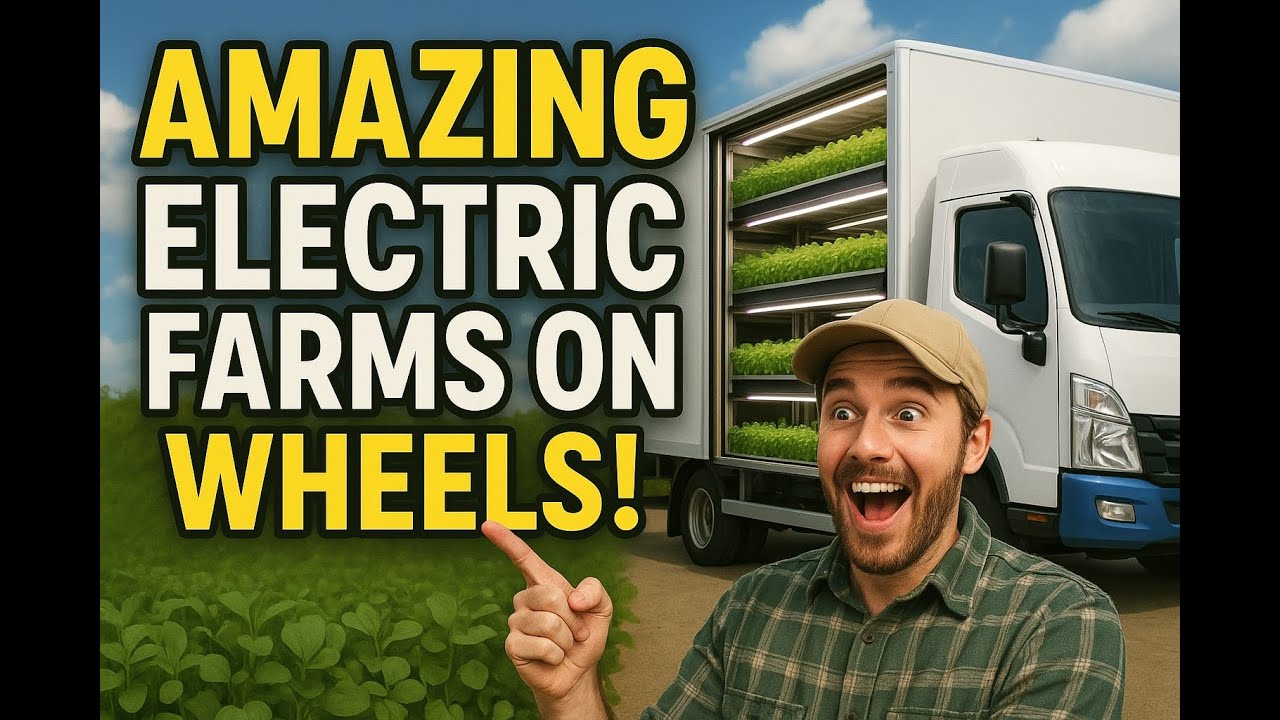
Trend 2: DIY Vertical Farming Systems for Urban Growers
As access to advanced agri-tech becomes democratized, the vertical farming diy movement is booming—especially in cities. Affordable kits, open-source plans, and community workshops let anyone grow fresh produce locally, vertically, and sustainably from their own space.
- 🏗️ Flexible setups: Windows, balconies, rooftops, even kitchens can host vertical “mini-farms.”
- 🔌 Integrated smart sensors: Many DIY systems include Bluetooth-connected sensors for light, humidity, water, and nutrient monitoring.
- 👨👩👧👦 Community resilience: Neighborhoods and schools build food sovereignty together.
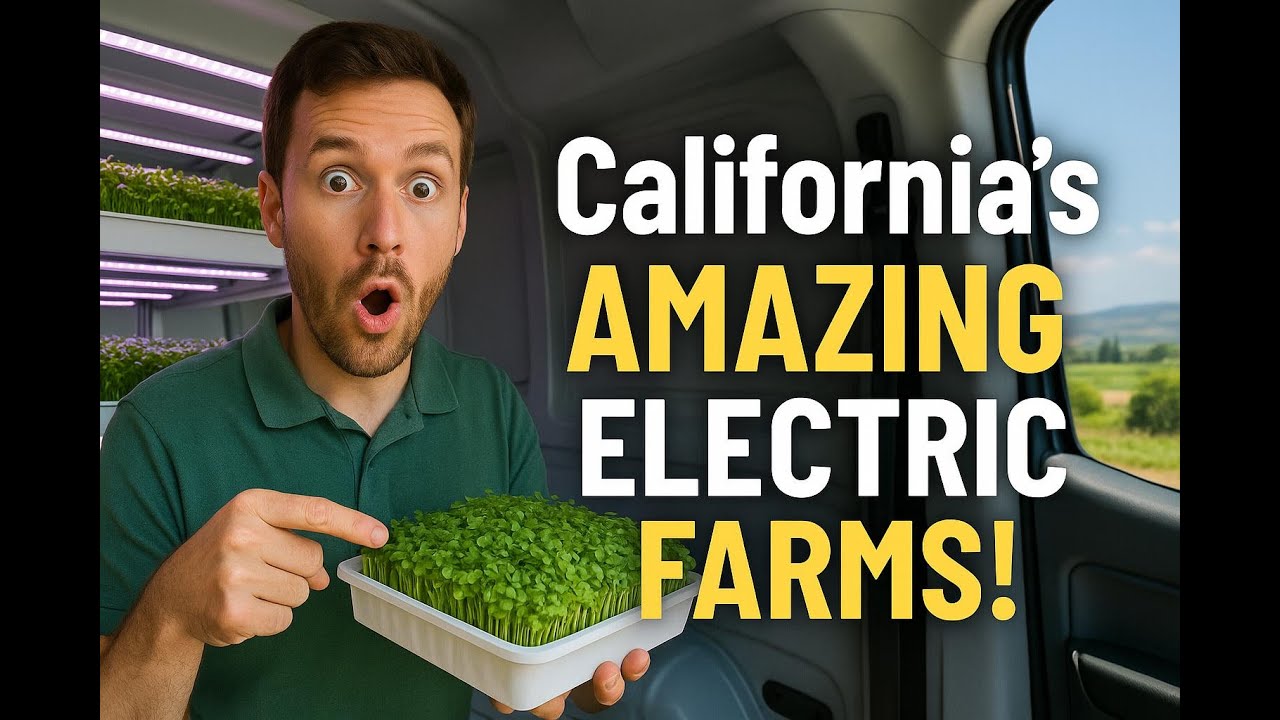
Trend 3: AI, Robotics & Smart Sensors
Vertical farming companies such as Plenty are increasingly employing machine learning, AI-powered smart sensors, and robotics. These optimize every aspect of crop growth—soil-free environments, climate, nutrient dispersion, watering, and even robotic harvesting.
- 🤖 Growth optimization: Automated systems apply precise interventions—watering, nutrients, harvesting—on a plant-by-plant basis.
- 📊 Predictive analytics: ML models forecast yield, detect threats, and proactively tune environments for premium quality.
- 🔄 Operational efficiency: Labor costs are reduced as robotics handle tedious, repetitive, and delicate crop tasks.
The integration of robotics and data platforms is expected to become nearly universal across leading vertical farms by 2026.
Trend 4: Sustainability & Energy Efficiency
Sustainability is not a buzzword, but a central pillar of plenty agriculture—and end-to-end, resource-efficient vertical farming systems are setting new standards for reduced carbon footprints. These approaches include:
- ⚡ Energy-efficient LED lighting and solar integration
- 🌍 Drip-irrigation and recirculation systems minimizing water waste
- 🔋 Onsite renewable energy for powering robotics and climate controls
Farmonaut’s Carbon Footprinting Tools let modern agri-businesses track, analyze, and reduce emissions across their operations, supporting regulatory compliance and market incentives while safeguarding planetary health.
- 📊 LED technology now delivers up to 55% greater efficiency versus older HPS lamps
- 📊 Food waste reduced by up to 80% due to hyperlocal supply
Call Out Box: Sustainability and Compliance
Trend 5: Expansion into Vertical Crab Farming & Aquaculture
Vertical farming principles are expanding beyond plants into smart aquaculture. Vertical crab farming involves stacking aquatic tanks or trays for crabs, shrimps, and fish within urban buildings. Advanced filtration and water quality control enable:
Those drawn to the aquaculture side can learn about raising trout in hydroponic setups at home or on a small farm.
- 🦀 High-density seafood production
- 💧 Recycled water use and fewer effluents than shoreline operations
- 🏢 Urban proximity, slashing logistics for fresh, premium seafood
These specialized systems increase protein availability for urban centers, diversify food portfolios, and help reduce pressure on wild crab stocks for ecosystem preservation.

Trend 6: Urban Integration & Food Security
Major metropolitan regions are experiencing a vertical farming boom as planners integrate food production directly into the urban fabric. Key drivers for this trend include:
- 🏙️ Local resource resilience: Food deserts are addressed through community and commercial vertical installations
- 🌆 Policy incentives: Urban governments reward sustainable foods and building-integrated greenhouses
- 🤲 Reduced food miles: Ultra-fresh produce reaches consumers the same day it’s harvested
By 2026, it’s projected that over half of new urban food initiatives will mandate or incentivize vertical farming to boost food security and reduce vulnerability to supply chain shocks.
Key Drivers of Urban Adoption
- ✔ Land scarcity: Skyrocketing land prices promote stacked urban agriculture
- ✔ Climate instability: Indoor CEA buffers crops from heat, storms, and changing rainfall
- ✔ Consumer demand: Locals seek fresh, natural, and ethically-grown produce

Trend 7: Blockchain Traceability & Resource Optimization
With increasing consumer concern over food integrity, origin, and quality, the adoption of blockchain-based traceability in vertical farming is accelerating. These systems:
- 🔗 Document every input and output: pesticide-free, non-GMO verification, lot-segmenting for recalls
- 🔍 Build trust: Provenance data accessible for anyone buying from vertical farms
- 💼 Reduce fraud & liability: Secure, immutable data mitigates legal and financial risk
For those seeking complete transparency, **Farmonaut’s product traceability tools**, powered by blockchain, deliver end-to-end supply chain verification for crops, seafood, and peri-urban vertical farms.
- 🛡️ Food security: Tamper-proof records for every stage of production
- 🚚 Supply chain resilience: Immediate root-cause tracing for recalls or complaints

Technology & Innovation: The Cornerstone of Vertical Farming
Modern vertical farms achieve their efficiencies through strong integration of advanced technologies:
- 🛰️ Satellite-based monitoring for macro & micro-scale environmental insights
- 🚀 AI advisory systems (e.g., Farmonaut’s Jeevn AI) for tailored, real-time crop recommendations
- 🔗 Blockchain for traceability and food safety
- 🦾 Robotics and machine learning to automate crop handling from planting to harvest

Farmonaut: Satellite Intelligence for Modern Agriculture
At Farmonaut, we recognize that innovative technology is the backbone of transforming both traditional and vertical agriculture worldwide. Our mission is to make **satellite-driven insights** affordable and accessible, empowering agriculturalists, urban growers, and food security strategists to make data-driven decisions.
Our platform delivers:
- ✔️ Multispectral satellite crop monitoring: Track vegetation health, monitor urban greenhouse performance, and optimize resource use in vertical farms with near real-time imagery.
- ✔️ Jeevn AI-based advisory: Get custom, actionable recommendations for agriculture, infrastructure, and urban farming for higher productivity and better resource management.
- ✔️ Blockchain-based product traceability: Guarantee food origin, authenticity, and safety from vertical and traditional farms alike.
- ✔️ Fleet & resource management: For operators managing delivery fleets or urban farm equipment, our fleet management tools optimize usage, reduce costs, and enhance logistical efficiency.
- ✔️ Environmental impact tracking: Proactive carbon footprint analysis, helping organizations achieve sustainability goals and regulatory compliance.
We offer these services through responsive web and mobile apps (available on Android and iOS), as well as robust developer APIs (see developer docs)—helping all stakeholders harness the full value of satellite technology for urban, vertical, and beyond.
Our solutions enable cost-effective, sustainable, and transparent farming—giving urban centers a head start towards food security and environmental stewardship, now and for the future.
Investor Note
FAQs: Vertical Farming, DIY, and the Future
-
Q: What is the main difference between vertical farming and traditional farming?
A: Vertical farming grows crops in controlled, vertically stacked layers (often soil-free, using hydroponics or aeroponics), whereas traditional farming utilizes expansive, horizontal plots outdoors. -
Q: Are DIY vertical farming systems viable for small urban spaces?
A: Yes! DIY kits and homemade hydro- or aeroponic towers can thrive in apartments, balconies, and rooftops—making fresh, local produce accessible to city dwellers, even with minimal space. -
Q: How do innovative technologies (like AI and blockchain) improve farming outcomes?
A: AI and smart sensors optimize everything—irrigation, lighting, nutrient delivery, and harvesting. Blockchain secures traceable data on every crop stage, building food safety and consumer trust. -
Q: What makes “plenty vertical farming” unique?
A: Companies like Plenty employ advanced robotics, machine learning, and environmental control systems to ensure premium quality and yield from vertical farms, using far fewer natural resources. -
Q: How can vertical crab farming benefit cities?
A: Vertical crab farming stacks recirculating tanks to raise seafood in urban environments—yielding high-quality protein while reducing impact on natural marine resources and slash logistics costs. -
Q: How can Farmonaut support vertical and traditional farm management?
A: Our satellite data offers health/vigor mapping, environmental impact monitoring, traceability, fleet/resource optimization, and real-time AI advisories—enabling data-driven, sustainable decisions.
Summary & Conclusion: The Road Ahead
Vertical farming is reshaping the global food landscape. As the population continues to burgeon and arable land becomes more scarce, plenty vertical farming, DIY approaches, and innovative aquaculture will be critical for food security, energy conservation, and sustainable urban growth.
Key points for a successful transition to 2026:
- 🌱 Deploy aero vertical farming & smart sensors for maximum yield efficiency/space
- 💡 Embrace energy-efficient lighting with renewable sources to cut costs
- 🛠️ Engage with DIY systems to boost household and community resilience
- 🦀 Expand into vertical crab farming & aquaculture to diversify urban protein sources
- 🔗 Leverage blockchain traceability for food safety, market confidence, and compliance
Urban planners, tech innovators, and citizens have the tools and knowledge—the future of food is vertical, tech-driven, and sustainable.
Ready to level up your agriculture intelligence?
Launch Web App Now

 AgriBazaar
 Geno
Geno Hayleys Agriculture
 Linx Agritech
 Adinet
 Save Your Soils
 Grandstream Algérie
 XOS Realty
 Geospatial Lab Africa
 Agro La Gándara
 HIPSAC
 ZOL Zimbabwe
 Juligerm
 AdBio
AdBio MISE Maroc
 NWNS
NWNS Red August Group
 Farm Inc
 WeMe Global
