

Potassium Nitrate Fertilizer: Best High Potassium Fertilizer for Sustainable Crop Yields in 2025
In the rapidly evolving landscape of modern agriculture, potassium nitrate fertilizer is emerging as a critical input for sustainable, efficient, and high-yield farming systems in 2025 and beyond. Whether aiming to enhance crop productivity, maintain optimal soil health, or adopt environmentally responsible farming practices, understanding the role and applications of potassium nitrate is essential for growers, agronomists, and policy-makers worldwide.
“Potassium nitrate fertilizer can increase crop yields by up to 30% in potassium-deficient soils.”
In 2025, potassium nitrate fertilizer is not just a crop input—it’s a sustainable solution for emerging nutrient management challenges faced by modern agriculture worldwide.
Importance of Potassium in Plant Growth
Potassium is an essential macronutrient for plants, playing a crucial role in several physiological processes, including:
- ✔ Water regulation and osmotic balance
- ✔ Enzyme activation necessary for biochemical reactions
- ✔ Photosynthesis and carbohydrate metabolism
- ✔ Nutrient transport and utilization within plant systems
- ✔ Building resistance to pests and diseases
The importance of potassium is highlighted whenever plants face a deficiency in soils—a scenario that frequently occurs in intensive agriculture. Common results of potassium deficiency include:
- ⚠ Reduced crop yield and economic losses
- ⚠ Poor crop quality with diminished shelf life and lower market value
- ⚠ Increased susceptibility to various pests and diseases
- ⚠ Delayed maturity affecting harvest timelines
In many soils worldwide, potassium is a limiting factor. Hence, using a potassium-rich fertilizer is necessary to replenish soil reserves and meet crop nutrient demand in commercial agriculture.

When selecting a potassium fertilizer for plants, check the soil’s chloride sensitivity. For crops like potatoes, strawberries, and beans, potassium nitrate fertilizer is ideal due to its chloride-free formulation.
Potassium Nitrate as a High-Efficiency Fertilizer
Potassium nitrate (KNO3) fertilizer uniquely combines two essential nutrients—potassium (K) and nitrate nitrogen (N)—in a highly soluble and readily available form. This dual-nutrient supply boosts plant growth, crop productivity, and overall soil health for all modern agriculture systems, especially where high output and sustainability are the goals.
- ✔ Dual-nutrient input: Provides both potassium and nitrate nitrogen
- ✔ High solubility: Rapidly delivers nutrients to plant roots
- ✔ Chloride-free: Suitable for sensitive crops and high-value production
- ✔ Reduced soil acidification: Maintains a balanced soil pH
- ✔ Enhanced nutrient uptake: Promotes vigorous vegetative growth
Unlike potassium chloride (Muriate of Potash), which adds chloride and can negatively affect some crops, potassium nitrate fertilizer is preferred for chloride-sensitive crops and for precision management in controlled environment agriculture.

Applying high potassium fertilizer indiscriminately can lead to nutrient imbalances. Always base fertilizer decisions on soil tests and crop-specific needs for efficient and sustainable nutrient management.
Nitrate Fertilizer and Its Role
The nitrate nitrogen (NO3–) in potassium nitrate fertilizer is readily absorbed by plants, promoting rapid vegetative and reproductive growth. Unlike other forms of nitrogen such as ammonium or urea:
- ✔ Facilitates quick nutrient uptake for immediate growth responses
- ✔ Supports protein synthesis and overall metabolic functions
- ✔ Less soil acidification: Helps maintain a balanced pH and improve microbial activity
- ✔ Minimized nitrogen losses: Efficient forms reduce run-off and volatilization (especially when managed properly)
Soils with healthy microbial ecosystems benefit from the addition of nitrate nitrogen as it supports nutrient cycling and sustainable soil health. This makes potassium nitrate a critical input for environmentally responsible farming in 2025 and beyond.
“Using potassium nitrate reduces nitrogen runoff by approximately 20%, promoting sustainable and cleaner agriculture.”

Global demand for high-efficiency fertilizers like potassium nitrate is projected to rise steadily due to resource limitations, climate-smart agriculture, and increased food security priorities.
Liquid Potassium Fertilizer: Advancing Precision Agriculture
The adoption of liquid potassium fertilizer formats, especially liquid potassium nitrate, is accelerating in 2025 and beyond thanks to their synergy with precision agriculture techniques such as:
- ✔ Fertigation: Delivering nutrients directly via irrigation water
- ✔ Foliar feeding: Spraying nutrients straight onto the crop canopy for rapid uptake
- ✔ Hydroponics: Providing balanced nutrition in soilless systems
- ✔ Split applications: Synchronizing nutrient supply with crop demand throughout the growth cycle
The liquid form offers greater control, uniformity in application, reduced input costs, and minimizes environmental risks such as leaching and nutrient runoff. These features are making liquid potassium nitrate a preferred choice for efficient, modern farming systems and for meeting sustainability targets worldwide.

Choosing potassium nitrate fertilizer for drip irrigation systems or hydroponic agriculture ensures both nutrient efficiency and environmental stewardship—key requirements for next-generation farming.
Applicability in Various Farming Systems
The role of potassium nitrate fertilizer extends across a wide range of farming systems and industries:
- Horticulture: Fruits, vegetables, and flowers benefit from high potassium and nitrate nutrition for both quality and yield.
- Orchards & Vineyards: Promotes fruit set, sugar accumulation, and crop resilience.
- Greenhouse Agriculture: Liquid potassium fertilizer enables rapid, targeted nutrition for high-value, intensive cropping systems.
- Hydroponics: Balanced and chloride-free potassium source critical for optimal root zone health and crop performance.
- Field Row Crops: In crops like corn, cotton, and canola, supports plant architecture and resilience, particularly under stress conditions.
- Forestry & Plantation: Important for timber and biomass production, improving growth rates and wood quality.
Visual List: Main Crop Categories Suited for Potassium Nitrate Fertilizer
- 🍅 Vegetable Cultivation (tomatoes, peppers, cucumbers, leafy greens)
- 🍇 Fruit Orchards (grapes, apples, bananas, citrus)
- 🌱 Greenhouse & Hydroponics (lettuce, herbs, microgreens)
- 🌾 High-Value Row Crops (corn, cotton, sugar beets)
- 🌲 Plantation Forestry (eucalyptus, poplar, timber species)
Power Your Nutrient Monitoring with Farmonaut
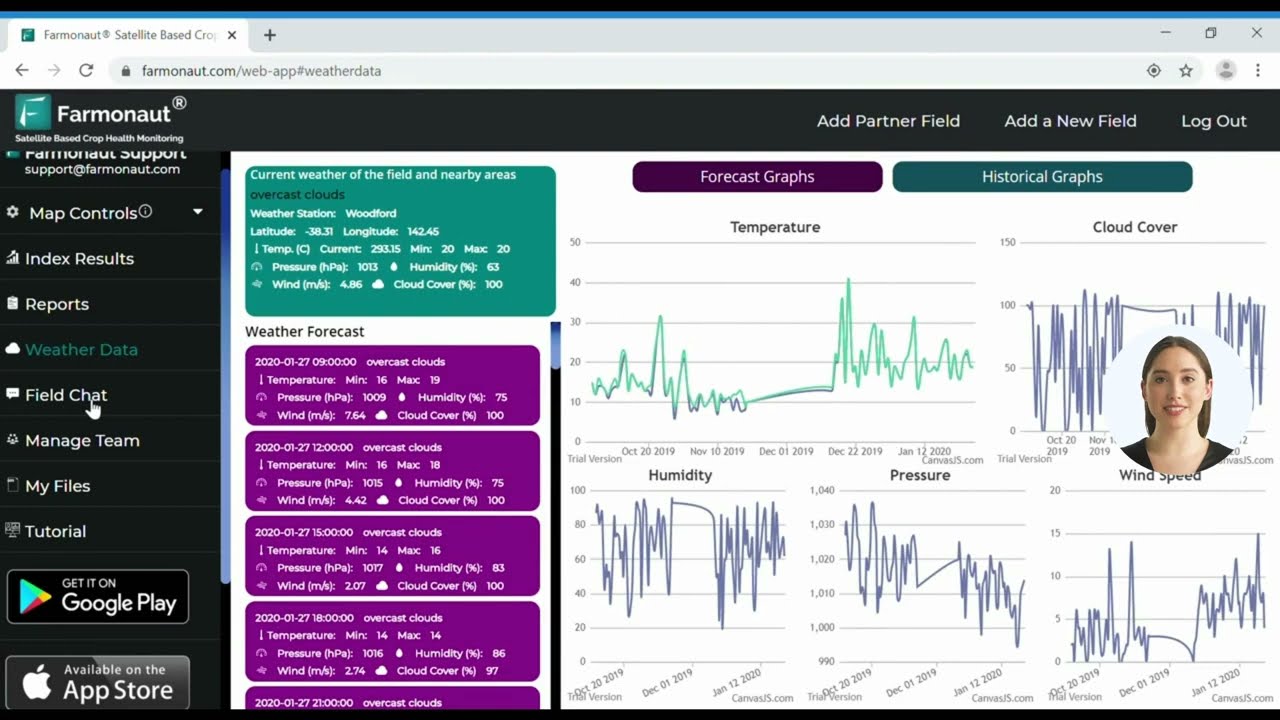
For growers and agri-businesses aiming for precision agriculture and high-yield outcomes, Farmonaut’s satellite-driven crop monitoring provides affordable insights into vegetation health and soil conditions.



Want to integrate satellite crop, soil, and resource data into your farm management software? Access Farmonaut’s API for developers:
Farmonaut Developer API |
API Docs
For advanced management of plantation and forestry nutrition, see Farmonaut’s Crop, Plantation & Forest Advisory Solution, combining real-time satellite insights with actionable nutrition recommendations for diverse crops and tree species.
Sustainability and Environmental Considerations
The environmental and sustainability profile of potassium nitrate fertilizer aligns with the urgent need for sustainable agriculture in 2025. Key factors include:
- ✔ Minimized nutrient runoff: High solubility and precise application methods reduce pollution in waterways
- ✔ Split applications: Synchronizing with crop demand prevents over-application, further lowering environmental risks
- ✔ Low chloride risk: Absence of chloride ensures minimal soil accumulation and no toxicity to crops or beneficial microbes
- ✔ Balanced nutrient ratios: Reduces need for multiple fertilizer products, simplifying nutrient management
- ✔ Potential for controlled-release formulations: Innovations are further enhancing nutrient use efficiency
Advances in satellite monitoring (such as with Farmonaut’s platform) allow for real-time assessment of soil nutrient status, enabling farmers and managers to make data-backed decisions on split dosing and application timing—safeguarding the environment and maximizing return on investment.
For organizations and agribusinesses concerned with carbon footprinting and regulatory compliance, Farmonaut provides an affordable
Carbon Footprinting Solution
which measures greenhouse gas impacts of fertilizer management at scale.

Visual List: Benefits of Sustainable Potassium Nitrate Use
- 🌿 Cleaner Waterways: Lower leaching and runoff risks
- ⚡ Optimized Inputs: Apply only what is needed, when needed
- 🌱 Improved Soil Health: No residual chloride or acidification
- 📈 Higher Yields: Healthier crop performance even in challenging soils
- 💡 Regulatory Compliance: Easier to meet environmental standards
Comparative Benefits Table: Potassium Nitrate vs. Other High Potassium Fertilizers
The selection of the right high potassium fertilizer is critical for both farm economics and sustainability. Below is a comparative table highlighting potassium nitrate fertilizer against other leading options.
| Fertilizer Type | Potassium Content (%) | Nitrogen Content (%) | Solubility | Impact on Soil Health | Contribution to Sustainable Agriculture | Estimated Crop Yield Increase (%) | Environmental Impact |
|---|---|---|---|---|---|---|---|
| Potassium Nitrate (KNO3) | ~44 | ~13 | Highly Soluble | Improves with balanced pH; No chloride buildup | High: Dual nutrient, efficient, enables split dosing | 20–30 | Low |
| Potassium Sulfate (Sulfate of Potash) | ~50 | 0 | Moderately Soluble | No chloride; Adds sulfur for some crops | Medium: Good for sulfur-demanding crops | 12–18 | Medium |
| Potassium Chloride (Muriate of Potash) | ~60 | 0 | Highly Soluble | Chloride accumulates with repeated use | Low: Risk of crop toxicity & soil degradation | 7–11 | High |
Challenges and Outlook for Potassium Nitrate Fertilizer in 2026 and Beyond
While the benefits of potassium nitrate fertilizer are significant, several challenges remain for the global agriculture sector:
- ⚠ Production cost: Potassium nitrate is generally more expensive to manufacture than other potassium fertilizers, affecting accessibility, especially in developing regions.
- ⚠ Raw material availability: Global supply of potassium (potash) is affected by geopolitical, mining, and logistical factors. Fluctuations in these can impact price and availability.
- ⚠ Price volatility: Market demand linked to high-value crops or supply chain constraints can cause substantial swings in affordability for growers.
- ⚠ Knowledge gaps: Inadequate awareness or training among smallholders can result in either under-use or misuse, limiting yield or causing environmental impacts.
- ⚠ Regulatory complexity: Environmental regulations (e.g., Florida, Canada) are evolving to monitor fertilizer usage more closely, requiring adaptation and proactive compliance in the marketplace.
Nevertheless, innovations in mining, potassium recovery from waste, and controlled-release formulations are expected to reduce input costs and enhance sustainability.

Top 5 Tips for Efficient, Sustainable Potassium Nitrate Use in 2026+
- ✔ Soil Test First: Analyze existing potassium and nitrate levels for targeted, effective applications.
- ✔ Choose Chloride-Free for Sensitive Crops: Avoid potassium chloride when growing fruits, vegetables, or specialty crops prone to salt injury.
- ✔ Employ Precision Techniques: Favor fertigation and foliar feeding for maximum nutrient use efficiency.
- ✔ Use Split and Timed Applications: Align with plant growth stages for optimized nutrient availability.
- ✔ Monitor Environmental Impact: Leverage digital tools, sensors, and satellite monitoring to ensure compliance and track improvements.
Farmonaut: Enhancing Sustainable Agriculture with Satellite Technology
As agriculture transitions into a more tech-driven era, digital monitoring tools play an increasingly critical role in nutrient management and sustainability.
- 📊 Data insight: Farmonaut’s satellite monitoring platform empowers farmers and agribusinesses to observe real-time changes in crop health and soil conditions, supporting more efficient fertilizer applications—including potassium nitrate fertilizer.
- 🌱 Sustainability: Environmental impact tracking and resource management tools provide actionable insights for minimizing the carbon footprint of fertilizer use. Explore our dedicated Carbon Footprinting Module.
- 🔎 Traceability: Blockchain-based traceability ensures every batch of produce can be traced, documented, and verified along the supply chain. See more on Product Traceability for sustainable market access.
- 🚜 Fleet and Large-Scale Management: Optimize input delivery and nutrient logistics with Fleet Management and Large Scale Farm Management Solutions.
- 💸 Access to Finance: Streamline crop loan and insurance assessments with Satellite-Based Crop Loan & Insurance Verification, reducing fraud and risk.
Our mission at Farmonaut is to democratize the use of satellite and AI-driven tools, making them accessible for every farm, enterprise, and government agency targeting resilient and efficient agriculture in 2026 and beyond.
Explore Farmonaut Subscription Plans
Affordable satellite-driven monitoring, traceability, and resource management—tailored for all agriculture operations.
Potassium Nitrate Fertilizer FAQ: 2025 and Beyond
Potassium nitrate delivers both potassium and readily available nitrate nitrogen in a chloride-free form, making it ideal for chloride-sensitive crops and environments where sustainable nutrient management is critical.
Q2: What crops benefit most from potassium nitrate fertilizer?
It is especially beneficial for vegetables, fruit trees, specialty crops (like flowers), greenhouse plants, and any crop with a high potassium and nitrate demand.
Q3: Is potassium nitrate suitable for organic agriculture?
Most potassium nitrate available is synthetic. For certified organic systems, check with your certification body; some may permit its use under specific conditions.
Q4: How can potassium nitrate fertilizer improve sustainability?
Its high solubility, efficiency, and compatibility with precise application techniques reduce nutrient runoff and input waste, contributing to cleaner waterways and optimized soil health.
Q5: How can I monitor fertilizer impact and field nutrient status?
Leverage modern digital tools like Farmonaut’s satellite-driven crop and soil monitoring platform to track nutrient responses, detect deficiencies early, and optimize inputs for higher efficiency and sustainability.
Conclusion: Potassium Nitrate – The Vital Resource for Modern and Sustainable Agriculture
Potassium nitrate fertilizer stands as a cornerstone in the new agricultural era—delivering dual essential nutrients, high solubility, and environmental advantages that make it the best high potassium fertilizer choice for today’s and tomorrow’s sustainable food production systems.
- 🌱 Boosts yield and quality for both field and specialty crops
- 🌎 Supports soil health and mitigates environmental risks
- 💡 Optimizes nutrient management and aligns with precision and digital agriculture strategies
- 🔍 Enables sustainability reporting and market compliance
- ⚡ Empowers future-ready producers aiming for efficient, resilient food systems
As we advance toward 2026 and beyond, integrating potassium nitrate fertilizer within a comprehensive, tech-enabled nutrient management plan is crucial for meeting the twin challenges of food security and environmental responsibility. Leverage the benefits of potassium-rich fertilizers, modern monitoring solutions, and sustainable best practices for enduring success in agriculture’s next era.

 Abhishta Agri
 SP Farms
 Indosistim Teknologi
 Liquify Digital
 CU Foods
 BeyondTech Global
 Rouge VC
 AgroGreen Dynamics
 AgroRisk
 Oath Inc
 Reddane Farming
 Esri North East Africa
 Cresol
 MDCV UK
 Zerella Group
 Etech Consulting Madagascar
 Vestlandsforsking
 Delicio
