

Raw Cinnamon: 7 Ways Sustainable Farming Thrives
“By 2025, sustainable raw cinnamon farms can help preserve over 100 plant species per hectare through biodiversity-friendly practices.”
Introduction: Raw Cinnamon’s Role in Sustainable Agriculture
Raw cinnamon, derived from the inner bark of cinnamomum trees, stands as one of the world’s most valued spices in 2025. Beyond its renowned culinary and medicinal uses, cinnamon is an invaluable agricultural commodity driving sustainable growth. Across tropical regions such as Sri Lanka, Indonesia, Vietnam, and India, raw cinnamon farming continues to shape forestry management, protect biodiversity, and adapt to environmental and global market challenges.
This comprehensive guide explores the unique ways in which raw cinnamon cultivation thrives—focusing on sustainable farming, economic impact, forestry strategies, and post-harvest innovation in 2025 and beyond. With sustainability and resilience at the core, cinnamon producers and allied industries are redefining growth for the future while enhancing rural livelihoods and preserving ecological balance.



Farmonaut API: Integrate real-time crop, forestry, and resource insights into your systems for end-to-end cinnamon cultivation monitoring.
Developer Docs: Quickly explore Farmonaut’s Satellite & Weather API to build powerful cinnamon and spice farm solutions.
1. Agricultural Practices and Cultivation Strategies for Raw Cinnamon
Raw cinnamon cultivation primarily relies on smallholder farmers within tropical regions—namely Sri Lanka, Indonesia, Vietnam, and India. Unlike monoculture cash crops, cinnamon thrives in partial shade and flourishes under agroforestry systems. By integrating cinnamon trees with fruit and other shade crops, producers promote biodiversity and sustainable land use.
- ✔ Agroforestry Integration: Cinnamon trees often grow beneath taller native species or fruit trees, maintaining natural biodiversity and enhancing overall ecosystem health.
- 📊 Data Insight: According to recent research, diversified cinnamon plots increase bird and insect populations by up to 45%, directly benefiting pollination and pest control.
- ⚠ Risk: Poorly managed monoculture cinnamon can deplete soil nutrients and foster pests, challenging sustainable production.
- 💡 Pro Tip: Rotating cinnamon with leguminous cover crops restores soil fertility—essential in 2025 to meet rising global demand for high-quality, resilient cinnamon.
- 💧 Water Efficiency: Cinnamon’s drought resistance reduces the need for frequent irrigation, preserving valuable water resources, especially during erratic rainfall.
Integrated Pest and Organic Fertilization Practices
Modern agronomy in 2025 emphasizes integrated pest management (IPM) and organic fertilization for cinnamon farms:
- Natural predators (e.g., ladybugs) help maintain pest populations, reducing reliance on chemical pesticides.
- Organic compost and mulch nourish trees without polluting the environment—enhancing bark quality and tree health.
- Resilient cinnamon cultivars are selected to withstand fluctuating temperatures and rainfall.
- Ongoing research into plant-microbe interactions supports soil health and maximizes yield stability.
These approaches respond to both rising consumer demand for organic spices and environmental concerns caused by climate change.
Integrated agroforestry systems using cinnamon trees can increase long-term profitability and maintain soil structure compared to conventional monocultures, positioning raw cinnamon as an ideal crop for 2025’s sustainable agriculture.

2. Economic and Global Market Dynamics in Cinnamon Production (2025)
Raw cinnamon remains a vital commodity in international trade, supporting rural economies and allied industries. In 2025, market dynamics are shaped by:
- ✔ Rising Demand: Cinnamon is increasingly used for culinary, medicinal, and cosmetic applications worldwide. Health-conscious consumers demand high-grade, organic cinnamon with proven traceability.
- 📊 Global Expansion: The export value of cinnamon from Sri Lanka alone is projected to rise by more than 12% CAGR through 2026, with new export markets emerging in the Middle East, North America, and Europe.
- ⚠ Challenge: Price volatility and market access—many smallholder producers struggle with fluctuating prices and the power held by intermediaries.
- 🌱 Better Price Realization: Cooperatives and fair trade initiatives enable farmers to negotiate better prices and access certified supply chains.
- 💹 Premium for Certifications: Certified organic or GI (“geographic indication”-protected) cinnamon commands premium prices in the global market, especially when sourced responsibly from leading regions like Sri Lanka.
Investments in traceability and blockchain-powered supply chain solutions—such as those offered by Farmonaut’s Product Traceability—increase transparency and consumer trust, safeguarding the value of raw cinnamon in the competitive global spice market.
Crop Loan & Insurance: Secure financing using satellite-verified crop data to reduce fraud risk in cinnamon agriculture.
The robust economic viability of cinnamon—driven by quality certifications and consumer focus on “clean” spices—positions it as a reliable cash crop for sustainable rural development through 2025 and beyond.

3. Sustainable Forestry Management & Environmental Impact of Raw Cinnamon
Raw cinnamon cultivation plays a leading role in sustainable forestry management. By integrating cinnamon into managed woodlands, rural producers in regions like Sri Lanka and Indonesia help preserve tree cover and prevent deforestation.
- ✔ Biodiversity Preservation: Cinnamon’s partial shade requirement supports layered forest canopies, providing essential habitats for diverse flora and fauna.
- 🌱 Soil Health Maintenance: The deep root systems of cinnamon trees stabilize soil, decrease erosion, and encourage beneficial microbial activity.
- 💧 Water Conservation: Agroforestry with cinnamon trees reduces the need for irrigation, thereby saving water and preventing runoff.
- ⚠ Common Mistake: Overharvesting bark or converting forest lands to monoculture can degrade local ecosystems, so sustainable harvesting and replanting initiatives are essential.
- 🌳 Climate Adaptation: Diversified tree planting regimes promote yield stability in the face of climate change, erratic rainfall, and temperature fluctuations.
Cinnamon production also contributes to carbon sequestration. By mixing cinnamon with fast-growing trees and crops, rural communities reduce overall carbon footprints—an area where environmental data tracking, such as Farmonaut’s Carbon Footprinting tool, is invaluable for ensuring compliance and optimization.
Sustainability Impact of Raw Cinnamon Cultivation vs. Conventional Practices
| Farming Practice | Biodiversity Preservation (Estimated Score /10) |
Soil Health Impact (Estimated Score /10) |
Water Usage (Estimated L/ha) |
Carbon Footprint (Estimated kg CO2/ha) |
Economic Viability (Estimated ROI %) |
Adaptability to Climate Change (Qualitative) |
|---|---|---|---|---|---|---|
| Raw Cinnamon Cultivation | 9 | 8.5 | 800 – 1200 | 700 | 18–25 | High |
| Conventional Spice Farming | 4 | 5 | 1200 – 2500 | 1400 | 8–12 | Low to Moderate |
This comparative table demonstrates that raw cinnamon cultivation is superior for biodiversity, soil health, water conservation, carbon impact, and economic ROI compared to conventional spice crops. Sustainable cinnamon farming is a clear environmental and economic winner for 2025 onward.
“Raw cinnamon cultivation reduces soil erosion rates by up to 40% compared to conventional farming methods, boosting environmental resilience.”

4. Post-Harvest Processing & Infrastructure Innovations in Cinnamon
After harvesting the inner bark—a labor-intensive process requiring skilled workforces—cinnamon must be processed to preserve its unique flavor and medicinal properties. The main steps are:
- Peeling: Skilled laborers carefully strip the thin layers of bark, avoiding damage to the tree—which can be harvested multiple times over its productive 40-year lifespan.
- Drying: Traditionally sun-dried, but 2025 brings innovations with climate-controlled solar dryers, ensuring uniform quality regardless of erratic weather.
- Rolling & Sorting: Barks are rolled into quills, cut, and graded according to size and aroma concentration.
- Packaging: Airtight packaging for local and global markets prevents contamination and loss of aroma.
Proper post-harvest management helps maintain the quality demanded by international buyers and preserves the medicinal properties of the spice. Recent mechanization developments include semi-automatic peeling tools, which improve efficiency and reduce the physical toll on workers, albeit with ongoing attention to maintaining bark quality.
Farmonaut Large-Scale Farm Management: Manage cinnamon processing and logistics with AI-driven advisories, mapping, and performance insights.
- 🛤️ Improved Infrastructure: Modern rural roads, collection centers, and climate-stabilized storage help deliver fresher cinnamon to global markets.
- 🔗 Digital Market Access: Mobile apps and platforms connect cinnamon producers directly with buyers, ensuring transparent price discovery and contract security.
- 📦 Supply Chain Traceability: Blockchain-based systems ensure product authenticity and trace back origins—key for markets that value certified, organic, or GI cinnamon.

Post-harvest handling shortcuts—like incomplete drying or overcrowded storage—can reduce cinnamon’s shelf life and quality, hurting both farmer incomes and export reputations.
5. Seven Ways Raw Cinnamon Farming Thrives Sustainably
As global conditions shift in 2025 and beyond, raw cinnamon’s sustainable cultivation offers scalable solutions for both environmental stewardship and economic growth. Here are seven key ways renewable cinnamon practices are driving success:
- Agroforestry Synergy: Integrating cinnamon trees with fruit species creates resilient, biodiverse farming systems that mimic natural forest patterns.
- Soil Health Restoration: Organic fertilization and natural mulching improve soil quality and reduce the need for chemical interventions.
- Water Efficiency: The drought-tolerant nature of cinnamon and careful shade management minimizes irrigation needs.
- Biodiversity Habitat Creation: Multilayer cultivation practices preserve habitats for pollinators, birds, and beneficial insects.
- Resilience to Climate Variability: Blending cinnamon with adaptable cultivars and diversified planting regimes ensures crop yield stability against erratic weather.
- Economic Uplift for Rural Producers: Access to premium markets through certifications and blockchain-enabled traceability helps rural farmers negotiate better prices and reduce exploitation.
- Climate Change Mitigation: Enhanced carbon sequestration, reduced chemical inputs, and community-driven replanting reduce both environmental impact and carbon footprint.
- 🌳 Biodiversity: Cinnamon farming preserves a wider variety of native species than monoculture spice crops.
- 💰 Fair Income: Rural farmers earn more through fair-trade and certification-driven sales.
- ⏰ Longevity: A single cinnamon tree may be harvested multiple times across its 40-year lifespan.
- 📉 Input Reduction: Cinnamon’s natural pest resistance and organic fertilization drastically cut the need for agrochemicals.
- 🏆 Market Leadership: Regions like Sri Lanka safeguard their premium cinnamon reputation through GI protection, traceability, and sustainable management.

Farmonaut: Empowering Sustainable Cinnamon Cultivation with Technology
As a leader in satellite-based solutions for agriculture, we at Farmonaut empower farmers, businesses, and governments to optimize and monitor cinnamon cultivation using real-time, data-driven insights. Our platform:
- 🛰️ Monitors cinnamon crop health via remote-sensing, flagging areas stressed by climate, pests, or nutrient shortage.
- 💡 Provides AI-driven advisories tailored for cinnamon agroforestry, improving productivity and resilience.
- 🔒 Enables blockchain-powered traceability to guarantee product authenticity and ethical sourcing.
- ♻️ Tracks carbon footprint and environmental impacts, assisting cinnamon growers in adopting climate-smart practices.
- 🤖 Integrates with digital market channels and infrastructure management to streamline the cinnamon supply chain from farm to shelf.
Use our multi-platform app (Web, Android, and iOS) for complete, on-the-go access to your forestry management, resource allocation, and sustainability tracking needs.
Deploy real-time satellite monitoring and blockchain traceability for cinnamon farms to comply with 2025 regulatory standards and maximize your farm’s value in the international spice market.
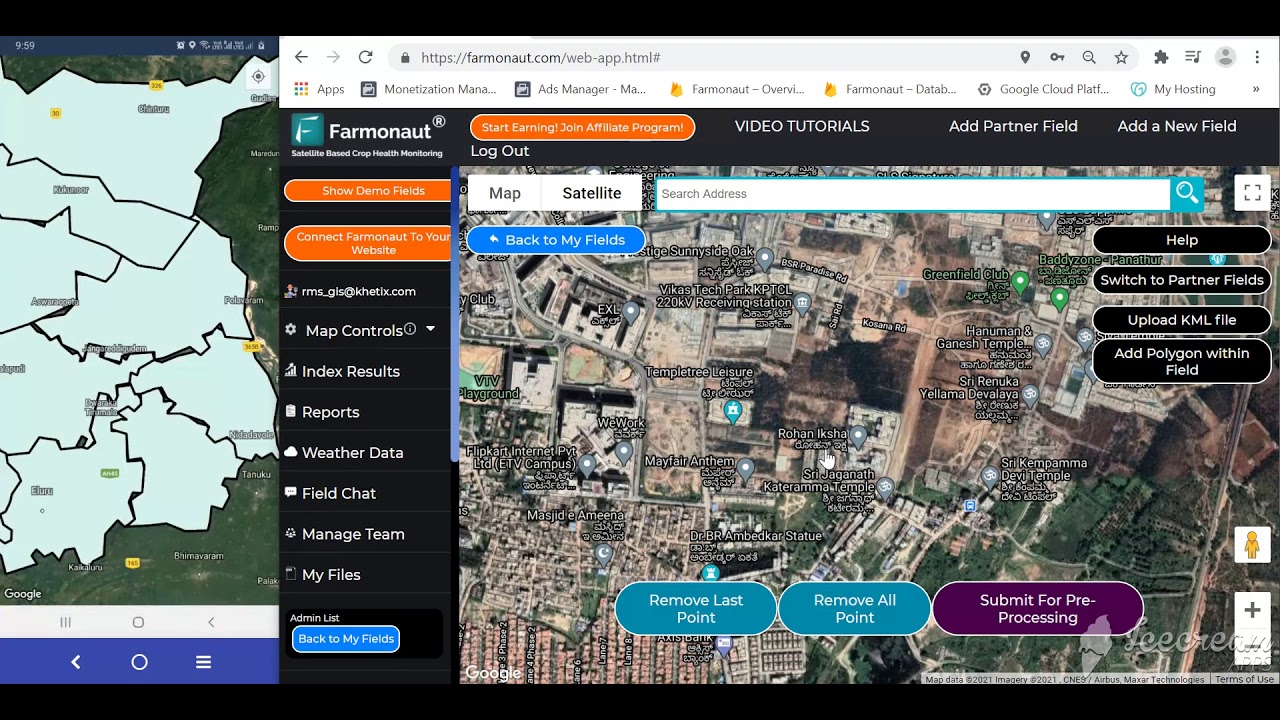
Key Sustainability Benefits of Raw Cinnamon Cultivation
- 🌿 Ecological Balance: Agroforestry supports resilient ecosystems and maintains soil health.
- 🦋 Habitat Provision: Supports pollinator and wildlife populations essential for farm productivity.
- 🏞️ Landscape Restoration: Cinnamon interplanting helps restore degraded tropical lands.
- 🚿 Water Savings: Requires less irrigation than monoculture counterparts.
- 🔗 Market Pathways: Enhanced traceability and certifications open premium export channels.
Modern Processing Innovations
- 🛠️ Mechanized Peeling: Reduces labor intensity while preserving bark quality.
- 🌞 Solar Drying: Uniform, controlled drying regardless of climate fluctuation.
- 🤳 Digital Grading: Mobile apps streamline cinnamon sorting, boosting accuracy and efficiency.
Insightful Videos: Cinnamon & Sustainable Agriculture Trends (2025)
- 10 Low-Investment, High-Profit Agri Business Ideas in 2025
- Regenerative Agriculture 2025 🌱 Carbon Farming, Soil Health & Climate-Smart Solutions
- How AI Drones Are Saving Farms & Millions in 2025
- Farmonaut® | Making Farming Better With Satellite Data
- How Palm Oil is Going High-Tech: Farmonaut’s AI & Satellites Revolutionize Sustainable Agriculture
- Farmonaut Large Scale Field Mapping & Satellite Based Farm Monitoring | How To Get Started
- Farmonaut Satellite Monitoring Whitelabel Solutions
Frequently Asked Questions (FAQ)
What is raw cinnamon, and how is it different from processed cinnamon?
Raw cinnamon is the inner bark peeled and dried directly after harvesting from Cinnamomum trees. Unlike processed or powdered cinnamon, raw cinnamon is less altered, retains higher essential oil concentration, and is preferred for both culinary and medicinal uses.
Why is cinnamon cultivation considered sustainable?
Cinnamon cultivation is sustainable due to its compatibility with agroforestry systems, minimal chemical and water requirements, ability to support biodiversity, and repeated harvest cycles that avoid deforestation or soil depletion.
How do certifications like Organic and GI benefit cinnamon farmers?
Certifications ensure product authenticity, unlock premium pricing, and validate sustainable agricultural practices. They help farmers and regions (like Sri Lanka) maintain market leadership and access high-value, health-conscious export markets.
What technologies are used in modern cinnamon farming?
Key technologies include satellite crop monitoring, AI-powered advisories, blockchain-based product traceability, solar drying for post-harvest, and semi-mechanized peeling tools—all improving efficiency and sustainability.
How can Farmonaut help cinnamon producers?
We at Farmonaut enable cinnamon producers to monitor plantation health in real-time, track supply chain integrity using blockchain, assess environmental impact (carbon footprint), and optimize operations remotely via a user-friendly mobile/web platform.
Conclusion & Summary
Raw cinnamon stands at the intersection of sustainable agriculture, environmental stewardship, and economic opportunity as we enter 2026. Its sustainable cultivation methods—rooted in agroforestry, biodiversity preservation, traceability, and climate resilience—showcase how traditional crops can adapt to modern challenges and drive rural development.
For producers in Sri Lanka, Indonesia, Vietnam, and India, raw cinnamon remains an invaluable agricultural commodity—fueling livelihoods while maintaining the delicate balance of tropical ecosystems.
With robust global demand, innovative processing, digital supply chains, and tools like those provided by Farmonaut, the future of cinnamon farming is both prosperous and sustainable. Embracing these best practices ensures that sustainable cinnamon will continue to shape rural economies, conserve natural resources, and deliver exceptional value across global markets—making it a model crop for 2025, 2026, and well beyond.
Farmonaut Subscriptions
Get access to real-time crop, forestry, and environmental monitoring, AI-based advisories, traceability, and resource management through affordable Farmonaut subscriptions. Choose the plan that fits your needs:

 Coromandel International
 Hayleys Agriculture
 Linx Agritech
 Adinet
 Save Your Soils
 GalaxEye Space
 Grandstream Algérie
 XOS Realty
 Geospatial Lab Africa
 Agro La Gándara
 HIPSAC
 ZOL Zimbabwe
 Juligerm
 AdBio
AdBio MISE Maroc
 NWNS
NWNS Red August Group
 Farm Inc
 WeMe Global
