

7 Powerful Ways to Boost Climate Resilience in Agriculture
Table of Contents
- Introduction: Climate Resilience in Agriculture, Forestry, and Mining
- Comparative Table: 7 Powerful Climate Resilience Strategies
- 1. Integrated Water Management and Stewardship
- 2. Building Robust Soil Health
- 3. Creating Diversified & Integrated Agricultural Systems
- 4. Plant Breeding, Selection, and Genetic Diversity
- 5. Integrated Pest and Disease Management
- 6. Adaptive Forestry and Resilient Forest Management
- 7. Climate-Aware Mining and Ecological Rehabilitation
- Section: Monitoring, Data & Decision Support
- Section: Policy, Incentives, and Sustainable Economics
- Section: Capacity Building, Stakeholder Engagement, & Knowledge Sharing
- Farmonaut: How Satellite Technology Enables Climate Resilience
- Farmonaut Subscription Plans
- Frequently Asked Questions (FAQ)
- Conclusion
Introduction: Climate Resilience in Agriculture, Forestry, and Mining
As global climate conditions change, the immediate challenge for agriculture, forestry, and mining is to build resilience. We face increasing frequencies of drought, extreme weather, pests, and disease outbreaks, along with rising pressure on soil and water resources. Sustainable management, smart integration of technologies, and science-based practices are critical to safeguarding productivity and healthy ecosystems as these sectors adapt.
At the core of climate resilience is a strategy that combines diversified systems, risk management, and the integration of adaptive approaches. This post explores seven of the most powerful, proven ways to strengthen resilience across farming, forestry, and mining, revealing how these solutions improve soil health, optimize water use, create robust ecological outcomes, and leverage the latest in monitoring technologies.

What resilience means in agriculture
A resilient farm is one that can take a shock and keep producing. The shock can be a drought, a flood, a heatwave, a new pest or a price collapse. Resilience is usually described as four abilities:
- Anticipate: see the risk coming, through forecasts, soil moisture data and crop monitoring.
- Absorb: take the hit with less damage, for example because the soil holds more water.
- Recover: return to normal output quickly after the event.
- Adapt: change crops, planting dates or systems as conditions shift for good.
Climate-resilient agriculture is the part of this aimed at climate risks. It overlaps with climate-smart agriculture, which the World Bank defines as an integrated approach to managing cropland, livestock, forests and fisheries that addresses food security and climate change together. Climate-smart agriculture has three goals: higher productivity without straining natural resources, more resilience to climate shocks, and lower greenhouse gas emissions. Resilience is one of the three, not the whole of it. A practice can make a farm more resilient without cutting emissions, and the reverse.
Comparative Table: 7 Powerful Climate Resilience Strategies
Key Insight
Combining resilience strategies amplifies adaptation outcomes far beyond the sum of individual actions. Integrating water stewardship, crop diversity, and data-driven management elevates both ecological and economic stability.
Match the practice to the climate risk
No single practice covers every risk. Start with the threat your farm faces most often.
| Climate risk | Practices that address it |
|---|---|
| Drought and dry spells | Drip or deficit irrigation, rainwater harvesting, mulch and residue cover, drought-tolerant varieties, soil moisture monitoring |
| Heavy rain and flooding | Cover crops, reduced tillage, contour planting, grassed waterways, better drainage, raised beds |
| Heat stress | Heat-tolerant varieties, shifted planting dates, agroforestry and shade trees, irrigation timed for the hottest periods |
| New or worse pests and diseases | Crop rotation, resistant varieties, integrated pest management, regular field scouting |
| Unpredictable seasons | Crop and variety diversity, intercropping, crop-livestock integration, weather-index crop insurance |
Many of these, such as cover crops and diverse rotations, help against several risks at once. Those are usually the best place to start.
1. Integrated Water Management and Stewardship
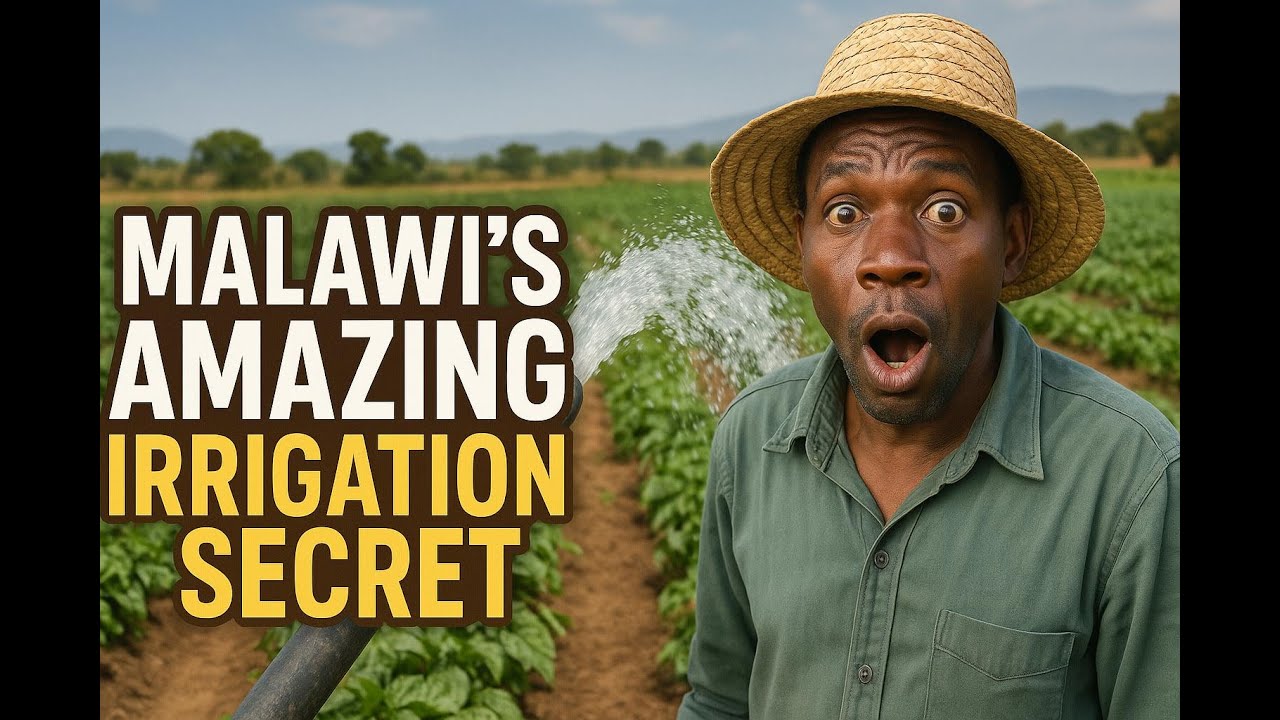
Water security is central to resilience in agriculture, forestry, and even mining. As climate shifts heighten drought risk and competition for adequate resources, implementing precision irrigation, rainwater harvesting, and moisture monitoring becomes essential.
Why is Water Management Crucial?
- 💧 Reduces waste—optimizes resource use by targeting plants’ exact needs.
- 🌦️ Buffers operations against extreme weather and drought.
- 📉 Lowers costs through reduced input demand.
- ⏳ Increases the lifetime of farm/forest systems via better moisture retention and soil protection.
- 📊 Data-driven decisions via real-time monitoring enhance adaptation speed and accuracy.
Examples of Resilient Water Practices
- Precision Irrigation: Micro-drip and targeted systems deliver water directly to the root zone, saving water and supporting healthy soil structure.
- Rainwater Harvesting: Captures runoff for use during dry spells, reducing dependency on wells or external sources.
- Soil Moisture Monitoring: Using sensors and remote data to inform timing/volume of irrigation, preventing over- or under-watering.
- Water Recycling in Mining: Closed-loop and efficient treatment reduces contamination and regulatory risk.


📊 Data Insight:
- 💡 AI-powered platforms like Farmonaut offer real-time satellite water monitoring for fields, supporting more responsive and efficient irrigation decisions.
- 👌Precision water practices can raise water-use efficiency and help protect yields in drought-prone zones.

Use Farmonaut’s mobile & web app to monitor field water stress, minimize water waste, and receive AI-based irrigation advisories for farm, forestry, and mining operations.
Pro Tip
Automated irrigation and surface moisture tracking—accessible via Farmonaut’s app—boosts climate resilience and protects soil health during prolonged dry periods.
2. Building Robust Soil Health for Climate Resilience
Resilient soil forms the bedrock of sustainable agriculture, forestry, and reclaimed mining land. Practices that build soil health increase plant tolerance to drought, boost productivity, and enable effective carbon sequestration.
Key Soil Health Practices:
- 🌱 Crop Rotation: Alternating crops for disease suppression, improved nutrient use, and pest control.
- 🟩 Cover Cropping: Using non-cash crops to protect the soil, add organic matter, and suppress weeds.
- 🔄 Reduced Tillage: Less soil disturbance improves soil structure, life, and moisture retention.
- 💩 Organic Amendments: Adding compost or manure to enhance nutrient cycling and biological activity.

Visual List: Top Soil Resilience Benefits
- ✔ Enhances soil structure—building resilience to erosion and compaction
- ✔ Increases organic carbon stocks, supporting climate mitigation
- ✔ Boosts microbial diversity for nutrient cycling and disease suppression
- ✔ Helps soils buffer against heat, drought, and flood stress
- ✔ Improves water infiltration & retention for stable yields
Monitoring soil condition remotely with Farmonaut’s satellite analytics provides continuous insight. Soil health monitoring identifies areas with declining resilience, pinpointing where to prioritize amendments and rotations.
Learn about Carbon Footprinting Solutions by Farmonaut
Track carbon storage and sustainable soil management at every stage of your field or forestry operation, supporting climate-proof yields and eco-certification.
Common Mistake
Relying only on chemical fertilizers without supporting organic matter can leave soils vulnerable to climate stress and decrease resilience over time.

3. Creating Diversified & Integrated Agricultural Systems
Diversifying farming systems is a core climate resilience strategy. The more varied the crops, tree species, and enterprise types on a site, the greater the system’s ability to withstand climate shocks, pest outbreaks, and market swings. Agroforestry, crop-livestock systems, and intercropping all reduce risk and spread resources efficiently.
Benefits of Diversified and Integrated Systems
- 🌳 Agroforestry: Combining trees and crops creates microclimates that shield plants from heat and wind, improving yields in extreme years.
- 🌾 Intercropping: Growing companion crops together suppresses pests and improves nutrient use.
- 🐄 Livestock-Crop Integration: Grazing animals help cycle nutrients, reduce weed pressure, and build soil health.
- 🦠 Habitat Diversification: Supports beneficial insects and natural pest controls.
Visual List: How Diversification Improves System Resilience
- 📈 **Spreads risk** across crops, trees, and enterprises.
- 📉 **Reduces outbreak likelihood** for pests and diseases.
- 🌿 **Increases carbon sequestration** via perennial plants.
- 🌡️ **Buffers heat and drought** by creating cool, moist microhabitats.
- 🌍 **Supports biodiversity and ecological services** on farm and forest landscapes.
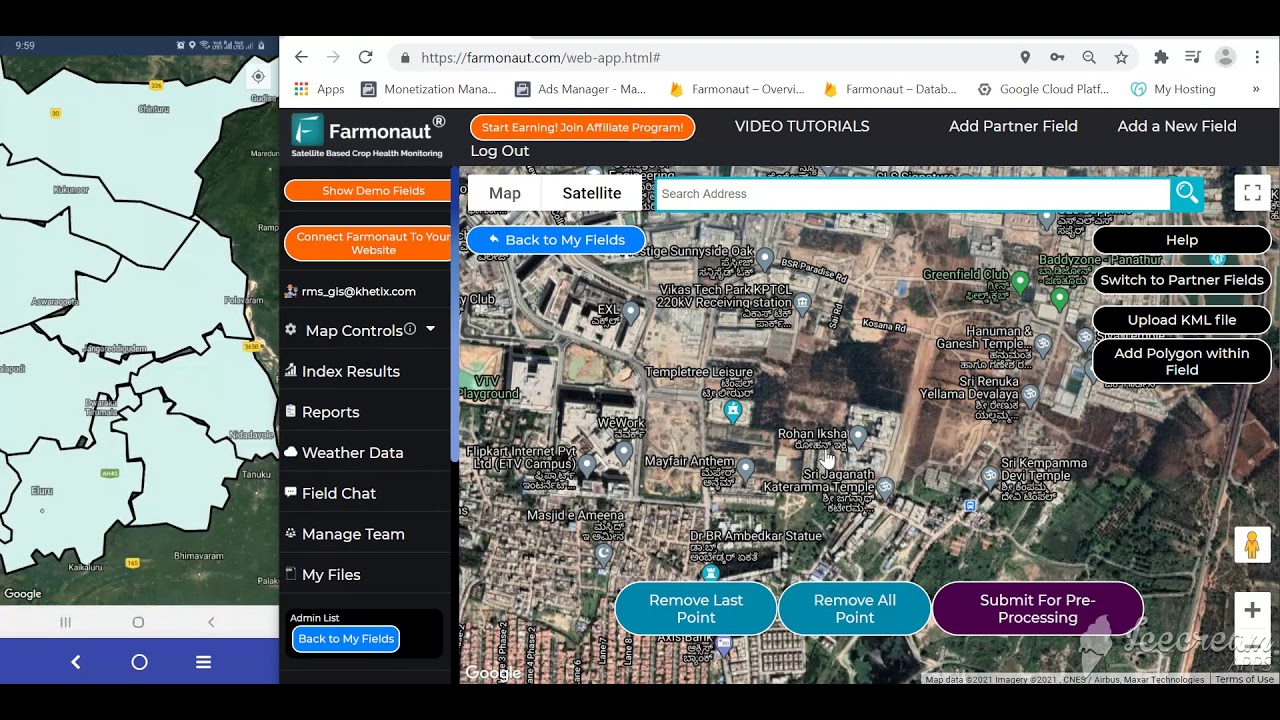
Discover Farmonaut’s Large Scale Farm Management Suite
Monitor multiple diversified fields & enterprises with one dashboard. Farmonaut empowers rapid decision-making across grain, tree, livestock and mixed farms.
Investor Note
Diversified farm and forestry systems spread risk across crops and enterprises, which can make income more stable under climate uncertainty.
4. Plant Breeding, Selection, and Genetic Diversity for Climate Adaptation
Selecting and breeding resilient crop and forest species is foundational to thriving under changing environmental conditions. Genetic diversity within plantations, stands, and fields helps system stability, while targeted breeding ensures crops and trees can withstand heat, drought, pests, and diseases.
Approaches to Resilient Plant Selection
- 🌱 Plant Breeding: Developing varieties with stronger tolerance to heat, water stress, and common pests.
- 🌳 Species Selection: Selecting tree and shrub species adapted to future climate zones for forestry and reclamation.
- 🧬 Preserving Genetic Diversity: Using mixed varieties and species to buffer against disease outbreak or market collapse.
- 🌱 Assisted Migration: Introducing southern-adapted forests or crops as local climates shift.
Leveraging Farmonaut’s field advisory helps determine which seed, rootstock, or species blend best fits your changing climate risk profile, based on decades of agronomic data and real-time environmental monitoring.

📊 Data Insight:
- 🌱 Fields with diversified crops and climate-resilient cultivars show **fewer total losses** during heat or drought years and recover yields more rapidly.
- 🌳 Mixed-species forest stands are generally less vulnerable to pest and disease outbreaks than monocultures.
Proactive Risk Management
Periodically reviewing the adaptedness of crop and tree selections as climates shift ensures that business and ecosystem resilience keep pace with emerging risks.
5. Integrated Pest and Disease Management
As extreme weather, drought, and new climate conditions spread, so do invasive pests and emerging crop and forest pathogens. A shift from chemical dependency to integrated pest management (IPM) is vital for long-term, sustainable resilience.
How Integrated Pest & Disease Management Works
- 🐞 Biological Controls: Introducing beneficial insects or predators to keep pests in check, minimizing chemical need.
- 🌼 Habitat Diversification: Planting wildflower strips or trees to support beneficial species that control pests naturally.
- 🌾 Resistant Varieties: Using crops bred for strong disease tolerance and lower pesticide reliance.
- 🦠 Early Outbreak Detection: Leveraging satellite monitoring to swiftly detect and respond before widespread loss.
Key Insight
Integrated approaches dampen the size and severity of outbreaks, reduce chemical costs, and protect aquatic and soil ecosystems.
Protect Yields with Farmonaut’s Satellite Crop Insurance Tools
Automate claim verification, monitor outbreaks by satellite, and gain access to flexible climate insurance products for robust risk management.
Bullet Highlights:
- ✔ Reduces chemical use over time
- ✔ Dampens peak outbreak risk via early detection
- ✔ Preserves local ecosystems by minimizing runoff
- ✔ Enables rapid adaptive management with data and alerts
- ✔ Supports ecological restoration by fostering biodiversity and resilient food webs
6. Adaptive Forestry and Resilient Forest Management
Forests are frontlines for both climate risk and carbon sequestration. Adaptive forestry—structuring stands with diverse, climate-ready species—is critical for resisting drought, wildfires, pests, and keeping ecosystem services stable.
Resilient Forest Strategies
- 🌲 Preserving Genetic Diversity: Mixed-age, multi-species management improves resistance to pests and climate shocks.
- 🌿 Strategic Thinning & Fuel Breaks: Reduces competition for water/nutrients and helps eliminate wildfire pathways.
- 🔥 Controlled Burns: Reduces fuel build-ups and resets ecological succession, mitigating fire risk.
- 🌱 Ecosystem Restoration: Supporting soil moisture retention and biodiversity post-disturbance enables forests to regenerate.

Browse Farmonaut’s Forestry Plantation & Restoration Advisory
Plan adaptive forest composition, get AI-driven disturbance alerts, and monitor post-fire or drought recovery with remote technology.
Pro Tip
Combine stand thinning with fire breaks and species diversification to maximize resistance to both short-term (drought/fire) and long-term (climate shift) risks.
7. Climate-Aware Mining and Ecological Rehabilitation
Mining plays a vital role in communities and industry, yet, unchecked, it can reduce ecosystem resilience. Modern, climate-smart mining emphasizes stewardship, water and energy efficiency, and post-mining landscape rehabilitation that restores soil function for agriculture, forestry, or wildlife.
Climate-Resilient Mining Practices
- ♻️ Water Recycling: Closed-loop systems reduce freshwater demand, lower contamination, and support stable operations during drought.
- 📉 Progressive Rehabilitation: Planning and implementing soil, vegetation, and drainage restoration as mining proceeds, not just at end-of-life.
- 🌍 Carbon and Emissions Monitoring: Using satellite-verified data to optimize low-carbon process changes.
- ⚒️ Climate Risk Assessment: Identifying and adapting operations for water scarcity, flooding, or heatwave interruptions.
Explore Farmonaut’s Fleet & Resource Management for Mining
Increase machinery efficiency, track environmental indicators, and reduce downtime with real-time asset and emission data.
⚠ Risk Note
Rehabilitation delays compound climate risk and restoration costs. Integrate climate-aware plans from day one to build landscape resilience and long-term value.
Access Farmonaut’s API for remote data integration |
See API Documentation
Section: Monitoring, Data & Decision Support for Climate Resilience
Accurate, timely data is the backbone of modern resilience. Real-time monitoring enables proactive risk management—from detecting drought and pest outbreaks to predicting water needs and optimizing harvest timing.
- 🔭 Remote Sensing: Satellite imagery delivers field, forest, and mine insights, including NDVI vegetation, surface moisture, and heat stress zones.
- 📱 App-based Monitoring: Platforms such as Farmonaut’s provide actionable alerts and AI-generated advisories for timely intervention.
- 📡 Local Sensors: On-ground data complements satellite monitoring, supporting precision at scale.
- 🧠 AI Analytics: Pattern recognition and predictive advisories elevate early warning for climate-induced risks.
Section: Policy, Incentives, and Sustainable Economics
For resilience success, policy and economics must reward adaptation. Incentives for sustainable practices, ecosystem services payments, and risk pooling through insurance are crucial for buffering climate impacts.
- 💰 Payment for Ecosystem Services: Rewards for carbon storage, water stewardship, and maintaining resilient land cover.
- 🌾 Insurance: Weather-indexed and satellite-verified crop/forest insurance helps farmers & landowners absorb losses.
- 🔗 Certification & Traceability: Blockchain-based systems create market value for proven resilience and low-carbon management.
- 🏗️ Investing in Infrastructure: Upgraded water storage and irrigation networks reduce vulnerability for entire regions.
Learn about Farmonaut’s Traceability Solutions
Blockchain-backed traceability ensures that every climate-smart action—on farm or in mining—is transparently captured and market rewarded.
Sustainability Tip
Track, certify, and monetize your field’s resilience score using digital traceability—attracting buyers, lenders, and insurance providers who value sustainability.
Section: Capacity Building, Stakeholder Engagement, & Knowledge Sharing
Climate resilience is strongest when communities, growers, miners, and foresters are empowered. Training and collaborative extension speed up adoption of adaptive practices, while tapping into local knowledge ensures that strategies fit real-world needs.
- 📚 Training: Regular, accessible education in climate-smart practices, technology use, and risk management is crucial.
- 🙋♂️ Community Engagement: Involving producers, local experts, and indigenous stewards builds trust and ensures relevance.
- 🌎 Cross-sector Collaboration: Bridging agri-business, research, and governments accelerates the rollout of climate resilience innovations.
Farmonaut’s web and mobile platforms offer accessible knowledge, demo videos, and step-by-step field guides for diversified users, enabling every sector—agriculture, forestry, mining—to adapt faster and smarter.


Farmonaut: How Satellite Technology Enables Climate Resilience
At Farmonaut, we make satellite-driven climate resilience technology affordable and accessible. Our platform provides:
- 🛰️ Real-time monitoring for soil health, vegetation stress, water risk, and asset condition across agriculture, forestry, and mining.
- 🌦️ AI-based advisories and early warning for pests, disease, drought, and extreme weather events.
- ⛓️ Blockchain-enabled traceability so every step of a climate-smart supply chain is certified and reported.
- 🚜 Fleet and asset management tools to optimize logistics, reduce waste, and minimize climate impacts.
- 📊 Environmental impact monitoring for carbon, water, and biodiversity at the landscape and enterprise level.
Our mission is to drive resilience and sustainability across diversified sectors using the power of satellite data, AI, and blockchain—empowering growers, miners, and managers everywhere.
Farmonaut Subscription Plans
Choose the right plan to gain remote climate resilience insights for your farm, forest, or mining site.
FAQ: Climate Resilience in Agriculture, Forestry & Mining
What is climate resilience and why is it crucial for agriculture and related sectors?
Climate resilience refers to a system’s ability to withstand, adapt to, and recover from climate shocks and stresses such as drought, heat, pests, or extreme weather. In agriculture, forestry, and mining, resilience ensures stable yields, efficient resource use, and long-term ecosystem health, safeguarding livelihoods and food security.
How do diversified farming systems help climate resilience?
Diversified systems spread risk—if one crop or species fails due to drought or disease, others likely survive. Practices like agroforestry, crop-livestock integration, or intercropping also build soil fertility, support beneficial species, and buffer fields against microclimate extremes.
What role does data-driven monitoring play?
Accurate monitoring helps farms, forests, and mines anticipate risks and take early, cost-effective action. Satellite, sensor, and app-driven data platforms like Farmonaut allow rapid identification of pests, droughts, and other threats, leading to better adaptive management decisions.
Why is soil health so central to resilience?
Healthy soils retain water, cycle nutrients, and store carbon efficiently. They buffer plants against climate shocks and improve long-term productivity—key to sustainable agriculture and forestry.
How does Farmonaut support users in building resilience?
Our technology offers satellite-based monitoring, AI-powered advisory, blockchain-enabled traceability, and comprehensive environmental impact reporting. These tools enable farms, forests, and mines to track risks, implement adaptive practices, and demonstrate their climate resilience to stakeholders.
Conclusion: Enabling Climate Resilience for a Sustainable Future
Building climate resilience in agriculture, forestry, and mining is imperative in today’s rapidly changing world. From precision water stewardship and robust soil health to diversified systems, adaptive species, integrated risk management, sustainable mining, and smart data—these seven pillars deliver both immediate and long-term benefits for people and planet.
We encourage every land manager, grower, and enterprise to “think resilience”: integrate science-based practices, invest in diversified systems, and leverage modern technologies. By doing so, you will not only manage risk, but create more sustainable, productive, and robust landscapes—ensuring prosperity despite climate challenges.
Explore Farmonaut’s digital solutions—available via web, Android, API, and iOS—and join a global movement driving resilient, sustainable land use for future generations.
Empower resilience. Optimize sustainability. Thrive under stress—start today!
Discussion
Questions, corrections or field experience? Share them below. First-time comments are reviewed before they appear, and your email is never published.
No comments yet. Be the first to add a question or your experience.

 Esri North East Africa
 Farmer Amigo
 Cresol
 Atur Kuliner
 MDCV UK
 Zerella Group
 Etech Consulting Madagascar
 Vestlandsforsking
 Agritein
 Delicio
 WB Dev
 Sama Premium
 Prochecker
 Tres Valles
 LACOS Geoinformation
 Magrifly
 LatConnect 60
 Blickwinkel
 Agricultural Credit Policy Council
 Exploration consultancy · South Africa · Gold
 Licence holder · Niger · Gold
 Licence holder · Nigeria · Gold + lithium










