

Shifting Agriculture: 7 Green Farming Trends for 2026
Meta Description: Discover the transformation of shifting agriculture in 2025 & 2026—explore 7 top green farming trends that boost soil health, food security, and sustainable productivity.
Table of Contents
- Summary: Sustainable Shifting Agriculture in 2025
- Understanding Shifting Agriculture in the Modern Context
- 7 Green Farming Trends Transforming Shifting Agriculture by 2026
- How Technology and Satellite Insights Are Reimagining Shifting Farming
- Comparative Trends Impact Table
- Marketing and Agriculture: Integrating Shifting Cultivators in the Green Economy
- Key Insights & Highlights
- FAQs
- Conclusion
- Get Started with Farmonaut
Summary: Sustainable Shifting Agriculture and Its Role in Modern Agrarian Practices in 2025
Shifting agriculture, sometimes known as shifting farming, slash-and-burn, or swidden agriculture, has long been a vital practice in tropical and subtropical regions, sustaining rural livelihoods and maintaining a delicate ecological balance. Traditionally, this method supported food security for countless indigenous communities by enabling soils to recover through lengthy fallow periods. However, the expansion of the global population and intensifying environmental concerns demand that shifting agriculture evolve rapidly.
In 2025 and looking ahead to 2026, the relevance of shifting agriculture is being reimagined. Sustainable adaptations, such as agroecology, green methods, and tech integrations, now position shifting farming at the intersection of tradition and innovation. This article explores seven transformative green farming trends and the evolving context of sustainable shifting agriculture. We’ll highlight how modern harvesting in agriculture, ecological practices, technological tools, and increased market integration are supporting food security, soil health, and biodiversity while also empowering communities worldwide.

Understanding Shifting Agriculture in the Modern Context
Shifting agriculture involves clearing a piece of land by cutting and burning vegetation, cultivating it for several years, then moving to a new plot, leaving the previous area to regenerate naturally. Historically, this method prevailed for centuries in regions like the Amazon Basin, Central Africa, Southeast Asia, and Northeast India. This dynamic system, known for its reliance on natural fallow periods, enabled soil fertility to recover and supported the biodiversity of multiple agro-ecological systems.
However, as population expands and urbanization places increasing pressure on ecosystems, shifting farming faces significant scrutiny. Deforestation fears, climate change impacts, and soil depletion have led to calls for transformation. Rather than dismissing this ageless method, experts now focus on reimagined practices that combine the resilience of traditional agriculture with the innovation and sustainability required by modern environmental standards.
The Evolution of Shifting Agriculture: From Subsistence to Sustainable System
- ✔ Traditionally a cornerstone for indigenous food security and rural livelihoods in tropical and subtropical contexts.
- ✔ Critical Role in Biodiversity: Enabled regeneration of soil, habitats, and agricultural productivity within ecosystems.
- 📊 Data Insight: Shifting agriculture methods could increase food security for up to 800 million people worldwide by 2026.
- ✔ Undergoing Transformation: Integration of green farming techniques, such as controlled burns, rotational fallowing, and agroforestry, helps mitigate negative environmental impacts.
- ✔ Viable for the Future: In 2025/2026, shifting cultivation remains a potent method—if combined with sustainable and technological advancements.
Key Insight
Combining digital agriculture tools, satellite insights, and indigenous wisdom can maximize shifting farming’s sustainability, making it a critical force in the future green economy.
Challenges Facing Modern Shifting Agriculture
- ⚠ Soil nutrient depletion and yield instability
- ⚠ Deforestation and loss of native vegetation
- ⚠ Ecological imbalance from shortened fallow periods
- ⚠ Market isolation and limited economic potential
- ⚠ Climate sensitivity and unpredictable rainfall
- ⚠ Pest and disease outbreaks
- ⚠ Lack of modern farming tools
- ⚠ Community vulnerabilities and weak infrastructure
- ⚠ Policy gaps in supporting smallholders and cultivators
- ⚠ Sustainability perceptions impacting consumer markets

7 Green Farming Trends Transforming Shifting Agriculture by 2026
Let’s explore the seven most impactful green farming trends that are reshaping shifting agriculture for the years 2025, 2026, and beyond. Each trend is designed to enhance soil health, increase yields, secure rural livelihoods, and align shifting farming systems with global ecological and climate goals.
-
Agroecological Intensification
Definition: The combination of ecological principles and agricultural practices to intensify crop production sustainably.
How it works: Incorporates rotational fallowing, cover crops, multi-layer agroforestry, and intercropping to boost yields while preserving ecosystem services.
Key benefit: Helps land regenerate naturally, improves soil fertility, and increases biodiversity by mimicking natural ecological processes. -
Controlled Burning & Climate-Smart Management
Definition: The use of timed, regulated fires to clear land while minimizing emissions and enhancing soil nutrients.
Techniques such as biochar creation from burned biomass are applied, capturing carbon and returning it to the soil.
Key benefit: Reduces wildfire risk and supports global climate change and carbon sequestration goals. -
Integration of AI, Satellite Monitoring, and Digital Tools
Definition: Leveraging IoT sensors, satellite data, weather forecasts, and AI-powered advisory systems for field management.
Farmonaut, for example, provides large scale farm management solutions using advanced satellite monitoring, allowing users to assess crop health, plan harvesting, and optimize resource use.
Key benefit: Increases harvesting in agriculture productivity, minimizes resource loss, and ensures timely actions for improved soil and yield.
Explore Farmonaut’s Carbon Footprinting tool for real-time tracking of environmental impact in shifting agriculture. -
Sustainable Crop Diversification and Intercropping
Definition: Simultaneously cultivating multiple crop species—including legumes, tubers, grains, and medicinal plants—within the same land parcel.
Key benefit: Minimizes soil nutrient depletion, fosters pest resistance, and delivers dietary variety for communities while enhancing harvesting in agriculture. -
Market Integration and Agro-Enterprise Development
Definition: Strengthening market and agricultural linkages through cooperatives, enterprise clusters, certification for organic produce, and digital traceability platforms.
Shifting cultivators now access premium traceability and blockchain-backed supply chain solutions—adding value, boosting transparency, and increasing income.
Key benefit: Empowers rural communities, supports fair pricing & marketing, and incentivizes sustainable farming within shifting agricultural systems. -
Climate-Resilient Varieties & Regenerative Practices
Definition: Introducing drought-tolerant, pest-resistant seed varieties alongside regenerative methods—such as permanent cover cropping and organic mulches.
Key benefit: Stabilizes yields during adverse climate change events, preserves water, and revitalizes soil for future cultivation. -
Community Empowerment Through Participatory Research and Eco-Credit Access
Definition: Providing targeted research, smart loan systems (like satellite-based crop loan and insurance accessibility), and farmer training.
Key benefit: Engages local communities, improves adoption of sustainable shifting agriculture practices, and builds rural resilience and food security.

Comparative Trends Impact Table: 7 Green Farming Trends for 2026
| Trend Name | Estimated Adoption Rate by 2026 (%) | Projected Impact on Soil Health | Estimated Yield Improvement (%) | Environmental Benefit |
|---|---|---|---|---|
| Agroecological Intensification | 37 | High | 22 | Enhanced biodiversity and improved nutrient cycling |
| Controlled Burning & Climate-Smart Management | 41 | Medium | 15 | Reduces carbon emissions, mitigates fire risk |
| AI & Satellite Monitoring | 48 | High | 25 | Optimizes input use, boosts efficiency, reduces waste |
| Crop Diversification & Intercropping | 35 | Medium | 18 | Reduces pest pressure, enhances resilience |
| Market Integration & Agro-Enterprise | 22 | Medium | 12 | Supports fair trade, increases producer income |
| Climate-Resilient Varieties & Regenerative Practices | 33 | High | 21 | Increased drought resistance, improved water use |
| Community Empowerment & Eco-Credit | 29 | Medium | 13 | Promotes capacity-building, reduces rural poverty |

🌱 Key Pillars of Green Shifting Agriculture for 2026
- ✔ Soil Health Management – Fallowing, balanced inputs
- ✔ Climate Resilience – Drought-resistant seeds, cover crops
- ✔ Agroforestry Integration – Trees, shrubs & crops combined
- ✔ Digital Monitoring – Satellite, IoT, AI advisory
- ✔ Market Linkages – Traceability, fair pricing, certification
Pro Tip
Use AI-driven tools like Jeevn AI and Farmonaut’s satellite platform for timely harvest, pest control, and even water management decisions—directly from any device.
Learn more about Farmonaut APIs for agricultural data integration


📱 Key Technology Touchpoints for Shifting Agriculture
- 📊 Satellite Monitoring – crop growth, soil moisture, damage assessment
- 📲 Mobile Apps – instant alerts, advice, data logging
- 🧠 AI Insights – personalized strategy for yields, sustainability
- 🔗 Blockchain Traceability – trusted, transparent supply chains
- 🚚 Fleet & Resource Management – optimize operations on land
Discover Farmonaut’s fleet & resource management solutions for streamlined harvesting in agriculture and reduced costs.
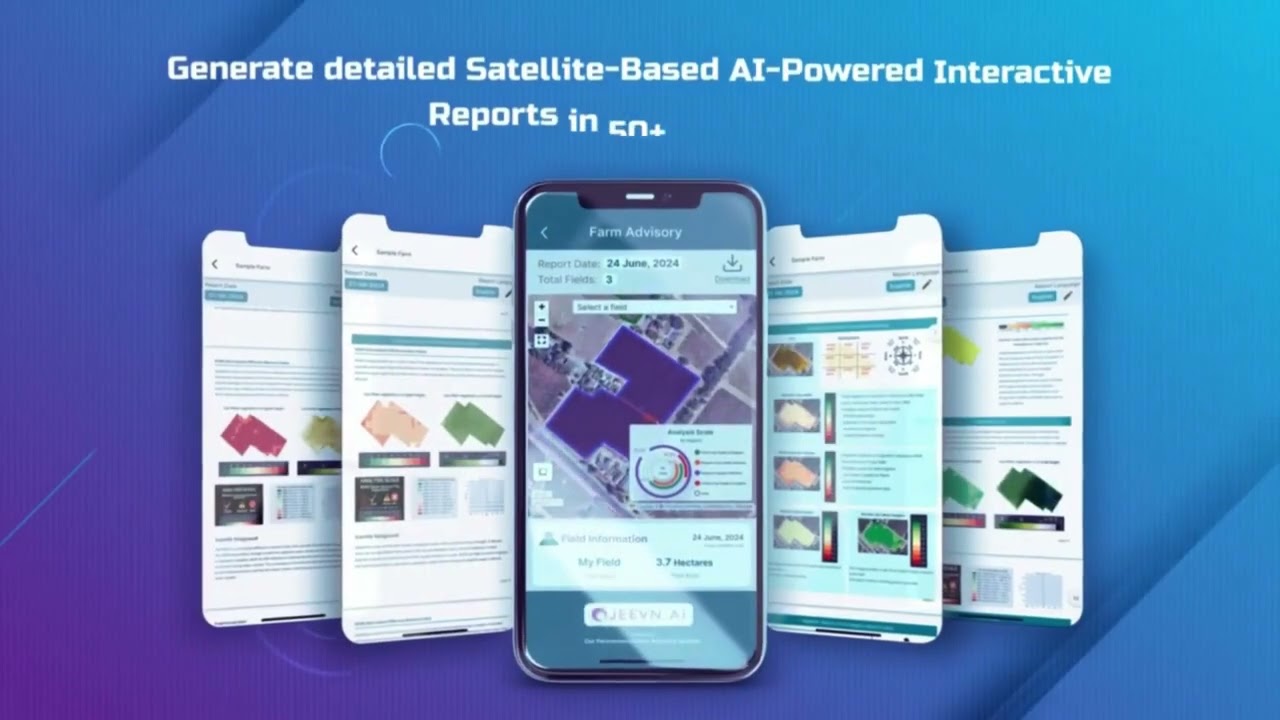
How Technology and Satellite Insights Are Reimagining Shifting Farming
With innovations in AI, satellite monitoring, and resource management, the landscape of shifting agriculture in 2025/2026 is rapidly transforming. Satellite-based tools enable farmers and cultivators to monitor land, soil health, fallow cycles, and even predict the best harvesting time, aligning with both traditional knowledge and green objectives.
5 Ways Farmonaut Empowers Green Shifting Agriculture
- ✔ Accessible satellite imagery for field health tracking and land clearing assessment
- ✔ JEEVN AI Advisory delivers real-time advice for harvesting, soil management, and climate adaptation
- ✔ Resource management dashboards for equipment and logistics optimization
- ✔ Blockchain-based traceability for transparent, premium marketing of shifting products
- ✔ Environmental impact tracking including real-time carbon footprinting for eco-certification and compliance
Start using Farmonaut’s app for your shifting agriculture needs:


Developers can access Farmonaut’s API and API Docs for custom agricultural apps and digital extension.
Common Mistake
Over-reliance on chemical fertilizers during short fallow cycles can degrade soil in shifting systems. Adopt organic inputs and digital monitoring for truly sustainable, green yields.
Marketing and Agriculture: Integrating Shifting Cultivators in the Green Economy
Marketing and agriculture integration is pivotal for sustainable shifting farming. In 2025 and beyond, a key focus is on empowering cultivators to participate in both local and global markets, leveraging green certifications, blockchain authentication, and direct-to-consumer sales channels.
- ✔ Eco-labeled Products: Attaining certification for sustainable shifting agricultural produce helps cultivators access higher-value markets.
- ✔ Digital Traceability: Platforms like Farmonaut’s traceability solution ensure full supply chain transparency from farm to fork.
- ✔ Agro-Enterprise Training: Knowledge sharing and participatory training boost not only yields but also farmers’ negotiation power and entrepreneurial skills.
- ✔ Policy Support: Inclusive policies and infrastructure for market access, eco-credit, and rural digitalization underpin true agriculture green futures.
- ✔ Premium Pricing: Blockchain-backed proof makes agricultural marketing fair, increases cultivator incomes, and incentivizes responsible land management.
Investor Note
Sustainable shifting agriculture, backed by data-driven traceability and eco-certification, represents a high-potential sector for impact investment—driven by global food security, climate goals, and ethical consumerism.

Policy Maker’s Pitfall
Focusing solely on yield increases without investing in soil health, biodiversity, and rural infrastructure may undermine long-term sustainability. Policies must holistically support ecological and market integration for shifting agricultural systems.
5 Quick Takeaways for Shifting Agriculture Transformation
- ✔ Shifting farming is evolving, not vanishing—sustainable practices make it productive and climate-resilient.
- 📊 Market integration and traceability unlock new economic opportunities for cultivators.
- ⚠ Siloed policy or tech approaches can limit potential—combine tradition and innovation for best impact.
- ✔ Digital monitoring and AI streamline decision-making, improve harvesting, and reduce waste.
- ✔ Farmers, governments, and investors must collaborate for a truly green future in shifting agricultural regions.
Frequently Asked Questions: Shifting Agriculture for 2026
What is shifting agriculture and how is it different in 2026?
Shifting agriculture (also called shifting farming, swidden, or slash-and-burn) is a method involving periodic clearing, cultivation, fallowing, and movement to new plots. In 2026, shifting agriculture is increasingly green, integrating sustainable rotation, cover crops, satellite monitoring, and AI-driven tools. The goal is to optimize soil recovery, productivity, and biodiversity while minimizing environmental damage.
How does technology (like Farmonaut) help shifting farmers?
Farmonaut provides affordable satellite-driven solutions for monitoring crop health, soil conditions, and environmental impacts. Our digital platform, including apps and APIs, helps farmers make data-driven decisions, manage fallow rotations, and boost yields sustainably—without needing expensive on-site equipment. Learn more about digital solutions here.
Is shifting farming sustainable for global food security?
Yes—when combined with rotational fallow, agroecological principles, crop diversification, and market access, shifting agriculture can sustainably contribute to food security for rural and indigenous communities. In fact, it supports ecosystem resilience and adaptive capacity for climate change challenges in many regions worldwide.
Can shifting cultivators benefit from green market integration?
Absolutely. With blockchain-based traceability and certifications (like those offered via Farmonaut’s traceability tool), farmers can access premium markets, receive fair prices, and demonstrate their commitment to sustainable, green agricultural practices.
How can I get started with green shifting agriculture approaches?
Begin by integrating cover crops, soil health monitoring, and technology-based advisory systems. Satellite apps and digital dashboards, such as those available from Farmonaut, deliver actionable insights regardless of farm size. Start with the Farmonaut web app.
Get Real-Time Insights for Shifting Agriculture with Farmonaut
Empower your green farming journey with satellite monitoring, AI advice, and resource management—available on any device.
Use Farmonaut’s API for your next green agriculture tool.
Farmonaut Subscription Plans for Green Agriculture
Conclusion: The Future of Shifting Agriculture in a Green Economy
As shifting agriculture enters 2026, its future lies in its adaptability, resilience, and synergy with new technologies and green practices. No longer just an ancient method for subsistence, shifting farming presents viable and sustainable solutions for soil health, increased productivity, food security, and climate adaptation—especially when combined with robust market integration and smart policy support.
Our collective mission at Farmonaut is to make satellite, AI, and blockchain-driven insights affordable and accessible—bridging the gap between tradition and technology. By supporting rural communities, enabling participatory research, and facilitating real-time resource management, we help shift farming systems toward a prosperous, adaptive, and environmentally responsible future.
Start your green journey now—equip yourself with data-driven farming solutions.

 Unifrutti Gulf
 Deluxe Conseil
 Krishify
 TVS Electronics
 BW Pipelines
 WICO
WICO Gen Chayat
 Chimera Innovation
 SkyHarvest
 Polaris Digitech
 Teledarbas
 Wild Oak Farm
 SFX
SFX Doodlakine
 Exurbia Geospatial
