

Skills Assessment of the Agriculture and Agro-Processing Sector PDF Trends 2026: Technology, Workforce, and Innovations Shaping 2025 & Beyond
Meta Description: A comprehensive skills assessment of the agriculture and agro-processing sector PDF for 2025 and 2026, covering workforce demands, emerging technologies, sustainability, skill gaps, and innovations for a future-ready, globally competitive industry.
“By 2026, over 60% of agriculture jobs will require digital skills in precision farming and data analytics.”
“Agro-processing sector innovations are expected to increase automation by 35% by 2025, reshaping required workforce competencies.”
Table of Contents
- Sector Overview: Drivers of Rapid Transformation
- 2025-2026: Emerging Trends in Agriculture & Agro-Processing
- Workforce Demands & Evolving Skill Areas
- Key Skill Areas & Comparative Trends (Table)
- Identifying & Bridging Skills Gaps
- Technology & Innovation in Skill Development
- Sustainability, Digital Inclusion & Youth Engagement
- Best Practices: Training & Developing A Future-Ready Workforce
- Farmonaut’s Role in Skills Development: Satellite-Driven Insights
- Comparative Trends Table: Skill Needs, Workforce Demand, Advancements (2025–2026)
- FAQ: Skills Assessment of the Agriculture and Agro-Processing Sector PDF
- Concluding Insights
Sector Overview: Drivers of Rapid Transformation
The agriculture and agro-processing sector remains a critical cornerstone of the global economy, particularly across emerging markets and developing countries. As we assess 2025 and forecast trends for 2026, a skills assessment of the agriculture and agro-processing sector PDF reveals a landscape undergoing rapid transformation. This shift is driven by:
- Technological advancements (satellite imagery, AI, biotechnology, automation)
- Globalization of food supply chains
- Climate change challenges and environmental imperatives
- Evolving market demands (sustainability, traceability, compliance)
- The shift from traditional farming to high-value agro-processing units
As technological and digital technologies become integral in production, processing, and management, workforce skills must adapt. The success of this sector depends on how effectively the workforce acquires new skills and adopts modern practices in line with sectoral growth and innovation.
Automation and precision technologies are re-shaping job roles in agriculture and agro-processing units. Over 60% of positions in 2026 will require at least basic digital literacy and technology management skills.
2025-2026: Emerging Trends in Agriculture & Agro-Processing
A comprehensive skills assessment addresses not just the current state but forecasts future needs and key trends shaping the sector for 2025–2026. The agricultural landscape is no longer confined to traditional crop cultivation. Instead, it’s being revolutionized by a host of technical innovations and managerial best practices.
- Precision Agriculture: Incorporating IoT sensors, drones for systemized crop monitoring, and AI algorithms for predictive farm management.
- Advanced Automation: Robotics, automated irrigation systems, and machinery automation are enhancing productivity by minimizing human errors and reducing manual labor.
- Data Analytics: Large-scale data collection and real-time analytics for improving farm productivity and reducing environmental footprint.
- Smart Supply Chains: Integration of blockchain for product traceability, regulatory compliance, and real-time inventory control.
- Climate-Smart Practices: Sustainable and organic farming practices focused on soil health, water conservation, and adaptation to climate change.

🔎 Key Trends:
- Data-driven decisions are essential for both agriculture and agro-processing efficiency.
- Manual and traditional operations are declining; automation and AI are on the rise.
- Global food supply chain compliance requires digital traceability solutions.
- Demand for workforce upskilling in technological areas is growing exponentially.
For modern agriculture and agro-processing units, investing in digital literacy and hands-on data management training is key to staying ahead of sectoral trends.
Workforce Demands & Evolving Skill Areas
As we approach 2025–2026, the agricultural and agro-processing sector faces critical gaps between existing workforce skills and future needs:
- Demand for Digital Proficiency: Fundamental understanding of automation, data analytics, and management software is now as necessary as traditional farming knowledge.
- Quality & Compliance Focus: Rapidly evolving international food safety standards require specialized training in testing, certification, and quality control systems.
- Sustainability Expertise: Sustainable farming practices—integrated pest management, precision irrigation, and regenerative agriculture—demand upskilling and cross-field learning.
- Supply Chain and Logistics Management: The need to optimize supply chain operations through digital logistics, inventory, and traceability is an emerging focus.
Overlooking soft skills—communication, problem-solving, adaptability—when designing training programs for a digitally transforming sector. These are as vital as technical knowledge!



Key Skill Areas in the Agriculture and Agro-Processing Sector: 2025–2026
A strong skills assessment of the agriculture and agro-processing sector PDF identifies these primary skill clusters:
1. Technological Proficiency & Digital Management
- Operating smart machinery, drones, and irrigation systems
- Interpreting IoT sensor data for weather, soil, and crop health
- Utilizing farm management software & integrating cloud platforms
- Applying AI-based analytics for yield, risk, and resource optimization
2. Sustainable Farming & Environmental Stewardship
- Adoption of water-efficient irrigation and reduced agrochemical usage
- Integrated pest management, organic and regenerative agriculture
- Monitoring and managing carbon footprint (learn more)

3. Data Collection, Analytics, and Decision-Making
- GIS mapping for crop rotation and planning
- Big-data management and predictive analytics
- Integration of satellite imaging (for soil, vegetation, and farm health)
4. Entrepreneurship, Market Access & Supply Chain Management
- Business management for smallholder farmers and agro-processing units
- Understanding consumer demands, including traceability and certification
- Supply chain optimization, inventory and logistics planning (see Farmonaut fleet management)
5. Quality Control, Compliance, and Food Safety
- Laboratory testing, product certification, and regulatory compliance
- Managing food safety and international standards for export markets
- Blockchain-based product traceability (more)

The adoption of automation and blockchain in the agro-processing sector not only secures the food chain but also enhances brand value, making companies more investable for 2025–2026.
Identifying & Bridging Skills Gaps in the Sector
A crucial challenge revealed by any skills assessment of the agriculture and agro-processing sector PDF is the notable disconnect between current workforce skills and what is now required by modern units and businesses.
Core skills gaps to address:
- Digital and Data Analytics Fluency: Many rural agricultural workers lack training in the use of digital technologies and decision-support systems.
- Compliance & Quality Management: A shortage of professionals versed in quality control, certification, and international regulatory requirements.
- Innovation Mindset: Traditional mindsets may resist adoption of automation or sustainable practices.
- Managerial and Business Skills: Particularly among smallholder farmers seeking access to premium markets, integrated supply chains, and value-added products.
Bridging these gaps is central to raising productivity, ensuring sustainability, and achieving global competitiveness for the sector in 2025 and beyond.
- ✔ Digital skills training is a non-negotiable foundation for entry-level and experienced roles alike.
- 📊 Data management and analytics are critical for interpretable, actionable results on farm and in processing units.
- 🌱 Sustainability awareness must accompany every technical upskilling.
- ⚠ Risk: Ignoring logistics and supply chain digitalization increases post-harvest losses.
- 🔗 Blockchain-based traceability is fast becoming a market differentiator (learn more).
Technology & Innovation in Skill Development: Tools That Matter
Technological innovation is both a disruptor and an enabler. Leading-edge companies and governments invest in:
- Satellite-based resource monitoring and crop analytics (see large scale farm management)
- AI-powered advisory and decision-support (i.e., optimized sowing windows, irrigation, personalized recommendations)
- Blockchain-backed product traceability and food labeling for compliance
- Fleet and resource management to optimize logistics (see fleet management)

These technological areas demand a workforce that can effectively interpret, operate, and act upon high-resolution digital insights.
By 2026, more than 75% of agro-processing businesses are projected to adopt real-time data management platforms—yet fewer than half their employees are currently trained in using such systems.

Failure to align rural workforce training with current technologies can lead to skills redundancy, job loss, and decreased economic viability for communities in developing countries.
Sustainability, Digital Inclusion & Youth Engagement
Climate imperatives are no longer optional for the agriculture sector. Sustainability and environmental stewardship must be integrated with productivity upskilling and digital access.
- Green Skills: Skills in regenerative and climate-smart agriculture are in urgent demand for 2025.
- Water and Resource Management: Precision irrigation, crop diversification, and organic techniques require sustainable upskilling.
- Youth Inclusion: Attracting youth to technical, entrepreneurial, and digitally enabled roles helps rejuvenate rural economies.
- Gender Inclusion: Women’s training in emerging tech areas unlocks a new talent pool for growth and innovation.
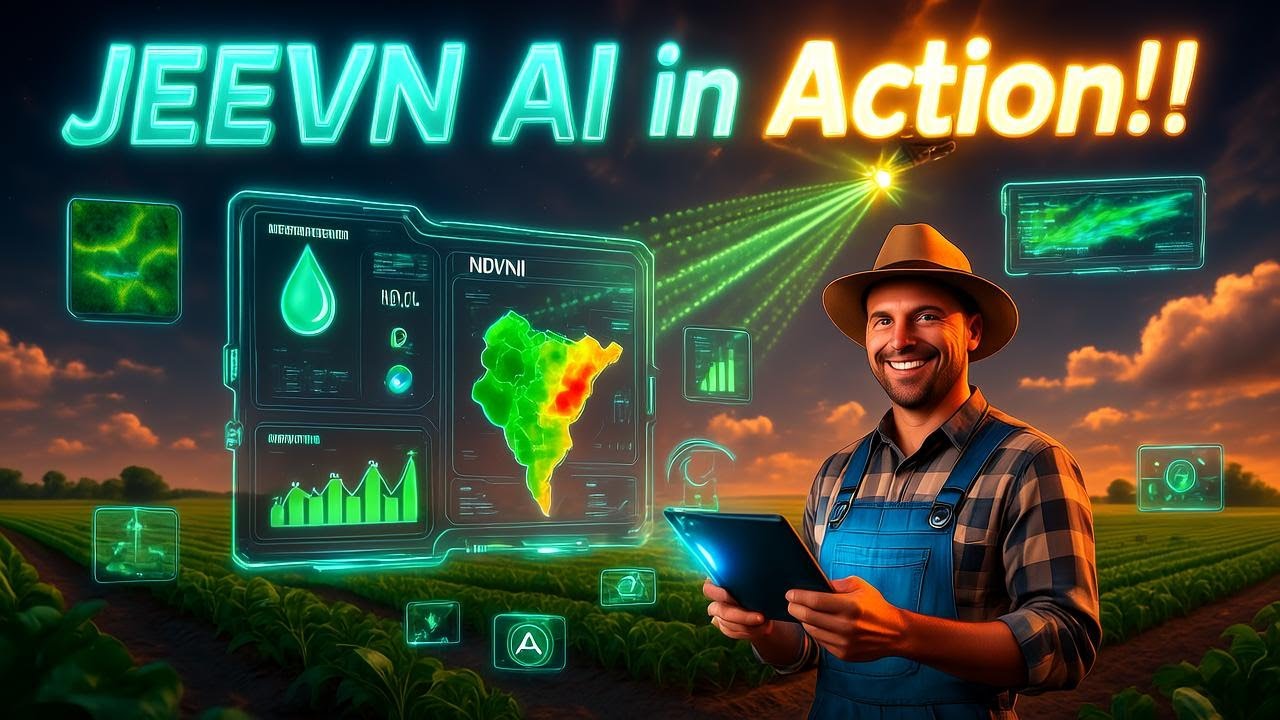
- Digital Inclusion: Expanded mobile broadband opens access to e-learning, mobile advisory (such as Jeevn AI), and resource management tools.
Adopting carbon accounting systems and sustainability-driven upskilling will soon be required for international agri-food market access. Farmonaut’s carbon footprinting solution supports evidence-based reporting.
Training & Developing a Future-Ready Workforce: Best Practices for 2026+
Based on the comprehensive skills assessment of the agriculture and agro-processing sector PDF, the following strategies are critical to align workforce capabilities with growth and innovation:
- Modernizing Curriculum: Agricultural colleges and vocational centers must integrate digital, sustainability, and business elements into short and long-term programs.
- On-the-Job Training: Real-life field experience using modern technologies and management systems is essential.
- Micro-Credentials & Modular Learning: Skill certification aligned to specific job functions enhances employability—farm logistics, IoT device management, GIS analysis, quality auditing, etc.
- Continuous Professional Development: Ongoing online modules and remote-learning help maintain relevance as technologies evolve.
- Digital Access Initiatives: Focus on broadband extension and affordable tech for last-mile inclusion.
Benefits of Upskilling for the Agriculture and Agro-Processing Sector
- ✔ Stronger productivity and crop resilience against climate risks
- 🌐 Improved global market access via traceability and compliance
- 📈 Higher farm incomes and profitability from value-added processing
- 🛡️ Reduced risks of job automation and sectoral redundancy
- 🌎 Enhanced sustainability and environmental compliance
Farmonaut’s Role: Satellite Technology & the Future of Sectoral Skill Assessment
At Farmonaut, we recognize the vital importance of workforce upskilling to match the pace of technological advancement within the global agriculture and agro-processing ecosystem. Our cloud-based farm and resource management platform leverages satellite imagery, AI, and blockchain to deliver accessible, affordable, and high-impact solutions for individual users, businesses, and government agencies.
- Real-time Monitoring: We enable users to visualize and interpret data on soil health, crop status, and resource allocation through easy-to-use interfaces.
- Blockchain Traceability: Our platform delivers product traceability, regulatory compliance, and transparency across the supply chain.
- Jeevn AI Advisory: Provides actionable, AI-backed advice for decision-making—from weather patterns to resource optimization.
- Fleet & Resource Management: Reduces operational costs and enhances logistics training and planning (see more).
- Environmental Compliance: Carbon footprint and environmental impact tracking are integrated for next-gen sustainability training (explore carbon footprinting).
We believe the integration of remote sensing, AI, and digital platform literacy into sectoral workforce training is essential to meet the sector’s demands for 2025–2026.
Experience our platform through our web and mobile apps or explore the Farmonaut Satellite API for seamless integration into your own business workflows.
“By 2026, over 60% of agriculture jobs will require digital skills in precision farming and data analytics.”
“Agro-processing sector innovations are expected to increase automation by 35% by 2025, reshaping required workforce competencies.”
Comparative Trends Table: Workforce Skill Needs, Demand & Technologies
Agriculture & Agro-Processing (2025–2026)
| Skill Area | Estimated Workforce Demand (2025) | Estimated Workforce Demand (2026) | Key Technological Tools | Expected Impact on Productivity |
|---|---|---|---|---|
| Precision Farming & Automation | 750,000 skilled operators | 1,100,000 skilled operators | Drones, IoT sensors, automated machinery, satellite imagery | 30–45% yield and labor efficiency increase |
| Data Analysis & Decision-Making | 600,000 analysts & managers | 950,000 analysts & managers | Farm management software, cloud analytics, AI dashboards | Improved risk management; up to 25% reduction in losses |
| Sustainable Farming Practices | 450,000 specialists | 725,000 specialists | Digital water management, carbon-tracking, eco-certification tools | Enhanced resilience, lower inputs, better compliance |
| Quality Control & Compliance | 320,000 QA professionals | 510,000 QA professionals | Laboratory automation, blockchain traceability, digital QC | Stronger food safety; higher export market value |
| Supply Chain Logistics | 520,000 logistics experts | 800,000 logistics experts | Fleet management software, IoT tracking, cold chain monitoring | Reduced post-harvest losses; better market access |
| Advanced Manufacturing Techniques | 270,000 process engineers | 420,000 process engineers | Smart robotics, automated packing systems, R&D platforms | Increased throughput, energy saving, and innovation |
| Market Access, Business & Entrepreneurship | 375,000 managers | 600,000 managers | E-marketing tools, CRM, supply chain analytics | Value chain integration, higher farm incomes |
Frequently Asked Questions: Skills Assessment of the Agriculture and Agro-Processing Sector PDF Trends 2026
What is a skills assessment of the agriculture and agro-processing sector PDF?
A formal report or digital document that analyzes the current and future skill requirements, workforce gaps, and training needs for all job roles in the agricultural value chain. It highlights key trends, emerging technologies, and provides strategy recommendations for skill development.
Why is workforce re-skilling important for agriculture and agro-processing in 2025–2026?
The industry is rapidly shifting toward automation, data-driven management, and sustainable practices. Without upgrading workforce skills, companies and farmers risk losing competitiveness and missing out on new market opportunities.
Which technologies are driving skills transformation?
Satellite monitoring, IoT sensors, AI-driven analytics, blockchain traceability, robotics, and digital management platforms are the leading drivers in both farming and agro-processing sectors.
How can the skills gap be bridged effectively?
Through curriculum modernization, continuous learning, digital inclusion, micro-credentialing, and strong public-private investment in sectoral skill development.
What role do solutions like Farmonaut play?
Platforms like Farmonaut democratize access to satellite data, AI-powered advisory, and resource management, empowering the global workforce to adapt and excel within the modern digital agriculture landscape.
Concluding Insights: Building a Future-Ready, Tech-Savvy Workforce
The skills assessment of the agriculture and agro-processing sector PDF for 2025–2026 is clear: Modern technologies, digital platforms, enhanced sustainability, and compliance will define global competitiveness, resilience, and growth across both developed and developing economies. Addressing workforce gaps with targeted training, digital inclusion, and a clear focus on compliance and quality management is non-negotiable.
- Invest in both technical (automation, data analytics) and soft (adaptability, communication) skills.
- Leverage technology—satellite, AI, blockchain—to drive transparency, efficiency, and value creation.
- Promote gender and youth inclusion for an innovative, future-ready labor force.
- Prioritize sustainability training to unlock new markets and comply with climate imperatives.
As the sector prepares for 2026 and beyond, the winners will be those who align their workforce development with rapidly evolving digital, compliance, and sustainability trends. At Farmonaut, we are dedicated to enabling this transformation through affordable, scalable, and cutting-edge satellite-driven insights for a sustainable future.
Ready to future-proof your agriculture and agro-processing workforce? Discover advanced farm management solutions and stay at the forefront of sectoral innovation with Farmonaut.
Discussion
Questions, corrections or field experience? Share them below. First-time comments are reviewed before they appear, and your email is never published.
No comments yet. Be the first to add a question or your experience.

 CU Foods
 BeyondTech Global
 Consulthink Global
 Rouge VC
 Yutz Automation
 AgroGreen Dynamics
 AgroRisk
 Oath Inc
 Reddane Farming
 Esri North East Africa
 Cresol
 Atur Kuliner
 MDCV UK
 Zerella Group
 Etech Consulting Madagascar
 Vestlandsforsking
 Delicio
 WB Dev
 Sama Premium
 Prochecker
 Tres Valles
 LACOS Geoinformation
 Magrifly
 LatConnect 60
 Exploration consultancy · South Africa · Gold
 Licence holder · Niger · Gold










