

Security and Privacy in Smart Farming: 2026 Challenges
“By 2025, over 60% of smart farms may face significant IoT data breaches without advanced cybersecurity measures.”
- Introduction: Smart Farming & the New Security Landscape
- The Evolution of Smart Farming
- Security and Privacy in Smart Farming: Challenges & Threats (2026)
- Key Security and Privacy Threats in Smart Farming: Impact and Solutions
- Opportunities & Solutions for Secure Smart Agriculture
- The Role of Advanced Technology and Innovation
- How Farmonaut Empowers Secure, Sustainable Agriculture
- FAQs: Smart Farming Security & Privacy
- Conclusion: Building a Resilient, Trusted Digital Farm Future
Introduction: Smart Farming & the New Security Landscape
Smart farming—often known as precision agriculture—is reshaping the global agricultural sector as we approach 2026. Through the internet of things (IoT), AI, sensors, drones, and continuous data collection, smart farms are optimizing productivity, resource management, and sustainability in unprecedented ways. With these digital advances, however, come critical challenges—especially “security and privacy in smart farming: challenges and opportunities”—as cited in 2020 IEEE Access research and subsequent industry analyses.
As data-driven systems underpin modern agriculture, the risks—from IoT cyberattacks to data breaches and privacy violations—have shifted from theoretical to urgent. We explore why security and privacy in smart farming: challenges and opportunities have become defining concerns, what threats farmers must address, and what innovative solutions—like blockchain, encryption, and strong regulatory frameworks—are emerging to defend the digital farm.
🔑 Key Smart Farming Technologies:
- 🌐 Internet of Things (IoT): Field sensors for real-time environmental and crop data
- 🤖 Artificial Intelligence: Data-driven decision making, predictive analytics
- 🛩️ Drones: Rapid field surveillance, crop monitoring, and resource management
- 🌦️ Weather Stations: Localized climate tracking for schedule optimization
- 🚜 Autonomous Machinery: Automated seeding, irrigation, fertilizing, and harvesting
As the agricultural world transitions, integrating these technologies creates not only revolutionary efficiencies but also a new frontier of security and privacy issues.




The Evolution of Smart Farming
Over the past decade, smart farming has leveraged IoT devices, sensors, weather stations, autonomous machinery, and advanced AI to transform agriculture. According to leading analyses like “security and privacy in smart farming: challenges and opportunities” 2020 IEEE Access, these technologies unlock significant gains in productivity, yield, resource utilization, and environmental sustainability. However, their adoption introduces new challenges for security and privacy management.
🚀 Modern Smart Farming: Advantages
- ✔ Enhanced Yield: Data-driven planting and irrigation optimize overall crop output
- ✔ Water & Fertilizer Efficiency: Resource allocation is based on real-time field conditions
- ✔ Pest & Disease Detection: Early alerting allows for rapid, cost-effective response
- ✔ Operational Automation: Autonomous equipment streamlines labor and reduces errors
- ✔ Sustainability: Lower environmental impact through targeted interventions and carbon monitoring (see Farmonaut Carbon Footprinting)
Yet, as these data-rich, connected systems grow, so does the attack surface for cybersecurity threats, privacy breaches, unauthorized access, and data manipulation. By 2025, industry estimates suggest that more than 60% of connected farms will experience a significant security event without strong controls, driving both risk awareness and demand for solutions.
Security and Privacy in Smart Farming: Challenges & Threats (2026)
Let’s delve directly into the heart of our focus: security and privacy in smart farming: challenges and opportunities. Smart agriculture is fundamentally exposed to new and evolving threats as more digital, connected devices and systems enter fields globally. The 2020 IEEE Access review catalogues these issues, which have only intensified as 2025 nears. Here are the chief challenges shaping future solutions.
1. Data Security Threats
- ⚠ Vulnerable Data Flow: Smart farming systems rely heavily on continuous data collection from IoT sensors, drones, weather stations, and autonomous machinery. This constant stream is often inadequately protected, leaving it open to interception, manipulation, or ransomware attacks.
- ⚠ Cyberattacks & Weak Security Measures: Hackers exploiting weak or outdated security can disrupt vital operations—causing loss of crop, equipment failures, or resource wastage, with potentially significant economic loss.
- ⚠ Data Breaches: Unauthorized access or breaches can expose sensitive agricultural data, leading to privacy violations or commercial harm.
Key Security and Privacy Threats in Smart Farming: Impact and Solutions
| Threat Type | Estimated Prevalence by 2025 (% of smart farms affected) | Potential Impact | Example Scenario | Recommended Security Solution |
|---|---|---|---|---|
| IoT Device Breach | 48% | Data Loss, Crop Disruption, Resource Misuse | Hackers exploit outdated firmware on soil sensors, causing false readings and irrigation failures. | End-to-End Encryption, Secure Firmware Updates, Device Authentication |
| Data Interception | 42% | Sensitive Data Disclosure, Loss of Privacy | Unencrypted data sent from field drones is intercepted, revealing proprietary yield patterns. | Lightweight Encryption, VPN, Multi-Factor Authentication |
| Cloud Platform Breach | 35% | Operational Disruption, Data Manipulation | Unauthorized access to cloud platforms alters crop schedules, overruling farmer intentions. | Role-Based Access Control, Regular Security Audits |
| Ransomware Attacks | 22% | Lockout from Critical Systems, Economic Loss | Farm management platform encrypted by ransomware, halting operations. | Regular Backups, Network Segmentation, User Education |
| Physical Tampering | 31% | Data Theft, Device Hijacking | Unprotected weather station adjusted to disrupt irrigation schedules. | Physical Locks, Tamper Detection, Geofencing |
| Unauthorized Data Sharing | 39% | Breach of Consent, Loss of Farmer Trust | Cloud-based service provider shares operational data without farmer consent. | Strict Data Sharing Policies, Consent Management Systems |
2. Privacy Concerns & Data Ownership
- ⚠ Sensitive Data Generation: Farmers generate operational, yield, and proprietary technique data that can be misused if disclosed without informed consent.
- ⚠ Third-Party Risks: The shift toward cloud-based platforms and service providers for analytics and management poses new privacy compliance challenges.
- ⚠ Aggregated Patterns: Even anonymized data sets can, when combined, reveal soil quality, yield patterns, and competitive insights.

3. Lack of Standardization
- ⚠ Non-Uniform Protocols: Divergent device manufacturers and software platforms implement different security standards, causing integration issues and raising vulnerabilities.
- ⚠ Data Siloing: Lack of interoperability due to proprietary encryption or formats leads to incomplete security coverage across the agricultural system.
- ⚠ Barrier to Adoption: This fragmentation slows smart farming adoption and complicates compliance with emerging regulatory frameworks.
4. Resource Constraints on Farming Devices
- ⚠ Lightweight Devices: Many IoT sensors and tracking devices have limited battery and computational ability, making it difficult to implement strong encryption or continuous monitoring.
- ⚠ Security Gaps: Attackers can target unprotected or under-protected endpoints to compromise wider smart farm networks.
5. Physical and Environmental Risks
- ⚠ Physical Tampering: Devices placed in remote agricultural fields are at risk of unauthorized access, theft, or tamper-based attacks that corrupt data or disrupt operations.
- ⚠ Environmental Hazards: Floods, storms, or droughts can damage hardware, leading to data integrity failures and gaps in monitoring.
“In 2026, smart farming privacy violations could increase by 35% due to unsecured cloud-based data sharing.”
Opportunities & Solutions for Secure Smart Agriculture
As digital agriculture grows, addressing “security and privacy in smart farming: challenges and opportunities” isn’t just about mitigating risks; it’s also about building a trustworthy, resilient foundation for smart farming’s evolution toward 2026. Below we explore proven and emerging solutions.
1. Enhanced Crop & Resource Management through Secure Data
- ✔ Secure and private data collection enables accurate, timely decisions—improving yield, limiting waste, and maintaining trust.
- ✔ AI-driven predictive analytics foster optimal resource usage across irrigation, fertilization, and pest control—provided data integrity is vigilantly maintained.
➡ Farmonaut Carbon Footprinting: Monitor, manage, and reduce your agri-business’s carbon footprint with secure, satellite-driven analytics—a must for sustainability and regulatory compliance.

2. Blockchain and Distributed Ledger Technologies (DLT)
- ✔ Blockchain creates tamper-proof records of field data, crop movements, and supply chain events—directly supporting traceability, regulatory requirements, and farmer trust.
- ✔ Decentralized access control ensures that only authorized users can access or share specific data.
➡ Farmonaut Traceability Solutions: Utilize blockchain-based authenticity tracking for crops and agri-products, creating transparency and combating fraud in agricultural supply chains.
3. Advanced Encryption and Authentication
- ✔ Lightweight, efficient encryption makes secure communications feasible for low-power IoT devices.
- ✔ Multi-factor authentication (MFA) and real-time anomaly detection algorithms further limit unauthorized access and intrusion across smart agri-systems.
4. Regulatory Frameworks and Farmer Awareness
- ✔ Emerging laws (like data protection regulations in the EU, India, and elsewhere) require responsible data usage and explicit consent for information sharing in agriculture.
- ✔ Farmer education initiatives and transparent policies build a culture of cybersecurity hygiene—a vital step to protecting both data and livelihood.
➡ Farmonaut Crop Loan and Insurance: Satellite-verified agricultural data streamlines insurance and loan decisions while reducing fraud—implementing strict access and privacy requirements for financial stakeholders.
5. Integrated Cyber-Physical Security
- ✔ Layered security approach: Combining physical security measures (e.g., geofencing, tamper detection) with digital safeguards (e.g., secure firmware updates) creates resilience to both physical and cyber threats.
➡ Farmonaut Agro Admin App: Supports large-scale farm management by integrating secure monitoring, AI-based advisories, and robust resource control into a single platform—delivering resilience across physical and digital domains.
The Role of Advanced Technology and Innovation
A. Artificial Intelligence & Predictive Analysis
- 📊 AI-driven advisory systems can analyze trends to predict pests, optimize planting schedules, and recommend resource allocation—provided data security is intact.
- ⚠ Risk: If data integrity is undermined via manipulation or breach, AI outputs become unreliable, potentially causing incorrect advice or crop failures.
➡ Farmonaut Crop Plantation & Forest Advisory: Receive AI-powered recommendations supported by secure, up-to-date satellite data to optimize yield, address emerging risks, and enhance sustainability.

B. Satellite-based Monitoring & Remote Sensing
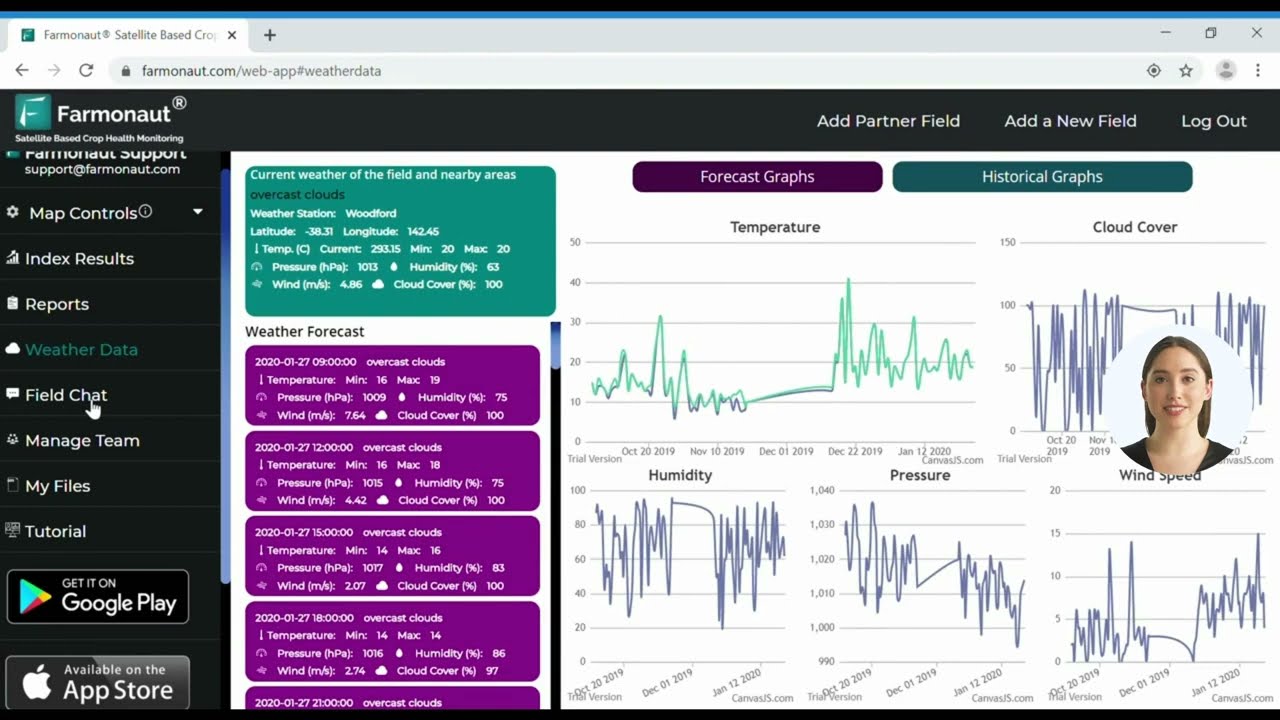
- 📊 High-resolution satellite imagery delivers near-real-time insight on crop health, soil quality, and environmental trends—essential for precise resource management and early risk detection.
- ✔ API Integration enables seamless access to secure data for developers and agri-tech platforms.
Farmonaut API: Integrate up-to-date, encrypted satellite data for agriculture, mining, or infrastructure via robust APIs. See Farmonaut API Docs for development guidance.

C. Blockchain-Enabled Traceability
- 🛡 Immutably log every resource transaction—from fertilizer allocation to harvest to shipment—for authentic, transparent, and fraud-resistant supply chains.
- ✔ Farmonaut Traceability Solutions leverage blockchain to ensure data security and trust among producers, suppliers, and regulators.
Learn more about Farmonaut’s Traceability.
D. Fleet and Resource Management Platforms
- ✔ Reduce operational risks by employing secure, satellite-guided fleet tracking for all agricultural machinery and field equipment.
- ✔ Real-time resource monitoring enables early detection of anomalies, improving security and productivity simultaneously.
Learn about Farmonaut Fleet Management: Optimize the safety and efficiency of farm machinery fleets under a secure, centralized management interface.

How Farmonaut Empowers Secure, Sustainable Agriculture
At Farmonaut, we are dedicated to empowering agriculture, mining, infrastructure, defence, and financial sectors with secure, satellite-enabled insight and digital trust. By integrating AI, blockchain, and real-time data collection, our multifaceted solutions address both the challenges and opportunities in security and privacy for smart farming:
- ✔ Real-time satellite crop monitoring & AI advisories, securing data from collection through access
- ✔ Blockchain-based traceability for authentic, fraud-proof supply chains
- ✔ Secure fleet and resource management to minimize unauthorized use, reduce costs & enhance operational resilience
- ✔ Environmental impact tracking to help businesses meet regulatory requirements and drive sustainability
- ✔ Accessible APIs and app platforms with robust privacy controls and transparent security standards
We believe the future of farming depends on balancing productivity with security, privacy, and sustainability. By offering scalable, cost-effective, and innovative technology, we support individual farmers, agri-businesses, governments, and financial institutions as they transition safely into the digital age.
🔐 Secure Smart Farming: Critical Success Factors
- ✔ Data encryption for all communication—field to cloud
- ✔ Multi-level authentication across devices, staff, and third-party vendors
- ✔ Regular device updates and physical tamper protection
- ✔ Farmer training and awareness to anticipate, detect, and report threats
- ✔ Dynamic, policy-driven data sharing in full compliance with new regulations
FAQs: Smart Farming Security & Privacy
A: IoT device breaches, data interception, ransomware attacks, and unauthorized cloud data sharing rank highest, affecting up to 60% of farms by 2025.
Q2: Why is data privacy so crucial for farmers?
A: Sensitive farm data can expose proprietary techniques or yield info, creating competitive vulnerabilities and potential regulatory infractions if shared without consent.
Q3: How does blockchain help with farm security?
A: By creating an immutable, decentralized ledger, blockchain ensures data cannot be tampered with, supports traceability, and authenticates every transaction or resource movement across the supply chain.
Q4: Can small farms implement these solutions?
A: Yes, modern platforms like Farmonaut are designed to be affordable and scalable, so even individual users can access powerful, secure monitoring and advisory tools via app, browser, or API.
Q5: What’s the future of smart farming security?
A: Expect greater use of AI-powered anomaly detection, stricter regulations on data sharing, and industry-driven standards for device and cloud integration by 2026.
Conclusion: Building a Resilient, Trusted Digital Farm Future
The promise of smart farming is immense: improved productivity, better resource management, and a more sustainable agricultural landscape as we surge toward 2026. Yet, security and privacy in smart farming: challenges and opportunities remain central to whether digital transformation can truly fulfill its potential for farmers worldwide.
With risks like cyberattacks, unauthorized access, and data misuse escalating, only a collective, technologically advanced, and pro-privacy strategy will safeguard agricultural assets and ensure the integrity of the emerging digital agrarian economy. From IoT security and blockchain innovation to farmer education and regulatory frameworks, the path forward depends on embedding resilience, trust, and transparency at every step.
At Farmonaut, we remain committed to developing—and securely delivering—the solutions that help farmers, businesses, and policymakers meet these pressing challenges and maximize the opportunities of the smart farming future.
🌱 Smart Farming 2026: Key Takeaways
- ✔ Data security is non-negotiable for all farms—small or large
- ✔ Privacy compliance is essential for trust and market access
- ✔ Unified platforms solve device and data fragmentation
- ✔ Continuous innovation is the best defense against fast-changing threats
- ✔ Farmer empowerment leads to stronger, more sustainable practices
Discussion
Questions, corrections or field experience? Share them below. First-time comments are reviewed before they appear, and your email is never published.
No comments yet. Be the first to add a question or your experience.

 Field Capacity
 Abhishta Agri
 SP Farms
 Indosistim Teknologi
 Liquify Digital
 CU Foods
 BeyondTech Global
 Rouge VC
 AgroGreen Dynamics
 AgroRisk
 Oath Inc
 Reddane Farming
 Esri North East Africa
 Cresol
 MDCV UK
 Etech Consulting Madagascar
 Vestlandsforsking
