

Soil Management Strategies in Organic Farming 2026: Balancing Sustainability, Productivity, and Resilience
“By 2026, optimized soil management can increase nutrient cycling efficiency in organic farms by up to 40%.”
“Sustainable biological strategies may boost soil resilience in organic systems by 30% compared to conventional methods by 2026.”
Soil management strategies in biological farming have reached new heights as we look toward 2026 and beyond. The context for this topic within agriculture, forestry, and land management emphasizes the importance of farm management principles and strategies that simultaneously boost productivity and safeguard ecosystems. With growing climate stress, resource scarcity, and global environmental crises like deforestation—especially acute in places such as Australia and rainforests—the ability to build, maintain, and monitor soil health using sustainable, biological, and organic practices is more relevant than ever.
Effective soil management in organic farming revolves around targeted strategies that prioritize soil biology, nutrient cycling, biodiversity, and resilience. In this comprehensive guide, let’s explore every facet of these principles, highlight practical solutions for every scale of agriculture and forestry, and see how innovative technologies—like those we provide at Farmonaut—are shaping the future of sustainable soil stewardship.
- Introduction to Soil Management Strategies in Biological Farming
- Core Principles: Soil Management in Organic Farming
- Building and Protecting Soil Organic Matter
- Reducing Disturbance and Minimizing Tillage
- Promoting Biodiversity and Crop Diversification
- Optimizing Nutrient Cycles through Biology
- Water Stewardship: Managing Moisture and Retention
- Pest and Disease Resilience
- Practical Soil Management Strategies for Farms
- Comparative Strategies Performance Table
- Monitoring and Key Outcomes
- Risks and Practical Considerations
- How Farmonaut Empowers Soil Management Strategies
- FAQs: Soil Management Strategies in Organic Farming 2026
- Conclusion
Introduction to Soil Management Strategies in Biological Farming
With agriculture at the crossroads of food security, environmental sustainability, and climate change, soil management strategies in biological farming have never been more vital. The 2026 landscape demands systems that maximize productivity while minimizing negative ecosystem impacts. Key elements—like building organic matter, fostering beneficial biological networks, and minimizing tillage—are central in balancing production with long-term soil health.
This post explains the most impactful approaches for soil management in organic farming as relevant to 2026, highlighting practical strategies, emerging technologies (such as satellite monitoring and AI), and common pitfalls—while providing actionable, data-driven guidance for farms, forestry, and related land management in a changing world.
Effective soil management in organic farming boosts crop yields, increases nutrient availability, improves water retention, and builds resilience to climate extremes—all without reliance on synthetic inputs.
Core Principles: Soil Management in Organic Farming
Before exploring detailed practices, let’s outline the key principles underpinning sustainable soil management strategies in biological farming:
- ✔ Build and Protect Soil Organic Matter: Regularly add compost, green manures, cover crops, and diverse residues to enhance soil carbon and feed microbial communities.
- ✔ Reduce Disturbance: Minimize tillage to preserve soil structure, mycorrhizal networks, and organic matter.
- ✔ Promote Biodiversity: Integrate crop diversification, cover crops, and agroforestry components to support biological cycling and ecological stability.
- ✔ Optimize Nutrient Cycles: Prioritize biological processes such as mineralization, immobilization, and microbial-driven nutrient cycling.
- ✔ Enhance Water Stewardship: Use mulches, appropriate irrigation, and landscape design to conserve moisture and prevent erosion.
- ✔ Pest & Disease Resilience: Rotate crops, employ living mulches, and build healthy soils to naturally suppress pests and diseases.
Avoid the pitfall of relying on a single amendment or strategy. True soil resilience and biological health emerge from diversified, integrated management that supports a broad range of organisms and processes.
In places facing dramatic land-use changes and deforestation, such as Australia, management strategies for deforestation in Australia now emphasize minimizing soil disturbance and enhancing organic matter to protect landscapes and biodiversity.
Building and Protecting Soil Organic Matter
Central to sustainable agriculture is the build and protection of soil organic matter. Organic matter is the backbone of soil health—feeding microbes, binding nutrients, and boosting water retention.
- Add Diverse Organic Inputs: Utilize compost, green manures, animal manures (where permitted), leaf litter, and mulches. Diversity ensures a wider range of nutrients and stimulates varied microbial activity.
- Maintain Year-Round Soil Cover: Living plants, cover crops, or organic mulches reduce erosion, conserve moisture, and regulate temperature extremes—crucial for soil life and structure.
- Feed Microbial Communities: Aiming for continuous organic inputs helps sustain a thriving, beneficial soilfood web.
Terminating cover crops at the optimal growth stage maximizes both above- and below-ground residue benefits for subsequent cash crops—without impeding planting or early growth.

- 📊 Data Insight: Building soil organic carbon can increase yields by up to 20% in degraded soils over five years when managed with green manures and compost.
- ⚠ Risk or Limitation: Over-application of high C:N mulches may temporarily tie up nitrogen. Balance residue types to stabilize nutrient supply.
Reducing Disturbance and Minimizing Tillage
Soil disturbance from conventional plowing and excessive tillage disrupts soil structure, compacts subsoil, and destroys mycorrhizal networks. In soil management strategies in biological farming, minimizing disturbance is a cornerstone.
- ✔ Employ Conservation Tillage: Shallow, targeted operations retain surface residues and organic matter.
- ✔ Preserve Biological Structure: Limiting disturbance allows for enhanced fungal-plant connections, increased aggregate stability, and water infiltration.
Farmers are increasingly using strip-tillage, shallow till (to only 2–5 cm) for seedbeds, or even true no-till—relying on mulches and living covers instead. These practices, combined with carbon footprint tracking (like that offered through Farmonaut), deliver quantifiable reductions in greenhouse gas emissions and promote sustainable agriculture systems.
Technologies that enable rapid monitoring of soil structure, organic carbon, and tillage impacts provide new opportunities for risk management and sustainable finance in agriculture—including insurance, lending, and compliance with environmental benchmarks.
Promoting Biodiversity and Crop Diversification
A healthy and resilient farm ecosystem relies on diverse crops, cover species, and agroforestry components. This diversity supports broader soil organism communities, disrupts pest life cycles, and increases ecological stability.
- ✔ Integrate Cover Crops: Use legume/non-legume mixes for nitrogen fixation, weed suppression, and improved structure.
- ✔ Diversify Rotations: Expanding the cropping sequence creates more varied niches for soil microbes and reduces disease carryover.
- ✔ Incorporate Agroforestry: Trees provide deep roots, organic litter, and microclimate regulation, feeding soil biological networks.
- ✔ Support Rainforest Management Strategies: In rainforest or forested settings, sustainable soil management ensures carbon sequestration, conserves understorey diversity, and maintains nutrient cycling across varied biological components.
By managing for a wider range of organisms and pathways, farms achieve higher overall system resilience and long-term sustainability.

Incorporating native species and perennial trees as part of agroforestry is a proven method to enhance soil organic carbon, support beneficial microbes, and create a more dynamic, stable farm ecosystem.
Optimizing Nutrient Cycles through Biology
Strong, sustainable nutrient cycling is a hallmark of leading farm management principles and strategies. A biologically active soil can efficiently mineralize, immobilize, and deliver nutrients to crops as they need them, reducing leaching and improving yields.
- ✔ Use Biological Amendments: Supply micronutrients with rock dusts, stimulate microbes with compost teas and biofertilizers.
- ✔ Emphasize Microbial Activity: Healthy microbial populations mineralize nutrients and immobilize them, making them available throughout crop cycles.
- ✔ Monitor Nutrient Status: Regular soil tests for macro- and micronutrients, pH, and organic matter enable targeted, adaptive management.
Appropriate timing and diverse inputs ensure consistent crop nutrition without synthetic fertilizers.

- 🍃 Compost teas: Enhance microbial populations and nutrient availability
- 🪨 Rock dusts/biofertilizers: Replenish trace minerals and support microbial activity
- 🌾 Legume cover crops: Fix atmospheric nitrogen through rhizobia
- 🚜 Adaptive fertilizer application: Synchronize nutrient release with plant needs and growth stage
Unlock more on this from Farmonaut’s traceability solution — ideal for ensuring sustainability throughout the nutrient management chain, from soil amendment origin to crop traceability.
Water Stewardship: Managing Moisture and Retention
Efficient water management is another pillar of successful organic soil strategy. Good soil retains water, withstands dry periods, and reduces runoff, which translates to increased resilience and better crop quality.
Core practices include:
- ✔ Implement Mulches: Organic mulches, living mulches, and crop residues slow evaporation, buffer temperature, and reduce erosion.
- ✔ Apply Ridge & Furrow, Swales, and Hedgerows: These landscape features increase infiltration, slow runoff, enhance aquifer recharge, and trap nutrients for better retention.
- ✔ Use Right-Scale Irrigation: Drip, micro-sprinkler, and precision irrigation minimize water waste while supporting soil biology and crop needs.
Monitoring soil moisture dynamically is critical. Remote sensing platforms—such as those accessible through our Farmonaut app ( )—offer real-time, field-level water management and recommendation tools, ensuring nutrient cycling remains optimal even in unpredictable climates.
Applying irrigation or mulches without monitoring soil compaction and infiltration can cause puddling, root zone saturation, and eventual yield loss. Always balance inputs with real-time field data.
Pest and Disease Resilience
- ✔ Rotate Crops: Limit pest and disease carryover through diverse rotations, reducing the need for external pest controls.
- ✔ Grow Trap Crops and Living Mulches: Trap crops remove pests from main crops; living mulches create habitats for beneficial predators.
- ✔ Disrupt Life Cycles: Plan rotations, crop choices, and field operations to break pest and disease cycles strategically.
- ✔ Strengthen Plant Defenses: Build soil organic matter and maintain good biology for robust plant immunity and lower disease pressure.
Practical Soil Management Strategies for Farms
Effective soil management in organic farming is an ongoing, adaptive process. The best results stem from frequent monitoring, diversified strategies, and community knowledge sharing.
- 🧪 Soil Testing & Adaptive Management: Use baseline soil tests for pH, organic matter, macro/micronutrients; employ dielectric or NIR monitoring for rapid in-season checks.
- 🌱 Cover Cropping & Green Manures: Select legume and non-legume mixes for nitrogen fixation, weed suppression, organic matter increase, and structure improvement.
- 🔄 Compost & Fermented Amendments: Well-composted materials stabilize nutrients and boost microbial activity; use compost teas and fermented extracts judiciously to avoid phytotoxicity.
- 🍂 Organic Matter Inputs: Rotate use of crop residues, prunings, and woodchip mulches to keep the soil covered and biologically active.
- ⏳ Integrated Nutrient Management: Use mineral and organic sources to meet precise crop demand; synchronize nutrient release through timed applications and soil moisture tracking.
- 🛠️ Soil Structure Improvement: Use deep-rooted cover crops and amendments such as biochar for aggregation and cation exchange capacity gains.
- 🎯 Precision Agronomy within a Biological Framework: Variable-rate applications of organic inputs and microbial inoculants reduce waste and maximize outcomes.
- 🌳 Rainforest & Natural Systems Integration: In forestry, minimize soil disturbance and protect soil organic carbon. In agroforestry, manage interactions for optimal nutrient exchange and water regulation.
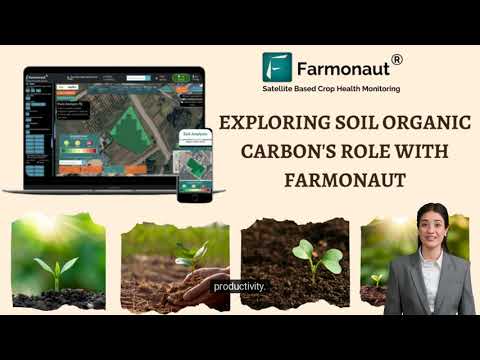
Apply organic inputs shortly before rainfall events or irrigation cycles—this enhances nutrient infiltration and supports sustained soil microbial activity at root depth, instead of losing nutrients to evaporation or runoff.
Comparative Strategies Performance Table: Soil Management in Organic Farming 2026
| Soil Management Strategy | Estimated Impact on Soil Health | Nutrient Cycling Enhancement (%) | Resilience to Climate Stress (1–5) | Carbon Sequestration (tons/ha/year) | Sustainability Rating (out of 5) |
|---|---|---|---|---|---|
| Crop Rotation | High | 25–30% | 4 | 0.8–1.1 | 5 |
| Green Manuring | Very High | 28–35% | 4.5 | 1.0–1.4 | 5 |
| Compost Application | Very High | 35–40% | 5 | 1.2–1.8 | 5 |
| Cover Cropping | High | 24–31% | 4.5 | 1.0–1.3 | 5 |
| Reduced Tillage | Medium to High | 18–25% | 4 | 0.7–1.1 | 4 |
| Biological Inoculants | Medium to High | 15–22% | 3.5 | 0.4–0.8 | 4 |
Combine compost, cover cropping, and reduced tillage for synergistic improvements—amplifying soil health, carbon sequestration, and nutrient cycling.
Monitoring and Key Outcomes in Biological Soil Management
Continuous, data-driven monitoring is at the heart of adaptive soil management in 2026. Regular checks allow us to evaluate, adjust, and optimize management practices, always keeping sustainability central.
- ✔ Track Organic Carbon: Measure changes in soil organic matter as a direct indicator of sequestration and biological vitality.
- ✔ Monitor Aggregate Stability: Soil structure resilience reflects long-term biological health.
- ✔ Evaluate Earthworm Activity & Microbial Biomass: Biological indicators underpin the cycling and suppression potential of the entire system.
- ✔ Assess Crop Health, Disease Pressure, & Nutrient Use Efficiency: Field and remote sensing data help optimize management in near real time.
- ✔ Leverage AI & Satellite Technology: Platforms such as Farmonaut’s offer actionable monitoring—combining NDVI, moisture, and soil property mapping to support all scales of soil management in organic farming.

Monitoring organic carbon and aggregate stability enables us to quantify climate resilience—supporting both on-farm productivity and access to carbon credits or green finance opportunities.
Risks and Practical Considerations for Soil Management Strategies
- ⚠ Avoid Over-Reliance on Single Inputs: Build diversity in both inputs and management to prevent imbalances in soil nutrient cycles or biological communities.
- ✔ Observe Local Regulations: Comply with all requirements for organic certification, amendment use, and fertilizer application—especially in regions with strict organic or biological farming standards.
- ⚠ Monitor for Phytotoxicity: Excessive or poorly fermented teas and amendments can harm plants; always test small areas first or use reputable formulations.
- ✔ Balance Water and Organic Inputs: Overwatering or excessive organic matter can cause anaerobic conditions; monitor moisture closely.
- ✔ Participate in Networks: Engage with farmer-to-farmer communities, extension services, and on-farm trials to refine practices over time for your specific context.
- ❌ Solely applying one type of organic amendment
- ❌ Ignoring pH and soil structure health
- ❌ Neglecting water infiltration or compaction checks
- ❌ Relying exclusively on manual or visual crop health checks—leverage remote monitoring for larger areas
- ❌ Disregarding pest/disease cycle disruptions in rotations
How Farmonaut Empowers Soil Management Strategies in Biological and Organic Farming
At Farmonaut, our mission is to empower every user—from smallholder organic farmers to large forest managers—with actionable, real-time soil and crop insights via advanced satellite, AI, and analytics tools.
- ✔ Satellite-Based Monitoring: Receive weekly and even daily updates on soil moisture, crop health (NDVI), and vegetation indices—directly inside our web and mobile apps. (,
 ,
,  )
) - ✔ AI-Based Advisory (Jeevn AI): Tailor your farm management principles and strategies in organic farming using real-time data, weather forecasts, and advanced recommendations.
- ✔ Carbon Footprinting: Track and visualize your carbon sequestration progress for sustainable farm, forestry, or agroforestry operations—aligning with climate goals and green finance. (Learn about Farmonaut’s Carbon Footprinting Solution)
- ✔ Traceability: Enhance credibility, safety, and value in the supply chain with blockchain-based traceability from soil to store—ideal for certified organic and sustainable agriculture. (Product Traceability)
- ✔ API Integration: Use Farmonaut’s APIs and developer docs to integrate satellite insights into your own tools and decision platforms.

Our modular platform ensures scalability for individuals, businesses, governments, and financial institutions—driving productivity, resilience, transparency, and sustainability in organic and regenerative agriculture. Learn more about large scale farm management and crop loan/insurance solutions for the era of digital, climate-smart agriculture.
FAQs: Soil Management Strategies in Organic Farming 2026
What are the top priorities for soil management in organic and biological farming by 2026?
Priorities include building soil organic matter, minimizing disturbance/tillage, diversifying cropping and cover species, optimizing nutrient cycling through biological means, conserving water, and ensuring resilience against climate stress.
How can satellite data improve organic soil management?
Satellite data provides timely insights into crop growth, soil moisture, vegetation health, and nutrient status—enabling precision management, early issue detection, and adaptive strategies across fields and seasons.
What’s the role of compost teas and biological inoculants?
When used appropriately, they introduce and stimulate beneficial microbes, enhance nutrient cycling, and help suppress some soil-borne pests and diseases. Ensure quality and small-scale testing to avoid phytotoxicity.
Which soil management strategies help prevent deforestation impacts in Australia and rainforests?
Strategies include minimal disturbance, permanent soil cover, integration with native vegetation or agroforestry, targeted water management, and precise organic amendments to maintain soil carbon and biological health.
How do I decide the right mix of management for my context?
Base your approach on baseline soil tests, climate, crop demands, landscape, and local regulations. Blend global best practices with localized trials, remote monitoring, and farmer-to-farmer learning networks.
Conclusion: Soil Management Strategies for a Sustainable, Organic Future
In 2026, the future of agriculture is inextricably linked to soil management strategies in biological farming—not just as an abstract principle, but as a series of concrete, adaptive actions at every scale. Building and maintaining organic matter, minimizing disturbance, fostering diversity, optimizing nutrient cycles, stewarding water, and leveraging advanced technologies are the pillars of system-wide health, productivity, and resilience.
We invite everyone engaged in agriculture—whether managing small organic plots, restoring rainforests, or stewarding large-scale regenerative land systems—to embrace these management strategies for a healthier soil, farm, and planet.
Optimizing soil management in organic farming is central to balancing productivity with ecosystem health. By uniting traditional wisdom, hands-on monitoring, and cutting-edge technologies, the next generation of organic farmers will shape not just successful harvests, but a resilient, thriving environment in the face of ongoing climate stress.
Ready to transform your soil management? Try Farmonaut’s web & mobile platforms, APIs, and explore developer tools today to bring data-driven, sustainable soil stewardship into every decision on your farm.
Let’s build a remarkable food system—rooted in healthy, living soil!

 Delicio
 Payagri
 WB Dev
 Sama Premium
 Prochecker
 Tres Valles
 LACOS Geoinformation
 Pulsar Supernova
 Magrifly
 LatConnect 60
 WebsEdge
 Blickwinkel
 Agricultural Credit Policy Council
 MCSOD
MCSOD Marei Nursery
 eKGIS
eKGIS Mostas Tech
 Andex
Andex FCF India
 Unifrutti Gulf
 Deluxe Conseil
