

Table of Contents
- Stake Farming 2026: Introduction, Concepts & Context
- Stakeholders In Agriculture – Alignment and Land Management
- Where Does Plantation Farming Take Place? Practices & Strategies
- Stake Farming Sustainability Impact Comparison Table
- Integrating Smallholder Stakeholders & Access to Markets
- Digital AgTech, Traceability & Data-Driven Stake Farming
- Farmonaut: Empowering Stake Farming Through Satellite Solutions
- Stake, Governance, and Planning: Key Pillars for 2026 and Beyond
- FAQ: Stake Farming, Plantation Zones & Sustainable Practices
- Conclusion: The Future of Stake Farming & Stakeholder Value
“By 2026, over 60% of new plantations are projected to adopt stake farming for sustainable land management.”
Stake Farming: Sustainable Practices & Stakeholders 2026
The concept of stake farming is transforming agriculture as we move toward 2026 and beyond. At its core, stake farming refers to the deliberate assignment of stakes—specific interests, resources, and accountability—guiding how land, labor, and capital are allocated and deployed for maximum agricultural production. In a world where environmental stewardship and practical profitability must exist hand-in-hand, stake farming is increasingly being recognized as the optimal model for sustainable land use.
This comprehensive guide explores how stake farming delivers sustainability by aligning stakeholders in agriculture, enabling resilient plantation management, and scaling up collaborative approaches—from local farming stations to global supply chains. We will also address the nuances of where plantation farming takes place, best practices in stakeholder participation, as well as the role of cutting-edge digital solutions such as Farmonaut’s satellite-driven tools in optimizing stakeholder value.
Stake farming moves beyond “who owns the land” to “who participates, invests, and benefits.” Clear frameworks ensure shared accountability—and greater rewards.
Stakeholders In Agriculture – Alignment and Land Management
The foundation of stake farming is broad-based stakeholder collaboration. Key players include farmers, landowners, agribusinesses, lenders, researchers, NGOs, extension services, and local communities. Together, these groups align incentives across the agricultural value chain: from input decision-making and planting to harvest, revenue distribution, and ongoing land stewardship.
Stakeholder Mapping: Who Holds the Stake?
- ✔ Farmers: Core labor providers, production decision-makers, and direct stewards of soil and crop health.
- ✔ Landowners: Hold land tenure rights, often providing capital and governance oversight.
- ✔ Agribusinesses: Supply inputs, buy crops, facilitate access to markets, and support compliance with environmental standards.
- ✔ Lenders & Financial Institutions: Fuel investment with credit, loans, and insurance; increasingly require transparent stake tracking and risk mitigation.
- ✔ Researchers & Extension Services: Bring improved practices, training, and scalable knowledge, especially around innovation.
- ✔ Local Communities: Their participation builds legitimacy, equitable value distribution, and longer-term resilience.
- ✔ NGOs: Advance sustainable ecosystem management and advocate for stakeholder rights, especially for indigenous groups and smallholders.
Document roles and performance indicators for every stakeholder during planning. This ensures transparency and helps align labor, capital, and environmental incentives from Day One.
Land Tenure and Transparent Governance
The assignment of land tenure and governance rights is pivotal. Without clear decision rights: long-term investments in soil health, water management, and biodiversity are often neglected. In stake farming, governance structures explicitly define:
- Who makes decisions about inputs, planting, and resource allocation.
- Who finances which assets and how revenue is transparently distributed.
- How incentives are tied to measurable performance indicators (e.g., yield, carbon sequestration, compliance risk).
In a farming station—be it a diversified crop farm, a plantation enterprise, or a seed-breeding hub—stakeholder-aligned governance is what enables prudent capital deployment, measurable performance management, and resilient production outcomes.
Measuring Performance and Accountability Across the Value Chain
Modern stake farming operations now use cutting-edge tools for ongoing monitoring and accountability—think satellite-based services, digital record-keeping, and blockchain-enabled traceability. Aligning stakeholder incentives across the value chain increasingly relies on real-time data and transparent outcomes.
Such stakeholder engagement not only optimizes productivity but also ensures environmental stewardship, as each party is responsible for meeting key sustainability metrics at their level.
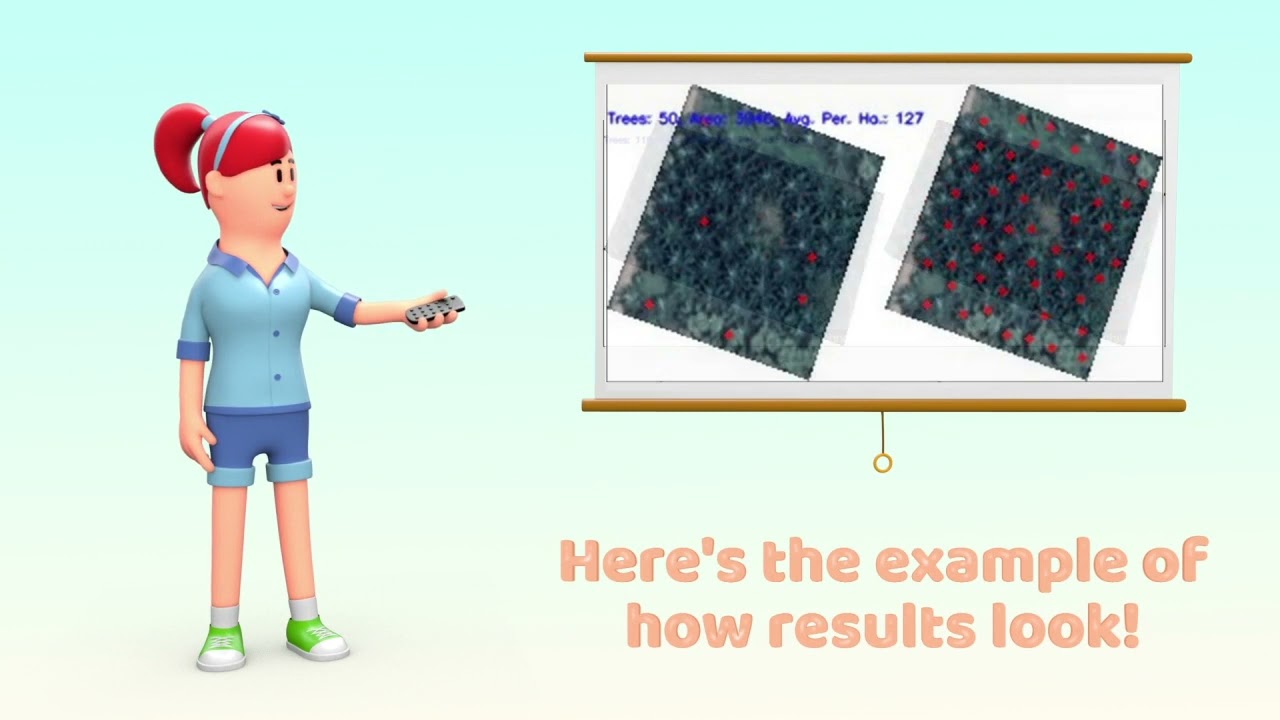
Where Does Plantation Farming Take Place? Practices & Strategies
Plantation farming takes place across the world’s most biodiverse and resource-intensive regions: the tropical belt (Africa, Southeast Asia, South America) for palm, rubber, and tea plantations, as well as temperate zones for timber, nuts, and specialty crops. Here, stake farming practices depend on region-specific adaptation, combining site-specific stakeholder participation with best-in-class environmental management.
Key Plantation Contexts and Stakeholder Challenges
- 🌱 Tropical Palm and Rubber: Demand clear land tenure, community collaboration, and water management agreements.
- 🌳 Forestry: Includes forest communities, indigenous groups, and NGOs. Stakeholder coordination on harvest planning, replanting cycles, and carbon accounting is crucial.
- 🍃 Agroforestry & Nut Crops: Emphasize integration of biodiversity goals and smallholder participation in premium markets for sustainably-produced commodities.
- 💧 Water-Scarce Zones: Require careful water rights clarification, watershed management, and smart irrigation planning across all partners.
- 🔍 Labor-Intensive Plantations: Coffee, tea, and rubber plantations emphasize labor rights and equitable revenue sharing for local workers.
Environmental & Social Controls in Plantation Stake Farming
- ✔ Sustainability certifications (e.g., RSPO for palm, FSC for forestry) ensure compliance and market access.
- 📊 Transparent replanting cycles maintain ecosystem services over the long term.
- 🌐 Community partnerships facilitate sustainable forest management and equitable access to plantation benefits.
In every context, the goal is the same: align stakeholder incentives to optimize productivity, soil health, and ecosystem value—delivering reliable yields while protecting both land and livelihoods.
Demand for stake farming in key global plantation regions is expected to accelerate post-2025, driven by ESG compliance pressure and “green” supply chain requirements from international buyers.




Stake Farming Sustainability Impact Comparison Table
| Stake Farming Practice | Environmental Impact | Economic Benefit | Social Benefit | Sustainability Index (2025–2026) |
|---|---|---|---|---|
| Agroforestry (Stake Model) | Soil erosion ↓ 35%; biodiversity score: 9/10 | Yield ↑ 18%; ROI ~22% | High stakeholder engagement; 16 jobs/100 ha | 9.2 |
| Intercropping (Stakeholder Managed) | Soil erosion ↓ 28%; biodiversity: 8/10 | Yield ↑ 12%; ROI ~17% | Medium engagement; 13 jobs/100 ha | 8.3 |
| Organic Staking | Soil erosion ↓ 23%; biodiversity: 7/10 | Yield ↑ 9%; ROI ~12% | Very high engagement; 20 jobs/100 ha | 8.9 |
| Plantation Stake Farming (Rubber/Palm) | Soil erosion ↓ 18%; biodiversity: 6.5/10 | Yield ↑ 16%; ROI ~15% | Good engagement; 14 jobs/100 ha | 8.0 |
| Snake Farming Supply Chain (Metaphorical) | Traceability ↑; risk mitigation; biodiversity 5.5/10 | Yield ↑ 10%; ROI ~14% | Multi-actor, decentralized jobs; ~11 jobs/100 ha | 7.7 |
| Conventional Single Stakeholder Farming | Soil erosion ↓ 9%; biodiversity: 4/10 | Yield ↑ 7%; ROI ~8% | Low engagement; ~6 jobs/100 ha | 6.2 |
Neglecting to track social benefits. Overlooking stakeholder engagement can halve the true sustainability index—compromising both yield and stewardship outcomes.

Integrating Smallholder Stakeholders & Access to Markets
One of the key features of stake farming in 2026 is the seamless integration of smallholder participation with scalable agribusiness models. This scaling up is crucial for regions dominated by resource-constrained farmers who face market volatility, rising risks, and tightening sustainability standards.
Vertical Integration & Contract Farming–Stabilizing the Chain
Stakeholder partnerships—via vertical integration or contract farming—enable:
- 📈 Stabilized farmgate prices: Risk is shared among all players in the model.
- 🌐 Improved access to quality inputs: Smallholders receive credit, improved seeds, and precision ag tech support.
- 📦 Market access for premium, sustainably-produced commodities: Enables compliance with global sustainability standards.
- 🌱 Climate and soil risk mitigation: Through collective input, cooperative crop breeding, and adaptive planting cycles.
- 🔍 Shared compliance: Joint management of traceability, labor ethics, and environmental standards.
- 💡 Business plans co-created with clear, measurable targets: Soil health, irrigation, nutrient budgets, pest/disease control, and market timing.
- ⚠️ Reduced vulnerability to shocks: Risk is pooled—for example, adverse weather, input prices, or commodity fluctuations.
- 💵 Better capital deployment: Transparency allows all partners to optimize investment and returns.
- 👩🌾 Empowered extension services: Enable practical, adaptive, and rapid knowledge transfer to the farm gate.
By bringing smallholders into the fold as full stakeholders—not just suppliers—stake farming cultivates resilient local economies and ensures sustainability across regions.
“Stakeholder collaboration in stake farming can increase plantation resilience by up to 40% compared to traditional methods.”

Snake Farming: Lessons from a Niche Model
The term snake farming—though not standard in mainstream agriculture—is instructive as a metaphor for highly “interwoven” supply chain structures with multiple small actors. These systems underscore:
- ✔ Trust: Frequent collaboration requires baseline trust and transparent operations.
- ✔ Traceability: Manages risk and achieves compliance for animal welfare and product quality—key for entering regulated or premium markets.
- ✔ Risk management and value distribution: Ensures fair allocation of economic rewards along the entire supply chain.
As a principle, “snake farming” highlights the modern need for strict chain compliance, data-driven insights, and equitable revenue distribution.
Traceability solutions, like those powered by Farmonaut, increase access to premium export markets and reduce supply chain fraud in “snake-like” multi-stakeholder networks.
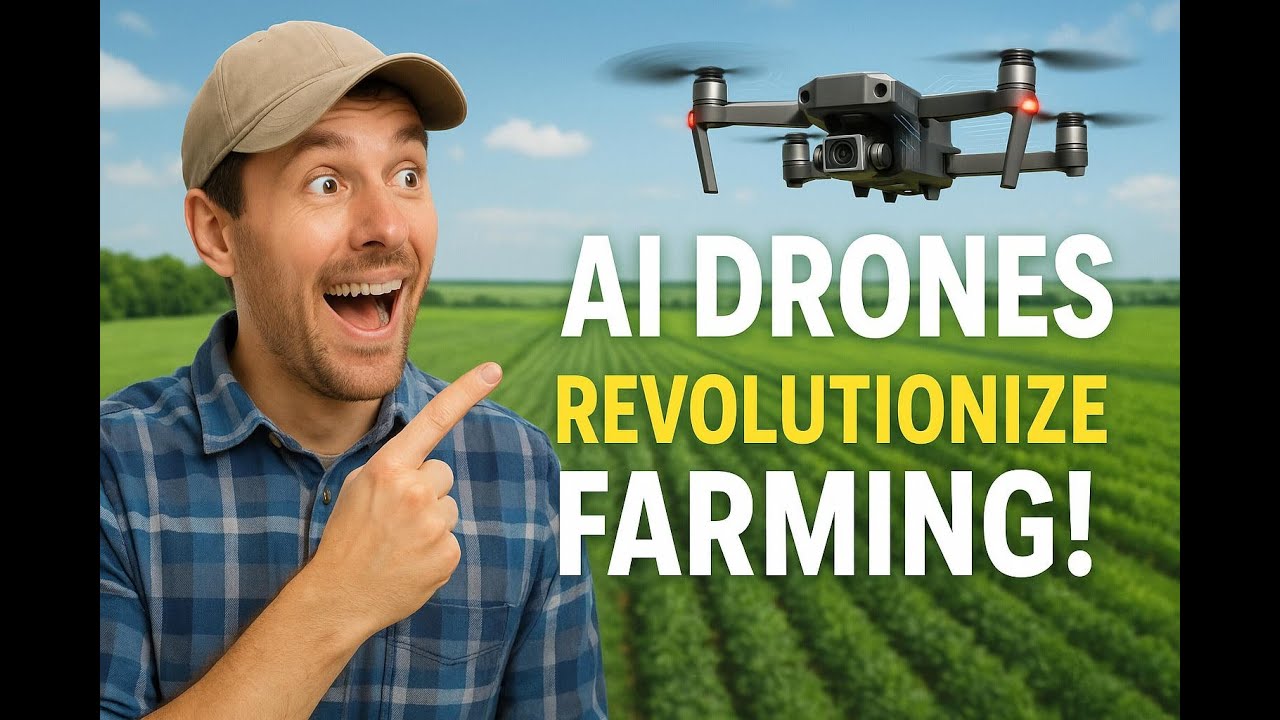
Digital AgTech, Traceability & Data-Driven Stake Farming
As agriculture enters 2026 and beyond, the stake farming model is rapidly becoming data-driven. Multiple digital tools—satellite imagery, remote sensors, blockchain traceability, and AI advisory systems—are woven into the fabric of collaborative stakeholder management.
Core Technologies Powering Modern Stake Farming
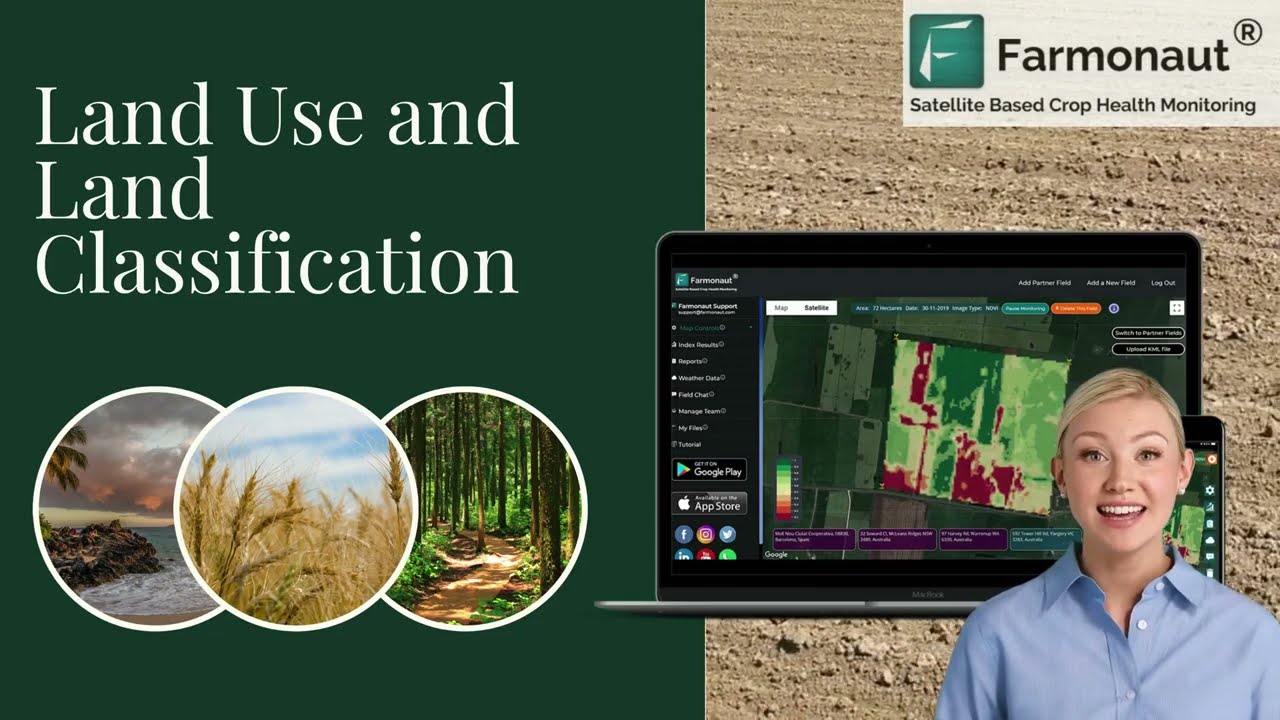
- 🛰️ Remote Sensing & Satellite Imagery: Delivers actionable insights for soil moisture, vegetation health, input allocation, and sustainable land planning.
- 🤖 AI-based Advisory: Customizes planting, irrigation, and pest management recommendations per stakeholder objectives.
- ⛓️ Blockchain-based Traceability: Guarantees transparency and trust in the production chain; critical for compliance and risk management.
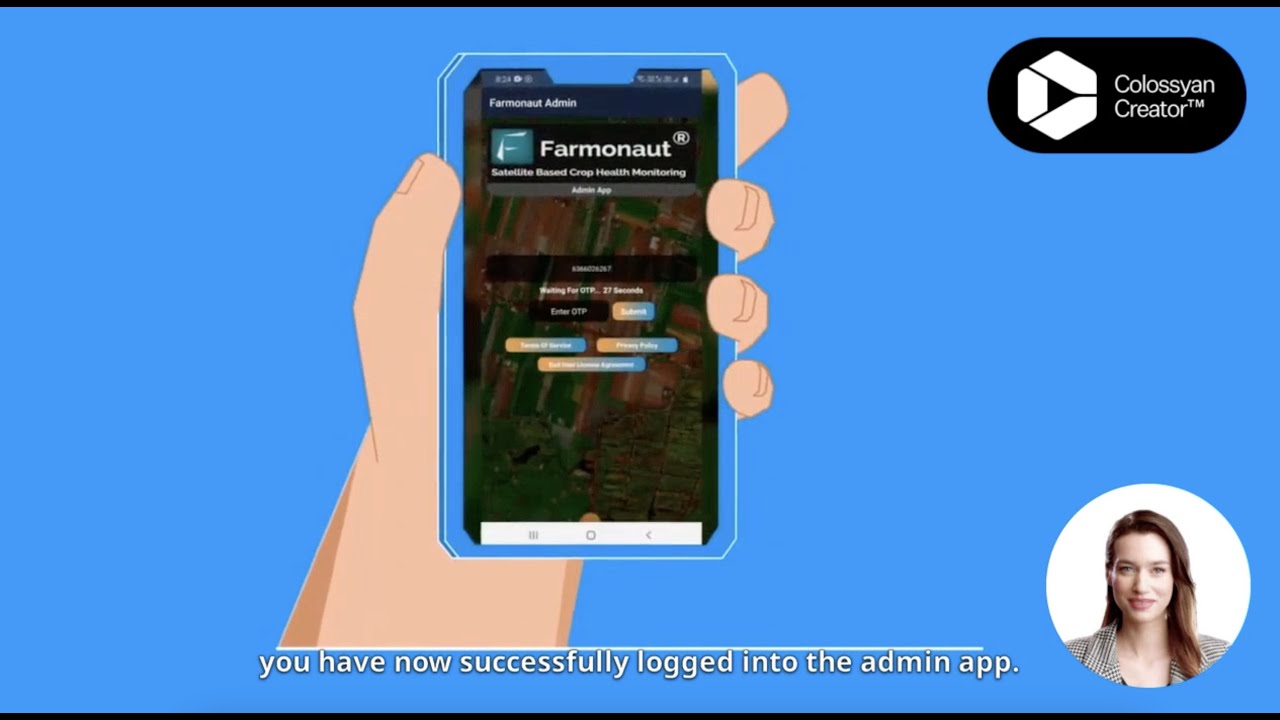
- 📱 Mobile/Web Apps: Democratize access by putting advanced management and analysis in farmers’ hands at the station, field, or plantation scale.
Data and technology do not replace human collaboration—they amplify it. In stake farming, these tools provide measurable outcomes, transparent compliance, and continuous stewardship—across soil health, labor, biodiversity, and capital.
Agricultural and mining stakeholders are converging: satellite-powered compliance (like Farmonaut’s Carbon Footprint Monitoring) is now essential for environmental due diligence and ESG investing.
5 Fast Facts: Data-Driven Stake Farming
- ⚡ Real-time monitoring cuts stakeholder response time to adverse weather by up to 60%.
- 🔒 Blockchain traceability ensures every input and output is tracked, raising compliance rates.
- 📈 AI-driven decision systems boost plantation yield predictability beyond 25% at scale.
- 💬 Mobile access ensures transparent communication from farm level to lenders and exporters.
- 🛡️ Risk reduction becomes quantifiable—stakeholder risks can be benchmarked and managed jointly.
Stake Farming Value Checklist for 2025–2026
- ✨ Land tenure and stakeholder rights are assigned transparently—document everything.
- 🔍 Inputs, labor, and capital decisions use data from satellite-powered apps and advisory systems.
- 🟢 Measurable performance indicators are part of every contract or agreement.
- 🌱 Environmental stewardship is encoded: water use, biodiversity corridors, and replanting cycles.
- 🤝 Revenue, risks, and compliance obligations are shared and reviewed at regular intervals among the stakeholder group.
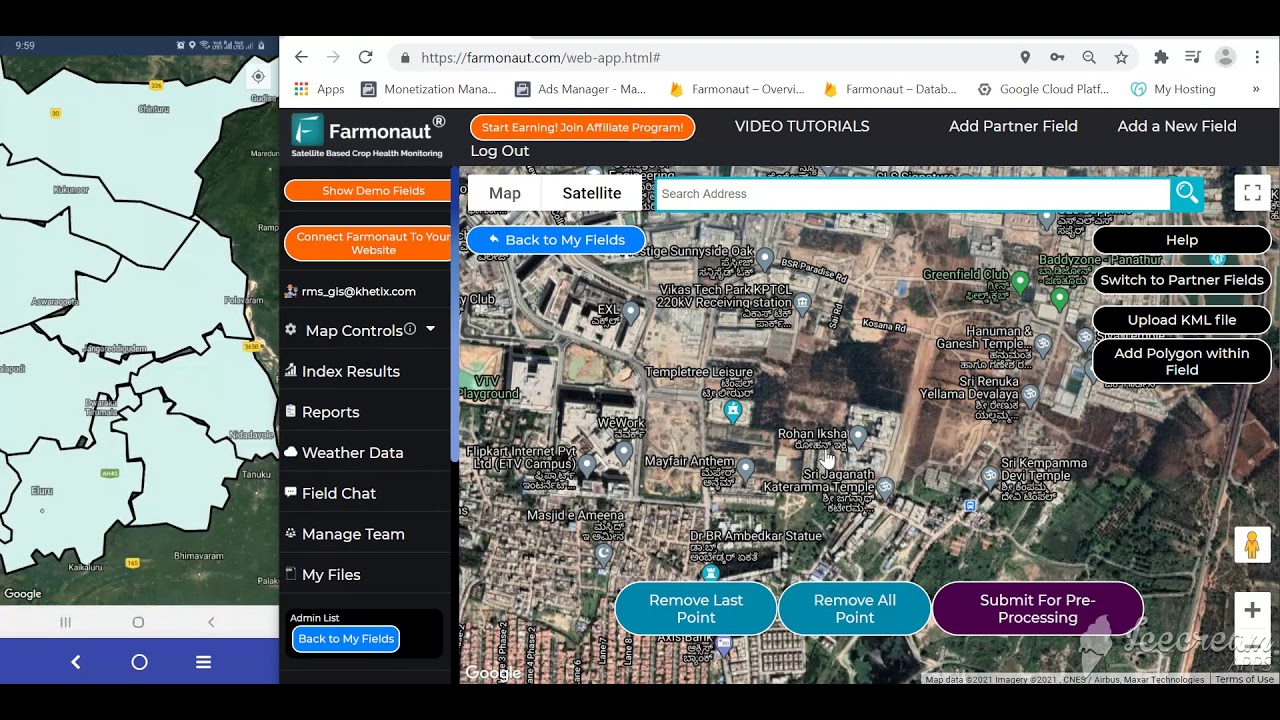
Farmonaut: Empowering Stake Farming Through Satellite Solutions
At Farmonaut, we are dedicated to advancing sustainable stake farming with affordable, actionable, and scalable digital solutions. Our satellite-driven monitoring, AI advisories, blockchain-based traceability, and resource management tools are built for progressive stakeholders in agriculture, mining, infrastructure, and allied services.
By empowering individual users, businesses, governments, and financial institutions, we ensure the future of stake farming is transparent, data-driven, and equitable. Our Web App, native Android and iOS apps deliver state-of-the-art field management directly to your device.
- 🛰️ Satellite-Based Monitoring: Track vegetation, detect changes in soil health, manage water resources, and address environmental risks—ideal for diversified farms and plantations alike.
- 🤖 Jeevn AI Advisory: Real-time, custom guidance for sustainable planting, input allocation, and harvest timing; supports both smallholder and plantation-scale stake farming.
- 🔗 Blockchain Traceability: Critical for “snake farming”-style, multi-actor supply chains, enabling compliance and transparency in global markets.
- 🚜 Fleet and Resource Management: Optimize large scale field operations (see our Large Scale Farm Management solution) for planting, input supply, and logistics coordination among stakeholders.
- 🌎 Environmental Impact Tracking: From carbon footprint monitoring to biodiversity mapping—helping meet both local and global sustainability benchmarks.
- 💡 API Integrations—for developers who wish to automate data-driven farm, plantation, or supply chain systems: Farmonaut API and the Developer Docs.
Our platform fosters sustainability: measurable, data-driven stakeholder participation, and supply chain value supporting productive, profitable, and resilient stake farming for 2026 and beyond.
Advanced digital solutions mean smaller farming stations and diversified farms can now access “big grower” insights—leveling the playing field for all stakeholders in agriculture.
Stake, Governance, and Planning: Key Pillars for 2026 and Beyond
To reap the full potential of stake farming, agricultural businesses must focus their management approach on these practice-defining pillars:
- ✔ Assignment of Stake and Rights: Foster explicit, equitable rights and decision mechanisms from the start.
- ✔ Participatory Governance: Involve all stakeholders—farmers, communities, lenders, NGOs—in key milestones and ongoing oversight.
- ✔ Transparent Value Distribution: Document and monitor how revenue, risk, and responsibility are distributed—using digital and blockchain audits.
- ✔ Adoption of Region-Specific Sustainability Standards: Contextualize stakeholder models for each region and plantation type—from African timber to Southeast Asian palm to South American rubber.
- ✔ Continuous Capacity Building: Maximize performance with ongoing extension services and digital training, ensuring measurable improvement in yield and environmental outcomes.
Stake Farming: Challenges & Opportunities
- ✔ Stakeholder alignment: Critical for long-term resilience and productivity
- 📊 Data-driven monitoring: Powers sustainable input management and transparent compliance
- ⚠ Risk-sharing models: Essential for coping with climate and commodity volatility
- 🌱 Biodiversity & environmental impact: Must be embedded in every plantation practice
- 💡 Collaboration over competition: The future belongs to models that incentivize shared outcomes and equity
Stake farming is not a one-size-fits-all concept. Adapt governance, planning, and performance metrics to suit your land, crops, and community for maximum value in 2026.
FAQ: Stake Farming, Plantation Zones & Sustainable Practices
What is stake farming in agriculture?
Stake farming refers to the collaborative, accountable assignment of interest, resources, and responsibility among all participating stakeholders—farmers, landowners, agribusinesses, financial services, and communities—to drive sustainable and profitable agricultural production.
Who are the main stakeholders in agriculture stake farming?
Main stakeholders include farmers, landowners, lenders, agribusinesses, extension services, researchers, NGOs, and local/indigenous communities. Each plays a unique role in land management, input decision-making, labor deployment, and value-chain governance.
Where does plantation farming take place most commonly?
Plantation farming is found in tropical zones (for palm, rubber, and tea), along with temperate regions producing timber, nuts, and specialty crops. Local land tenure, water access, and labor rights often shape the best stakeholder approach for each region.
How does data and technology help in stake farming?
Satellite monitoring, AI advisories, blockchain traceability, and mobile/web apps foster transparency, optimize input use, and improve stakeholder accountability—key for scaling sustainable, resilient plantation farming to 2026 standards.
Can small farms adopt stake farming?
Absolutely. By using collaborative, data-driven planning, and joining stakeholder value chains, even small diversified farms or breeding stations can share rewards and risks—gaining access to better extension services, market premiums, and improved sustainability outcomes.
Conclusion: The Future of Stake Farming & Stakeholder Value
Stake farming, as we approach and move beyond 2026, offers a proven, pragmatic answer to the challenges of sustainable land use in agriculture. Through deliberate assignment of stake, transparent governance, collaborative management, and cutting-edge digital solutions, this approach deeply aligns the incentives of all participants—producing better economic, social, and environmental outcomes.
By scaling stakeholder participation, leveraging satellite and AI tools, and embedding compliance and traceability, stake farming can turn sustainability from a buzzword into reliable practice.
At Farmonaut, we are excited to play our part—empowering you with digital tools that democratize access, foster transparency, and support the next evolution of land stewardship for stakeholders in agriculture worldwide.
Explore the future of stake farming—transform your plantations, stations, and farming stations, and unlock resilient, sustainable value in 2026 and beyond.

 Escorts Kubota
 FieldZero
 Indico Company
 Kubota
 FFBS
FFBS Jontra
 Kalustyan
 Tucor
Tucor Geno
Geno Hayleys Agriculture
 Linx Agritech
 Adinet
 Save Your Soils
