

Innovative Sustainable Farming Practices in Canada 2025: Drones, Regenerative Agriculture & the Future of Eco-Friendly Productivity
“Over 60% of Canadian farms are expected to adopt regenerative agriculture practices by 2025, enhancing long-term soil health.”
Why Sustainable Farming in Canada 2025 Matters
In 2025, the spotlight on innovative sustainable farming practices in Canada is brighter than ever. This urgency is not misplaced. The combination of a rapidly growing global population, intensifying climate change, and finite natural resources make it essential to embrace eco-friendly agricultural methods that ensure both food security and planetary health.
- Canada’s agricultural sector is a leader in adopting high-impact, sustainable technologies.
- Modern farming systems increasingly integrate drones, precision agriculture, and regenerative practices to maximize productivity while minimizing environmental footprints.
- Innovations in waste management, water efficiency, soil health, and livestock practices are at the forefront of an agricultural revolution.
Let’s explore how these innovative sustainable farming practices are transforming Canadian farms in 2025 — and what it means for our shared future.
“Sustainable farming innovations may reduce farm-related carbon emissions in Canada by up to 35% by 2025.”
The Revolution Driving Innovative Sustainable Farming Practices in Canada
The quest for innovative sustainable farming practices in Canada is not about a single silver bullet, but a robust tapestry of methods and technologies. The key trends shaping the future of farming in 2025 include:
- Drones in Sustainable Farming Practices — Ultra-precise field monitoring and interventions.
- Regenerative Agriculture — Restoring soil, biodiversity, and climate resilience.
- Precision Agriculture Technology — Real-time data-driven farm management decisions.
- Sustainable Pig Farming Practices — Advanced waste cycles, welfare, and feed innovations.
- Smart Infrastructure and Renewable Energy — Efficient, low-impact farm systems powered by clean sources.
Together, these innovative approaches are rewriting what it means to be a sustainable farmer in Canada, ensuring that both productivity and stewardship of natural resources coexist harmoniously.
Comparison Table of Sustainable Farming Innovations for 2025
| Sustainable Practice | Brief Description | Estimated Environmental Impact (2025) | Estimated Productivity Improvement | Adoption Rate in Canada (2025) |
|---|---|---|---|---|
| Drones in Farming | Use of aerial drones for crop, soil, and water monitoring using multispectral & thermal sensors. Enables precise interventions and real-time data. | Up to 20% reduction in water/chemical use; early pest detection lowers crop loss & emissions. | 10–15% higher yields for optimized fields. | ~50% of major crop farms |
| Regenerative Agriculture | Focuses on soil restoration, biodiversity, and holistic management: cover crops, no-till, and agroforestry. | Soil carbon up to 15% higher; up to 35% lower carbon emissions. | 8–12% yield improvement with resilient soil. | ~60% and rising rapidly |
| Precision Irrigation | IoT systems that deliver targeted water based on real-time soil and weather data. | 30–40% less water used per crop; lower runoff. | Up to 10% improved yield quality & consistency. | ~40% in drought-prone provinces |
| Sustainable Pig Farming | Closed-loop manure treatment for biogas, rotational grazing, mixed feeds, and enhanced animal welfare. | Up to 25% reduction in nutrient runoff and greenhouse gas emissions. | 7–10% better feed use efficiency. | ~55% of commercial pig farms |
| Renewable Energy Integration | Solar, wind, and biogas systems power farm operations & fleet. | 15–20% lower fossil fuel use across farm activities. | Cut operational costs by 10–15% annually. | ~35%, especially in Ontario & Alberta |
| AI-Driven Management | Use of artificial intelligence for crop modeling, pest/disease prediction, and automated decision-making. | Optimized input usage reduces environmental impact by 10%+. | Variable gains; up to 10% yield rise where implemented. | ~30% & growing |
Drones in Sustainable Farming Practices: Transforming Field Management
Drones in sustainable farming practices have quickly moved from futuristic concept to mainstream tool in Canadian agriculture. The adoption of drones, equipped with multispectral and thermal sensors, marks a transformative leap for farmers seeking both higher productivity and lower environmental impact.
Key Benefits of Drones in Sustainable Farming
- Real-time Crop & Soil Health Monitoring: Drones enable high-resolution, multispectral imaging, revealing plant stress, disease, and pest outbreaks before they’re visible to the naked eye.
- Precision Fertilizer & Water Application: Targeted application, not field-wide spraying, reduces chemical use and prevents wastage.
- Efficient Pest Detection: Thermal sensors provide rapid, accurate pest hotspot identification, allowing early, spot-specific intervention.
- Aerial Reforestation & Conservation: Drones support mapping of deforested and degraded land, assisting reforestation and agroforestry initiatives.
How It Works: Example Applications
- Monitoring Expansive Farmlands: In the Prairie Provinces, drones efficiently monitor thousands of acres, saving time and fuel over manual scouting.
- Early Pest Outbreak Response: By enabling early detection, farmers can apply biological or organic solutions in targeted zones, reducing chemical dependency and risk of resistance.
- Water Resource Management: Drones combined with IoT soil sensors optimize irrigation, helping to lower overall water use and prevent runoff.
Integration with AI and advanced analytics means drones in Canadian agriculture aren’t just flying cameras — they are intelligent farm managers in the sky.
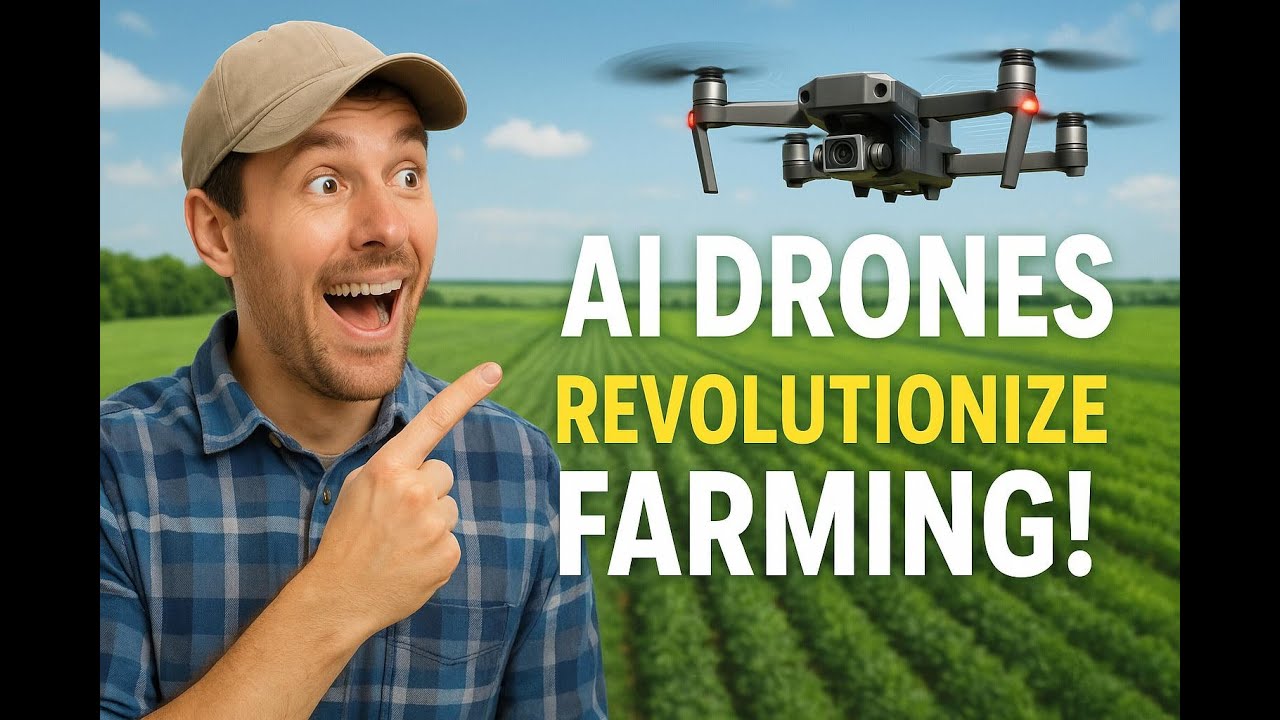
Find out how streamlined fleet management tools can enhance operational efficiency when integrating drone tech across large-scale farming operations, reducing resource waste and driving sustainable growth.
Did You Know?
- Drones, satellites, and ground sensors are increasingly interconnected via cloud and blockchain, powering a new era of transparency in traceable crop management.
Regenerative Agriculture: The Foundation of Soil Health and Biodiversity in Canadian Farming
A major pillar of sustainable farming practices in Canada is regenerative agriculture. Unlike traditional “do less harm” sustainability, regenerative methods actively restore soil health, improve biodiversity, and sequester significant carbon, directly combating the fallout of climate change.
Core Regenerative Techniques in Canada (2025)
- No-Till and Conservation Tillage: Disturbs soil minimally, reduces erosion, improves water retention, and enhances soil organic matter.
- Cover Cropping: Multi-species intercrops are grown between main crops, preventing erosion, fixing nitrogen naturally, and boosting biodiversity.
- Agroforestry: Integrating tree species (fruit, nut, timber, or shelterbelts) on cropland and pastures. Trees stabilize soil, provide shade for livestock, and diversify revenue.
- Managed Grazing: Rotational systems restore pastures, root mass, and soil carbon, while optimizing livestock health.
Adoption rates of regenerative agriculture are soaring, especially in Saskatchewan, Manitoba, and British Columbia, where regenerative practices improve resilience to unpredictable weather and intensifying climate extremes.

Curious about carbon foot printing in Canadian agriculture? Discover more on how farms can measure and reduce their carbon impact with advanced environmental monitoring for compliance, sustainability branding, and improved market access.
Why Regenerative Practices Outperform Traditional Methods
- Soils managed regeneratively retain up to 40% more water, vital in drought-prone regions.
- Farmers report improved crop yields even in adverse weather cycles due to healthier, more resilient soil biology.
- Agroforestry adds new income — maple syrup, nuts, specialty timber — alongside traditional row crops.
- Cover crops and polycultures support pollinator populations, reducing reliance on chemical pest controls.

Precision Farming Canada: Leveraging Technology for Sustainable Growth
Precision agriculture is arguably the most transformative tool for those aiming to practice innovative sustainable farming in Canada. By merging A.I., IoT, drones, and satellite imagery, farmers unlock a new level of resource optimization and yield enhancement with minimum environmental impact.
Pillars of Precision Agriculture in 2025
- Smart Sensors & Data Analytics: Weather, soil moisture, and nutrient levels recorded in real time, allowing ultra-targeted management and rapid adaptation to changing conditions.
- Automated Irrigation Control: IoT sensors trigger irrigation only when and where needed, reducing water use by up to 40%.
- AI-Based Crop Health Models: Machine learning models, trained on drone and satellite data, predict pest risks, disease stress, and yield outcomes for informed decision-making.
- Traceability Platforms: Blockchain records every stage of crop growth, input usage, and transport, crucial for food safety and transparency.

Introduce proven blockchain-based product traceability for Canadian farms, connecting stakeholders with transparent data and reducing fraud in premium and organic crops.
Impact on Environmental and Economic Viability
- Reduces nutrient, fertilizer, and pesticide wastage, lowering environmental footprints.
- Real-time models anticipate extreme weather, making farm systems more resilient in a changing climate.
- Comprehensive resource management supports higher yields on less land, crucial as population grows and urban sprawl intensifies.
Explore the Farmonaut API and detailed developer documentation to integrate satellite-driven analytics directly into your farm operation or agribusiness systems.
Sustainable Pig Farming Practices: Leading the Livestock Transition in Canada
Livestock, especially pigs, are an essential part of Canada’s agricultural landscape, but traditional pig farming often contributes to environmental issues such as nutrient runoff and high greenhouse gas emissions. In 2025, sustainable pig farming practices are redefining the pork industry.
Modern & Sustainable Pig Farming: Core Innovations
- Closed-Loop Waste Treatment: Manure is processed into biogas, energy, and organic fertilizer, closing the input-output loop and reducing emissions.
- Integrated Pasture-Based Models: Rotational grazing allows pigs to root, forage, and fertilize sustainably, improving animal health and soil fertility.
- Diversified Feed Options: Local feed grains and food waste reduce reliance on imported or resource-intensive feeds, shrinking the carbon footprint.
- Emission Monitoring: Real-time logging of methane and carbon output, combined with blockchain traceability, meets regulatory and market demands for low-impact meat.

Learn more about satellite-powered crop insurance and loan solutions that are revolutionizing financial reliability for livestock and mixed producers in Canada.

Key Advantages for Farmers and the Environment
- Biogas systems fuel farm vehicles or heat barns, slashing operational costs and fossil fuel dependency.
- Sustainable models reduce methane and water pollution, meeting both consumer demand and stringent regulations.
- Improved animal welfare and rotational grazing enhance meat quality and soil health simultaneously.
- Product traceability via digital ledgers builds consumer trust in Canadian pork products.
Smart Infrastructure: Energy, Water, and Automation in 2025
Farm infrastructure is undergoing a digital renaissance, where smart systems manage energy, water, and logistical operations for maximum efficiency and minimum environmental footprint. Here’s how:
- Renewable Energy Solutions: Wind turbines, solar panels, and biogas plants supply power for barns, irrigation, fleet, and processing facilities, cutting emissions by up to 20%.
- Automated Weather-Aware Irrigation: AI-powered irrigation adapts to real-time forecasts and soil moisture, reducing water waste during wet spells and ensuring timely hydration during droughts.
- Smart Greenhouses: Automated lighting, temperature, and nutrient flow management allow vertical and urban farms to maximize output while using only a fraction of traditional resources.
- Fleet and Resource Management: Digital systems optimize movement of equipment, livestock, and crops, saving fuel, time, and labor.
For commercial-scale farm management, find solutions for large-scale operations with centralized oversight, AI, and remote monitoring.
Try the Leading Satellite-Based Farm Monitoring App:



Farmonaut Satellite Technology: Enabling Data-Driven Sustainable Farming in Canada
Satellite technology is the backbone of data-driven sustainable agriculture in 2025. At Farmonaut, we strive to make satellite insights accessible to every farmer, business, and government agency, enabling informed management to boost productivity while preserving natural resources.
What We Offer for Canadian Agriculture
- Real-Time Monitoring: Our multispectral satellite images and AI models assess crop, soil, and resource health on a continual basis.
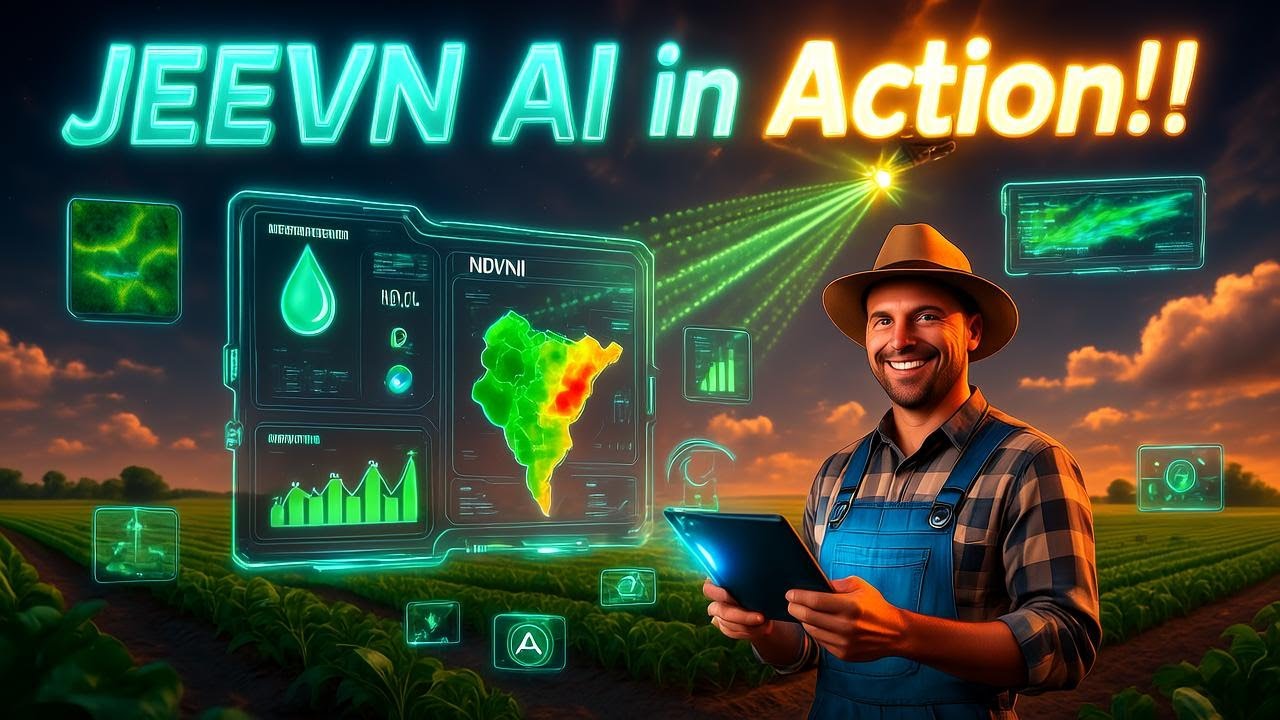
- AI-Based Advisory: The Jeevn AI system provides tailored weather forecasts, pest alerts, and management strategies for reliable, resilient farming.
- Environmental Impact Tracking: Monitor carbon footprint, water usage, and chemical runoff to comply with regulations and unlock eco-labeling opportunities.
- Blockchain-Based Traceability: Full traceability for crops and livestock, enhancing food safety and trust across local and export markets.
- Fleet, Infrastructure, and Resource Management: Optimize large or distributed operations across provinces with our intuitive web and mobile solutions.
We make monitoring affordable and flexible — from small organic growers to multinationals with thousands of hectares. Integrate advanced analytics into your daily practice and unlock the full potential of innovative sustainable farming practices in Canada.
Read about AI-driven crop, plantation, and forestry advisory services: reforestation, efficient planting, pest risk modeling, and more — all powered by satellite insights.
Canada’s Path Forward: Sustainable Farming in 2025 and Beyond
Canada’s agricultural sector continues to embrace innovative ideas for sustainable agriculture at a record pace. The outlook for 2025 and beyond is strikingly positive as more farmers and agribusiness leaders recognize the intertwining of economic viability and environmental stewardship.
Key Trends Shaping the Future
- Increase in Regenerative Agriculture: Expect the majority of Canadian farms to integrate some form of regenerative management — especially cover cropping, agroforestry, and integrated livestock-crop cycles.
- Rising Digitalization: Real-time monitoring, blockchain, and AI will dominate best practice recommendations, financing, and regulatory baseline compliance.
- Widespread Adoption of Smart Drones and IoT: Aerial and soil sensors will soon be as common as tractors.
- Focus on Zero-Waste, Closed-Loop Systems: Nutrition, water, and energy cycles will emphasize recapture, reuse, and biosafety.
- Enhanced Supply Chain Traceability: As trade and consumer demands for transparency grow, tracking the full life cycle of agricultural products will become mandatory.
Explore how Farmonaut is empowering farmers and agricultural businesses in Canada and globally with satellite, AI, and blockchain-backed tools. Join us as we drive productivity, sustainability, and transparency for the next generation.
Frequently Asked Questions (FAQ) on Innovative Sustainable Farming Practices in Canada 2025
What are the most impactful innovative sustainable farming practices in Canada for 2025?
The top impactful sustainable farming practices in Canada for 2025 are drones for real-time crop and field monitoring, regenerative agriculture to restore soil and biodiversity, precision agriculture using IoT and AI, smart irrigation, closed-loop livestock waste management (especially in pig farming), and widespread renewable energy integration to reduce greenhouse gas emissions.
How do drones in sustainable farming practices help Canadian farmers?
Drones allow Canadian farmers to remotely assess crop growth, detect stress or pest outbreaks early, apply water and fertilizers precisely, and map fields efficiently — all leading to higher yields, lower input costs, and a reduced environmental footprint.
What is regenerative agriculture and why is it critical in Canada?
Regenerative agriculture refers to a suite of farming techniques (no-till, cover cropping, agroforestry, rotational grazing) designed to rebuild soil carbon, restore biodiversity, and create resilient agroecosystems. These practices are especially important in Canada due to climate vulnerabilities and the need for long-term sustainability as population and food demand increase.
How are sustainable pig farming practices evolving in Canada?
Pig farming in Canada is adopting innovations like closed-loop waste systems for biogas, rotational pasture management, diversified feeds, and digital traceability. These approaches reduce emissions, improve animal welfare, and supply high-quality, environmentally-friendly pork.
How do Farmonaut’s solutions support innovative sustainable farming practices in Canada?
Farmonaut offers satellite-based monitoring, AI-driven crop and environmental advisory, resource management, blockchain traceability, and fleet optimization tools. These support Canadian farmers in making data-driven decisions, meeting regulatory standards, and ensuring robust yield and sustainability outcomes in 2025 and beyond.
Where can I access Farmonaut’s tools and platform?
The Farmonaut app is available on web, Android, and iOS (see download links above) offering satellite insights, AI, and resource management systems tailored for agricultural applications.
Conclusion: Shaping a Resilient, Productive, and Eco-Friendly Agricultural Future
The movement toward innovative sustainable farming practices in Canada is not a fleeting trend, but a paradigm shift in response to the realities of a growing population and intensifying climate change. In 2025 and beyond, Canadian agriculture is defined by its fusion of advanced technology, ecological stewardship, and economic pragmatism.
- Drones, regenerative agriculture, smart sensors, AI, and blockchain traceability are central to raising productivity, lowering environmental impact, and securing food systems for the generations ahead.
- Sustainable pig farming practices and closed-loop waste treatment ensure that even as livestock demand persists, it is met responsibly.
- Infrastructure advancements in renewable energy and water management further anchor Canadian farming as a beacon of sustainable, innovative progress.
At Farmonaut, we champion these innovations by making satellite-driven insights and digital strategies universally accessible — supporting everyone, from smallholders to large-scale operators, on their sustainability journey.
Begin your journey: Transform your farm’s future with Farmonaut’s innovative, affordable, and sustainable solutions.
Discussion
Questions, corrections or field experience? Share them below. First-time comments are reviewed before they appear, and your email is never published.
No comments yet. Be the first to add a question or your experience.

 Adgrid
 eKGIS
eKGIS Mostas Tech
 Native Seeds
 Andex
Andex FCF India
 Unifrutti Gulf
 Deluxe Conseil
 TVS Electronics
 BW Pipelines
 WICO
WICO Chimera Innovation
 SkyHarvest
 Polaris Digitech
 Teledarbas
