

Sustainable Agriculture Platform: 7 Top Strategies 2026
Meta Description: Explore cutting-edge sustainable agriculture platforms and discover the top 7 strategies for 2026 driving eco-friendly farming, innovative solutions, and global food security.
“By 2026, over 60% of farms worldwide are projected to adopt at least one sustainable agriculture platform.”
- Summary: Sustainable Agriculture Platforms 2025-2026
- What is a Sustainable Agriculture Platform?
- The Urgency: Why 2026 Matters
- The 7 Top Sustainable Agriculture Strategies For 2026
- Comparative Benefits Table of Sustainable Agriculture Strategies (2026)
- Farmonaut’s Role in Sustainable Agriculture Initiatives
- The Future of Agriculture Sustainability in 2026
- Frequently Asked Questions
- Resources & Useful Links
- Farmonaut Subscriptions Pricing Table
Summary: Sustainable Agriculture Platforms: Driving the Future of Farming in 2025-2026
As global populations rise and climate change intensifies, adopting a sustainable agriculture platform has become pivotal for food security, biodiversity, and the future of farming. In 2025 and beyond, sustainable agriculture platforms are transforming how farmers, researchers, policymakers, and stakeholders collaborate to foster eco-friendly, innovative,
and economically viable agricultural practices.
With digital and physical frameworks acting as comprehensive hubs, these platforms integrate technology, knowledge sharing, data analytics, and stakeholder engagement. Their aim: to optimize productivity with minimal environmental harm and actively enable adaptive management of natural and human resources.
In this in-depth guide, we explore the 7 top strategies in sustainable agriculture for 2026: what they are, their projected impact, the role of sustainable agriculture initiative platforms, how global networks are driving change, and how sustainability solutions from leaders like Farmonaut support modern agricultural development.
- ✔ Key benefit: Improved resource use efficiency
- 📊 Data insight: Precision tools reducing water by 30% in pilot regions
- ⚠ Risk or limitation: Digital divide for smallholder farmers
- 🌱 Eco impact: Platform-led regenerative agriculture grows 50% faster in 2026
- 🔗 Stakeholder expansion: Multi-actor collaborations for every step, from soil to supply chain
What is a Sustainable Agriculture Platform?
A sustainable agriculture platform refers to a digital or physical framework that integrates diverse actors and resources to advance sustainable farming. These platforms serve as comprehensive hubs—not isolated initiatives—by combining technology, knowledge sharing, data analytics, stakeholder engagement, and capacity building.
- Integrates actors: Brings together farmers, researchers, policymakers, NGOs, private enterprises, and cooperative networks.
- Technologies used: IoT, AI, satellite imaging, sensors, satellite-based analytics, and blockchain for transparency and traceability.
- Data-driven support: Provides real-time monitoring, weather forecasts, adaptive management, and best practice guidance.
- Social inclusion: Fosters diversity, gender equity, and involvement of rural smallholders.

Why Platforms Matter: The Paradigm Shift in Sustainable Agriculture Strategies
Unlike conventional isolated projects, a sustainable agriculture platform functions as both a technology resource and a knowledge-sharing network. It enables seamless collaboration, aids in collective decision-making, and ensures real-time feedback for constant improvement.
Highlight Box: Key Insight
The Urgency: Why 2026 Matters for Sustainable Agriculture Initiatives
- ✔ Global Food Demand: By 2026, food demand will increase by 8% due to population rise.
- ⚠ Climate Risks: Over 35% of arable land faces climate-induced degradation.
- 🌱 Eco-Impact: Agriculture accounts for 25%+ of global greenhouse gas emissions.
- 📊 Security Challenge: Half the world’s rural livelihoods depend on sustainable strategies for future resilience.
Visual List: 2026 Challenges to Address
- 📉 Reduced water availability and soil health loss
- 🚜 Over-reliance on chemical inputs threatening biodiversity
- 👩🌾 Social inequity for marginalized farming groups
- 🌡️ Temperature & pest outbreak volatility
- 🔗 Fragmented data access across value chains
“Seven top sustainable strategies could boost global food security for up to 2 billion people by 2026.”
The 7 Top Sustainable Agriculture Strategies for 2026
These seven sustainable agriculture strategies are forecast to lead eco-friendly innovation, reduce resource use, and enable greater resilience for farmers and stakeholders across the agriculture sector by 2026.
-
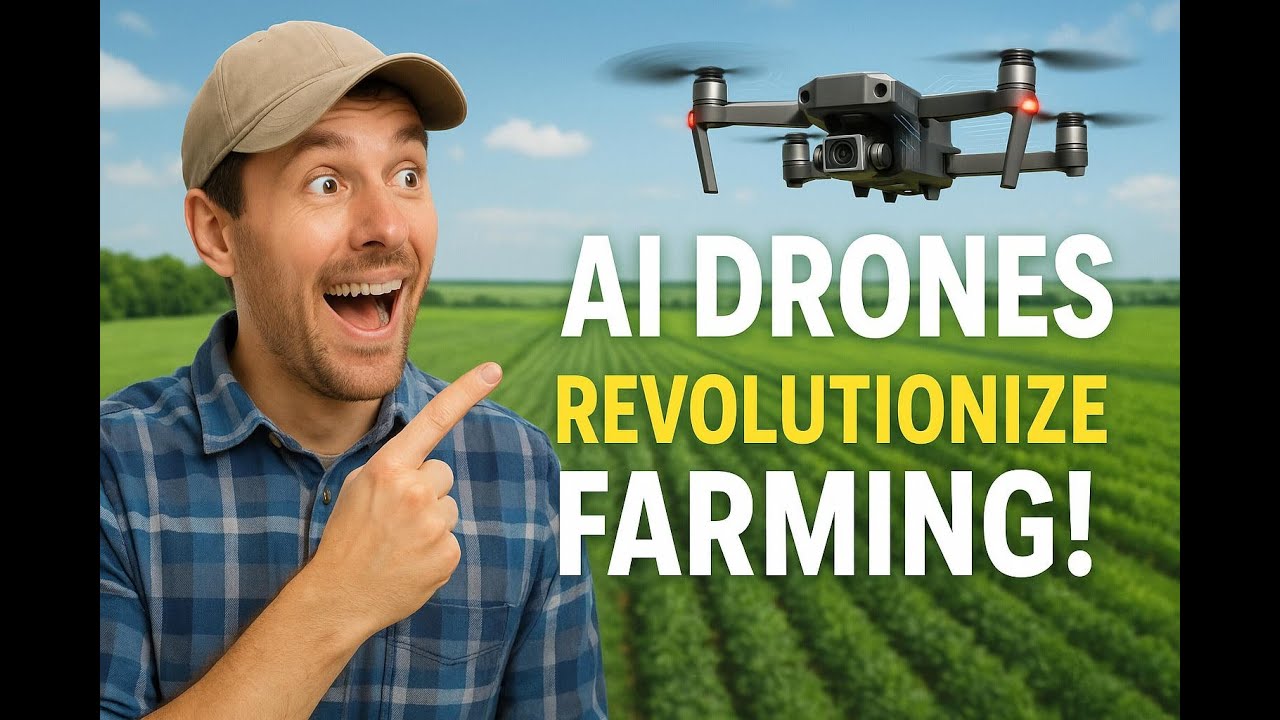
Precision Agriculture and Digital Platforms:
- Leverages AI, IoT, and satellite imaging to provide real-time, field-specific crop and soil health analytics.
- Enables variable-rate fertilizer and irrigation to reduce resource waste.
- Platform example: Farmonaut’s satellite-based solutions—delivers millions of hectares of crop and soil monitoring for precision advice.
- See Farmonaut’s Carbon Footprinting Solution for detailed environmental impact reporting.

-
Regenerative Agriculture & Soil Health Management:
- Focuses on cover cropping, crop rotation, reduced tillage, and integrated nutrient management.
- Promotes carbon sequestration, soil biodiversity, and improved fertility.
- Supported by AI-driven advisory platforms for plantation and forest crops.

-
Agroecology & Diversified Cropping Systems:
- Uses polyculture, intercropping, agroforestry to boost ecosystem services and resilience.
- Minimizes chemical input reliance by supporting biological pest and disease control.
- Platforms enable modeling and planning for crop system diversification.

-
Resource-Efficient Water & Nutrient Management:
- Targets precision irrigation, moisture conservation, and drip/sprinkler technologies.
- Platform tools map water availability and optimize input scheduling to reduce waste and increase productivity.
- Reduces aquifer depletion and nutrient leaching.
-
Supply Chain Traceability & Transparency:
- Employs blockchain platforms to document every step—from seed to shelf.
- Enhances food safety, anti-fraud, organic certification, and transparency.
- Farmonaut’s Product Traceability integrates blockchain for maximum trust and traceability.
-
Circular Economy & Waste Management Strategies:
- Encourages reuse of agricultural residues, plastic recycling, and nutrient loops.
- Platforms facilitate network-based sharing of resources for waste reduction.

-
Climate-Resilient Crop Genetics & Adaptive Management:
- Disseminates drought, heat, flood-tolerant varieties and supports crop insurance for risk management.
- Uses AI/ML for outbreak prediction, detailed field feedback, and rapid dissemination of resilient solutions.
- See Crop Loan and Insurance Verification for satellite-backed crop risk management.
Visual List: Key Features Driving Platform Adoption
- 🤖 AI-driven advisory systems for actionable recommendations
- 📡 Satellite crop & soil monitoring for real-time decisions
- ⛓️ Blockchain-backed transparency for trust in supply chains
- 💧 Precision irrigation models cut water waste and costs year-on-year
- 🌐 Global knowledge networks for sharing best practices and peer learning
Comparative Benefits Table of Sustainable Agriculture Strategies (2026 Estimated Impact)
| Strategy Name | Brief Description | Estimated 2026 Adoption Rate (%) |
Resource Savings (%) | Yield Improvement (%) | Carbon Reduction (%) | Key Eco Benefit |
|---|---|---|---|---|---|---|
| Precision Agriculture & Digital Platforms | Field-specific monitoring using IoT, AI, satellite data for input and water optimization | 65 | 25 (water), 18 (fertilizer) | 22 | 20 | Reduced resource waste, higher efficiency, early intervention |
| Regenerative Agriculture | Cover crops, rotation, reduced tillage, living soils for carbon capture | 40 | 15 (inputs) | 18 | 33 | Soil restoration, carbon sequestration |
| Diversified Cropping Systems | Agroforestry, polyculture, intercropping for ecosystem resilience | 38 | 12 (pesticide), 10 (water) | 17 | 15 | Biodiversity, pest control, climate adaptation |
| Resource-Efficient Water & Nutrient Management | Drip irrigation, targeted fertilization, moisture conservation | 60 | 30 (water), 12 (nutrient) | 23 | 9 | Reduced runoff, aquifer replenishment |
| Supply Chain Transparency | Blockchain and IoT traceability from inputs to food shelves | 52 | 6 (energy/fuel) | 8 | 7 | Anti-fraud, safe & trusted sourcing |
| Circular Economy & Waste Management | Plastic/fertilizer recycling; residue upcycling programs | 33 | 15 (waste) | 7 | 9 | Reduced landfill, lower emissions |
| Climate-Resilient Genetics & Adaptive Management | Next-gen seeds, weather/AI-driven risk minimization | 57 | 10 (risk buffers) | 19 | 12 | Yield stability under extreme events |
Farmonaut’s Role in Empowering Sustainable Agriculture Platforms in 2026
As a pioneering satellite technology company, we at Farmonaut are dedicated to making advanced, affordable, and actionable satellite-based insights accessible worldwide. Our platform empowers the entire food production spectrum—from individual farmers to government agencies and businesses—in line with global sustainable agriculture initiatives and development goals.
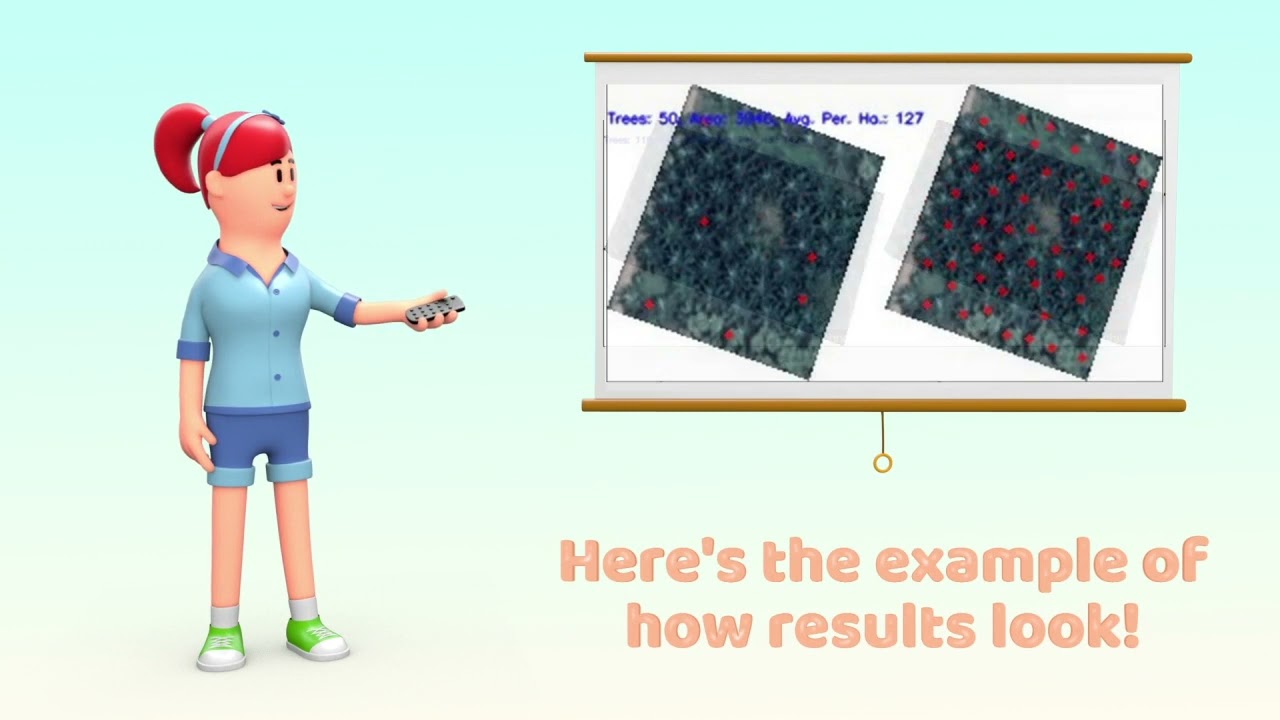
- ✔ Real-time satellite crop, soil, and environmental health monitoring—helps users implement precision/AI-backed decisions in field operations.
- 🌱 JEEVN AI Advisory System: Delivers actionable strategies, weather intelligence, and tailored guidance to support both conventional and regenerative agriculture.
- ⛓️ Blockchain-based traceability for complete transparency in agricultural and food supply chains.
- 📊 Fleet & Resource Management [Learn about Farmonaut Fleet Management]—optimizes machinery/vehicle efficiency and resource allocation on any scale.
- 🔒 Environmental Impact Tracking: Monitors carbon emissions, supports regulatory compliance, and promotes sustainability reporting.



Key Roles for Stakeholders in Sustainable Agriculture Networks
- ✔ Researchers: Share breakthrough, regionally-adapted best practices and metrics.
- ✔ Policy Makers: Build frameworks enabling platform adoption, capacity, and support for rural agricultural development.
- ✔ NGOs & Rural Co-ops: Foster last-mile digital inclusion, gender equity, and ecosystem-based management.
- ✔ Private Sector: Drive innovation in satellite-driven tools, resource management, and data exchange.
- ✔ Farmers: Use affordable, intuitive digital monitoring & insights for day-to-day operations.
How Platforms Enable Rural, Smallholder and Regional Networks
A sustainable agriculture network enables peer-to-peer knowledge sharing, real-time collaboration, and scalable deployment of sustainable farming strategies. Such networks are crucial to adapting strategies for local challenges—whether it’s arid region soil salinity, waterlogging in river deltas, or high-altitude climate risks.
- ✔ Localized best practices exchange
- ✔ Co-creation of region-specific cropping models
- ✔ Rapid response to pest outbreaks and extreme weather
- ✔ Enabling social and gender equity in leadership roles
Looking Ahead: The Future of Sustainable Agriculture Strategies in 2026 and Beyond
As the agriculture sector navigates climate uncertainty, resource scarcity, and demographic shifts, sustainable agriculture platforms become integral for all stakeholders. The next three years will see:
- 🌍 Expanded adoption: Over 60% of global farms using at least one digital or network-based initiative platform by 2026.
- ⚡ Hyper-localization: Networks supporting regionally-adapted resilient cropping and risk management models.
- 🔬 Greater innovation: Intuitive tools integrating AI, blockchain, and geospatial data for seamless, low-cost operations.
- 🧑🌾 Universal access: Digital inclusion initiatives to close the rural-urban knowledge and productivity gap.
- 📈 Measured impact: Platforms aligning with SDGs for clear, reportable progress in food security, soil health, climate mitigation, and social inclusion.
Explore Farmonaut’s Large-Scale Farm Management for enterprise-level, modular tools covering every aspect from carbon monitoring to fleet resource allocation.
In Conclusion:
The future of sustainable agriculture in 2026 will depend on integrated digital platforms, inclusive networks, and eco-innovation tailored to diverse global needs. By embedding sustainability—via real-time data, adaptive cropping, traceability, and low-impact resource management—farmers, businesses, researchers, and governments will drive the next era of food security and environmental stewardship.
Farmonaut stands at the forefront of this transition. We enable precision, transparency, and actionable insights for all actors in the agri-value chain. Our mission is to empower everyone to practice sustainable agriculture — affordably, inclusively, and effectively.
Frequently Asked Questions (FAQ)
-
What is a sustainable agriculture platform?
A digital or physical framework integrating technology, knowledge, analytics, and stakeholder collaboration to support sustainable, eco-friendly, and socially responsible farming. -
Which technologies are central to sustainable agriculture initiative platforms in 2026?
Satellite imaging, AI, IoT, blockchain, precision sensors, and data analytics are essential for real-time resource management and monitoring. -
Can smallholder farmers access these platforms?
Yes! Many leading solutions—including those from Farmonaut—are designed to be accessible on mobile, browser, and API, prioritizing affordability and localization. -
How do these platforms support climate resilience?
By providing adaptive management tools, pest/disease prediction, resilient seed recommendations, and environmental impact tracking. -
What is the benefit of blockchain in these platforms?
Blockchain enables product traceability, transparency in supply chains, and helps ensure authenticity and regulatory compliance. -
How is Farmonaut different from other platforms?
We combine satellite-driven crop/soil monitoring with AI advisories, blockchain transparency, and comprehensive resource management—delivering affordable and scalable solutions for users worldwide. -
Where can I learn more about Farmonaut’s sustainable solutions?
Visit our website for up-to-date use cases, product details, and platform access.
Resources & Useful Links
- Carbon Footprinting in Agriculture: Track and report farm or plantation-level carbon emissions and impact.
- Product Traceability via Blockchain: Strengthen trust in agricultural supply chains.
- Crop Loan and Insurance Verification: Speed up eligibility, streamline payouts using satellite-derived field data.
- Fleet & Resource Management Solutions: Boost field mobility and resource efficiency for any farm size.
- Large-Scale Farm Management Platform: Holistic administration for agribusinesses and plantation operators.
- Farmonaut Web System & Mobile Apps: Anytime, anywhere platform access — mobile, web, or API.
Farmonaut Subscriptions
Choose the right plan for your sustainable agriculture journey:

 Godrej Agrovet
 Hayleys Agriculture
 Linx Agritech
 Adinet
 Save Your Soils
 GalaxEye Space
 Grandstream Algérie
 XOS Realty
 Geospatial Lab Africa
 Agro La Gándara
 HIPSAC
 ZOL Zimbabwe
 Juligerm
 AdBio
AdBio MISE Maroc
 NWNS
NWNS Red August Group
 Farm Inc
 WeMe Global
 Agrotoken
 Blue BearX
 Insignito
 DnCubed
 Indosistim Teknologi
 Liquify Digital
 CU Foods
 BeyondTech Global
 Rouge VC
 AgroRisk
 Oath Inc
 Esri North East Africa
 MDCV UK
 Etech Consulting Madagascar
 Vestlandsforsking
 WB Dev
 Sama Premium
 Tres Valles
 Blickwinkel
 Agricultural Credit Policy Council
 eKGIS
eKGIS Mostas Tech
 Andex
Andex Deluxe Conseil
 WICO
WICO Chimera Innovation
 SkyHarvest
 Teledarbas
 Exurbia Geospatial
 FieldZero
