

Sustainable Chocolate Farming: Key Components Explained
“Over 70% of the world’s cocoa is grown by smallholder farmers using sustainable practices to boost biodiversity.”
Table of Contents
- Introduction: The Core of Sustainable Chocolate Farming
- Agroforestry: The Foundational Pillar of Sustainable Chocolate Farming
- Soil Health: Organic Matter, Cover Cropping, and Minimal Disturbance
- Water Stewardship: Efficient Irrigation & Rainfall Harvesting
- Ecological Pest and Disease Management in Chocolate Farming
- Economic Viability: Empowering Farmers through Fair Markets
- Social Sustainability: Equity, Labor, and Community Empowerment
- Policy and Governance for Scaling Sustainable Chocolate Farming
- Comparative Practices Impact Table
- Farmonaut’s Role: Technology & Solutions for Sustainable Farming
- Practical Insights: Key Takeaways and Bullet Points
- Frequently Asked Questions
- Conclusion: A Holistic Future for Sustainable Chocolate
Introduction: The Core of Sustainable Chocolate Farming
Sustainable chocolate farming stands at the intersection of environmental stewardship, social equity, and economic viability. This approach forms the cornerstone of modern sustainable farming and sustainable agriculture. The key component of sustainable farming in the chocolate sector is to improve and maintain the health of cocoa-producing ecosystems while ensuring stable livelihoods for farmers and a resilient, transparent supply chain for the chocolate industry.
Sustainable chocolate farming leverages agroforestry, healthy soil management, water stewardship, ecological pest controls, inclusive markets, and strong governance. In this comprehensive guide, we explore each vital component and how collectively they foster resilient yield, ecosystem stability, and ethical chocolate supply chains. We also highlight the practical, innovative tools available today for farmers, businesses, and stakeholders striving for sustainable transformation in cocoa production.
“Sustainable chocolate farming can reduce water usage by up to 30% compared to conventional methods.”
Agroforestry: The Foundational Pillar of Sustainable Chocolate Farming
Agroforestry is the foundational pillar of sustainable chocolate farming. The integration of diverse trees and crops—timber, fruit, legumes—with cocoa creates a canopy that mimics natural forests. This approach delivers multiple sustainability benefits across the entire farm ecosystem.
- ✔ Biodiversity: Diverse species preserve and even enhance biodiversity, attracting pollinators and beneficial insects.
- ✔ Soil Protection: Shade trees reduce soil erosion and prevent nutrient depletion by stabilizing ground cover.
- ✔ Climate Adaptation: A multi-tiered canopy regulates temperature extremes and protects crops from climate variability.
- ✔ Economic Diversification: Farmers gain multiple revenue streams—timber, fruits, and non-timber forest products—reducing reliance on cocoa alone.
- ✔ Healthier Microclimate: Shade modifies microclimates, reducing evapotranspiration and conserving moisture.
By embedding cocoa within a thriving agroforestry system, farmers create stable, resilient ecosystems, essential for long-term success and improved yields.

Soil Health: Organic Matter, Cover Cropping, and Minimal Disturbance
A critical component of sustainable chocolate farming is cultivating healthy soil. Enriching the earth below our cocoa trees pays dividends: richer organic carbon levels, better structure, and enhanced fertility boost plant health and productivity for years to come.
Key Sustainable Soil Practices:
- ✔ Composting & Manure Application: Increases soil organic matter and microbial life, naturally fertilizing the soil and reducing the need for synthetic inputs.
- ✔ Cover Cropping: Leguminous cover crops fix nitrogen, suppress weeds, enhance moisture retention, and prevent soil erosion.
- ✔ Conservation Tillage & Mulching: Leaving crop residues on the field locks in soil moisture and suppresses weeds, improving yields especially in drought-prone regions.
- ✔ Minimal Chemical Disturbance: Reduces soil degradation and maintains the natural rhizosphere and nutrient cycle.
These time-tested and scientifically advanced practices ensure the soil remains fertile, resilient to climate extremes, and supports the long-term sustainability of cocoa farming.
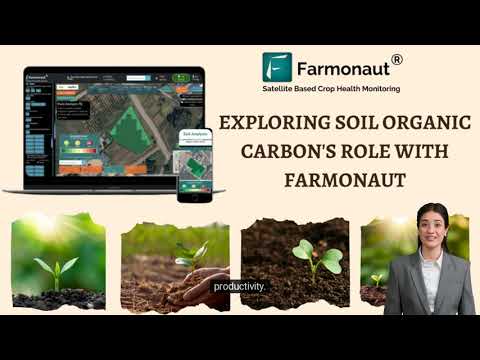
For more on the importance of soil in agriculture, watch:

- 🌱 Boosts yields: Healthy soils directly result in higher and more reliable yields.
- 🌾 Locks in moisture: Essential in safeguarding cocoa crops from drought.
- 🌍 Reduces chemical dependency: Minimizes water contamination and input costs.
- 🦠 Enhances microbial biodiversity: Supports a thriving rhizosphere beneficial for plant growth.
- 💧 Improves nutrient cycling: Efficient nutrient use supports plant health.
Water Stewardship: Efficient Irrigation & Rainfall Harvesting
Water is a precious resource for cocoa, especially in regions affected by erratic rainfall and climate change. A key component of sustainable farming is water stewardship—preserving and using water efficiently to ensure both crop health and environmental sustainability.
Best Practices for Water Management
- ✔ Efficient Irrigation: Techniques like drip and micro-sprinklers target roots and drastically reduce water waste.
- ✔ Rainfall Harvesting: Collecting and storing rainwater ensures availability during dry spells and minimizes pressure on groundwater.
- ✔ Soil Moisture Monitoring: Sensor-driven tracking ensures precision application, conserving both water and nutrients.
- ✔ Watershed Protection: Buffer zones and landscape management avoid runoff contamination and support local communities.

- 💧 30% water savings: Sustainable methods need much less water than conventional systems.
- 🌱 Healthier yields: Plants get just what they need, avoiding both drought stress and waterlogging.
- 🛑 Reduced runoff: Safeguards water quality for surrounding communities and wildlife.
- 🌊 Resilience to drought: Smarter water management means stable production—even in drier years.
- 📊 Lower costs: Less water, less fertilizer, more savings.

Ecological Pest and Disease Management in Chocolate Farming
Sustainable chocolate farming emphasizes ecological pest and disease management. Integrated Pest Management (IPM) combines a suite of practices and natural solutions to reduce chemical use and encourage a resilient, balanced farm ecosystem.
IPM Components:
- 🦋 Biological Controls: Use of natural predators and beneficial insects to suppress pest outbreaks.
- 🌳 Diversified Planting: Mixing shade, fruit, and timber species breaks pest cycles and encourages natural enemy populations.
- 🧪 Targeted Chemical Use: Only as a last resort, select, and apply with precision to minimize environmental impact.
- 👀 Monitoring and Early Detection: Regular scouting, including satellite and sensor technology (see Farmonaut), aids in catching outbreaks before they escalate.
- 💡 Cultural Practices: Sanitation, pruning, and crop rotation reduce pest and disease risk.
Reducing chemical controls not only safeguards farm workers’ health but also strengthens farm resilience and market reputation for ethical, eco-friendly chocolate.
Economic Viability: Empowering Farmers through Fair Markets
No sustainable system can thrive unless it’s economically viable for farmers. The key component of sustainable farming for chocolate producers lies in fair price structures, market access, and capacity building. Here’s how sustainability programs and incentives drive a resilient, profitable industry:
- ✔ Fair Prices: Transparency and minimum prices offer income security to smallholder cocoa growers.
- ✔ Certification & Traceability: Third-party verified programs (Farmonaut’s product traceability platform) open up premium, differentiated markets for sustainable chocolate.
- ✔ Access to Financial Tools: Satellite-based verification and yield prediction support easier, faster crop loan and insurance access. This reduces risk and boosts farmer confidence to invest in sustainable practices.
- ✔ Inclusive Cooperatives: Farmer organizations facilitate input sharing, collective bargaining, and boost social equity.
- ✔ Capacity Building: Training programs empower farmers in record-keeping, financial literacy, and adaptive agronomy for improved farm management.
Social Sustainability: Equity, Labor, and Community Empowerment
Sustainable chocolate farming prioritizes social sustainability, ensuring not just livelihoods, but dignity and equity across the cocoa value chain. Ethical labor, gender inclusivity, and community development all play major roles.
- ✔ Safe Working Conditions: Reducing hazardous chemical use protects farm workers’ health.
- ✔ Fair Wages: Ensuring all labor is compensated justly sustains a reliable workforce.
- ✔ Youth & Gender Opportunities: By promoting access and upskilling, more family members can contribute to resilient farm operations.
- ✔ Community Investment: Profitable, sustainable farms invest in local infrastructure, schools, and healthcare, multiplying positive outcomes.
- ✔ Collective Bargaining: Cooperatives empower farmers, giving voice to smallholders in price negotiations and policy advocacy.
Policy and Governance for Scaling Sustainable Chocolate Farming
Policy and governance frameworks shape the reach and effectiveness of sustainable chocolate farming worldwide. The integration of incentives and standards embedded within national and international programs is crucial.
Key Government and Industry Roles
- 📜 Subsidies & Extension Services: Encourage farmer investments in biodiversity, soil health, and climate resilience.
- 🛡 Standards & Traceability: Mandating sustainability criteria ensures reliable, transparent cocoa supply chains.
- 📊 Risk Management: Policy programs offer safety nets to mitigate climate, pest, or market volatility.
- 🌏 Cross-Sector Incentives: Measures rewarding measurable outcomes—such as carbon sequestration and water quality—accelerate sector transformation.
Policy support remains vital to unlock investments and build predictable, scalable pathways for cocoa farmers embarking on the sustainability journey.
Comparative Practices Impact Table
| Practice | Description | Est. Soil Health Improvement (%) | Est. Biodiversity Increase (%) | Est. Water Use Reduction (%) | Livelihood Impact |
|---|---|---|---|---|---|
| Agroforestry | Cocoa under diversified canopy with timber, fruit, and shade trees | 30-40% | 40-60% | 15-25% | High |
| Organic Fertilization | Use of compost, manure, and organic amendments | 25-35% | 10-15% | 10-15% | Medium-High |
| Cover Cropping | Planting legumes or grasses between cocoa rows | 20-30% | 15-25% | 10-20% | Medium |
| Integrated Pest Management | Balanced use of biological controls, monitoring & targeted inputs | 15-20% | 20-30% | 5-10% | High |
| Water Efficient Irrigation | Drip, micro-sprinkler, and rainwater harvesting systems | 10-15% | 5-8% | 25-30% | High |
Farmonaut’s Role: Technology & Solutions for Sustainable Farming
At Farmonaut, we offer advanced satellite-driven solutions to support, monitor, and scale sustainable chocolate farming. Our platform and APIs bring real-time insights, blockchain-backed traceability, resource management, and AI advisory tools right to your fingertips—helping unlock best practices and optimize outcomes across every farm and cocoa supply chain.
- ✔ Satellite Crop Monitoring: Analyze crop and soil health, moisture, and canopy cover with multispectral imagery to support precision management and conservation.
- ✔ Jeevn AI Advisory: Our innovative AI provides tailored strategies and predictive insights, maximizing yields and resource efficiency even in remote or climate-challenged areas.
- ✔ Blockchain Traceability: Build transparent, fraud-resistant chocolate supply chains—giving brand and consumer confidence from farmer to shelf. Learn about Traceability.
- ✔ Environmental Impact: Carbon footprint tracking helps quantify and validate farm-level sustainability progress. See our Carbon Footprinting solution.
- ✔ Fleet & Resource Management: Optimize logistics, scheduling, and resource deployment for farm cooperatives or larger chocolate industry players. More on Fleet Management.



For developers and agri-businesses seeking integration, our API provides direct access to satellite and advisory data. Explore our API or read the API Developer Docs.
Practical Insights: Key Takeaways and Bullet Points
- 🌱 Sustainable chocolate farming stands as a cornerstone of modern sustainable agriculture, seeking to maintain soil and ecosystem health while empowering farmer livelihoods and industry resilience.
- 🌳 Agroforestry is the foundational pillar: Integrating diverse shade, timber, and fruit species with cocoa enhances biodiversity, resilience, and yields.
- 💧 Water stewardship is integral: Efficient irrigation and rainfall harvesting unlock up to 30% water savings for cocoa farmers.
- 👨🌾 Economic viability depends on fair prices, transparent markets, capacity building, and access to technology and credit.
- 🟢 Farmonaut enables real-time monitoring, AI-driven advisory, and blockchain traceability, making sustainable practices more attainable for farmers, businesses, and governments globally.
Visual Reminder:
🚫 Overuse and mismanagement of chemicals and water—in any form—can undermine the core sustainability goals of modern chocolate farming.
“Sustainable chocolate farming can reduce water usage by up to 30% compared to conventional methods.”
Frequently Asked Questions
What does ‘sustainable agriculture’ mean in the context of chocolate farming?
Sustainable chocolate farming refers to practices that protect and restore the environment, conserve biodiversity, ensure soil health, use water efficiently, and empower farmers and local communities. In Hindi, sustainable agriculture meaning in hindi: स्थायी कृषि (sthayi krishi)—ऐसी कृषि जो पर्यावरण, समाज, और आर्थिक रूप से संतुलित और लाभकारी हो। This holistic approach guarantees high-quality chocolate production while preserving natural resources for future generations.
How can farmers increase farm profitability through sustainability?
By implementing agroforestry, organic fertilization, integrated pest management, and efficient irrigation, farmers can reduce input costs, access premium markets for certified cocoa, and diversify their income streams through timber and fruits alongside cocoa.
What are the biggest challenges in adopting sustainable chocolate farming practices?
Common hurdles include limited access to knowledge, up-front costs, and navigating new market requirements. However, technology platforms and training—such as those offered via Farmonaut—are reducing these barriers rapidly.
How does integrated pest management (IPM) help reduce chemical use?
IPM emphasizes ecological controls—biological predators, crop rotation, and monitoring—so chemicals are a last resort. This protects farm workers, minimizes environmental impact, and maintains cocoa quality.
Which technologies are transforming sustainable chocolate farming?
Satellite monitoring, AI advisory systems, blockchain traceability, and digital financial tools allow for precision management, transparent supply chains, and easy access to crop loans and insurance—fueling the rapid adoption of sustainable practices.
Conclusion: A Holistic Future for Sustainable Chocolate
In summary, sustainable chocolate farming is a holistic approach—not a single method, but an intricate balance of environmental stewardship, social equity, and economic viability. From the roots of healthy soils fed by organic matter, to resilient cocoa under shaded canopies, to transparent supply chains powered by technology, sustainable farming stands as the catalyst for a thriving chocolate industry and a healthier planet.
As global markets and conscious consumers demand ethical, high-quality chocolate, it’s clear that the key component of sustainable farming is the interconnectedness of ecological, economic, and social progress. Technology, training, and fair incentives are driving transformation—empowering farmers, securing supply chains, and making chocolate not just delicious, but responsible and sustainable.
We believe that with every step toward sustainable chocolate farming, we invest not just in yields and profits, but in the future of farming, our global ecosystems, and the communities that depend on them.
Farmers, chocolate brands, and global stakeholders—explore how Farmonaut’s satellite-driven platform can support your sustainability journey.
Try for free today!


 Agreeta Solutions
 Agricultural Credit Policy Council
 BayWa
BayWa MCSOD
MCSOD Marei Nursery
 eKGIS
eKGIS Mostas Tech
 Native Seeds
 Andex
Andex FCF India
 Unifrutti Gulf
 Deluxe Conseil
 TVS Electronics
 WICO
WICO Chimera Innovation
 SkyHarvest
