

Tibouchina Tree: 7 Benefits for Sustainable Forestry
Summary: The tibouchina tree (Melastomataceae family) is rapidly gaining attention in forestry, land rehabilitation, and sustainable development sectors as a versatile asset. Native to the tropical and subtropical Americas, Tibouchina offers powerful ecological and economic benefits — from boosting biodiversity and soil health to supporting local economies and combating climate change. As we approach 2026, understanding the roles, benefits, and management strategies for Tibouchina becomes key to restoring degraded landscapes and shaping future-ready forestry systems.
Table of Contents
- Introduction to Tibouchina and Sustainable Forestry
- Botanical & Ecological Characteristics of Tibouchina Trees
- Trivia: Fast-Track Land Rehabilitation
- Comparative Benefits Table
- 7 Key Benefits of Tibouchina Trees for Sustainable Forestry
- Video Learning: Carbon, Soil & Smart Forestry
- Economic & Agroforestry Potential
- Management Challenges & Best Practices
- Modern Technology for Forestry Advancement
- Future Trends: Tibouchina’s Growing Role
- Farmonaut Solutions for Sustainable Forestry
- Frequently Asked Questions
“Tibouchina trees can rehabilitate degraded land up to 30% faster than common reforestation species in sustainable forestry projects.”
Introduction to Tibouchina and Sustainable Forestry
Sustainable forestry is a crucial foundation of ecological stewardship and global development in 2026 and beyond. As landscapes worldwide experience challenges from deforestation, mining, and urban expansion, the need for species that restore environmental balance and offer economic utility is rising. Among such species, the tibouchina tree — commonly known as the glory bush or princess flower — is a standout from the Melastomataceae family.
With unique adaptability, ecological value, and proven potential in a range of projects, tibouchina species are gaining increasing attention for their role in land rehabilitation, biodiversity support, soil health, carbon sequestration, and more. As practitioners and environmental sectors work towards multifaceted, climate-ready forestry, Tibouchina’s presence in sustainable forestry projects is rapidly expanding.
Tibouchina species combine fast growth, resilience in degraded soils and ornamental beauty — making them ideal candidates for sustainable forestry and ecological restoration in tropical and subtropical regions of the Americas and beyond.
Botanical & Ecological Characteristics of Tibouchina Trees
Tibouchina trees are part of a diverse genus comprising several species native primarily to tropical and subtropical Americas. Whether in small shrubs or as medium-sized trees, they are:
- Typically fast-growing, ideal for rapid reforestation projects
- Easily recognized by their vibrant purple flowers and striking attractive foliage
- Adaptable to acidic, poor or degraded soils
- Often thrive with high humidity and moderate rainfall
- Effective at colonizing eroded and disturbed environments left vulnerable after deforestation and mining
The botanical characteristics of the tibouchina genus enable stabilization, soil rehabilitation, and landscape restoration — making these species excellent candidates for ecological projects in growing forestry initiatives.
🌱 Visual List: Unique Features of the Tibouchina Tree Family
- 🌿 Genus: Belonging to the Melastomataceae family, comprising several species native to the Americas.
- 💜 Flowers: Attractive, purple blossoms; appreciated for their ornamental value.
- 🌳 Form: Typically small trees or large shrubs (reaching 5–15 meters at maturity).
- 🍃 Foliage: Dense, textured leaves with a velvet-like appearance; supports carbon sequestration.
- 📈 Growth: Rapidly establishes on poor, acidic soils – a key feature for ecological restoration.
- ☔ Climate: Thrives in regions with high humidity and consistent rainfall.
Select Tibouchina species based on local soil pH and climate requirements. Fast growth and resilience depend on matching species with correct ecological conditions — ensuring restoration projects reach optimal impact.
Comparative Benefits Table: 7 Key Benefits of Tibouchina Trees for Sustainable Forestry
| Benefit | Description | Estimated Impact (2025) |
|---|---|---|
| Soil Erosion Control | Dense roots bind and stabilize loose or degraded soils, reducing erosion in landscapes impaired by deforestation and mining. | Up to 35% increase in soil stability in targeted sites. |
| Biodiversity Support | The canopy attracts pollinators and enables the return of native flora and fauna (promoting ecosystem balance). | 25% boost in local biodiversity (pollinator count, flora diversity). |
| Carbon Sequestration | Fast growth and dense foliage enhance carbon capture, supporting climate mitigation within sustainable forestry systems. | Est. 6–8 tons C/ha/year (mature stands). |
| Economic Value | Ornamental use, lightweight yet durable timber, and inclusion in agroforestry drive new income streams for rural & local communities. | 5–20% increase in smallholder revenue, depending on market & integration type. |
| Land Rehabilitation | Revives nutrient-poor, acidic, and mined-out soils — facilitating faster recovery and return of ecosystem services. | Rehabilitation up to 30% faster versus legacy species. |
| Habitat Creation | Provides cover for birds, small mammals, and supports microfauna crucial to restoring balanced food webs. | +18% increase in habitat use by small vertebrates (projected for 2025). |
| Low Water Demand | After establishment, requires moderate watering — ideal for sustainable practices in water-sensitive regions. | 20–25% less irrigation needed vs typical pioneer species. |
Tibouchina trees can increase overall carbon sequestration rates in multi-species reforestation projects by up to 15%, especially in tropical climates.
7 Key Benefits of Tibouchina Trees for Sustainable Forestry
1. Soil Erosion Control: Stabilizing Degraded Landscapes
Erosion is a top concern in forestry systems, particularly in mined or deforested lands. The tibouchina tree’s dense root system acts as a powerful stabilizer, binding loose soil together and preventing nutrient run-off, especially on slopes or exposed surfaces. This function is critical within rehabilitation and reforestation projects targeting previously degraded or poor soils.
- ✔ Key benefit: Reduces topsoil loss by up to 35% on vulnerable sites
- 🌎 Environmental value: Helps restore organic soil layers necessary for broader ecosystem recovery
Integrating Tibouchina supports sustainable land management and ensures long-term productivity in forest and agroforestry landscapes.
2. Biodiversity Support: Enhancing Ecosystem Services
Biodiversity is at the center of resilient forestry systems. Studies show planting tibouchina species attracts 25% more pollinator species by 2025 compared to mono-culture or less diverse plantings. The dense canopy and seasonal flowers foster habitats for insects, birds, and small mammals.
- ✔ Key benefit: Accelerates the return of native flora & fauna
- 🐝 Pollination boost: Increases bee and butterfly activity, essential for agroforestry crops
Diverse tibouchina stands contribute to ecosystem restoration by supporting food webs, nutrient cycles, and natural pest control.

3. Carbon Sequestration: Addressing Climate Change
Tibouchina trees are highly effective carbon sinks due to rapid growth rates and dense leafy canopies. Their ability to store 6–8 tons of carbon per hectare yearly in mature stands positions the genus as a leader in climate-smart forestry.
- ✔ Key benefit: Provides scalable, forest-based solutions for carbon sequestration goals
- 🌳 Resilience: Adaptable to shifting climates and consistently maintains high carbon capture
Integrating Tibouchina into forestry projects aligns with Farmonaut’s Carbon Footprinting solutions, empowering rural, local, and government users to track and optimize carbon capture across reforested landscapes.

4. Economic Value: Timber, Ornamentals, and Local Livelihoods
While primarily valued for ecological benefits, tibouchina trees also bring substantial economic potential:
- 🌺 Ornamentals: Sold as decorative shrubs/trees for urban landscaping and recreational parks
- 🪵 Timber: Mature stands produce lightweight, durable wood for furniture, fencing, and crafts
- 💼 Agroforestry: Enables smallholders to diversify income by interplanting with shade-tolerant crops like coffee or cocoa
Developing markets for sustainable Tibouchina products can boost rural economies, provided harvesting aligns with best practices to preserve ecological gains.
Sustainable agroforestry systems integrating Tibouchina stand to benefit from premium timber pricing and biodiversity-linked incentives by 2026. Practices which balance production with conservation may attract climate and biodiversity investments.
5. Land Rehabilitation: Restoring Degraded and Mining-Affected Regions
Mining, overextraction, and unsustainable forestry leave behind poor, acidic soils vulnerable to erosion and without capacity to support native vegetation. Tibouchina species excel in such challenging environments by:
- ✔ Key benefit: Accelerates rehabilitation of mining-impacted landscapes by reviving soil structure and enabling natural succession
- 🌱 Pioneer role: Facilitates the return of organic soil layers, allowing eventual reintroduction of additional native species
- 🚜Best practice: Combine with monitoring tools like Farmonaut’s Crop Plantations and Forest Advisory for actionable, satellite-driven restoration insights
By making lands productive again, Tibouchina establishes a foundation for broader sustainable development, benefiting both people and planet.
6. Habitat Creation: Supporting Wildlife Recovery
Healthy forestry ecosystems depend not just on trees, but on functioning habitats. Tibouchina stands create cover and food sources for birds, pollinators, and small mammals, encouraging complex food webs and enriching overall biodiversity.
- 🦜 Habitat diversity: Dense foliage supports a diverse range of vertebrates and invertebrate species
- 🌱 Ecosystem services: Enhances pest control, seed dispersal, and natural resilience
This “ripple effect” strengthens forest health and bolsters climate and environmental adaptation strategies into 2026 and beyond.
7. Low Water Demand: Promoting Water-Efficient Forestry
In regions increasingly affected by climate-driven water scarcity, the Tibouchina tree’s low water demand after establishment enables expansion of sustainable restoration with fewer irrigation resources.
- 💧 Eco-efficiency: Requires up to 25% less water at maturity vs. typical pioneer tree species
- 🌤 Climate resilience: Thrives in areas with moderate rainfall, helping conserve water in forestry/agroforestry projects
Water-smart forestry is crucial in rural and local communities facing future climate variability.
🌲 Visual List: How Tibouchina Trees Enhance Sustainable Forestry Systems
- 🌏 Restoration: Revitalize degraded soils and landscapes faster than legacy species.
- 🐝 Biodiversity: Attract greater diversity of pollinators & wildlife (projected +25% by 2025).
- 💨 Climate: Efficiently sequester carbon & strengthen landscape resilience.
- 🏘 Livelihoods: Provide new sources of income and job creation for local communities.
- 🚿 Resource Efficiency: Demand less water and chemical input, supporting sustainable rural development.
“Studies show Tibouchina-supported areas boost local biodiversity by attracting 25% more pollinator species by 2025.”

Planting Tibouchina species outside their native or compatible range without assessment may risk invasiveness and ecological imbalance. Always conduct site-specific analysis and implement robust management plans.
Video Learning: Carbon, Soil & Smart Forestry


Economic & Agroforestry Potential of Tibouchina in Forestry Systems
The potential of the Tibouchina tree extends far beyond ecological restoration — unlocking new models of sustainable economic development in tropical and subtropical regions:
- ✔ Ornamental Trade: High demand in landscaping drives local nursery and small business revenue.
- ✔ Timber Markets: Lightweight wood is used in artisanal furniture and fencing – often commanding a price premium when certified sustainable.
- ✔ Agroforestry Integration: Interplanted as shade for coffee, cocoa, and vanilla crops, enhances on-farm biodiversity and soil fertility.
- ✔ Community Forestry: Smallholder and local rural communities benefit from diversified land use, improved soil, and increased market access.
- ✔ Ecosystem Services: Incentivized restoration and carbon credit schemes increasingly value Tibouchina stands for dual ecological and economic returns.

Integrating Tibouchina is made easier and more profitable through Farmonaut’s Large-Scale Farm Management platform, which uses satellite-driven and AI-based tools to track growth, health, and harvest cycles of mixed-species plantations — reducing risks and maximizing revenue.
With API-based integrations (like Farmonaut’s Satellite & Weather API), developers and forestry businesses can remotely monitor Tibouchina stands, customize biomass calculations, and automate carbon tracing using real-time data. Explore API Developer Docs for seamless integration.
Challenges & Best Practices for Managing Tibouchina Populations
Despite robust advantages, managing Tibouchina in forestry requires targeted management to prevent unintended consequences:
- ⚠ Invasiveness Risk: Some Tibouchina species can outcompete native vegetation in new (non-native) environments — limit usage to verified compatible regions.
- ⚠ Genetic Diversity: Source seeds and seedlings from diverse, native populations to boost resilience and climate adaptability.
- ⚠ Silviculture Techniques: Adopt vegetative propagation, mixed-species planting, and regular assessment for stand health and stability.
- ⚠ Continuous Monitoring: Use fleet and resource management tools to track forestry machinery and ecological indicators in large rehabilitation projects.
- ⚠ Integrated Planning: Forest managers should develop site-specific, adaptive land use plans aligning with global best practices and local needs.
Effective management ensures Tibouchina’s full suite of benefits in sustainable forestry are realized without negative impacts on local biodiversity or rural communities.
For truly sustainable gains, combine Tibouchina with multiple native tree species in mixed-planting designs — fostering additional resilience, food sources, and ecosystem services within restoration projects.
Technology for Tibouchina Success in Forestry Projects
As forestry shifts to more data-driven, technologically informed paradigms in 2026:
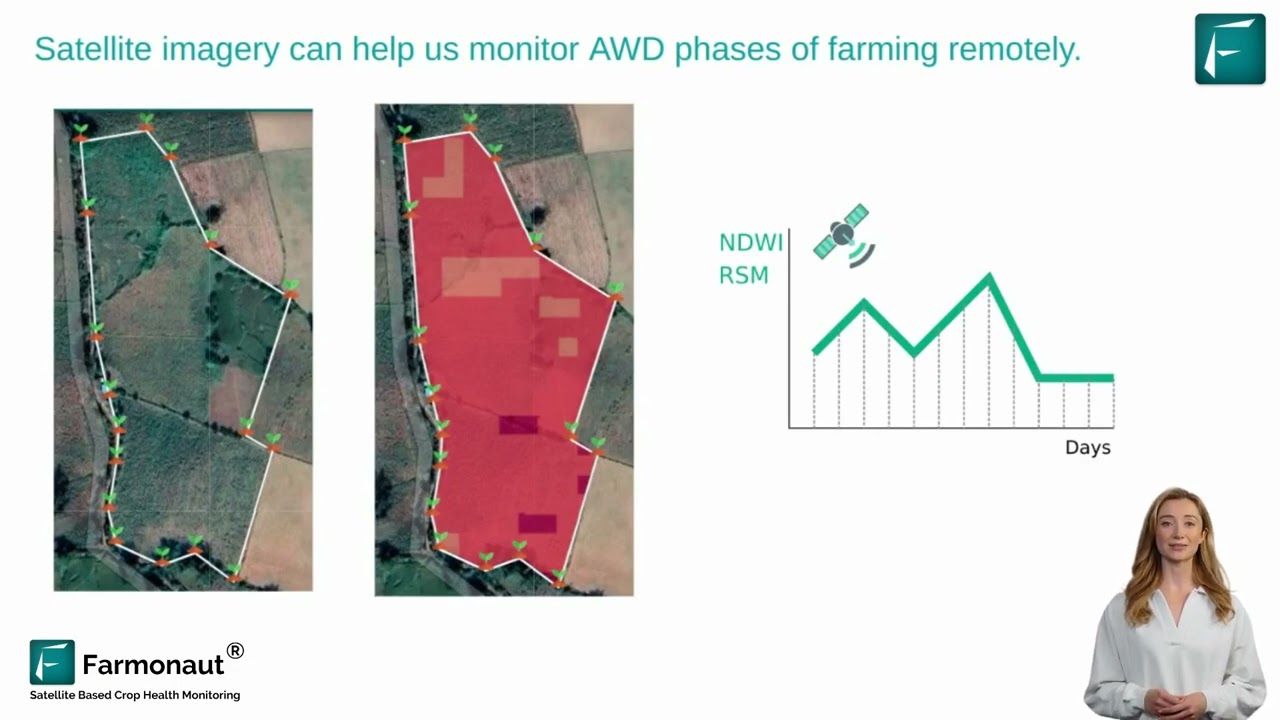
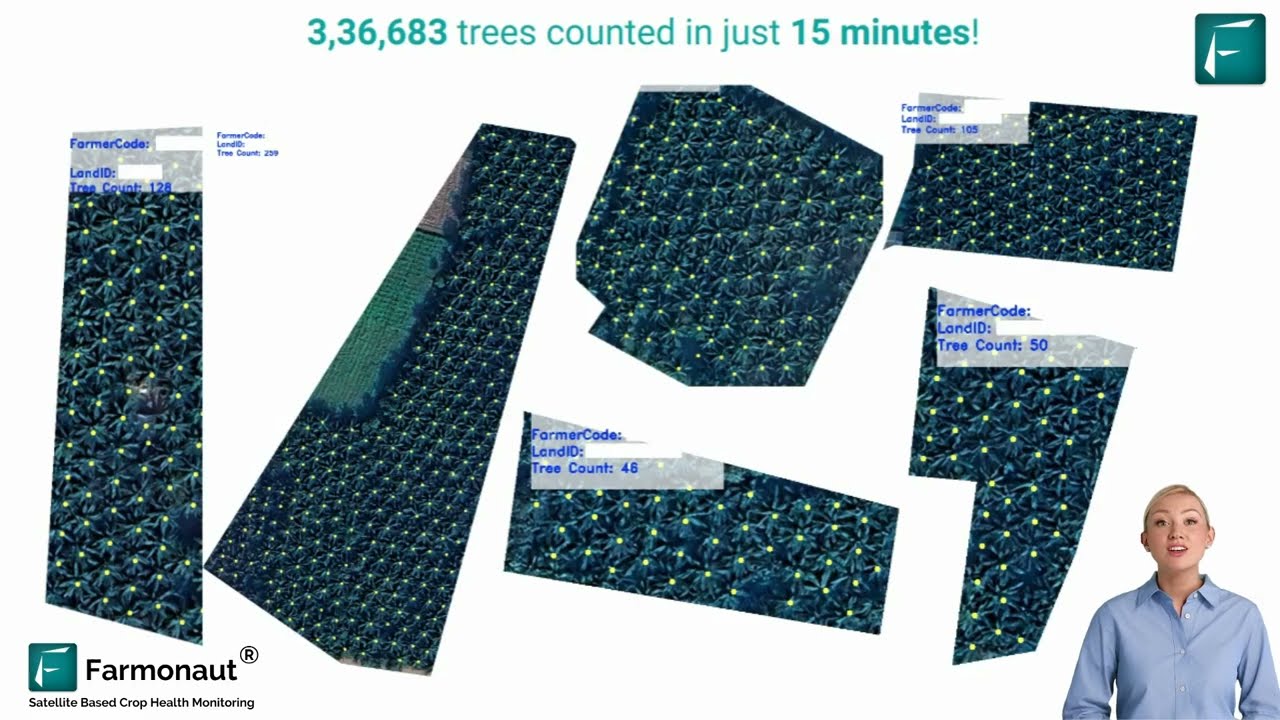
- ✔ Satellite imagery and AI (such as Farmonaut’s platform) allow managers to track Tibouchina health, growth, and canopy dynamics in near-real time without need for field presence.
- ✔ Blockchain-integrated traceability (see Traceability Solutions) secures transparent, fraud-free supply chains for timber and agroforestry products.
- ✔ Fleet management and environmental tracking (see Fleet Management) ensures optimal deployment and resource use across large scale or fragmented forestry landscapes.
These tools enable practical, profitable, and truly sustainable Tibouchina management — linking ecological performance to economic outcomes from rural to global scales.
Our end-to-end approach integrates satellite monitoring, AI-driven insights, blockchain traceability, and environmental tracking. Farmonaut solutions offer unparalleled control and data intelligence for forestry, mining, and restoration projects worldwide — making sustainable Tibouchina forestry achievable, measurable, and scalable.



Simplified Subscriptions for Satellite Forestry Management
Looking Ahead: Tibouchina’s Role in Global Forestry Initiatives (2026+)
As climate, ecological, and economic imperatives converge, Tibouchina trees are set to figure prominently within future forestry systems:
- 🌱Restoration: Accelerate the recovery of mining-impacted lands and erosion hotspots
- 🦋Biodiversity: Reestablish biodiverse habitats in tropical and subtropical Americas, with transferability to similar global regions
- 🌍Carbon Markets: Establish new protocols for measuring ecological gain and carbon credits in multi-use forestry settings
- 👩🌾Livelihood Security: Offer long-term economic benefits to rural populations, supporting balanced land use
- 🔍Data-Driven Management: Apply AI, satellite analytics, and blockchain traceability (as offered by Farmonaut) for continuous improvement
Future research and application — crossing silviculture, landscape ecology, policy, and digital technology — will ensure Tibouchina remains a valuable asset for sustainable development in forestry, rural enterprise, and global environmental initiatives.
Governments and funding agencies increasingly support multi-benefit forestry models that combine biodiversity conservation with carbon and rural economic opportunities. The Tibouchina tree is uniquely positioned for adoption in public-private and grassroots projects from 2026 onwards.
✔ 5 Quick Takeaways on Tibouchina for Sustainable Forestry
- ✔ Tibouchina trees stabilize, enrich, and restore eroded landscapes — supporting both soil health and long-term land use.
- ✔ They boost biodiversity and foster climate resilience faster than many common reforestation species.
- ✔ Economic value and rural benefit are unlocked via agroforestry, timber, and ornamental markets.
- ✔ Technology (AI, satellites, blockchain) makes monitoring, traceability, and scaling restoration possible and profitable.
- ✔ Careful management is essential for maximizing benefits and avoiding ecological pitfalls (like invasiveness).
Frequently Asked Questions (FAQ): Tibouchina Tree & Sustainable Forestry
What is the Tibouchina tree and where is it native?
The Tibouchina tree is a fast-growing genus in the Melastomataceae family, popular for its purple flowers and attractive foliage. It’s primarily native to tropical and subtropical regions of the Americas, but is now explored for forestry and land rehabilitation globally.
How does Tibouchina support sustainable forestry and land rehabilitation?
Tibouchina species stabilize soils, combat erosion, enhance biodiversity, speed up degraded land recovery, and provide habitat and economic value via timber and ornamental trade. Their rapid establishment and resilience make them “pioneer species” in restoration ecosystems.
What are the risks of using Tibouchina in forestry projects?
Some Tibouchina species may become invasive when planted outside native ranges, potentially outcompeting local flora. Best practices require strict site assessments, monitoring, and mixing with native species for optimal, responsible forestry outcomes.
Are Tibouchina trees profitable for rural and local communities?
Yes, through timber, ornamental sales, and agroforestry integration (e.g., shade for coffee/cocoa), Tibouchina trees can deliver significant economic and ecosystem services, especially when combined with sustainable management.
How can technology help manage Tibouchina-based forestry and restoration?
Tools like Farmonaut’s satellite monitoring, real-time advisory, and blockchain traceability allow resource managers to track Tibouchina stands, optimize carbon sequestration, secure supply chains, and maintain sustainable land use from local to global landscapes.
The Tibouchina Tree: An Emerging Asset in Sustainable Forestry and Land Rehabilitation
The Tibouchina tree stands at the crossroads of modern forestry’s greatest opportunities — blending rapid ecological recovery, carbon capture, biodiversity enhancement, and rural economic development across tropical and subtropical lands. Careful management and innovative technologies (like Farmonaut’s solutions) will be crucial to maximizing these benefits for generations to come.

 TVS Electronics
 BW Pipelines
 WICO
WICO Gen Chayat
 Chimera Innovation
 Hiteshi Infotech
 SkyHarvest
 Polaris Digitech
 Teledarbas
 Wild Oak Farm
 SFX
SFX BACF Africa
 Doodlakine
 Exurbia Geospatial
 FieldZero
 Indico Company
