

Top Challenges Women Face in Agriculture & Solutions
Table of Contents
- Introduction
- Why Focus on Women in Agriculture?
- Critical Challenges Women Face in Agriculture
- Solutions and Pathways to Inclusive Farming
- Farmonaut: Smart Agriculture Tools for Inclusion
- Table: Challenges vs. Solutions with Estimated Impact
- Key Insights & Highlights
- Practical Opportunities for Empowering Women
- FAQ – Challenges for Women in Agriculture
- Conclusion
Introduction
Women have always played a pivotal role in agriculture. From planting and weeding to harvesting, processing, and animal husbandry, their labor is fundamental to food systems worldwide. Yet, women’s contributions often remain underacknowledged or hidden, and their potential is hindered by compounded, layered challenges – from systemic barriers in ownership and credit to constraints imposed by social norms and a lack of access to technology and markets.
In this comprehensive guide, we dive deep into the challenges for women in agriculture, explore their root causes, and lay out inclusive, actionable solutions for the path ahead. Along the way, you’ll find up-to-date data, expert perspectives, strategic recommendations, and resources for advocacy—all informed by the latest research and technological advances, including smart agri-solutions from Farmonaut.
Why Focus on Women in Agriculture?
The agricultural sector is both the largest employer and primary source of livelihood for hundreds of millions of women globally. In many rural communities, women are not just laborers—they are managers, investors, and decision-makers, despite lacking formal recognition or control over crucial resources. If we want to build resilient, food-secure, and equitable communities, addressing the women in agriculture challenges is imperative.
- ✔ Key benefit: Unlocking women’s potential in agriculture increases yields, reduces poverty, and fosters food security for entire communities.
- 📊 Data insight: Women produce up to 50% of the world’s food, yet own less than 15% of agricultural land (FAO).
- ⚠ Risk or limitation: Underutilization of women’s skills and labor results in lower agricultural productivity and household income.
- 🚀 Opportunity: Closing the gender gap in agriculture could increase global food production by up to 4%.
- 🔍 Focus keyword: Challenges for women in agriculture
Critical Challenges Women Face in Agriculture
Let’s examine the core challenges women face in agriculture and how intersecting barriers reduce their productivity, income, and ability to thrive as agricultural entrepreneurs.
1. Limited Access to Land and Property Rights
Access to land is foundational for farming success. Yet, in numerous settings, women in agriculture face legal and cultural norms that limit or deny their ability to own, inherit, or control property.
- 📍 Inequality in inheritance laws often favors male heirs; women, especially widows or daughters, receive less or nothing.
- 📍 Weak tenure security—women have informal rights, but not documented ownership, making their claims vulnerable.
- 📍 Misalignment between labor and ownership—even as women perform substantial cultivation tasks, formal ownership rests with husbands or male relatives.
- 📍 Lack of voice in land-related decisions—reducing their bargaining power and ability to invest in soil health or expand operations.

This land gap undermines long-term investment, reduces ability to access collateral for credit, and perpetuates gendered inequality across generations. Without land, women struggle to secure credit or build security in their livelihoods.
2. Barriers to Credit, Finance, and Productive Resources
Credit and input purchases are critical for successful agricultural production. However, women often face persistent hurdles:
- 🚫 Higher collateral requirements due to lack of land ownership or formal property.
- 🚫 Biases from lenders—social norms and stereotypes restrict women’s ability to access formal banking services.
- 🚫 Limited reliable financial networks—women must rely on informal groups, which may only offer low loan amounts with unfavorable terms (high interest rates or short repayment periods).
- 🚫 Reduced ability to purchase key inputs—without credit, women struggle to buy quality seeds, fertilizers, irrigation equipment, or technologies that raise yields and reduce losses.
The result: Women’s farms remain less productive, with fewer opportunities to grow or diversify into high-value crops or agri-business opportunities.

Farmonaut’s Satellite-Based Services: To support transparent, accessible financing in agriculture, our platform provides satellite-based verification for crop loans and insurance, enabling banks to make data-driven lending decisions and reduce risk. This helps streamline access to finance for all farmers, while supporting women’s inclusion.
Learn more about Crop Loan and Insurance solutions.
3. Labor Division, Time Poverty & Overlapping Burdens
The division of labor in rural communities often leaves women shouldering dual responsibilities—farm work and household chores. In many agricultural contexts, women are deeply involved in tasks such as planting, weeding, harvesting, post-harvest processing, and small-animal husbandry, in addition to child care, cooking, and fetching water or firewood.
- ⏰ Time poverty: The “double burden” of unpaid work severely limits women’s ability to attend training, access extension services, or engage in markets.
- ⛔ Labor-intensive innovations adoption is constrained—even when women possess equal knowledge or skills, their productivity gains may lag behind due to time limitations.
- 🛑 Mobility restrictions: Cultural or safety concerns frequently restrict women’s ability to travel to facilities or markets to sell produce, purchase inputs, or access extension support.
As a result, rural women experience higher rates of poverty and lower economic returns from agriculture compared to their male counterparts.
4. Knowledge Gaps, Extension Barriers, and Technology Adoption
Access to knowledge and information is deeply gendered. Extension services, training programs, and agricultural advisories are often developed for and delivered to male farmers, creating persistent gaps:
- 📚 Training times and locations are rarely planned with women’s time constraints in mind.
- 📚 Limited access to digital tools—women face higher rates of illiteracy, lower smartphone ownership, and constraints in using devices.
- 📚 Subsistence-scale limitation—when women do receive training, it is too often focused on home gardens or smallholder tasks, overlooking commercial or high-value processing and production opportunities.
- 📚 Information networks are male-dominated— women frequently lack access to key market and weather updates critical for timely decisions.
Farmonaut’s Advisory and Digital Innovations: Our satellite-based app and API platform enable real-time monitoring of crop health, soil conditions, and weather forecasts, empowering anyone—including women farmers—to make data-driven decisions. Our Jeevn AI system delivers customized advice to optimize productivity and reduce losses.



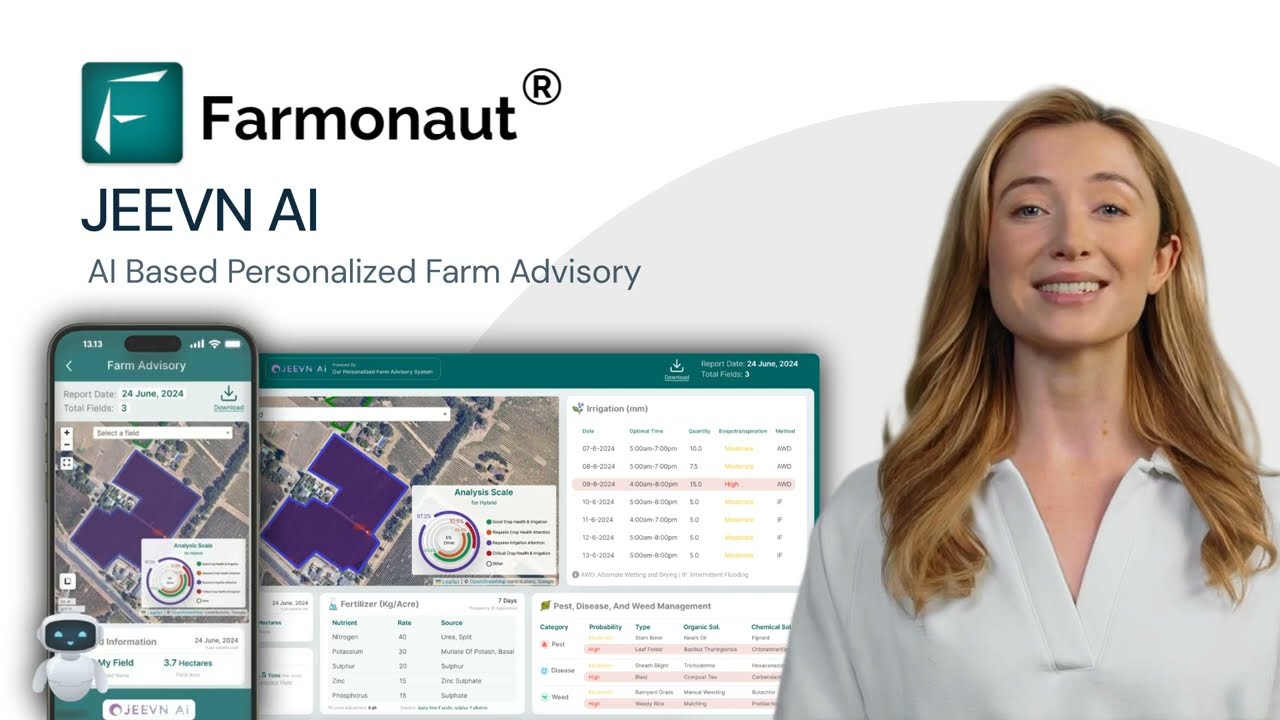
- ✨ Pro Tip: Easy-to-use digital platforms can help bridge the knowledge divide, provided that content is tailored to women’s real needs, schedules, and languages.
5. Market Access & Value Chain Constraints
Women are heavily represented in the primary production stage but often face blocks on moving up the value chain.
- ⛓ Bias in procurement and lack of female-friendly processing facilities near farms.
- ⛓ Limited decision-making over sale proceeds—income often goes to male household heads, restricting women’s economic independence.
- ⛓ Inadequate infrastructure for storage, transportation, and aggregation—making it difficult for women to achieve consistent sales at good prices.
The result? Women’s ability to invest, save, or move into agri-business ventures is constrained, reducing resilience to market shocks.
For advanced traceability and transparency, our blockchain-based traceability platform (Farmonaut Traceability) helps both large- and small-scale producers provide proof of origin and gain trust in high-value markets.

6. Gendered Norms & Legal Barriers
Gendered norms and social expectations are persistent, subtle barriers. Even when no law bans women from owning land, registering a business, or joining a cooperative, social biases and traditions may discourage or block their participation.
- 🎭 Exclusion from leadership roles in community groups and agricultural boards.
- 🎭 Cultural restrictions on participation in public markets and access to agricultural extension and training sessions.
- 🎭 Legal knowledge gaps—many women are unaware of their property and inheritance rights or lack the resources to defend them.
These systemic obstacles necessitate a deliberate, inclusive approach to agricultural programming and policy design.
7. Climate-Related Vulnerabilities
Climate shocks—drought, floods, and unseasonal weather—have disproportionate impacts on women. Because of limited control over land and resources, women are typically the first to absorb the consequences of crop failure or resource scarcity.
- 🌧 Low resilience due to fewer assets and savings.
- 🔥 Higher labor demands during resource scarcity (e.g., fetching water or fodder during drought).
- 🌪 Limited access to climate-resilient technologies and insurance products.
Our Carbon Footprinting and Environmental Monitoring tools support sustainable farming practices, enabling data-driven adaptation and risk reduction.
Solutions and Pathways to Inclusive, Gender-Equal Farming
While the challenges for women in agriculture are layered and persistent, there are clear pathways and opportunities for progress. Here we outline actionable solutions rooted in legal reform, program design, technology, and grassroots empowerment:
A. Secure Women’s Land and Property Rights
- 🟩 Legal reform—Strengthen and enforce laws mandating gender-equal inheritance and property ownership.
- 🟩 Title registration drives—Promote joint-titling, public awareness campaigns, and legal literacy for rural women.
- 🟩 Community advocacy—Engage local leaders to challenge harmful norms around land transfer and tenure.
B. Provide Targeted Access to Credit & Inputs
- 🟫 Customize financial products: Develop loan and insurance packages with flexible collateral requirements, specifically aimed at women.
- 🟫 Expand women’s banking: Support female-run rural banks, savings groups, and microfinance institutions.
- 🟫 Promote digital finance: Leverage mobile-based payments and blockchain traceability to enhance transparency and trust (Product Traceability).
C. Design Inclusive Extension Services and Training
- 📒 Timing and accessibility: Offer training at convenient times and locations, taking women’s time burdens into account.
- 📒 Female extension agents: Recruit and train women as extension workers to foster relatability and trust.
- 📒 Tailored curriculum: Focus on both subsistence and commercial farming—including processing, value addition, and post-harvest management.
- 📒 Bridge digital divide: Develop content for low-literacy and local language audiences.
D. Enhance Market Access and Value Chain Participation
- 💱 Support women’s producer organizations: Facilitate the formation and scaling of all-women coops and self-help groups.
- 💱 Promote access to aggregation & storage facilities: Invest in rural infrastructure near women’s farms for safe produce storage and processing.
- 💱 Champion gender-inclusive procurement policies: Encourage both government and private-sector agribusinesses to source from women-led enterprises.
E. Deliver Supportive Infrastructure and Social Services
- 🛠 Invest in rural transport, childcare, and sanitation facilities—increasing women’s mobility and time savings.
- 🛠 Promote safe spaces at markets, women’s resource centers, and decentralize access points for extension and finance.
F. Build Climate Resilience and Environmental Adaptation
- 🌱 Provide climate-smart training and inputs— drought-resistant seeds, rainwater harvesting, and solar irrigation technologies.
- 🌱 Enable climate insurance and promote awareness of available insurance schemes (see Crop Loan & Insurance solutions).
- 🌱 Support women’s participation in climate adaptation planning, leveraging data-driven insights (see Farmonaut Carbon Footprinting).
Farmonaut: Smart Agriculture Tools for Inclusion
As the challenges of women in agriculture span multiple dimensions (land, finance, labor, market, climate), embracing innovative, affordable technology is key to unlocking opportunities.
- 💡 Satellite Crop Health Monitoring: Via satellite and drones, Farmonaut provides affordable NDVI crop monitoring and soil assessment. This empowers female farmers with actionable information even when extension staff or technical resources are absent.
- 💡 Personalized AI Advisory (Jeevn AI): Delivers real-time, tailored weather, pest management, and agronomic advice, removing barriers to timely, accurate decision-making. Learn how large farm groups and co-ops benefit.
- 💡 Blockchain Traceability: Enhances trust, supply chain transparency, and supports market entry for women-led produce via immutable records.
- 💡 Access & Inclusivity: Mobile and web applications make advanced monitoring and management tools accessible to all, regardless of scale or gender.
- 💡 Resource Management & Fleet: Logistics tools help optimize input delivery and crop movement in resource-limited settings—key for large coops and female producer groups. (Farmonaut Fleet Management)
Challenges vs. Solutions with Estimated Impact
| Challenge | Description | Proposed Solution | Estimated % of Women Affected | Potential Solution Impact |
|---|---|---|---|---|
| Limited Access to Land | Women often lack legal land ownership or inheritance rights, undermining investment and security. | Joint titling; legal reforms; awareness campaigns | 70% | Estimated to improve secure access for 40% |
| Barriers to Credit & Inputs | Higher collateral requirements, social biases, and reliance on informal networks limit investment in improved seeds, equipment. | Gender-responsive banking, simplified collateral, digital finance | 68% | Can bridge finance gap for up to 45% |
| Labor & Time Poverty | Heavy household chores plus farming reduce time for market and innovation. | Rural infrastructure, childcare, extension at convenient hours | 60% | Estimated 25–33% productivity improvement |
| Knowledge Gaps & Tech Adoption | Limited extension outreach, gender-biased services, digital divide. | Inclusive training, digital tools, local language content | 65% | Can raise yields for 40–50% |
| Market & Value Chain Constraints | Women lack access to formal markets, storage, and value addition. | Producer groups, gender quotas, blockchain traceability | 55% | Est. 30–40% better price realization |
| Gendered Norms & Legal Barriers | Exclusion from leadership, decision-making, and policy processes. | Leadership training, gender-integrated policy | 80% | Increases women’s voice and bargaining power |
| Climate Vulnerability | Women absorb more climate risk, with less access to insurance and adaptation resources. | Climate-resilient inputs, insurance, environmental monitoring | 60% | Reduces losses for up to 40% |
Key Insights & Highlights
- 🚩 Limited access to secure land hampers women’s ability to invest or use property as collateral.
- 🚩 Time and resource gaps due to overlapping household and farm labor reduce women’s agricultural productivity.
- 🚩 Social norms and legal barriers perpetuate inequality, limiting women’s voices and access to leadership roles.
- 🚩 Technology, smart monitoring, and blockchain offer new pathways for inclusion and equity in agriculture.
- 🚩 Empowering women in agriculture is key for resilient, sustainable food systems and achieving global food security.
Practical Opportunities for Empowering Women
Visual List: Top Strategies Unlocked by Technology
- 🌱 Satellite monitoring – Equips women with data on weather, crop health, and soil conditions.
- 🤝 Digital extension and advisory – AI-backed support available on demand.
- 🔗 Blockchain traceability – Boosts market trust for women’s produce.
- 📲 Mobile-first applications – Improve accessibility & knowledge for all, regardless of literacy or scale.
- 📊 Resource and fleet management – Reduces time/labor inefficiency, optimizes logistics for women’s collectives and SMEs.
Visual List: Advocacy and Policy Levers
- ⚖️ Gender-integrated land reform
- 💰 Incentives for female-led agribusinesses
- 🏢 All-woman coops and FPO support
- 📚 Women’s legal & digital literacy campaigns
- 🌐 Connectivity & device ownership programs
FAQ – Challenges for Women in Agriculture
1. What challenges do women face in agriculture?
Women face barriers including limited access to land and credit, time poverty, labor constraints, gendered norms that hinder leadership or legal rights, exclusion from value chains, knowledge gaps, and higher vulnerability to climate shocks.
2. How does lack of land ownership affect women?
Without formal land ownership, women cannot use property as collateral for loans, have reduced bargaining power, and often lack incentives or security to invest in soil health, irrigation, or climate-smart practices—perpetuating poverty and inequality.
3. What is the impact of improving gender equality in agriculture?
Closing the gender gap boosts yields, raises household income, strengthens resilience to shocks, and could reduce global hunger by up to 4%.
4. Which technologies support women in inclusive farming?
Affordable tools like satellite monitoring, AI-based advisory systems, traceability via blockchain, and mobile/web apps democratize access to data and resources—empowering women to make data-driven decisions, boost yields, and access markets.
5. How can organizations support women’s empowerment in agriculture?
By designing gender-integrated policies, enabling legal reforms, investing in rural infrastructure, delivering inclusive extension, fostering women’s advocacy leadership, and leveraging tech platforms accessible to all.
Conclusion: Inclusive Agriculture for a Resilient Future
The evidence is clear: overcoming the challenges for women in agriculture is not just a matter of social justice—it is a strategic investment in sustainable food systems and community wellbeing. From limited access to land and credit, to pervasive knowledge gaps and the impacts of climate change, the obstacles are real but not insurmountable.
With targeted interventions—land tenure reform, gender-responsive finance, inclusive training, smart infrastructure, supportive services, and agile, user-friendly technology—rural women can transform agricultural production, raise incomes, and become stewards of a more equitable, resilient food future.
At Farmonaut, we are committed to making advanced agricultural technologies accessible and inclusive for everyone. Our satellite-driven insights, AI advisories, blockchain traceability, and resource optimization tools help bridge the gender gap—empowering women, communities, and businesses to thrive amid change.
Start Your Journey with Farmonaut
- 🌍 Satellite Monitoring – Affordable access for farms and coops of all sizes.
Try our platform here - 🔗 API Access for Developers – Integrate satellite, weather, and traceability in your workflow. Explore our API (Docs)
- 📱
Let’s take action—together—to achieve inclusive, empowered, and resilient farming for all.
Discussion
Questions, corrections or field experience? Share them below. First-time comments are reviewed before they appear, and your email is never published.
No comments yet. Be the first to add a question or your experience.

 Sampurn AgriConnect
 FCF India
 Unifrutti Gulf
 Deluxe Conseil
 TVS Electronics
 BW Pipelines
 WICO
WICO Gen Chayat
 Chimera Innovation
 SkyHarvest
 Polaris Digitech
 Teledarbas
 Wild Oak Farm
 SFX
SFX Doodlakine
 Licence holder · Niger · Gold










