

Vertical Farming Plant Factory Market: History & 7 Facts
The vertical farming plant factory market stands at the intersection of technology, agriculture, and urban infrastructure, redefining how crops are grown and delivered to urban centers. In this in-depth exploration, we’ll unpack the history of vertical farming, advanced plant factory systems, current market dynamics, essential facts, and future trends in resource-efficient indoor agriculture.
“The global vertical farming plant factory market surpassed $3 billion in 2023, driven by rapid urbanization and technological innovation.”
“Advanced vertical farms can use up to 95% less water than traditional agriculture, optimizing resource efficiency in urban environments.”



Table of Contents
- Introduction to Vertical Farming Plant Factories
- History of Vertical Farming & Plant Factories
- Vertical Farming Plant Factory Market Size & Growth
- Advanced Systems in Vertical Farming Plant Factories
- Comparative Timeline Table: Milestones & Innovations
- 7 Key Facts About the Vertical Farming Plant Factory Market
- Opportunities and Challenges in Vertical Farming
- Farmonaut: Satellite Technology Empowering Modern Agriculture
- Current and Future Applications for Urban Agriculture
- Frequently Asked Questions (FAQ)
Introduction to Vertical Farming Plant Factories
Vertical farming plant factories represent a revolutionary approach that brings crop production indoors, stacking crops in multiple layers within precisely controlled environments. By relying on hydroponic, aeroponic, or aquaponic systems, vertical plant factories optimize resource use and minimize environmental impact. These systems are particularly relevant in densely populated urban regions, where arable land is scarce, and the demand for fresh, high-quality produce is rapidly increasing.
- ✔ Efficient Use of Space: Stack plants in vertical racks, multiplying yields per square meter.
- 📊 Advanced LED Lighting: Provide crops with uniform, optimized light spectra for each development stage, regardless of external weather or seasonality.
- ⚠ Reduced Water Usage: Utilize closed-loop irrigation to cut water use by up to 95%.
- 🔍 Improved Food Security: Short empty supply chains and bring fresh produce to urban centers all year.
- 🛠 Automation & Sensors: Integrate sensor networks, robotics and AI-driven management for scalable, consistent operations.
Key Insight
Vertical farming plant factories are redefining agriculture by enabling urban food production independent of traditional land, sunlight, or weather constraints.

History of Vertical Farming & Plant Factories
The history of vertical farming dates back to early experiments demonstrating how plants could be grown without soil or natural sunlight using hydroponic solutions. From glass greenhouses to today’s fully enclosed plant factories, the field has continuously evolved to address the challenges of resource efficiency, weather variability, and crop uniformity.
Key Milestones in the Evolution of Vertical Farming Plant Factories
- Early 20th Century: Initial hydroponic experiments lay the foundation for soilless agriculture.
- Mid-20th Century: Greenhouses begin integrating controlled temperature and lighting.
- 1990s-2000s: Introduction of LED lighting and climate control enables the shift from greenhouse to urban plant factories.
- 2010s: Rapid growth in urban vertical farms leveraging automation, sensor networks, hydroponic/aeroponic systems, and data analytics.
- 2020s: Modular, scalable vertical farming factories expand worldwide, improving market size, energy management, and real-time monitoring.
Investor Note
Strategic investments in vertical farming plant factory infrastructure drive innovation, resource efficiency, and food security across the supply chain.
Comparative Timeline Table: Milestones & Innovations in the Vertical Farming Plant Factory Market
| Year/Period | Major Technological Innovation | Estimated Global Market Size (USD Billion) | Increase in Water Use Efficiency (%) | Notable Urban Agriculture Projects |
|---|---|---|---|---|
| 2010 | Early urban vertical farms using basic hydroponic systems, high-pressure sodium lighting | $0.4 | 30% | Sky Greens (Singapore) |
| 2015 | First wave of commercial-scale plant factories, integration of advanced LED lighting and automation | $1.1 | 60% | Spread Co. Ltd (Japan’s Techno Farm) |
| 2020 | AI-driven crop management, cloud-controlled environment, modular facilities, ultra-efficient irrigation | $2.6 | 85% | Plenty (USA), Infarm (Europe) |
| 2023 | Blockchain traceability, advanced sensors, renewable energy integration, fleet robotics | $3.1 | 90% | AeroFarms (USA), Urban Crop Solutions (Europe) |
| 2025E | Decentralized local food hubs, AI/ML optimization, real-time environmental impact tracking | $5.5+ | 95% | Vertical Greenhouses in Dubai, Urban Japan Projects |
Common Mistake
Assuming vertical farms completely replace traditional agriculture. Instead, plant factories complement traditional systems by providing reliable, weather-independent production during supply chain disruptions.

Vertical Farming Plant Factory Market Size & Growth
The vertical farming market size is experiencing exponential growth due to systemic shifts in how food supply chains operate, accelerated urbanization, and increasing investor focus on sustainable, resource-efficient cultivation.
- 🔗 Market Expansion: Global vertical farming plant factory market surpassed $3 billion in 2023 and is projected to reach $5.5+ billion by 2025.
- 💧 Resource Stewardship: Each new generation of plant factory technology increases water use efficiency, yield per square meter, and energy optimization.
- 🌱 Demand for Fresh, Local Produce: Urban consumers are increasingly seeking local, fresh crops with shorter supply chains for improved food security.
- 🚚 Supply Chain Resilience: Modular plant factories can be rapidly deployed in densely populated regions or remote locations, reducing risk from adverse weather, transport emissions, and spoilage.
- 🏢 Integration with Urban Infrastructure: Plant factories are being established close to processing facilities, retail, restaurants, and hospitals, directly supporting urban green supply chains.
Pro Tip
Select vertical farming crops that are compact, fast-growing, and high-value (such as leafy greens, herbs, and microgreens) for optimal economic and energy efficiency.

Advanced Systems in Vertical Farming Plant Factories
The core advantage of vertical farming plant factories lies in their advanced technological systems for optimizing every aspect of crop production: lighting, irrigation, climate control, and automation.
Key Components and Technologies:
- 💡 Advanced LED Lighting: Modern LEDs produce specific light spectra to maximize photosynthesis, mimicking sunlight and adjusting intensity per crop development stage.
- 🤖 Automation and Robotics: Automated conveyor belts, planting, harvesting, and sorting reduce labor needs and improve yield consistency.
- 🌡 Climate Control: Sensor-driven systems regulate temperature, humidity, CO2 levels, and airflow within plant factory rooms.
- 💧 Water Recapture Systems: Closed-loop hydroponic/aeroponic irrigation recycles nearly all water, drastically reducing consumption vs. field agriculture.
- 🌐 Data Analytics & AI Management: Sensor networks and AI monitor crop growth, enabling predictive maintenance and maximizing operational efficiency.
Tech Highlight
Sensor networks, blockchain traceability, and environmental monitoring are propelling the vertical farming market toward unprecedented efficiency and transparency.


“The global vertical farming plant factory market surpassed $3 billion in 2023, driven by rapid urbanization and technological innovation.”
“Advanced vertical farms can use up to 95% less water than traditional agriculture, optimizing resource efficiency in urban environments.”
7 Key Facts About the Vertical Farming Plant Factory Market
- Resource Efficiency: Vertical farming plant factories can reduce water usage by up to 95% and eliminate dependence on arable soil.
- Market Growth: The vertical farming market size is growing at double-digit CAGR, driven by urbanization and a push for food security.
- Advanced Automation: Plant factory operations are increasingly leveraging robotics, sensor networks, and AI-driven management for labor efficiency and crop uniformity.
- Crop Choice: Most plant factory operators focus on leafy greens, herbs, and microgreens due to their compact size, value, and rapid growth cycles.
- Integration with Supply Chains: Vertical farm produce is increasingly delivered directly to retailers, restaurants, and consumers, reducing supply chain losses and emissions.
- Climate Agnostic: Production is independent of external weather or seasonality, ensuring consistent output year-round in any region.
- Modular Expansion: Modern plant factories offer scalable infrastructure, allowing growers to add capacity incrementally with minimal operational disruption.

Benefits At a Glance:
- ✔ Year-Round Cultivation: Multiple harvests regardless of climate.
- 💡 Precision Crop Management: Uniform yield and quality.
- 💧 Minimal Water Use: Closed-loop, recirculating irrigation.
- 📦 Proximity to Market: Reduced food miles, fresher produce.
- 🟢 Agrochemical-Free: Often grown without pesticides or herbicides.
Timeline of Key Innovations:
- 🕰 2010: First urban vertical farms
- 🔆 2015: Commercial LED adoption
- 🤖 2020: AI-driven management
- 🌱 2023: Blockchain and full automation
- 🔭 2025E: Decentralized farm hubs
Key Insight
Managing energy use in plant factories is vital to economic viability—best-in-class operators leverage renewable sources and schedule lighting cycles for peak efficiency.
Opportunities and Challenges in Vertical Farming
Major Opportunities:
- 🌍 Urban Food Security: Bring reliable, fresh food to city populations by minimizing food miles and reducing spoilage.
- ⚡ Energy & Water Management: Innovate in resource recovery and alternative energy for climate and cost resilience.
- 🔗 Blockchain Traceability: Ensure transparency and trust for consumers and supply chain partners. Learn about product traceability for vertical farming supply chains here.
- 🤝 Data-Driven Operations: Adopt smart monitoring and AI advisories to precisely manage crop health, nutrient delivery, and harvest timing.
- 🌲 Specialized Seedling Production: Expand capacity for forest restoration, rare or conservation crops using climate-controlled plant factory environments. For plantation and forestry advisory, explore our resource management platform here.
Key Challenges:
- ⚠ High Initial Investment: Building advanced, fully-automated facilities requires substantial capital.
- 🗲 Energy Use: Ongoing operational costs, especially for LED lighting and climate control, must be balanced with efficient planning.
- 🧪 Crop Limitations: Current vertical farms excel with leafy greens and herbs, while fruiting crops present technical hurdles.
- ⏳ Scalability Pressures: Rapidly growing market means plant factories must remain flexible, modular, and adaptable to new technology.
- 🔄 Integration with Traditional Supply Chains: Balancing vertical and field agriculture for predictable, resilient produce streams.
Farmonaut: Satellite Technology Empowering Modern Agriculture
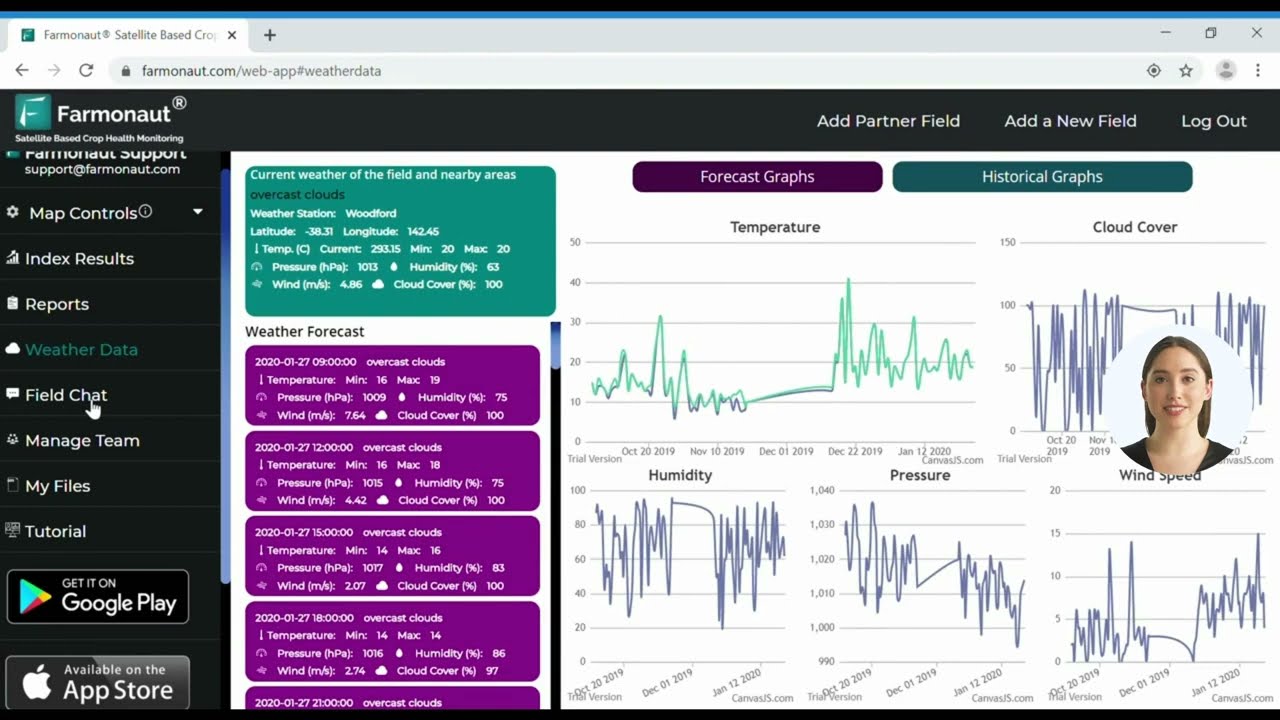
As the vertical farming plant factory market grows, satellite technology empowers producers, investors, and supply chain managers to make data-driven decisions and optimize resource efficiency. We at Farmonaut provide innovative, satellite-based solutions for real-time crop monitoring, resource management, environmental impact analysis, and transparency in vertical and traditional farming systems.
Through our satellite imagery, AI Advisory (Jeevn), blockchain traceability, and environmental impact monitoring, users gain:
- 🛰 Precise Crop Health Monitoring: Farmers and managers detect stress, disease, and nutrient needs across all crops using NDVI and other indices.
- 🔗 Blockchain-Based Traceability: Enhance supply chain transparency and secure agriculture and mining transactions. Explore product traceability tools here.
- ⚡ Environmental Impact Tracking: Measure and optimize the carbon footprint of agriculture and mining activities. View our carbon footprinting solutions here.
- 🚚 Fleet Management and Logistics: Streamline transportation and operational efficiency for both traditional and vertical farm supply chains. Learn more about our fleet management platform here.
- 📄 Loan and Insurance Verification: Enable banks and insurers to rapidly validate crop loan and insurance applications through real-time, satellite-based evidence. See our solutions here.
Farmonaut Product Insight
Our modular, scalable subscription service delivers cost-effective monitoring, blockchain-based traceability, and real-time weather APIs. Integrate your app or operations with our API: Farmonaut Satellite API (Developer Docs)
Large Scale Farm Management Platform
Current and Future Applications for Urban Agriculture
The increasing sophistication of the vertical farming plant factory market is driving its integration into new domains and supply chains. Let’s highlight some transformative applications:
- Urban Infrastructure: Plant factories embedded in buildings, rooftops, and basements; turning underutilized space into high-yield farms.
- Food Service & Retail: Partnership with supermarkets, restaurants, and institutions for reliable supply of fresh, local crops.
- Forest Restoration & Botanical Conservation: Production of rare seedlings, medicinal plants, and region-specific flora under controlled provenance conditions.
- Data-Integrated Management: Leveraging platforms like Farmonaut for multi-farm, national, or global remote monitoring, traceability, and compliance tracking.
- Decentralized, Modular Food Hubs: Scalable, replicable infrastructure for food resiliency in disaster-prone or remote areas.
Investor Note
The accelerating adoption of AI, blockchain, and real-time monitoring positions vertical farming as a foundational element in the future of urban food systems and green supply chains.
- ✅ Uniform crop quality through advanced sensor networks and lighting
- 🔍 Transparent supply chains with blockchain traceability
- ⚡ Optimized energy and water use for sustainability and operational cost reduction
- 📈 Scalable infrastructure dynamically matched to market, ensuring agility
- 🕒 24/7/365 production independent of external weather or seasonality
Key Insight
A modular, data-driven approach allows plant factories to quickly expand capacity without sacrificing environmental control or crop uniformity.
Pro Tip
Optimizing LED lighting schedules reduces energy use while maintaining high crop yields in any climate.
Common Mistake
Investing heavily in infrastructure before validating local market demand for high-value crops can impact profitability.
Investor Note
Markets with high population density and >40% food imports are prime for local vertical farm development.
Key Insight
Rapid advancements in AI-powered maintenance and predictive analytics are reducing labor requirements and boosting productivity for operators.
Frequently Asked Questions (FAQ)
What is a vertical farming plant factory?
A vertical farming plant factory is an advanced, indoor agricultural system where crops are grown in multiple stacked layers using hydroponic, aeroponic, or similar soilless systems. Every environmental condition—light, temperature, humidity, and nutrients—is precisely controlled to optimize crop yield and quality regardless of external weather.
What drives the vertical farming plant factory market?
Key drivers include demand for fresh urban produce, limited arable land, a push for food supply security, and the need for sustainable, resource-efficient production. Innovations in LED lighting, automation, data analytics, and supply chain integration also fuel market expansion.
How does vertical farming compare to traditional agriculture in water use?
Vertical farming plant factories use up to 95% less water than traditional field agriculture by recycling water in closed-loop hydroponic or aeroponic systems. This is especially significant in water-scarce urban regions.
Which crops are best suited for vertical farming?
Leafy greens, herbs, microgreens, and compact, fast-growing specialty crops achieve the highest efficiency and market value in vertical farming environments. Ongoing research seeks to expand profitable crop options.
Can vertical farms operate sustainably and profitably?
Yes—especially when operators select high-value crops, optimize energy and water use, and leverage advanced automation and data analytics. Adoption of renewable energy and real-time monitoring further boosts both sustainability and profitability.
Where can I find satellite-based tools for crop management and supply chain traceability?
We at Farmonaut provide robust satellite monitoring, blockchain traceability, and resource management solutions for both traditional agriculture and vertical plant factories. Explore our product traceability and carbon footprinting service pages for more info.

 ZOL Zimbabwe
 Innomick
 Juligerm
 AdBio
AdBio MISE Maroc
 Drift-Sense
 NWNS
NWNS Red August Group
 Farm Inc
 WeMe Global
 Agrotoken
 Blue BearX
 Insignito
 Croptimum
 DnCubed
 Field Capacity
 Indosistim Teknologi
 Liquify Digital
