

Water Pump for Irrigation System: 7 Top Picks 2026
“By 2025, advanced irrigation pumps can cut water usage in agriculture by up to 35% compared to 2020 models.”
“The latest 2025 pump technologies deliver up to 40% more energy efficiency for sustainable farming operations.”
Why Advanced Water Pumps Are Game-Changers in 2026
In the era of climate variability and mounting water scarcity, the water pump for irrigation system has become a keystone for sustainable, productive agriculture. With 2025 pump technologies delivering up to 40% more energy efficiency and cutting water use by a third, these devices are more critical than ever for farmers and businesses alike. Driven by the need to optimize resources, enhance crop yields, and meet environmental regulations, the role of the irrigation pump has evolved significantly.
- ✔ Key benefit: Advanced pumps ensure uniform pressure and efficient water usage across extensive fields.
- 📊 Data insight: Integrating smart technology can reduce operational costs by automating maintenance and monitoring.
- ⚠ Risk: Selecting an undersized or outdated pump limits system capacity—impacting crop health.
- 🌱 Climate resilience: Smart, sustainable water pumping systems are now vital for climate-adaptive farming.
- 💡 Pro Tip: Pair your water pump for irrigation system with digital monitoring (like Farmonaut’s AI) for data-driven decision making.
Water Pump for Irrigation System: Key Types & Their Role
Efficient irrigation systems rely on selecting the most appropriate pump type—your choice impacts energy usage, reliability, and crop output. Here’s an overview of core irrigation pumps revolutionizing modern agriculture:
- Well Pump for Irrigation System: For groundwater extraction in deep or unreliable surface water areas.
- Booster Pump for Irrigation System: To maintain uniform pressure in large, uneven fields or long pipelines.
- Sump Pump Irrigation System: For utilizing water stored in ponds, pits, or reservoirs, often handling sediment-laden water.
- Solar Water Pump for Irrigation: A sustainable, energy-independent solution for off-grid or remote areas.

Feature Comparison Table: 7 Best Pumps for 2026
Selecting the right water pump for irrigation system in 2026 means focusing on performance, sustainability, and technical innovations. The table below compares seven top pumps—enabling smart, informed decisions.
Top Technology and Sustainability Trends in Water Pumps for Irrigation
From powering smart, automated irrigation systems to enabling off-grid farming with solar water pumps, 2026’s advanced pumps are defined by several key trends:
- 📱 IoT Integration: Real-time monitoring and adaptive control to optimize water usage and detect failures before losses occur.
- 🌞 Solar-Driven Operation: Solar water pump for irrigation slashes energy costs and carbon emissions, especially in sun-rich regions.
- 🛠 Variable Speed & AI Diagnostics: Automatic adjustment extends life, reduces energy consumption, and increases longevity.
- 🧿 Sustainability Focus: Pumps now have higher efficiency ratings, lower input demands, and are made with durable, recyclable materials.
- 🔗 Seamless Platform Integration: Technologies like Farmonaut’s APIs (API Access Here) enable integration of field sensors for smarter pump management.

Well Pump for Irrigation System: Groundwater Extraction Revolutionized
Well pumps are the backbone of irrigation where farms rely on groundwater extraction. The well pump for irrigation system has become more energy-efficient and durable, featuring smart controls tailored for actual water demand. Modern submersible well pumps can draw from underground aquifers even at great depth, minimizing maintenance.
- 🕳️ Deep Well Performance: Improved submersible pumps handle deeper, more challenging aquifers, even in areas where surface water is scarce.
- 🔄 Variable Speed Drives: Pumps adjust output based on real demand, dramatically reducing energy consumption and pump wear.

Variable-speed well pump for irrigation system technologies have extended pump lifespan by up to 35%. Choosing a smart-enabled pump can further minimize downtime and labor costs on large farms.
Booster Pump for Irrigation System: Ensuring Uniform Pressure & Distribution
Booster pumps play a vital role in maintaining consistent pressure across extensive irrigation systems—especially where terrains are uneven or fields are vast. A boost pump for irrigation system guarantees uniform water flow across every drip line, sprinkler, and pivot, making it an essential tool for precision agriculture.
- 📐 Precision Control: With pressure sensors and IoT integration, booster pumps can automate pressure adjustments in real time to prevent uneven irrigation.
- 🔊 Silent Operation: New models feature noise-dampening designs, ideal for minimizing farm disturbance during nighttime irrigation cycles.

Booster Pump Highlights: Uniform Crop Health
- ✔ Uniformity: Ensures no section of your field is under-watered or over-watered—supporting maximum crop yield.
- 🧠 Smart Automation: Advanced models can self-diagnose performance issues, alerting users to service needs before crops are affected.
Sump Pump Irrigation System: Sustainable Use of Surface Water
A sump pump irrigation system is increasingly favored for farms utilizing stored surface water in ponds, pits, or reservoirs. Their robust design allows for handling sediment-laden water, making them critical for sustainable water resource management.
- ⏳ Low Upkeep: Modern advances in sump pumps minimize maintenance even in high-sediment environments.
- 💪 Heavy-Duty Operation: Ideal for small/medium farms facing variable water quality from open sources.
- 🌱 Sustainability Edge: Efficient use and recycling of stored surface water reduces overall irrigation footprint.

Many farms overlook sump pump maintenance—leading to costly breakdowns. Use only sump-specific pumps for water with significant sediment to ensure durability and prolong performance.
Solar Water Pump for Irrigation: Powering Sustainable Agriculture
Among all irrigation pump advancements, the solar water pump for irrigation stands out as a game-changer for 2026. These pumps transform sunlight into water—a lifeline for remote or off-grid farms. The latest models feature high-efficiency photovoltaic panels, advanced battery storage, and smart controllers, enabling reliable operation day and night.
- 🌍 Eco-Friendly: Solar pumping cuts carbon emissions and drastically slashes fuel and grid power costs.
- 🚜 Independence: Off-grid operation is perfect for vast regions with unreliable power.
- 🔋 Hybrid Solutions: Pumps now integrate battery or hybrid backup, guaranteeing steady irrigation even with variable weather.

With the proliferation of solar irrigation, investment in solar water pump for irrigation technologies is expected to surge through 2027. Strong returns are projected for businesses innovating efficiency and hybrid resilience.
Access real-time crop monitoring & AI-powered irrigation advice via Farmonaut:



Farmonaut delivers satellite-powered weather & soil monitoring, AI irrigation analysis, and field insights for smarter water management. Reduce waste, improve yields, and meet sustainability goals across your entire operation—no extra hardware needed.
Use our developer-friendly API for integrating satellite-based irrigation and pump analytics into your own ag-tech products:
Farmonaut API (Plug In Now) |
API Developer Docs
Farmonaut’s Smart Satellite-Driven Irrigation Solutions
At Farmonaut, we empower farmers and agri-businesses with cutting-edge satellite analytics and AI, seamlessly integrating into any water pump for irrigation system. Our Large Scale Farm Management Suite delivers real-time field health, groundwater monitoring, and resource allocation—optimizing your irrigation pump scheduling and maximizing efficiency.
- 🌍 Environmental Impact Tracking supports farmers in minimizing water waste and cutting emissions, enabled via our carbon footprinting solutions.
- 🔗 Product Traceability: Improve transparency in your agri-supply chain with our blockchain-based traceability solutions—vital for sustainability compliance.
- 💳 Loan & Insurance: Streamline your next irrigation expansion with satellite-backed credit and risk verification.
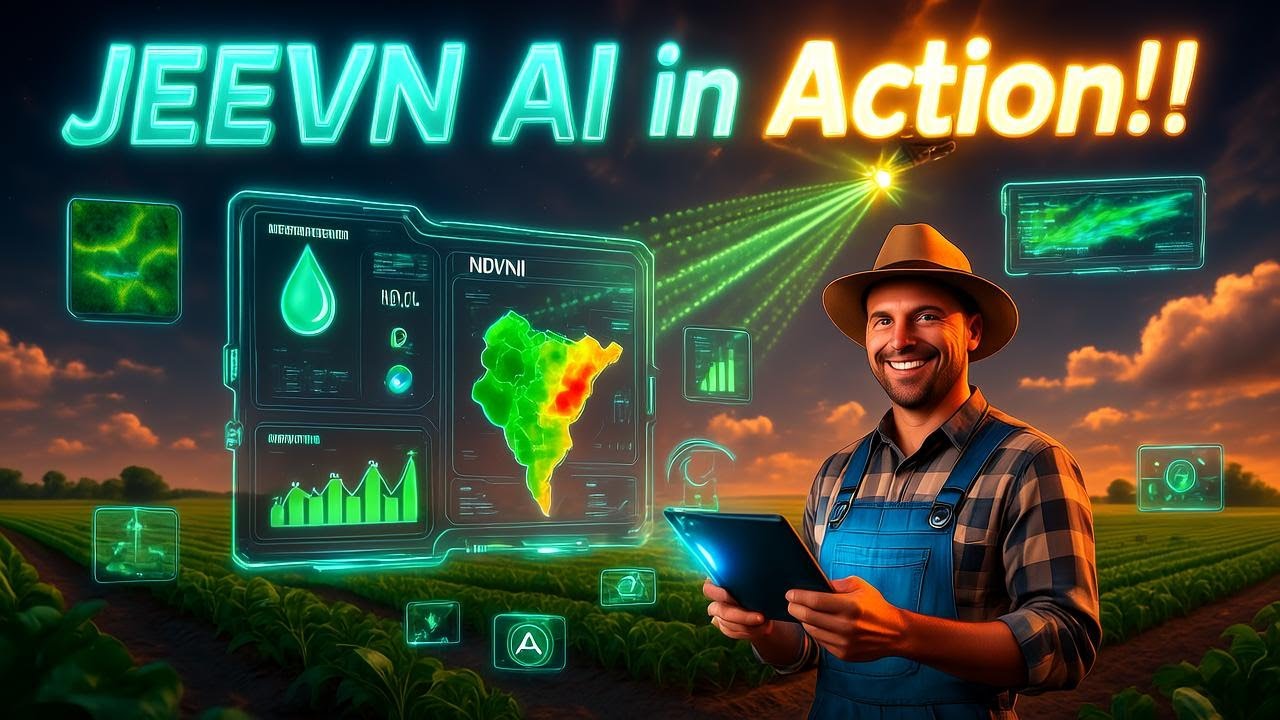

Visual List: Farmonaut Tech Highlights
- 📡 Satellite-based pump scheduling
- 💧 NDVI & NDWI tracking for crop water stress
- 🌱 AI-driven irrigation advisories and anomaly detection
- ⚡ API and App access for full remote control
- 🔍 Transparent traceability and supply chain monitoring
Selecting the Appropriate Pump: Critical Factors for 2026
Choosing a water pump for irrigation system in 2026 is not just about pump type—it’s about total system optimization: efficiency, tech integration, and sustainability goals.
- Source Availability: Is your system based on groundwater extraction, surface water (ponds/reservoirs), or a hybrid?
- Pumping Distance and Elevation: Booster pumps are essential in large, uneven fields or where elevation changes occur.
- Required Flow/Pressure: Accurately estimate your crop/plant water demand to avoid under/over spec’ing your system.
- Power Source Options: If grid power is costly or unreliable, solar or hybrid pumps maximize resilience and savings.
- Automation Compatibility: Smart pumps with IoT allow for instantaneous, remote system management. Integrate with platforms like Farmonaut for satellite-synced operations.
Consider total cost, not just pump price! When budgeting, include installation, maintenance, and long-term energy or solar savings.
Key Insights & Highlighted Advice
Overlooking sensor integration: Without real-time flow & pressure data, even advanced pumps can underperform. Connect your irrigation pump to smart platforms!
Pumps with built-in AI diagnostics detect early performance losses, saving up to 20% in repair and crop loss costs.
Global investment in solar and smart irrigation pumps is projected to exceed $40B/year by 2028.
Use Farmonaut’s fleet management suite for satellite-driven pump and vehicle monitoring: Learn More
Renewable-powered irrigation investments may unlock regional subsidies from 2026 onward—favor solar models for compliance.
Top 5 Benefits of Modern Irrigation Pump Technologies
- ✔ Enhanced Efficiency: Save up to 40% more energy compared to conventional pumps.
- ✔ Increased Lifespan: AI and variable speed controls extend equipment expectancy.
- ✔ Water Savings: Advanced pumps, when matched with drip/sensor networks, deliver water only where and when it’s needed, slashing waste.
- ✔ Sustainability: Lower emissions and overall environmental footprint via solar/IoT integration and pre-emptive maintenance.
- ✔ Precision & Productivity: Uniform irrigation translates directly into healthier crops and higher yields with less labor.
Visual List: What Sets 2026’s Top Pumps Apart
- 🟢 Smart sensor and satellite platform integration
- 🔵 Automated flow, pressure, and maintenance regulation
- 🟡 Solar and hybrid battery operation for zero-fuel costs
- 🟠 Superior resistance to wear and sediment corrosion
- 🟣 API, app, and remote monitoring compatibility
“By 2025, advanced irrigation pumps can cut water usage in agriculture by up to 35% compared to 2020 models.”
FAQ: Water Pump for Irrigation System 2026
It depends on your water source, field size, energy availability, and budget. For off-grid or remote applications, a solar water pump for irrigation is often best. For large, pressurized systems, well pump and booster pump for irrigation systems offer high efficiency and smart controls.
Q2. Are solar water pumps reliable for year-round cropping?
Yes! Modern solar pumps offer hybrid battery and generator backup, IoT-monitoring, and can irrigate even cloudy/rainy days—making them a robust choice for all seasons.
Q3. How do I integrate smart controls with my irrigation pump?
Choose pumps offering IoT compatibility and use satellite-driven decision platforms such as Farmonaut to monitor, schedule, and optimize pump operation remotely.
Q4. Is it possible to track irrigation’s environmental impact?
Absolutely! Use satellite-based carbon footprinting apps to monitor water usage and emissions for compliance and sustainability transparency.
Q5. What’s the role of AI and satellite platforms in irrigation?
AI and satellite data empower predictive pump scheduling, maintenance diagnostics, and field-specific advisories, maximizing water efficiency and minimizing operational costs.
Conclusion: Future-Proof Your Farm in 2026
As water pumps for irrigation systems leap forward in efficiency, reliability, and digital integration, 2026 is the year for smart adoption. Whether you opt for a high-powered well pump, a precision booster, a rugged sump, or a fully autonomous solar setup, ensure your irrigation pump is tailored, efficient, and primed for the climate.
Sustainability, crop yield, and operational cost savings now rest on advanced pump choice and smart technology integration. By leveraging satellite-driven platforms like Farmonaut, we help you monitor every drop, optimize every irrigation cycle, and lead the way in productive, climate-smart agriculture.
Next Steps:
- 🔗 Ready to digitize your farm? Try Farmonaut’s platform for actionable water & field insights (Start Here).
- 🔗 For developers & enterprises: Integrate satellite & IoT water data with our open API.
- 🔗 Explore traceability, sustainability, and farm loan tools:
Product Traceability |
Carbon Footprinting |
Sat-verified Insurance
Sustainable, smart irrigation starts now—select your future-ready water pump for irrigation system and boost your farm’s growth in 2026 and beyond.
Discussion
Questions, corrections or field experience? Share them below. First-time comments are reviewed before they appear, and your email is never published.
No comments yet. Be the first to add a question or your experience.

 KhetiBuddy
 Agro La Gándara
 Global Agrifood
 HIPSAC
 ZOL Zimbabwe
 Juligerm
 AdBio
AdBio MISE Maroc
 NWNS
NWNS Red August Group
 Farm Inc
 WeMe Global
 Agrotoken
 Blue BearX
 Insignito
 Croptimum
 DnCubed
 Field Capacity
 Indosistim Teknologi
 Licence holder · Niger · Gold
 Licence holder · Nigeria · Gold + lithium










