

What Category Is Agriculture? 7 Key Land Types Explained
“Over 40% of the world’s land is used for agriculture, spanning seven key land categories.”
Table of Contents
- What Is Agriculture About?
- Land Category in Agriculture Explained
- Comparative Table: Agricultural Land Categories & Sustainability
- The 7 Key Land Types in Agriculture
- The Role of Soil, Water, and Climate in Land Use
- What Is Capping in Agriculture?
- Sustainable Land Management: Best Practices for Productivity & Resilience
- How Technology & Precision Farming Shape Land Use
- Farmonaut Satellite-Based Agricultural Solutions
- Frequently Asked Questions (FAQ)
What Is Agriculture About?
Agriculture is the science, art, and business of cultivating soil, growing crops, and raising animals to produce food, fiber, fuel, and other desired products. As the core driver of land use and management, it shapes how lands are categorized, stewarded, and utilized for sustainable productivity and environmental resilience.
What Is Mean by Agriculture?
In essence, agriculture is about transforming natural resources
into produce that meets human needs for food, fiber, and fuel. The term also encompasses a wide range of practices—soil fertility management, crop selection, pest and disease control, irrigation scheduling, livestock nutrition and welfare, and post-harvest handling—that together sustain life and societies.
The discipline integrates knowledge from agronomy, animal sciences, horticulture, soil science, ecology, and economics, reflecting agriculture’s deep connection with both the environment and economic systems.
Land Category in Agriculture Explained
Understanding what category is agriculture requires deep knowledge of land categories, as these govern productivity, resource stewardship, and sustainability.
The Concept of Land Category
In agricultural discourse, land category refers to the classification of land based on suitability, use, management, and physical characteristics to optimize farming systems. Land is categorized according to:
- Soil characteristics (texture, fertility, organic content, drainage)
- Water availability (access to irrigation or rainfall reliability)
- Topography (slope, elevation, drainage risk)
- Climate suitability (temperature, seasonality, risk factors)
- Market needs and crops/livestock demand
Land categories are not static—they adapt as soil health, water rights, and technology evolve. Quality land categorization supports precision farming and sustainable intensification, raising yields while protecting environmental resources.
Comparative Table: Agricultural Land Categories & Sustainability
| Land Type | Typical Uses | Soil Quality (Estimated) | Water Availability (Estimated) | Sustainability Practices | Environmental Resilience (Estimated) |
|---|---|---|---|---|---|
| Arable Land (Cropland) | Annual cereals, oilseeds, vegetables | High–Medium | Medium–High (with irrigation) | Crop rotation, cover cropping, reduced tillage, precision fertilization | Medium–High |
| Pasture Land | Grazing livestock, hay production | Medium | Medium | Rotational grazing, native species maintenance, water conservation | Medium |
| Rangeland | Extensive livestock grazing, wildlife habitat | Low–Medium | Low | Stocking control, invasive species management, soil protection | Low–Medium |
| Horticultural Land | Fruits, vegetables, flowers, nurseries | High | High (irrigation-dependent) | Drip irrigation, organic amendments, IPM | Medium |
| Orchards & Plantations | Perennial fruits, nuts, plantations (coffee, tea, cocoa, oil palm) | Medium–High | Medium | Mulching, organic matter, precision water use | Medium–High |
| Forested/Agroforestry Areas | Timber, non-timber products, integrated crops/livestock/trees | High | Medium–High | Agroforestry, tree intercropping, conservation corridors | High |
| Specialized Plots (Greenhouses, Polytunnels, Urban Plots) | Intensive vegetables, flowers, high-value crops | Artificial—controlled environment | High (regulated) | Hydroponics, water recycling, IPM, energy optimization | Medium |
“Sustainable practices can increase soil productivity by up to 58% while preserving environmental resilience.”
The 7 Key Land Types in Agriculture: What Category Is Agriculture?
Let’s explore the seven major land categories that define agriculture globally, considering their unique characteristics and role in food and resource production.
1. Arable Land (Cropland)
- Dedicated to growing annual crops (e.g., cereals, grains, oilseeds, vegetables).
- Soil: Often deep, well-drained, fertile, but susceptible to depletion if mismanaged.
- Requires careful irrigation and fertility management.
- Sustainability: Improved by crop rotation, organic amendments, and reduced tillage.


2. Pasture
- Grassland used for grazing livestock (cattle, sheep, goats).
- Soil: Moderate fertility; benefits from perennial cover which prevents erosion.
- Requires rotational grazing, stocking management, and water conservation to avoid degradation.
3. Rangeland
- Extensive, natural or semi-natural lands for grazing wildlife and livestock.
- Soil: Variable—often less fertile, prone to overgrazing-induced degradation.
- Sustainable practices include mob grazing, restoration, and managed fire.

4. Horticultural Plots
- Typically small, intensive plots for vegetable, fruit, and ornamental cultivation.
- Soil: High organic matter; often improved by composting and organic inputs.
- Sustainability: Drip irrigation, mulching, and integrated pest management (IPM).
5. Orchards & Plantations
- Long-term investment in fruit, nut, tea, coffee, cocoa, or oil palm trees.
- Soil: Medium-high quality; requires erosion control and deep-root support.
- Water: Often relies on supplementary irrigation.
- Covers large, market-linked monocultures or diversified mixes.

6. Forested & Agroforestry Areas
- Forests managed for timber, non-timber forest products, or integrated with crops and/or livestock.
- Agroforestry systems balance biodiversity, carbon storage, and multi-layered food/fiber/fuel production.
- High resilience:. Trees enhance microclimate, increase soil organic matter, and reduce greenhouse gas emissions.
- Examples: Silvopasture, alley cropping, shady perennial systems.
- Farmonaut Carbon Footprinting tools enable monitoring of carbon balances in agroforestry, supporting sustainability and emissions monitoring.


7. Specialized Plots: Greenhouses, Polytunnels, & Urban Agriculture
- Controlled environment agriculture (CEA): Greenhouses/polytunnels for year-round production.
- Urban plots: Vertical farming, rooftop gardens, hydroponics.
- Soil: Artificial or highly-amended; precise irrigation and climate control.
- Sustainability: Water recycling, energy efficiency, localized food systems.
The Role of Soil, Water, and Climate in Land Use
Soil health, water management, and climate adaptability are fundamental to sustainable land categories in agriculture.
- ✔ Soil: Determines nutrient cycling, crop suitability, and resilience against erosion or compaction.
- 📊 Water: Access to irrigation or rainfall shapes what crops can be grown and governs water-saving practices.
- ⚠ Climate: Temperature, rainfall seasonality, and risk of drought/flood inform land use decisions and management approaches.
- ✔ Health: Practices like organic amendments, cover cropping, and reduced tillage improve long-term soil productivity.
- 📊 Biodiversity: Crop diversity buffers systems against pest/disease and climate variability.

What is Capping in Agriculture?
The concept of capping in agriculture denotes limits or thresholds placed on production, inputs, or environmental impacts to ensure sustainability and compliance with resource constraints.
- ✔ Irrigation caps: To protect overdraw of groundwater or rivers, especially in water-scarce regions.
- ⚠ Fertilizer and pesticide application caps: Limit overuse that can degrade soil or water quality.
- ✔ Greenhouse gas emissions caps: Stricter controls help reduce climate impacts from livestock and fertilizer usage.
- 📊 Market quotas: Regulate extraction or use of limited natural resources like timber or water rights.
Sustainable Land Management: Best Practices for Productivity & Resilience
Good land management is the bridge between food security for present and future generations and resource stewardship. Sustainable agriculture is achieved through both strategy and day-to-day practices.
- ✔ Crop rotation & diversity: Reduces disease/pest cycles and strengthens soil health.
- ⚠ Overgrazing prevention: Maintains resilience of grazing lands and prevents erosion.
- 📊 Integrated pest management (IPM): Minimizes pesticide use, supports beneficial organisms.
- ✔ Organic matter enrichment: Compost, green manure, and mulching retain moisture and foster biodiversity.
- 📊 Water-saving irrigation: Drip, scheduling, and rainwater harvesting maximize limited water resources.
Visual List 📋: Core Sustainable Practices
- 🌱 Employ cover cropping and no-till or reduced-till systems
- 💧 Optimize irrigation timing, upgrade to precision systems
- 🌀 Rotate crops, include legumes, diversify plantings
- 🍃 Apply organic amendments/compost for soil health
- 🐞 Use biological controls and monitor pest levels via digital tools
Visual List 📋: Environmental Resilience Checkpoints
- 🌤 Diversify land use and crop species
- 🌳 Integrate trees with crop/livestock (agroforestry)
- 🌊 Maintain buffer zones for water quality and erosion control
- ☁️ Track and reduce GHG emissions through digital tools
- 🍂 Build organic soil carbon for climate stability

How Technology & Precision Farming Shape Land Use
As agricultural systems grow increasingly complex, technology-driven methods empower farmers and land managers to optimize inputs, monitor soil and crop health, and track environmental impacts.
Farmonaut Product Use Case:
Farmonaut Agro Admin App can be leveraged for large-scale farm management and monitoring, with satellite images, health indicators, and alert systems to guide sustainable field operations.

- ✔ Satellite crop monitoring: Track crop health (NDVI), detect irrigation stress, guide input management.
- 📊 AI advisory: Utilize weather forecasts, pest/disease alerts, and market price trends to inform decisions.
- ✔ Blockchain traceability: Build transparency and trust in produce origin. Farmonaut Traceability helps underpin food safety and supply chain integrity for producers and consumers alike.
- 📊 Resource & carbon footprint tracking: Optimize energy, fertilizer, and water application; track carbon balances for sustainability reporting (Farmonaut Carbon Footprinting).
Making Smarter Land Use Decisions
With digital and satellite tools, farmers and land managers can match inputs to fine-scale crop needs, support targeted rotation/diversification, and meet climate resilience and market goals with confidence.
Farmonaut Satellite-Based Agricultural Solutions
At Farmonaut, we’re passionate about using satellite data, AI, and blockchain to advance sustainability, productivity, and transparency in agriculture and related industries. Our platform provides accessible, cost-effective, and scalable solutions for individual users, enterprises, and government agencies.
- ✔ Satellite-Based Monitoring: Farmonaut uses multispectral satellite images to analyze crop and soil health, water status, and land category shifts for more effective land management.
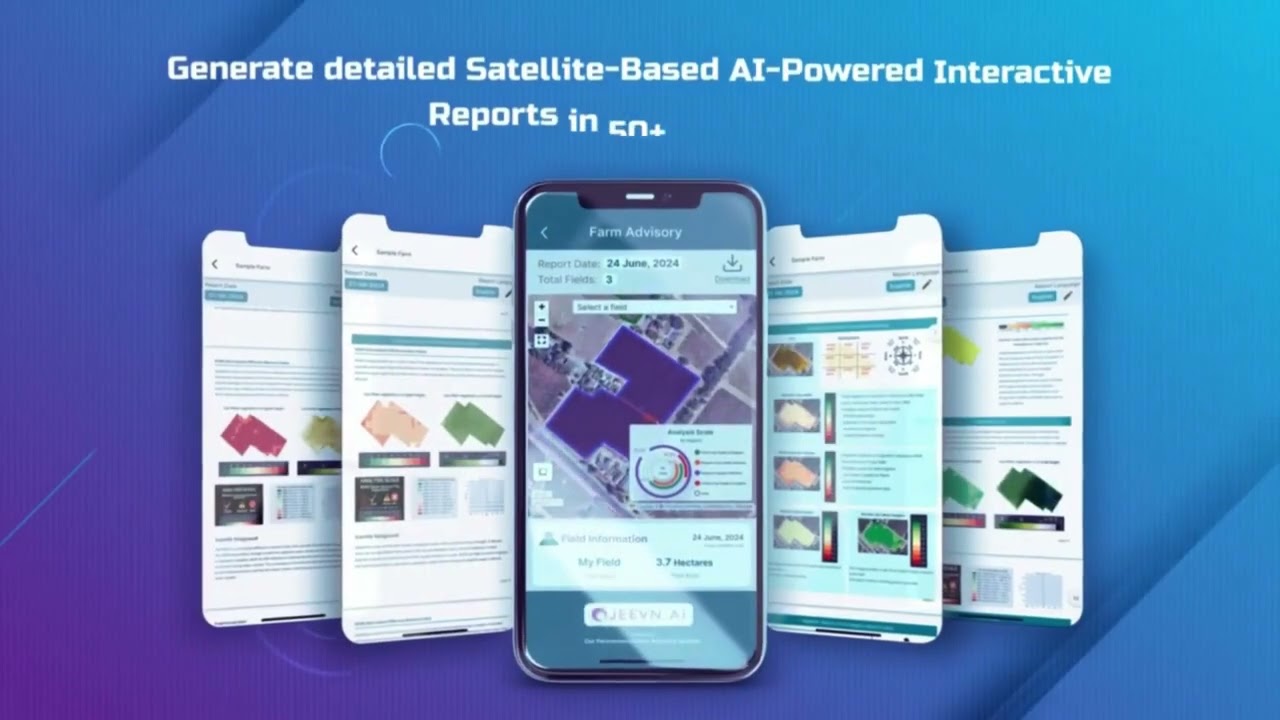
- 📊 Jeevn AI Advisory System: Provides real-time agronomic insights, weather forecasts, and dynamic farm management recommendations—turning data into action.
- ✔ Blockchain-Based Traceability: Track and verify origins of agricultural products, facilitating secure, transparent, and high-integrity supply chains.
- 📊 Fleet and Resource Management: Optimize logistics, vehicle use, and resource allocation with our digital dashboard.
- ✔ Environmental Impact Monitoring: Our tools help monitor and reduce carbon and water footprints, supporting sustainable intensification for farmers and organizations.
Additional Farmonaut Services:
- Farmonaut Crop Loan & Insurance: Satellite-based land verification streamlines access to farm credit and insurance, reducing fraud and paperwork hurdles.
- Farmonaut Fleet Management: Monitor, assign, and optimize resource and fleet movement in real time, helping large farming operations, miners, and logistics providers maximize efficiency.
For developers and businesses, our Farmonaut Satellite Weather API and API Developer Documentation offer seamless integration of real-time agricultural insights and data for custom solutions.
Frequently Asked Questions (FAQ)
What is agriculture about?
Agriculture is about utilizing natural resources—most notably soil, water, and climate—to produce food, fiber, and fuel for society by cultivating plants and raising animals. It combines science, business, art, and stewardship with the aim of sustaining food security and environmental health for current and future generations.
What is land category in agriculture?
Land category in agriculture refers to the classification of land based on factors like soil quality, water availability, topography, and suitability for specific uses (e.g., cropland, pasture, rangeland, horticultural plots, orchards, forest/agroforestry). Each category guides what can be grown (crops) or raised (livestock) and the best methods for sustainable management.
What is capping in agriculture?
Capping in agriculture means placing limits or thresholds on resource use or environmental impacts (like water withdrawal, fertilizer application, or greenhouse gas emissions). Capping ensures yields are balanced with conservation, keeping farming profitable while protecting resources for future generations.
How can technology improve sustainable land management?
Technology, especially satellite-based and AI tools (like those provided by Farmonaut), gives farmers and managers real-time insight into crop health and environmental impacts. This enables precise application of water, fertilizer, and other inputs, improves traceability and transparency, and helps monitor sustainability metrics like carbon and water footprint.
Which land categories are most suitable for sustainable agriculture?
Sustainable agriculture can be practiced on all land categories, but requires adapting techniques—arable land benefits from cover cropping and rotations, rangelands thrive with mob grazing and restoration, and agroforestry systems excel in boosting resilience, biodiversity, and organic matter. The key is matching practices to the land’s unique characteristics and limits.
Where can I learn about Farmonaut’s satellite technology for agriculture?
To discover how Farmonaut’s tools monitor crop health, manage environmental impacts, and guide sustainable land categorization, visit our web and mobile apps or explore our satellite API offerings.
Conclusion
“What category is agriculture?” is a guiding question for how we shape, steward, and sustain the land’s ability to provide for society—today and for the generations to come. By recognizing and managing our diverse land categories with science-based best practices, precision technologies, and a long-term view, we ensure that agriculture remains a powerful force for food security, environmental quality, and rural prosperity.
For those seeking to enhance agricultural land management, monitor environmental impacts, and integrate advanced digital tools, platforms like Farmonaut offer a comprehensive and accessible path forward.

 Godrej Agrovet
 Hayleys Agriculture
 Linx Agritech
 Adinet
 Save Your Soils
 GalaxEye Space
 Grandstream Algérie
 XOS Realty
 Geospatial Lab Africa
 Agro La Gándara
 HIPSAC
 ZOL Zimbabwe
 Juligerm
 AdBio
AdBio MISE Maroc
 NWNS
NWNS Red August Group
 Farm Inc
 WeMe Global
 Agrotoken
 Blue BearX
 Insignito
 DnCubed
 Indosistim Teknologi
 Liquify Digital
 CU Foods
 BeyondTech Global
 Rouge VC
 AgroRisk
 Oath Inc
 Esri North East Africa
 MDCV UK
 Etech Consulting Madagascar
 Vestlandsforsking
 WB Dev
 Sama Premium
 Tres Valles
 Blickwinkel
 Agricultural Credit Policy Council
 eKGIS
eKGIS Mostas Tech
 Andex
Andex Deluxe Conseil
 WICO
WICO Chimera Innovation
 SkyHarvest
 Teledarbas
 Exurbia Geospatial
 FieldZero
