

Table of Contents
- What Is Maggot Farming? Key Concepts & Opportunity in 2026+
- Top Maggot Farming Trivia: Facts for 2026
- The Science Behind Maggot Farming: How Maggots Convert Waste
- Why 2026 Matters: Maggot Farming Contexts — Agriculture, Forestry & Mining
- Key Species in Maggot Farming: BSFL vs. House Fly Maggots
- Step-by-Step Maggot Farming Process: Setup to Harvest
- Comparing Traditional Waste Management vs. Maggot Farming
- Maggot Farming Equipment for 2026: Efficient Upcycled Protein
- Is Maggot Farming Profitable? Key Factors in 2026
- House Fly Maggot Farming: Expert Insights
- Maggot Farming in the Sustainable Circular Economy
- Farmonaut Satellite Technology for Sustainable Farming & Waste Management
- FAQs: Maggot Farming 2026 & Beyond
- Conclusion: Maggot Farming in 2026 and Beyond
What Is Maggot Farming? Sustainable Profit in 2026 & Beyond
What is maggot farming? At its core, maggot farming is the controlled rearing of fly larvae, such as the house fly (Musca domestica) and black soldier fly (Hermetia illucens), for the purpose of converting organic waste into high-protein feed, soil amendments, and biofertilizers. By farming maggots in a legal, biosecure environment, we are able to break down food, crop residues, manure, and industrial organic waste—transforming these waste streams into valuable larval protein, oils, and frass (a nutrient-rich fertilizer).
Interest in maggot farming is rapidly growing in relevance for agriculture, forestry, and mining as a sustainable waste-management and protein-production strategy. With mounting pressure on land, resources, and environmental health, maggot farming offers a scalable, circular, and practical approach to managing residues while producing vital products for livestock, aquaculture, and soil health.




Top Maggot Farming Trivia: Facts for 2026
The Science Behind Maggot Farming: How Maggots Convert Waste
What does maggot farming involve? At its core, the strategy involves incubating organic waste streams in a clean, temperature-controlled environment. The waste acts as a substrate for fly larvae—primarily house fly or black soldier fly (BSFL)—which efficiently break down and convert these residues through natural digestion.
Why Flies and Their Larvae?
Musca domestica (house fly maggots) and Hermetia illucens (BSFL) are nature’s rapid recyclers. Larvae consume and transform proteins and nutrients from the waste stream, accelerating composting, reducing odor, and lowering the pathogen load. The result is a significant reduction in overall waste volume, production of protein-rich larvae for feed, and a nutrient-packed residual frass for soil amendment.
- ✔ Accelerated Waste Breakdown: Fly larvae can reduce waste volume by up to 60% in just 10–14 days
- 📊 High Protein Yield: Up to 200 kg of protein per ton of organic waste recycled
- ⚠ Lower Disease Risk: BSFL are less prone to carry human diseases compared to house fly maggots
- 🌱 Enriched Soil: Larval frass returned as fertilizer enhances organic matter and nutrient content
- ♻ Closed-Loop: Upcycling waste in a circular farm system improves overall sustainability
- ✔ Multipurpose Output: Larvae, frass, and oils serve poultry, swine, aquaculture, and field crops
- 💡 Efficient Processing: Maggot farming requires less time (10-14 days) vs. traditional composting (2+ months)
- ⚠ Requires Control: Temperature, humidity, and substrate composition must be monitored for optimal yield
- 🦠 Pathogen Reduction: Managed systems dramatically lower pathogen load in initial waste
- 🌍 Sustainable Impact: Converts waste streams into valuable agriculture products and reduces landfill burden

Why 2026 Matters: Maggot Farming Contexts — Agriculture, Forestry & Mining
The relevance of maggot farming as a sustainable strategy in circular agriculture and waste valorization is set to increase dramatically in the years ahead.
Agricultural Systems & On-Farm Benefits
- Protein source for poultry, swine, and aquaculture—reducing reliance on costly and imported feeds like fishmeal and soybean meal
- BSFL meal and oil integration in animal feed improves conversion ratios and supports a fully circular, farm-based protein supply
- Larval frass acts as a potent biofertilizer, enriching soil organic matter, structure, and nutrient content for improved crop yield
- Waste stream upcycling: Crop residues, spoiled produce, or manure are efficiently repurposed rather than sent to landfill
Forestry & Agroforestry
- Pruned branches, fruit pulp, and spoiled orchard crops can become substrate for maggot production
- Enables closed-loop nutrient cycling—soil amendments return to plantation or reforestation blocks
- Reduces waste-related odor and pest issues in mixed-land systems
Mining-Derived Waste Streams
- Compostable, organic-rich effluents and residues generated at mining sites can support maggot farming
- Larvae stabilize organic waste, while frass can improve soil amendments for reclamation or restoration plots
- Biodiversity-friendly processing aligns with emerging sustainability certifications in the mining sector

Key Species in Maggot Farming: BSFL vs. House Fly Maggots
Both house fly maggot farming (using Musca domestica) and BSFL (black soldier fly larval) systems are prevalent, each offering region-specific benefits and different operational considerations.
Black Soldier Fly Larvae (Hermetia illucens)
- Favored due to faster growth, higher biomass yield, and lower disease transmission risk
- Processed into BSFL meal and oil for livestock and aquaculture; residual frass is a valuable fertilizer
- Less odor and fewer pest issues than house fly systems
- Broad legal approvals in many regions for use in animal feed and soil amendments
House Fly Maggots (Musca domestica)
- Efficient at breaking down nitrogen-rich organic wastes, especially manure and food scraps
- Suitable for small to mid-scale farms with proper control and legal manure use
- Requires strict temperature, humidity, and pathogen control for biosecurity and reduced odor risk
- Popular in regions where regulatory approvals and experience are established for feed and fertilizer use
🧬 Why Choose BSFL?
- ✔ Faster larval growth
- ✔ More market acceptability for meal & oil
- ✔ Lower risk of disease or pest transmission
- ✔ Broad waste substrate tolerance
🐛 Why Choose House Fly Maggots?
- ✔ Effective for farm manure & small waste volumes
- ✔ Simple tech for decentralized operations
- ✔ Diversion of crop or food wastes at farm scale

Step-by-Step Maggot Farming Process: Setup to Harvest
Maggot farming systems are scalable, but the fundamentals remain consistent regardless of size or species:
- Substrate Preparation:
- Combine organic waste like manure, crop residues, or food scraps in a clean, pasteurized, and temperate environment
- Pre-treat (compost/pasteurize) to reduce pathogens, and optimize substrate density and moisture
- Fly Egg/Larval Seeding:
- Add or attract flies to lay eggs directly on the waste, or introduce purchased fly eggs/larvae
- Ensure temperature control (25-35°C for BSFL; 28–32°C for house fly maggots)
- Biosecure Rearing & Growth:
- House substrate and larvae in stacked, climate-controlled, biosecure bins or raceways
- Monitor humidity, oxygen, and waste/larval density for optimal yield
- Harvesting Maggots:
- Larvae are harvested at peak protein/oil content before pupation (typically at ~10–14 days)
- Manual or automated screens, conveyors, or collection systems are used to separate larvae from spent substrate
- Processing & Conversion:
- Larvae are wash/dried, ground into meal, and may be processed for oil extraction for feed or biofuel
- Residual frass is stabilized and used as a high-value soil amendment or biofertilizer

Comparing Traditional Waste Management vs. Maggot Farming
For decision-makers in agriculture, mining, or forestry, understanding the quantifiable advantages of maggot farming over traditional composting is vital:
| Waste Conversion Method | Estimated Waste Reduction (%) | Protein Yield per Ton of Waste (kg) | Time Required for Processing (days) | Byproducts Produced | Environmental Impact |
|---|---|---|---|---|---|
| Traditional Composting | 30% | 0 | 60 | Compost, CO2 | Moderate—longer waste retention, higher methane risk |
| Maggot Farming | 60% | 150–200 | 10 | Larval meal, oil, frass fertilizer | Low—faster processing, reduced landfill and GHG output |

Maggot Farming Equipment for 2026: Efficient Upcycled Protein
Modern maggot farming equipment is specialized to scale up productivity, reinforce biosecurity, and streamline production of meal, oil, and fertilizer. Here’s what’s needed for efficient operations:
- Rearing units: Stacked, climate-controlled bins (biosecure) for optimized temperature, humidity, and oxygen for larvae
- Substrate preparation gear: Waste mixers, shredders, pasteurization/composting tanks to sanitize and homogenize organic waste streams
- Harvesting systems: Manual or automated conveyors, screens, and mechanical separators to lift and segregate larvae
- Processing lines: Cleaning, washing, drying, grinding, and (for BSFL) oil-extracting equipment
- Sanitation & biosecurity: Controlled entry, airlocks, wastewater handling stations, and pest control to limit contamination or disease spread

Is Maggot Farming Profitable? Key Factors in 2026
“Is maggot farming profitable?” is one of the top questions for innovators, investors, and sustainability officers in 2026 and beyond. The answer: Profitability hinges on scale, regulatory access, market demand, input savings, and proper management. Here’s a breakdown:
- Feed Cost Savings:
Replacing even 10–20% of conventional protein (soy, fishmeal) with BSFL meal can reduce feed costs and improve environmental credentials for poultry, swine, and aquaculture systems. - Waste Management Savings:
Farms and processors can cut disposal fees or even generate income from tipping fees by accepting and upcycling outside organic waste streams. - Premium Value-Added Products:
BSFL meal and oil often command premium pricing, especially in specialty/organic feed, aquaculture, and pet food markets; frass fertilizer is also in growing demand. - Capital & Operating Costs:
Setup costs—including climate control, equipment, biosecurity, processing—must be weighed against recurring operating expenses, which vary by region and system scale. - Compliance & Market Approvals:
Legal regulations, approval for maggot-derived feed/supplements, and consumer acceptance are essential for market access and scaling profitability.
- 💰 Feed Cost Savings: Lower input costs, higher conversion ratios
- 🌎 Sustainability: Waste upcycling, carbon reduction
- ⚡ Faster ROI: Quicker processing and protein recovery
- 📈 Growing Demand: Expanding feed & fertilizer markets in 2026+
- 📊 Value-Added Streams: Frass, oil, and meal
- 📝 Regulatory Approval Needed: For local feed/fertilizer use
- ⚠ Biosecurity Essential: Lower disease and odor risk increases acceptance
- 🔍 Track ROI: Use monitoring tools to optimize efficiency (Explore Farmonaut’s Carbon Footprinting tools)
House Fly Maggot Farming: Expert Insights
House fly maggot farming remains a viable, small-to-midsize waste valorization pathway in many regions, particularly where on-farm manure and food scraps are abundant. What do farmers need to focus on when proceeding?
- Temperature & Humidity: Maintain 28–32°C and 65–75% humidity for maximum larval growth (critical for high protein yield).
- Substrate Pre-Treatment: Pasteurize or pre-compost substrate to reduce pathogen and odor risks.
- Regulatory Compliance: Follow all local guidelines concerning waste handling, animal feed use, and manure-derived product labeling.
- Odor & Vector Control: Ensure setup is biosecure and meets environmental standards to minimize complaints and health risks.
- Harvest Timeliness: House fly larvae are harvested immediately before pupation for optimal nutritional content.
Maggot Farming in the Sustainable Circular Economy
As environmental and food supply challenges intensify into 2026 and beyond, maggot farming sits at the heart of the sustainable circular economy. This system:
- Transforms waste into resources (meal, oil, frass) supporting agriculture, forestry, and post-mining reclamation
- Cuts carbon footprint by diverting organic streams from landfill/incineration
- Supports nutrient cycling and soil restoration across land uses
- Provides new income channels for farmers and mining operators managing waste on-site
- Integrates with smart farming systems for traceability, verification, and precision resource management (Learn more about Farmonaut’s Traceability Platform)
Global trends: Maggot-based systems, including BSFL, are predicted to be central in sustainable feed ingredient markets, soil health strategies, and circular agriculture standards well into the late 2020s.
Farmonaut Satellite Technology for Sustainable Farming & Waste Management
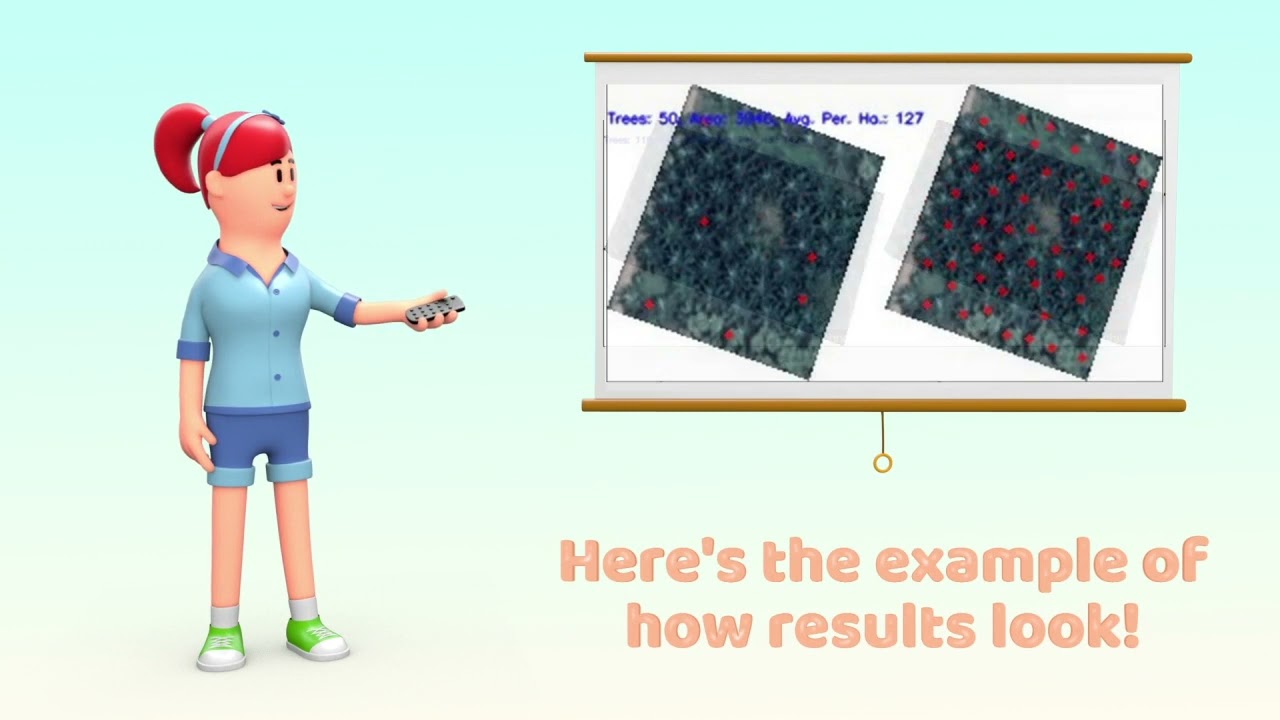
At Farmonaut, we harness advanced satellite technology, AI, and blockchain to empower farms, mining operations, and government agencies with real-time monitoring, AI-driven advisory, and resource optimization—tools critical for efficient waste handling, sustainable protein sourcing, and eco-friendly reclamation.
- 🌎 Satellite-Based Monitoring: Our platform provides NDVI crop health checks, soil analysis, waste mapping, and reclamation site monitoring—enabling smarter substrate management for maggot farms and mining-derived waste upcycling.
- 🤖 AI & Blockchain Advisory: Our Jeevn AI system gives weather-impacted alerts, disease risk analytics, and farm-to-feed traceability.
- 🚜 Fleet Management Solutions: Optimize trucks, bins, and machinery fleet for efficient organic waste collection and maggot farm supply logistics (Fleet Management Platform).
- 🌳 Forest, Agroforestry, & Crop Plantation Advisory: Satellite insights help direct prunings, spoils, and plant residues to the right maggot substrate streams (Explore Crop Plantation Advisory).
- 💸 Satellite-Based Verification for Loans and Insurance: Our platform enables safer access to financial instruments for agri and mining maggot farms (Crop Loan and Insurance Services).
Try our web and mobile applications, or integrate with your system through our satellite API. Full developer documentation is available here.
FAQs: Maggot Farming 2026 & Beyond
What is maggot farming and what waste can be processed?
Maggot farming is the controlled rearing of fly larvae—usually house fly (Musca domestica) or black soldier fly (Hermetia illucens)—to efficiently convert organic waste streams (like manure, food scraps, crop residues, and some mining-derived organic effluents) into protein meal, oils, and fertilizer (frass). Most nitrogen-rich, biodegradable waste can serve as a substrate, pending correct legal and sanitary management.
How fast can maggot farming process waste compared to composting?
Maggot farming can reduce organic waste volume by over 60% in as little as 10 days, compared to around 30% in 60 days with traditional composting—while also generating larval protein and oil.
Is maggot farming profitable in 2026 and beyond?
Yes—when properly managed and scaled, maggot farming can be highly profitable thanks to lower feed costs, waste management savings, premium product sales (BSFL meal, oil, frass), and eligibility for carbon footprinting and sustainability incentives.
What are the equipment needs and legal considerations?
Equipment needs include climate-controlled rearing bins, substrate processors, harvesters, and processing/drying facilities. Legal considerations require correct waste handling permits, biosecurity compliance, feed ingredient approval, and environmental management.
How can technologies like satellite monitoring help maggot farming?
Satellite-driven tools like those offered by Farmonaut allow remote crop, land, and waste monitoring, providing insights for substrate quality, site selection, and environmental impact—optimizing yield and regulatory compliance for maggot farming operations.
Conclusion: Maggot Farming in 2026 and Beyond
In the era of sustainable agriculture and circular waste management, maggot farming isn’t just viable—it’s vital. By converting organic residues into essential protein, oil, and soil amendments, the process closes the loop on food, farming, and mining byproducts. It’s a profitable, accelerating opportunity thanks to innovation in maggot farming equipment, biological controls, and regulatory approvals.
With satellite-driven insights, smart advisory, and blockchain-powered traceability tools (as we provide at Farmonaut), the future is bright for innovators across agriculture, forestry, and mining determined to transform waste into wealth in 2026 and beyond.
- ✔ Maggot farming answers “what is maggot farming” by providing sustainable solutions for organic waste conversion
- 🎯 Optimizes protein and fertilizer supply with minimal environmental impact
- ⚠ Success depends on strict compliance, best-in-class maggot farming equipment, and market access
- 📊 Backed by quantifiable data: faster, higher yield, and better waste reduction than composting
- 🌍 Perfectly aligned with 2026 goals for decarbonization, food security, and land restoration
Discussion
Questions, corrections or field experience? Share them below. First-time comments are reviewed before they appear, and your email is never published.
No comments yet. Be the first to add a question or your experience.

 Byju’s
 Kubota
 FFBS
FFBS Jontra
 Kalustyan
 Tucor
Tucor Geno
Geno Hayleys Agriculture
 Linx Agritech
 Adinet
 Save Your Soils
 Grandstream Algérie
 XOS Realty
 Geospatial Lab Africa
 Licence holder · Niger · Gold










