

What Is Mower in Agriculture? 7 Top Uses & Aeration
“Modern mowers can cover up to 10 acres per hour, revolutionizing large-scale forage harvesting efficiency.”
Table of Contents
- Introduction: What Is a Mower in Agriculture?
- Types of Mowers in Agriculture and Their Applications
- Comparison Table: Types of Mowers and Their Agricultural Uses
- Key Agricultural Benefits of Mowing
- Use of Mower in Agriculture: Specific Contexts
- What Is Aeration in Agriculture: Principles & Best Practices
- Best Management Practices: Integrating Mowing & Aeration
- Technology & Innovation: Farmonaut’s Role in Modern Agriculture
- Key Insights: Callouts & Highlights
- Frequently Asked Questions (FAQ)
Introduction: What Is a Mower in Agriculture?
What is mower in agriculture? This is a question that resonates with farmers, agronomists, and land managers worldwide. A mower in agriculture is fundamentally a versatile mechanical device, meticulously designed to efficiently cut grass, forage, and various forms of vegetation across fields, pastures, orchards, and agricultural lands. The primary purpose of a mower is not simply to trim excess growth, but to facilitate forage quality, reduce overwintering plant debris, and create clear access routes for harvesting, grazing, and smooth operation of machinery around the farm.
Mowers come in several types, each uniquely suited to different crops, terrain, field management goals, and varying agricultural applications. They help optimize crop yield, soil health, and infrastructure maintenance, making them indispensable tools for modern and sustainable agriculture.
This in-depth guide takes an informative and technologically-driven look at the use of mower in agriculture, examining the full range of mower types, their practical applications, the interplay of mowing with aeration in agriculture, and how these integrated practices boost forage quality, elevate soil health, and maximize crop production potential.
Types of Mowers in Agriculture and Their Applications
Understanding the various types of mowers is crucial for matching the right equipment to the needs of your fields, pastures, or orchards. Let’s explore these innovative mechanical devices and see how each one is tailored to optimize specific agricultural operations:
-
Rotary Mowers:
Feature a horizontal rotating blade or blades. Common for pasture maintenance, rough field work, and orchard floor management. -
Mulching / Nose Mowers:
Cut and evenly lay chopped forage or clippings back onto the ground, returning nutrients and reducing residue. -
Flail Mowers:
Use multiple small blades mounted on a rotating impeller to chop heavy vegetation, including tall weeds and small branches. -
Disc (Vertical/Sickle Bar) Mowers:
Feature a series of sharp discs or sickle bars for a clean, precise cut on hay, forage crops, and established grasses. -
Finish Mowers:
Produce very short, uniform, and precise cuts—ideal for lawns, farm infrastructure areas, and ornamental grounds.
Each mower’s design—the shape, the number and orientation of blades, and the rotating mechanism—determines its suitability for different terrain, crop conditions, and management goals.

Comparison Table: Types of Mowers and Their Agricultural Uses
Key Agricultural Benefits of Mowing
- ✔ Boosts Forage Quality & Yield: Mowing stimulates rapid regrowth in grasses, resulting in tender, nutritious forage and increased hay production.
- 🚫 Enhances Weed Control & Species Management: Regular mowing interrupts weed growth and seed production, maintaining a healthy mix of desirable forage species.
- 🌀 Improves Crop Residue Management: Cutting post-harvest residues creates a tidy environment for subsequent operations (e.g., seedbed preparation or fertilization).
- 🏞 Sustains Infrastructure & Safety: Clearing farm roads, orchard alleys, and access routes ensures safe movement, reduces fire risk, and supports efficient logistics.
- 💕 Supports Soil Health: When combined with mulching, mowing helps maintain ground cover, reduces erosion, and aids the recycling of organic matter.
Key Insight
No single mower fits all agricultural purposes. Selecting the right mower type for your terrain, desired forage quality, and crop management goals ensures optimum productivity and sustainability.

Use of Mower in Agriculture: Specific Contexts
🌸 Flower Agriculture
- ✔ Promotes Bushy Growth & Flowering: Mowing triggers branching and multiple flower flushes, yielding more marketable stems in cut-flower production.
- 🚫 Manages Competition: Regular cutting reduces weed competition, safeguarding the vigor of ornamentals and flower crops.
- 🟢 Keeps Beds Orderly: Facilitates walkways and machinery access around intensive flower beds and greenhouses.
🌾 Pasture and Hay Production
- ✔ Haymaking Timing: Mowing before grasses mature ensures optimal leaf-to-stem ratios, boosting forage quality and storage life.
- 📊 Baling & Windrows: Disc and sickle bar mowers create uniform windrows for efficient baling.
- 🏞 Regrowth Opportunity: Regular mowing at suitable heights encourages persistent and productive pastures.
🌱 Land Restoration & Forestry
- ✔ Supports Understory Management: Mowing manages shade and underbrush in forestry operations, optimizing conditions for young tree growth.
- 🌳 Reduces Invasive Species: Routine cutting helps suppress invasive weeds and brush in land restoration areas.
- 🟢 Improves Access for Silviculture: Mowing maintains trails and work areas for timber and restoration crews.
🪨 Mining and Infrastructure Areas
- ✔ Stabilizes Remnant Vegetation: Pasture and slope mowing below mining sites prevents dust and reduces air quality issues.
- 🚧 Controls Invasive Species: Suppresses growth of non-native weeds around access roads and infrastructure.
- ⚠️ Reduces Fire Risk: Short, managed crop residue and grass lower the risk of accidental fires near equipment or workyards.

“Aeration in agriculture can increase crop yields by up to 15% through improved soil oxygenation and water infiltration.”
What Is Aeration in Agriculture: Principles & Best Practices
What is aeration in agriculture? Aeration is a soil management practice designed to increase the exchange of air between the soil and the atmosphere. By disrupting compacted layers and enhancing oxygen infiltration, aeration helps plant roots “breathe,” boosts microbial activity, supports organic matter turnover, and improves water drainage.
In soils subject to heavy traffic, intensive grazing, or repeated machinery passes, compaction can severely limit crop growth and health. Aeration offers a suite of solutions, each suited to specific field conditions and management goals:
- Core or Plug Aeration: Removes soil plugs to create air and water channels (best for alleviating deep compaction).
- Spike Aeration: Uses solid tines to puncture the soil with minimal disturbance (improves shallow drainage).
- Furrow Irrigation Aeration: Introduces air into furrows during irrigation in poorly drained fields.
- Compost or Biochar Topdressing: Enhances porosity and microbial habitat; excellent when combined with regular aeration.
Pairing mowing with aeration—especially after heavy equipment use or in fields with high organic matter—further improves crop regrowth, yield potential, and overall system resilience.

Best Practices For Aeration in Agricultural Fields
- ✔ Regular Monitoring: Assess compaction with a soil probe before and after tillage, grazing, or harvesting operations.
- 🛑 Schedule at Right Moisture Conditions: Perform aeration when soils are moist but not saturated to prevent further compaction or clodding.
- 📊 Integrate With Organic Matter Management: Add compost or biochar when aerating to accelerate microbial activity and build long-term structure.
- ⚠ Avoid Aeration During Peak Drought or Heavy Rain: Extremes in moisture can negatively affect soil structure and crop health.
- 🔄 Rotate Aeration Patterns: Change direction and depth of aeration annually to avoid the development of hardpans or ruts.
Pro Tip
For maximum plant regrowth and soil health, mow first and aerate after a short recovery period. This sequence allows organic residue to be broken down more efficiently, feeding soil microbes and enhancing fertility.

Best Management Practices: Integrating Mowing & Aeration
Combining the correct mower in agriculture with targeted aeration practices is vital for fields exposed to compaction, irregular growth, and challenging terrain. Here are key best-practice recommendations:
- Schedule Mowing Strategically: Time mowing according to the phenology of forage or flowering crops to maintain their quality and maximize regrowth potential.
- Adjust Cutting Height & Pattern: Set the mower blades at optimal heights; alternate mowing patterns to prevent repeated wheel tracks and soil compaction.
- Blade and Machine Maintenance: Keep blades sharp, inspect safety features, and regularly clean off clippings and debris for consistent operation.
- Integrate Organic Inputs with Aeration: Apply organic matter (like compost or biochar) in conjunction with aeration to improve soil health and boost microbial activity.
- Monitor Results: Use precision tools—such as digital farm management platforms—to monitor the impact of mowing and aeration on crop yield and soil health over time.
Common Mistake
Avoid mowing too low! Excessive cutting height reduces forage regrowth potential, exposes the soil to erosion, and encourages unwanted weed invaders.

Technology & Innovation: Farmonaut’s Role in Modern Agriculture
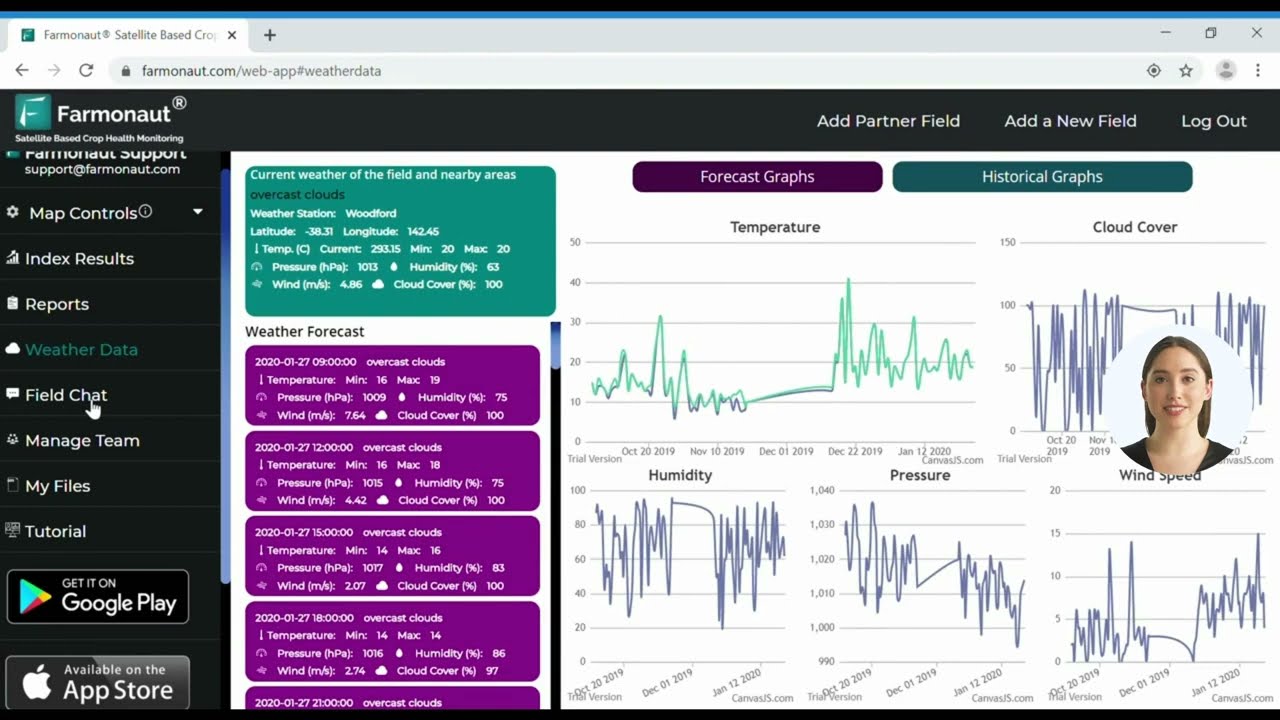
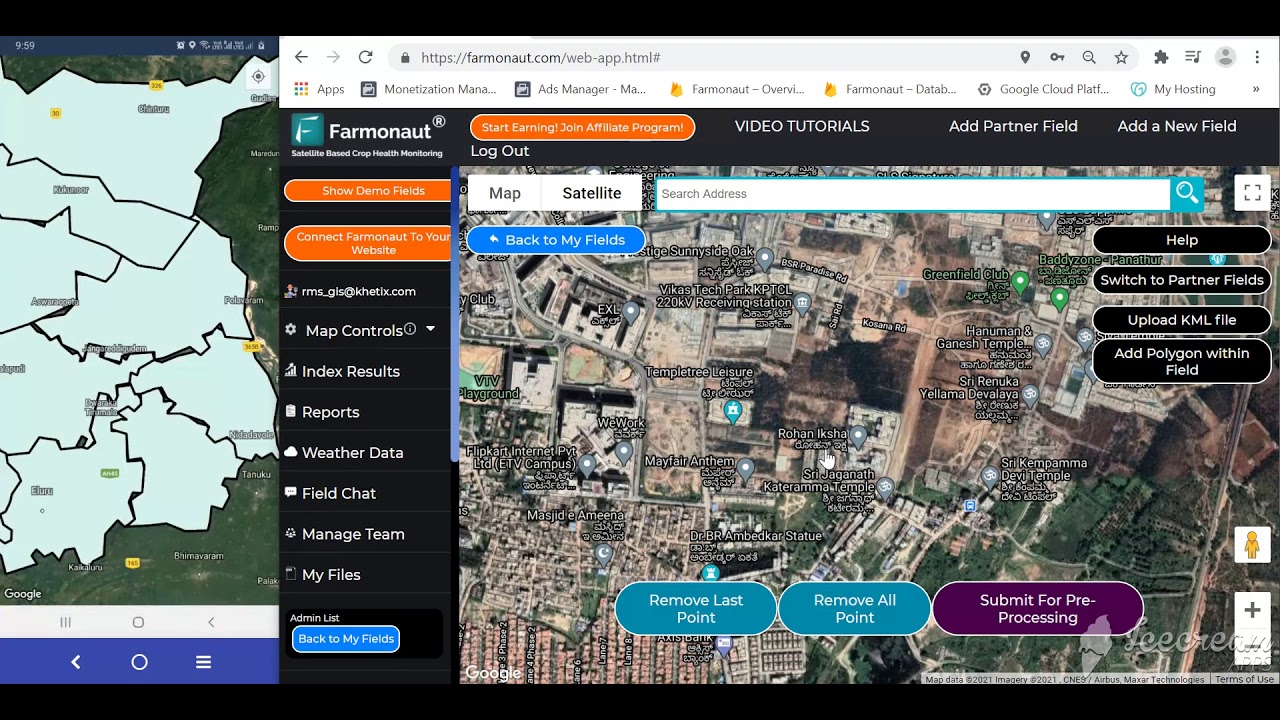
While mowers and aerators are on-the-ground technologies, satellite-powered platforms like Farmonaut elevate farm management into the data-driven future. We at Farmonaut are committed to providing affordable, advanced, and accessible solutions for crop monitoring, soil health tracking, and precision agriculture.
- 📊 Large Scale Farm Management: Our platform enables real-time, spatially accurate crop monitoring, helping you time mowing and aeration for several fields simultaneously, boosting yield and resource efficiency.
- 🌍 Carbon Footprinting: Track and reduce your farm’s emissions. By optimizing mowing frequency and aeration intensity, you help sustain soil carbon stocks and reduce environmental impact.
- 🔗 Traceability Solutions: Our blockchain-powered traceability records each mechanical operation, offering transparency and heritage in food and flower agriculture supply chains.
- 🚜 Fleet Management Tools: Track and optimize the use of mowers, aerators, and other machinery across all of your farmland. Minimize downtime and extend equipment life with predictive maintenance alerts.
- ✅ Crop Loan and Insurance Verification: Provide satellite-based evidence of best practices (like mowing and aeration) to banks and insurers, making access to financial products easier and more trustworthy.
To get started with real-time satellite insights and AI-driven agricultural management, download our mobile apps or web system:



Want to integrate satellite and weather data into your systems? Explore our API and Developer Docs for seamless scalability.
Key Insights: Callouts & Highlights
Investor Note
The integration of advanced mowing, aeration, and satellite platforms is unlocking multi-billion dollar opportunities in precision agriculture and sustainable land management industries—particularly for mixed-use sites and mining infrastructure fields.
Risk / Limitation
Failure to calibrate mower heights or combining mowing with improper aeration can result in persistent compaction, patchy regrowth, and reduced forage quality.
Environmental Watch
Adopting mulching mowers, organic amendments, and precision monitoring can substantially enhance soil carbon sequestration, supporting broader climate-smart agriculture goals.
Data Insight
Satellite-based monitoring and AI yield analytics have shown that integrated mowing and aeration programs can result in up to 30% higher forage production on compacted fields vs. unmanaged controls.
Frequently Asked Questions (FAQ)
What is mower in agriculture, and why is it essential?
A mower in agriculture is a mechanical device used to cut grass, forage, and field vegetation for purposes such as forage quality improvement, weed control, and infrastructure maintenance. Its use optimizes harvesting efficiency, supports healthy plant regrowth, and sustains field productivity.
How do I choose the right type of mower for my agricultural fields?
Select based on your primary crop, field terrain (even vs. uneven ground), required cutting height, and end-use (forage, haymaking, weed control). Refer to our Comparison Table above for quick reference.
Can mowing alone fix compacted soils?
Mowing helps reduce surface debris and supports new growth, but severe soil compaction requires specific aeration techniques (such as core aeration) for long-term improvement in soil health and productivity.
What is the best season for mowing and aeration?
– Mowing: Typically scheduled in late spring or early summer during active plant growth but before seed set for weeds.
– Aeration: Preferred during moist but not saturated soil conditions (post-harvest or pre-growth seasons).
How does Farmonaut support efficient mowing and aeration?
We offer real-time satellite data, AI-based crop health advisories, and fleet management tools that let users monitor field conditions and manage mowing and aeration programs with unprecedented precision.
Are there any digital tools to assist with mower and soil equipment operations?
Yes! Our Agro Admin App and Fleet Management solution enable farmers to track, schedule, and optimize all field machinery operations digitally, helping avoid downtime and reduce maintenance costs.
Innovate Your Agricultural Practices Today
- ✔ Download the Farmonaut app for AI-driven field analytics and monitoring
- ✔ Implement smart mowing and aeration schedules for higher productivity
- ✔ Track results and optimize decision-making with satellite insights year-round
- ✔ Embrace sustainability and transparency with traceability and carbon footprinting
- ✔ Explore API and developer tools for deep, enterprise-grade integration
In sum: The mower in agriculture is a fundamental machine for vegetation management, infrastructure maintenance, and crop health, while aeration ensures soil vitality and sustainable yield. Integrated with digital technology like Farmonaut, you can unlock the full potential of your land, elevate your agronomy, and secure returns for the next generation.

 Fair Climate Fund
 TVS Electronics
 BW Pipelines
 WICO
WICO Gen Chayat
 Chimera Innovation
 SkyHarvest
 Polaris Digitech
 Teledarbas
 Wild Oak Farm
 SFX
SFX BACF Africa
 Doodlakine
 Exurbia Geospatial
 FieldZero
 Indico Company
