

What to Do After Forestry Mulching: 7 Key Steps for Sustainable Land Management in 2026
Introduction: Forestry Mulching Before and After – A Complete Guide
Forestry mulching is a cutting-edge land clearing technique that uses a single machine equipped with a rotating drum of chain blades to shred trees, brush, and vegetation in place. It leaves behind a uniform layer of mulch over mineral soil — a practice that has rapidly gained momentum for its sustainability, efficiency, and ecological sensitivity compared to traditional earth-moving methods.
Whether you manage farms, timberlands, mining sites, or infrastructure corridors, knowing what to do after forestry mulching is vital. The difference in landscape before and after forestry mulching can be dramatic, affecting everything from soil management and erosion control to pasture restoration and habitat creation.
The immediate period following forestry mulching is when your most important land management decisions need to be made. Successful outcomes for soil stabilization, native species re-establishment, and wildfire risk reduction all depend on your understanding of the crucial next steps.
Why Forestry Mulching Leads Land Management Priorities in 2026
Let’s look at why forestry mulching is so relevant now and into 2026:
- ✔ Lower Soil Disturbance: Compared to bulldozing or windrowing, mulcher forestry preserves underlying soil structure and moisture.
- 📊 Boosts Biodiversity: Mulch layers help protect soil microbes and native seeds, benefiting restoration projects.
- ⚠ Minimizes Erosion: The mulch acts as an immediate erosion control layer, reducing topsoil loss especially in areas with steep slope and high runoff risk.
- ✔ Wildfire Risk Reduction: By shredding excess woody biomass, this technique lowers wildfire hazards on vulnerable sites.
- ✔ Quick Access Creation: It enables rapid, stabilized access for roads, infrastructure, and resource extraction corridors.
The focus for 2026 and beyond is not just to clear land, but to restore, protect, and manage it for enduring productivity and ecological resilience. Whether your context is agricultural, forestry, mining, or road development, ensuring robust recovery and sustainability after mulching is critical.
Before Mulching: Planning and Site Readiness for Best Results
Effective mulcher forestry begins long before the machine starts to shred trees, brush, and vegetation. Pre-mulching assessment and planning lay the foundation for success and minimize post-project challenges.
Key Planning Steps:
- Define Objectives: Are you targeting wildfire mitigation? Creating access for new roads? Enhancing pasture or restoring rangelands? Clear goals guide mulch depth targets and subsequent plans for grass or forage seeding.
- Assess Soil and Topography: Factors like slope, soil type, erosion risk, and drainage influence your mulching approach and dictate stabilization actions after clearing.
- Protect Nontarget Resources: Identify riparian zones, heritage trees, and critical wildlife habitats. Always flag and shield valuable or sensitive zones to avoid collateral damage.
- Hydrology and Erosion Controls: When working near water or steep areas, plan to install silt fences, wattles, or other barriers to prevent sediment from reaching streams.
- Equipment and Operators: Select mulchers with the right drum width, horsepower, and drum speed for your site. Inexperienced operators may inadvertently increase disturbance or leave excessive debris lips that complicate post-mulching actions.
Always conduct a walk-through inspection before machinery arrives. Mark out sensitive zones and ensure your operators are briefed on objectives, resources to protect, and target clear areas for recovery.
During Mulching: What Happens on the Ground?
A mulcher forestry machine comes equipped with a powerful, rotating drum featuring chain blades that cut, grind, and shred all vegetation and woody material into a consistent layer of mulch on the soil surface. Here are the operational highlights:
Mulching, Mulch Depth, and Debris Management
- ✔ In-Place Shredding: Trees, brush, and roots are mulched in place, so you avoid the “windrow effect” and minimize unnecessary soil disturbance.
- 📊 Mulch Depth Targets: A typical mulch layer ranges from 2 to 6 inches. On steeper slopes or unstable sites, use a lighter application, possibly in staggered passes, to prevent smothering future plant growth.
- ⚠ Excessive Debris: Too much mulch or poorly distributed debris can impact seedbed preparation and hinder germination of new plantings. Adjust your equipment and methodology accordingly.
- ✔ Revegetation Readiness: On areas scheduled for quick grass or forbs seeding, ensure residual mulch doesn’t block soil-to-seed contact; light raking or crimping may be required.

Failing to monitor mulch depth can result in over-mulching, which suffocates new seedlings and causes erosion on steep slopes. Check regularly and adjust equipment if excessive debris lips start to form.
What to Do After Forestry Mulching: The 7 Key Steps for 2026
Understanding what to do after forestry mulching is your roadmap to a thriving, stable, and sustainable site—whether your end goal is pasture restoration, wildlife habitat creation, or preparing for infrastructure or mining projects.
Step 1: Soil Testing and Seedbed Preparation
- ✔ Soil Testing: Evaluate soil nutrients, compaction, and pH post-mulching to guide appropriate species selection and seeding plans.
- ✔ Seedbed Preparation: If mulch layer is too thick, lightly rake or crimp to create good contact between seed and soil. Avoid heavy tillage to preserve mulch structure.
Step 2: Erosion Control and Stabilization
- ✔ Cover Crops: Sow quick-growing annuals or lay down temporary mulch blankets to create immediate soil cover and reduce erosion risk.
- ✔ Barriers: Install silt fences or wattles on slopes or near waterways as needed to intercept sediment and control runoff.
Step 3: Planting Grass and Forage Species After Forestry Mulching
- ✔ Select Suitable Species: Pick erosion-tolerant grasses, nitrogen-fixing legumes, and resilient forbs adapted to your local climate and soil type.
- ✔ Timing: Plant as soon as practical, capitalizing on soil moisture and temperature for optimal germination, especially in 2025’s evolving climate.
- ✔ Moisture Retention: Use remaining mulch strategically to conserve moisture for new seedlings—key for recovery in drought-prone regions.
- [] Best for native biodiversity: Native grass seeding post-mulching
- [] Best for erosion control: Erosion blankets and silt barriers on slopes
- [] Best for intensive agriculture: Legume and high-yield forage mixes for pasture
- [] Best for habitat: Leaving partial mulch layers to aid microbe and bug habitat
- [] Best for infrastructure: Remove mulch in new roads or construction corridors after initial stabilization
Step 4: Clearing Excessive Debris and Managing Mulch Layer
- ✔ Debris Removal: Where mulch is too dense to permit plant growth, thin or clear the top layer. In heavy mining or access corridors, allow thick mulch to break down over time for added moisture retention and erosion resistance.
- ⚠ Mulch Management: Avoid disturbing beneficial earthworm and microbial activity by heavy raking/tilling.
Step 5: Monitoring Regrowth and Adaptive Maintenance
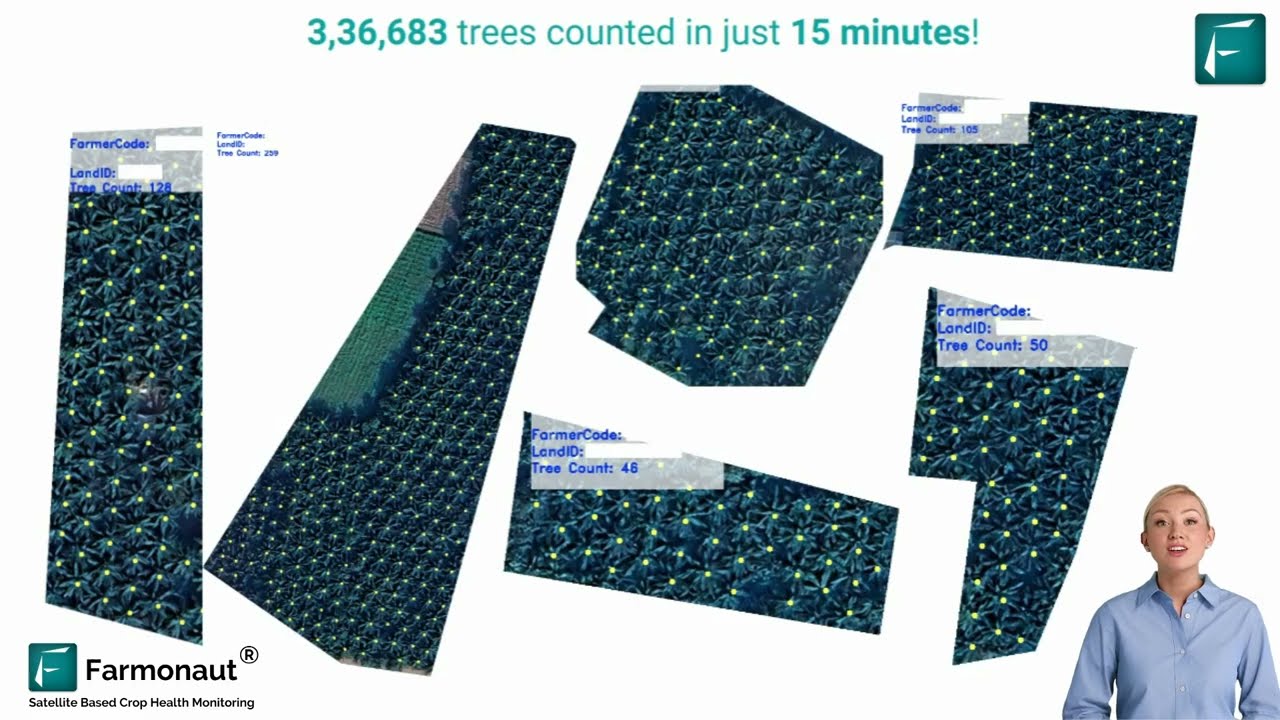
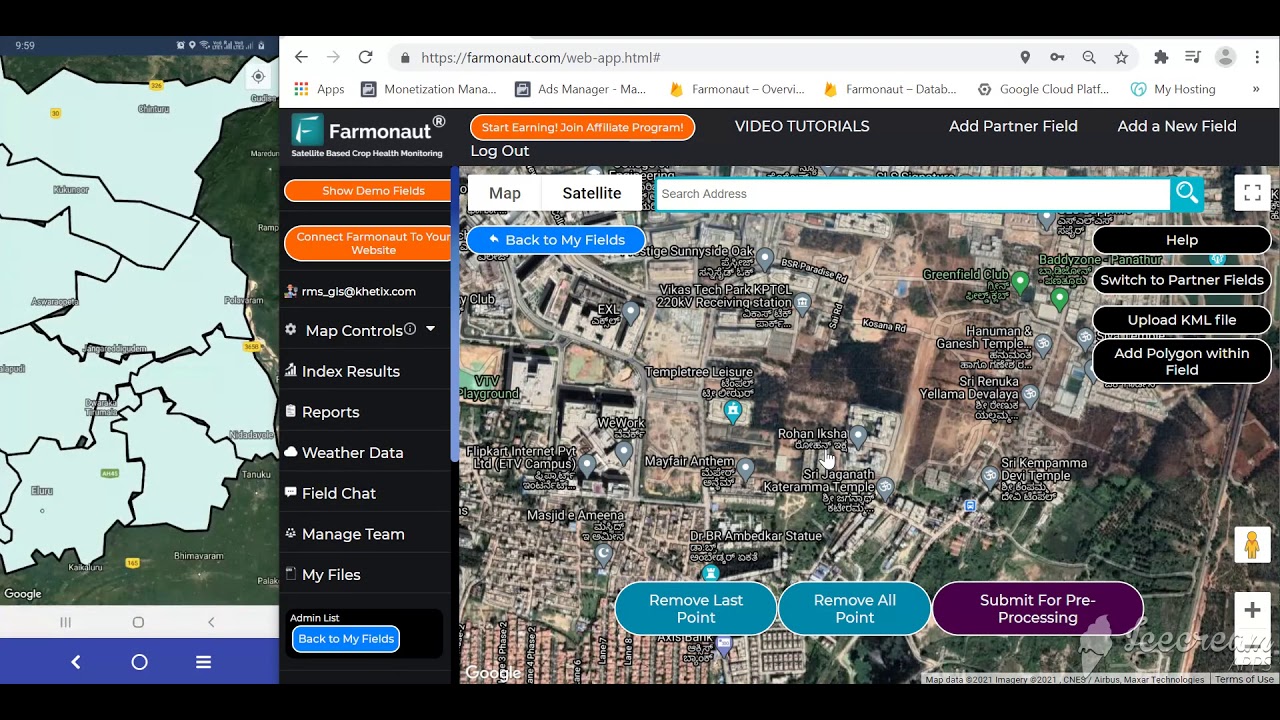
- ✔ Regular Monitoring: Track vegetation establishment, erosion hotspots, and invasive species using ground surveys or satellite-based apps like Farmonaut.
- ✔ Adaptive Management: Re-seed patchy areas, reapply mulch, or introduce cover crops as needed to maintain stability.

Step 6: Habitat Restoration and Invasive Species Control
- ✔ Habitat Recovery: Encourage native flora and fauna by seeding native forbs and grasses, maintaining islands of thicker mulch, and retaining legacy logs or snags if suitable.
- ✔ Invasive Species Control: Monitor and control aggressive invaders (e.g., thistle, non-native grasses) that may colonize disturbed ground quickly.
Step 7: Schedule Follow-Up Assessments and Long-Term Planning
- ✔ Scheduled Checks: Plan follow-up surveys (every 3-6 months) over 1–2 years to evaluate recovery and site stability.
- ✔ Long-Term Success: Incorporate insights into your next round of land management, whether that’s rotational grazing, additional habitat creation, or further thinning.

Post-Mulching Action Steps Comparison Table
| Action Step | Purpose/Goal | Estimated Implementation Time (Days) | Ecological Benefit (Estimated Value/Score) | Recommended Best Practices |
|---|---|---|---|---|
| Soil Testing & Seedbed Prep | Assess nutrient levels & improve seed-to-soil contact | 1–3 | 9/10 (directs effective restoration) | Collect samples, light raking (not tilling), avoid mulch compaction |
| Erosion Control & Stabilization | Prevent topsoil loss and stabilize slopes | 2–5 | 10/10 (essential for soil health) | Install silt fences/wattles, seed cover crops, monitor rain events |
| Grass/Forage Planting | Promote quick revegetation & pasture/forage growth | 3–7 | 9/10 (restores productivity, biodiversity) | Select local species, adjust mulch for optimal germination |
| Debris Clearing/ Mulch Management | Prevent growth inhibition and erosion from excessive mulch | 2–4 | 8/10 (prevents regrowth hindrances) | Thin mulch judiciously, retain layer in corridors/steep areas |
| Monitoring Regrowth | Track vegetation establishment, adapt management | 30–60 (ongoing) | 10/10 (ensures restoration success) | Use app-based/satellite monitoring, schedule regular reviews |
| Habitat Restoration | Support wildlife and native plant recovery | 7–30 | 9/10 (biodiversity, resilience boost) | Seed native forbs/grasses, leave wildlife corridors/snags |
| Scheduling Follow Ups | Ensure long-term site stability & improvement | 90–360 (routine checks) | 10/10 (mitigates future risks) | Create annual review plan—update after major weather events |
Best Practices for Forestry Mulching & Site Recovery
- ✔ Prioritize Immediate Actions: The sooner you implement erosion control and seeding, the better the outcome.
- 📊 Data-Driven Decisions: Use soil tests and satellite monitoring for targeted management—Farmonaut’s multispectral imagery helps spot stress or erosion early.
- ⚠ Avoid Over-Clearing: Leave strategic mulch and woody debris islands for habitat and moisture control.
- ✔ Minimize Soil Compaction: Restrict heavy equipment to designated corridors and use low-impact passes in sensitive areas.
- ✔ Plan for Succession: Select native or locally adapted species that provide long-term resilience against invasives and extreme weather.
- Sustainability: Every step post-mulching should focus on soil preservation, enhanced moisture conservation, and landscape resilience.
- Biodiversity: Emphasize native grass and forbs planting to accelerate wildlife and ecosystem recovery.
- Adaptability: Monitor, adapt, and reapply best practices based on local response—use technologies for ongoing assessment.
Farmonaut: Satellite Tools for Smarter Forestry Mulching Management
At Farmonaut, we offer advanced satellite-based tools purpose-built to help land managers, agriculture professionals, and mining operators meet the challenges of vegetation recovery and land management post-mulching. Our platform delivers crucial insights into:
- Vegetation Health Monitoring (NDVI): Detect regrowth and stress using large-scale farm management tools for ongoing site assessment.
- Soil Moisture Tracking: Know when and where to implement irrigation or moisture retention interventions, especially critical in altered microclimates post-mulching.
- AI-Driven Restoration Planning: Our AI advisory system suggests optimal seeding timing and mixes based on multispectral satellite data, regional rainfall, and microclimate analysis.
- Environmental Impact & Carbon Footprint: Monitor your site’s ecological status and potential for carbon farming — explore our carbon footprinting solution for sustainable restoration tracking.
- Resource Management Tools: Use fleet management to optimize mulching equipment logistics and minimize unnecessary ground disturbance during fieldwork.
Our platform is available on web, Android, and iOS—empowering landowners and enterprises to monitor, adapt, and succeed from anywhere.
The shift to satellite-informed land management, especially for mining and forestry applications, supports sustainable investment by reducing risk, extending asset life, and boosting compliance with evolving environmental regulations.



Integrate our Farmonaut API into your custom workflow or use API Developer Docs for automated, site-specific post-mulching action plans, accessible across your organization.

Blockchain-based traceability solutions from Farmonaut provide unmatched transparency for restoration and supply chain verification—ideal for forestry and mining sites post-mulching.
Ignoring scheduled follow-ups—vegetation establishment can change rapidly, especially with weather extremes. Consistent monitoring is the foundation of resilient, sustainable sites.
FAQ: Forestry Mulching, Management, and Post-Treatment Steps
Q1: What is the best mulch depth after forestry mulching?
Generally, a 2–4 inch layer is sufficient for soil protection while allowing for effective seed-to-soil contact. Adjust for slopes and local conditions, but avoid layers above 6 inches unless specific erosion or moisture retention is needed.
Q2: How soon should I plant grass after forestry mulching?
Begin seeding as soon as possible after mulching—ideally within a few days to two weeks to take advantage of residual soil moisture and minimize weed or invasive species encroachment.
Q3: Can I leave the mulch layer indefinitely?
For infrastructure, roads, or mining corridors, thick mulch can remain temporarily for stability. However, in agricultural and restoration contexts, monitor mulch breakdown and thin if inhibiting plant growth.
Q4: What are the biggest risks if post-mulching steps are skipped?
Poor vegetation regrowth, accelerated erosion, invasive species outbreaks, and reduced site productivity are common. Always implement erosion controls and proper seeding immediately post-mulching.
Q5: How can I efficiently monitor my site remotely?
Satellite platforms like Farmonaut provide NDVI, soil moisture, and restoration progress monitoring for faster, data-driven land management decisions post-mulching.
Conclusion: Ensuring Sustainable Land Management After Forestry Mulching in 2026 and Beyond
Forestry mulching is more than just a land clearing solution—when understood and applied through post-mulching best practices, it becomes the foundation for healthy soil, resilient habitat, reduced wildfire risk, and productive landscapes in 2026. The period after clearing determines the difference between rapid recovery or persistent degradation. What to do after forestry mulching is no longer an afterthought, but a critical part of every agricultural, forestry, or mining management plan.
By combining technology-driven insights from Farmonaut with tried-and-tested mulcher forestry practices, we can all contribute to a more sustainable, productive, and secure landscape for generations to come. Our tools, available via web, Android, and iOS, support your every step from site clearing to thriving restoration.
- ✔ Take immediate post-clearing actions for erosion control and revegetation.
- ✔ Leverage satellite and AI-driven monitoring to adapt and optimize your management strategies.
- ✔ Prioritize native species for resilient and sustainable restoration.
- ✔ Keep learning and adapting as technology and environmental needs evolve in 2026 and beyond.
- ✔ Explore Farmonaut solutions for leading-edge, affordable, and data-driven land management support.
Together, let’s transform forestry mulching—from clearing to restoration—into a force for land stewardship and sustainability for 2026 and beyond.

Discussion
Questions, corrections or field experience? Share them below. First-time comments are reviewed before they appear, and your email is never published.
No comments yet. Be the first to add a question or your experience.

 Hydenmet
 Dirks Bros Farms
 Red August Group
 Farm Inc
 WeMe Global
 Agrotoken
 Blue BearX
 Insignito
 Croptimum
 DnCubed
 Field Capacity
 Indosistim Teknologi
 Liquify Digital
 CU Foods
 BeyondTech Global
 Rouge VC
 AgroGreen Dynamics

 Licence holder · Niger · Gold










